

5 Signs You May Benefit from Upper Cervical Chiropractic Care Exploring the Unique Causes of Headaches in Denver and How Chiropractic Care Provides Relief Many people live with chronic pain, headaches, dizziness, or limited mobility without realizing that the root of their symptoms may be related to the upper cervical spine. While occasional discomfort is common, persistent symptoms shouldn’t be ignored. The upper cervical region—the top two vertebrae in your neck—plays a vital role in supporting your head, protecting your brainstem, and maintaining proper communication between your brain and body. Even a slight misalignment in this area may affect your posture, balance, nervous system function, and overall well-being. That’s why more people in Denver, Colorado, are turning to upper cervical chiropractic care as a gentle, non-invasive approach to improving spinal health. At Denver Upper Cervical, we specialize in evaluating and correcting upper cervical misalignments using precise, individualized techniques. If you’ve been searching for natural solutions to ongoing discomfort, here are five signs that you may benefit from upper cervical chiropractic care. What Is Upper Cervical Chiropractic Care? Upper cervical chiropractic care is a specialized branch of chiropractic focused on the alignment of the atlas (C1) and axis (C2), the two uppermost bones of the spine. These vertebrae surround and protect the brainstem, making their position important for healthy nervous system function. Unlike traditional chiropractic adjustments that may involve multiple areas of the spine, upper cervical care uses detailed examinations, advanced imaging when needed, and gentle, precise corrections tailored to each patient. The goal is to restore proper alignment, reduce stress on the nervous system, and support the body’s natural healing process. 1. You Experience Frequent Headaches or Migraines Tension headaches are the most frequently reported type. They often cause a constant, dull ache or pressure around the forehead, temples, or back of the head. Stress, poor posture, muscle tension, and fatigue are common triggers. Migraine Headaches Migraines are neurological conditions that often cause intense, throbbing pain on one side of the head. Symptoms may also include: Nausea or vomiting Sensitivity to light and sound Blurred vision Dizziness Visual disturbances (auras) Migraine attacks can last from several hours to multiple days and significantly impact daily life. Cervicogenic Headaches Cervicogenic headaches originate from problems in the cervical spine, especially the upper neck. Pain often begins at the base of the skull and radiates toward the forehead, temples, or behind the eyes. These headaches are commonly associated with neck stiffness, reduced mobility, and previous neck injuries. Cluster Headaches Cluster headaches are less common but extremely painful. They usually occur in cycles and cause severe pain around one eye, often accompanied by tearing, nasal congestion, or facial sweating. Tension headaches are the most frequently reported type. They often cause a constant, dull ache or pressure around the forehead, temples, or back of the head. Stress, poor posture, muscle tension, and fatigue are common triggers. Migraines are neurological conditions that often cause intense, throbbing pain on one side of the head. Symptoms may also include: Nausea or vomiting Sensitivity to light and sound Blurred vision Dizziness Visual disturbances (auras) Migraine attacks can last from several hours to multiple days and significantly impact daily life. Cervicogenic headaches originate from problems in the cervical spine, especially the upper neck. Pain often begins at the base of the skull and radiates toward the forehead, temples, or behind the eyes. These headaches are commonly associated with neck stiffness, reduced mobility, and previous neck injuries. Cluster headaches are less common but extremely painful. They usually occur in cycles and cause severe pain around one eye, often accompanied by tearing, nasal congestion, or facial sweating. Common Causes of Headaches Headaches can develop for many reasons. Some of the most common include: Poor posture Neck injuries such as whiplash Muscle tension Stress and anxiety Dehydration Lack of sleep Hormonal changes Eye strain Upper cervical spinal misalignment For many individuals, headaches are not caused by a single factor but rather a combination of physical and lifestyle issues. How Chiropractic Care May Help Reduce Headaches Chiropractic care focuses on improving spinal function and supporting the body’s natural healing abilities. Upper cervical chiropractic care specifically evaluates the alignment of the upper neck using detailed assessments and advanced imaging when appropriate. Treatment plans are customized based on each patient’s condition and overall health. Potential benefits of chiropractic care may include: Improving Spinal Alignment Gentle upper cervical adjustments aim to restore proper alignment of the cervical spine. Improved spinal mechanics may reduce stress placed on muscles, joints, and surrounding tissues. Reducing Muscle Tension Many headaches are linked to tight muscles in the neck and shoulders. Improving spinal function may help decrease muscle tension that contributes to headache pain. Supporting Healthy Nervous System Function The upper cervical spine surrounds the brainstem, an essential part of the nervous system. Proper spinal alignment may help support normal communication between the brain and body. Improving Neck Mobility Restricted neck movement often accompanies cervicogenic headaches and tension headaches. Chiropractic care may help improve flexibility and range of motion. Reducing Dependence on Pain Medication Many patients seek chiropractic care because they want to reduce frequent use of pain medications. While medication may temporarily relieve symptoms, chiropractic care focuses on addressing possible structural contributors to recurring headaches. Gentle upper cervical adjustments aim to restore proper alignment of the cervical spine. Improved spinal mechanics may reduce stress placed on muscles, joints, and surrounding tissues. Many headaches are linked to tight muscles in the neck and shoulders. Improving spinal function may help decrease muscle tension that contributes to headache pain. The upper cervical spine surrounds the brainstem, an essential part of the nervous system. Proper spinal alignment may help support normal communication between the brain and body. Restricted neck movement often accompanies cervicogenic headaches and tension headaches. Chiropractic care may help improve flexibility and range of motion. Many patients seek chiropractic care because they want to reduce frequent use of pain medications. While medication may temporarily relieve symptoms, chiropractic care focuses on addressing possible structural
Upper Neck Misalignment: Symptoms and Treatment Options
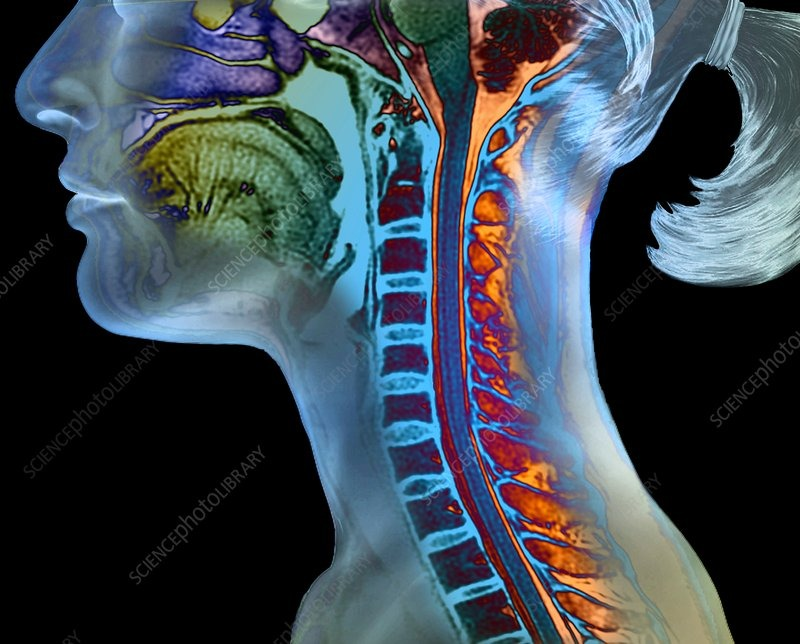
Upper Neck Misalignment: Symptoms and Treatment Options Exploring the Unique Causes of Headaches in Denver and How Chiropractic Care Provides Relief The upper neck plays a critical role in supporting your head, protecting your brainstem, and allowing smooth communication between your brain and the rest of your body. When the upper cervical spine becomes misaligned, it may contribute to neck pain, headaches, dizziness, and other musculoskeletal symptoms that affect your daily life. Although upper neck misalignment is not always the cause of these conditions, evaluating the alignment of the upper cervical spine can be an important part of identifying the source of persistent discomfort. At Denver Upper Cervical, we specialize in assessing and correcting upper cervical misalignments using gentle, precise chiropractic techniques tailored to each patient. In this guide, we’ll explain what an upper neck misalignment is, common symptoms, possible causes, treatment options, and when to seek professional care. What Is an Upper Neck Misalignment? The upper cervical spine consists of the first two vertebrae: Atlas (C1) – Supports the skull and allows the head to move up and down. Axis (C2) – Enables the head to rotate from side to side. Together, these vertebrae provide stability while protecting the brainstem, an essential part of the central nervous system. An upper neck misalignment refers to changes in the position or movement of these vertebrae that may alter spinal mechanics. While many people use the term “misalignment,” healthcare providers evaluate the cervical spine using physical examinations, posture assessments, and diagnostic imaging when appropriate. Because this region contains numerous muscles, ligaments, joints, and nerves, even minor dysfunction may contribute to ongoing pain and restricted movement in some individuals. Common Symptoms of Upper Neck Misalignment Symptoms vary depending on the individual and the underlying cause. Some people experience only mild discomfort, while others notice symptoms that affect daily activities.Common symptoms include: Chronic neck pain Neck stiffness Frequent headaches Migraines Pain at the base of the skull Limited range of motion Shoulder tension Muscle tightness Dizziness or balance problems Pain between the shoulder blades Tingling or numbness in the arms or hands Poor posture Not everyone with these symptoms has an upper cervical issue, which is why a thorough evaluation is important. What Causes Upper Neck Misalignment? Several factors can affect the upper cervical spine. Car Accidents and Whiplash Whiplash is one of the most common causes of upper neck injuries. The sudden forward-and-backward motion of the head places significant stress on the muscles, ligaments, and joints of the neck. Symptoms may not appear immediately and can develop over several days. Poor Posture Spending hours looking at computers, tablets, or smartphones places extra strain on the cervical spine. Forward head posture increases pressure on the neck muscles and joints, potentially contributing to chronic discomfort over time. Sports Injuries Contact sports, cycling accidents, skiing, snowboarding, and falls can place excessive force on the upper cervical spine. Colorado’s active lifestyle makes sports-related neck injuries relatively common. Falls Even minor falls can affect the alignment and function of the cervical spine. Older adults may be particularly vulnerable due to decreased bone density and balance problems. Repetitive Stress Occupations involving repetitive lifting, prolonged sitting, or repeated neck movements may gradually contribute to neck dysfunction. Age-Related Degeneration As we age, natural changes occur within the discs and joints of the cervical spine. Degenerative arthritis and disc changes can reduce mobility while increasing neck stiffness and discomfort. Whiplash is one of the most common causes of upper neck injuries. The sudden forward-and-backward motion of the head places significant stress on the muscles, ligaments, and joints of the neck. Symptoms may not appear immediately and can develop over several days. Spending hours looking at computers, tablets, or smartphones places extra strain on the cervical spine. Forward head posture increases pressure on the neck muscles and joints, potentially contributing to chronic discomfort over time. Contact sports, cycling accidents, skiing, snowboarding, and falls can place excessive force on the upper cervical spine. Colorado’s active lifestyle makes sports-related neck injuries relatively common. Even minor falls can affect the alignment and function of the cervical spine. Older adults may be particularly vulnerable due to decreased bone density and balance problems. Occupations involving repetitive lifting, prolonged sitting, or repeated neck movements may gradually contribute to neck dysfunction. As we age, natural changes occur within the discs and joints of the cervical spine. Degenerative arthritis and disc changes can reduce mobility while increasing neck stiffness and discomfort. How Upper Neck Dysfunction May Affect the Body The upper cervical spine surrounds the brainstem, which serves as an important communication center between the brain and body.When movement in this area becomes restricted, patients may experience: Muscle tension Reduced neck mobility Headaches Joint irritation Changes in posture Current research continues to explore the relationship between upper cervical biomechanics and various musculoskeletal conditions. How Is Upper Neck Misalignment Diagnosed? At Denver Upper Cervical, diagnosis begins with a comprehensive evaluation rather than relying on symptoms alone. Your examination may include: Medical History Your chiropractor will ask about: Previous injuries Car accidents Current symptoms Medical history Lifestyle habits Physical Examination Your provider evaluates: Neck movement Muscle tension Joint mobility Posture Balance Neurological function Diagnostic Imaging When clinically appropriate, X-rays or other imaging studies may be recommended to evaluate spinal alignment and rule out fractures or other structural problems. Your chiropractor will ask about: Previous injuries Car accidents Current symptoms Medical history Lifestyle habits Your provider evaluates: Neck movement Muscle tension Joint mobility Posture Balance Neurological function When clinically appropriate, X-rays or other imaging studies may be recommended to evaluate spinal alignment and rule out fractures or other structural problems. Treatment Options for Upper Neck Misalignment Treatment depends on the underlying diagnosis and severity of symptoms. Upper Cervical Chiropractic Care Upper cervical chiropractic care focuses specifically on the atlas and axis. Unlike traditional chiropractic adjustments, upper cervical techniques use gentle, highly precise corrections designed to improve spinal alignment without forceful twisting or cracking. Treatment plans are customized after a detailed examination. Potential benefits

Chronic Neck Pain Treatment Options: A Guide for Long-Term Relief
Chronic Neck Pain Treatment Options: A Guide for Long-Term Relief Exploring the Unique Causes of Headaches in Denver and How Chiropractic Care Provides Relief Chronic neck pain can make even the simplest daily activities challenging. Whether you’re working at a desk, driving, exercising, or trying to get a good night’s sleep, ongoing neck discomfort can significantly impact your quality of life. While many people rely on pain medications for temporary relief, addressing the underlying cause is often the key to achieving long-term results. If you’ve been dealing with persistent neck pain, understanding your treatment options can help you make informed decisions about your health. At Denver Upper Cervical, we provide personalized upper cervical chiropractic care designed to identify the root cause of chronic neck pain and support your body’s natural healing process. This guide explores the most common causes of chronic neck pain, available treatment options, and how upper cervical chiropractic care may help patients throughout Denver, Colorado find lasting relief. What Is Chronic Neck Pain? Neck pain is considered chronic when it lasts for 12 weeks or longer, even after the initial injury or irritation has healed. The discomfort may be constant or intermittent and can range from mild stiffness to severe pain that limits daily activities. Common symptoms include: Persistent neck stiffness Reduced range of motion Muscle tightness Pain that radiates into the shoulders or arms Frequent headaches Tingling or numbness in the hands Difficulty turning the head Pain that worsens after sitting or sleeping Because the neck supports the weight of the head and allows a wide range of movement, it is particularly vulnerable to stress, injury, and wear over time. Common Causes of Chronic Neck Pain Finding the underlying cause is the first step toward selecting the most effective treatment. Poor Posture Modern lifestyles often involve spending hours looking at computers, tablets, or smartphones. This “forward head posture” places additional stress on the cervical spine, muscles, and ligaments. Over time, poor posture can lead to chronic muscle tension and spinal dysfunction. Whiplash and Auto Accidents Even low-speed car accidents can cause whiplash injuries. Symptoms sometimes appear days or weeks after the accident and may include chronic neck pain, headaches, dizziness, and reduced mobility. Degenerative Disc Disease As we age, spinal discs naturally lose water content and flexibility. This normal aging process can contribute to stiffness, inflammation, and ongoing neck pain. Herniated Cervical Disc A damaged disc can place pressure on nearby nerves, causing pain that radiates into the shoulders, arms, or hands. Arthritis Osteoarthritis of the cervical spine causes gradual cartilage breakdown, resulting in joint inflammation, stiffness, and decreased mobility. Upper Cervical Misalignment The atlas (C1) and axis (C2) are the top two vertebrae of the spine. Misalignment in this region may affect spinal mechanics, muscle balance, and nervous system function, contributing to chronic neck discomfort in some individuals. Modern lifestyles often involve spending hours looking at computers, tablets, or smartphones. This “forward head posture” places additional stress on the cervical spine, muscles, and ligaments. Over time, poor posture can lead to chronic muscle tension and spinal dysfunction. Even low-speed car accidents can cause whiplash injuries. Symptoms sometimes appear days or weeks after the accident and may include chronic neck pain, headaches, dizziness, and reduced mobility. As we age, spinal discs naturally lose water content and flexibility. This normal aging process can contribute to stiffness, inflammation, and ongoing neck pain. A damaged disc can place pressure on nearby nerves, causing pain that radiates into the shoulders, arms, or hands. Osteoarthritis of the cervical spine causes gradual cartilage breakdown, resulting in joint inflammation, stiffness, and decreased mobility. The atlas (C1) and axis (C2) are the top two vertebrae of the spine. Misalignment in this region may affect spinal mechanics, muscle balance, and nervous system function, contributing to chronic neck discomfort in some individuals. Treatment Options for Chronic Neck Pain Fortunately, there are several treatment options available. The right approach depends on the underlying cause, severity of symptoms, and your overall health. 1. Lifestyle Modifications Many mild cases improve by making healthy lifestyle changes. Helpful habits include: Improving posture Taking frequent breaks from sitting Using ergonomic office equipment Sleeping with proper neck support Staying physically active Maintaining a healthy weight These changes can reduce stress on the cervical spine and help prevent future flare-ups. 2. Physical Therapy Physical therapists design individualized exercise programs that strengthen neck muscles, improve flexibility, and restore mobility. Treatment may include: Stretching exercises Strengthening exercises Manual therapy Postural training Balance exercises Physical therapy is often recommended after injuries or surgery. 3. Medications Doctors may recommend medications for symptom management, including: Over-the-counter anti-inflammatory medications Muscle relaxants Prescription pain relievers While medications may reduce pain temporarily, they generally do not correct the underlying structural cause of chronic neck pain. 4. Massage Therapy Restricted neck movement often accompanies cervicogenic headaches and tension headaches. Chiropractic care may help improve flexibility and range of motion. 5. Heat and Cold Therapy Simple home treatments may provide short-term relief. Heat Therapy Warm compresses help relax muscles and increase blood flow. Cold Therapy Ice packs reduce inflammation and numb painful tissues after acute injuries. 6. Upper Cervical Chiropractic Care Upper cervical chiropractic care focuses specifically on the alignment of the upper cervical spine. Unlike traditional chiropractic care, upper cervical specialists use detailed examinations and imaging when necessary to identify small misalignments of the atlas and axis. Gentle, precise adjustments are designed to improve spinal alignment while reducing unnecessary stress on the nervous system. Many patients seek upper cervical chiropractic care because it offers a conservative, non-invasive approach that addresses the potential root cause of chronic neck pain rather than simply treating symptoms. Potential benefits may include: Improved neck mobility Reduced muscle tension Better posture Fewer headaches Increased range of motion Improved daily comfort Individual results vary depending on the underlying condition and overall health. 7. Stress Management Stress commonly contributes to muscle tension throughout the neck and shoulders. Helpful stress-management techniques include: Meditation Deep breathing Yoga Regular exercise Mindfulness Adequate sleep

How Chiropractic Care May Help Reduce Headaches in Colorado
How Chiropractic Care May Help Reduce Headaches in Colorado Exploring the Unique Causes of Headaches in Denver and How Chiropractic Care Provides Relief Headaches are one of the most common health concerns affecting people of all ages. Whether it’s a dull ache after a long day at work, recurring migraines, or persistent tension headaches, chronic head pain can interfere with your ability to focus, work, sleep, and enjoy daily life. While over-the-counter medications may provide temporary relief, they often fail to address the underlying cause. For many people in Colorado, chiropractic care has become a natural, non-invasive option for managing headaches. At Denver Upper Cervical, we focus on identifying structural issues in the upper neck that may contribute to recurring headaches. By addressing the root cause rather than simply masking symptoms, upper cervical chiropractic care may help patients experience long-term relief and improved quality of life. Understanding Headaches A headache is pain or discomfort in the head, scalp, face, or upper neck. There are more than 150 different types of headaches, but the most common include: Tension Headaches Tension headaches are the most frequently reported type. They often cause a constant, dull ache or pressure around the forehead, temples, or back of the head. Stress, poor posture, muscle tension, and fatigue are common triggers. Migraine Headaches Migraines are neurological conditions that often cause intense, throbbing pain on one side of the head. Symptoms may also include: Nausea or vomiting Sensitivity to light and sound Blurred vision Dizziness Visual disturbances (auras) Migraine attacks can last from several hours to multiple days and significantly impact daily life. Cervicogenic Headaches Cervicogenic headaches originate from problems in the cervical spine, especially the upper neck. Pain often begins at the base of the skull and radiates toward the forehead, temples, or behind the eyes. These headaches are commonly associated with neck stiffness, reduced mobility, and previous neck injuries. Cluster Headaches Cluster headaches are less common but extremely painful. They usually occur in cycles and cause severe pain around one eye, often accompanied by tearing, nasal congestion, or facial sweating. Tension headaches are the most frequently reported type. They often cause a constant, dull ache or pressure around the forehead, temples, or back of the head. Stress, poor posture, muscle tension, and fatigue are common triggers. Migraines are neurological conditions that often cause intense, throbbing pain on one side of the head. Symptoms may also include: Nausea or vomiting Sensitivity to light and sound Blurred vision Dizziness Visual disturbances (auras) Migraine attacks can last from several hours to multiple days and significantly impact daily life. Cervicogenic headaches originate from problems in the cervical spine, especially the upper neck. Pain often begins at the base of the skull and radiates toward the forehead, temples, or behind the eyes. These headaches are commonly associated with neck stiffness, reduced mobility, and previous neck injuries. Cluster headaches are less common but extremely painful. They usually occur in cycles and cause severe pain around one eye, often accompanied by tearing, nasal congestion, or facial sweating. Common Causes of Headaches Headaches can develop for many reasons. Some of the most common include: Poor posture Neck injuries such as whiplash Muscle tension Stress and anxiety Dehydration Lack of sleep Hormonal changes Eye strain Upper cervical spinal misalignment For many individuals, headaches are not caused by a single factor but rather a combination of physical and lifestyle issues. How Chiropractic Care May Help Reduce Headaches Chiropractic care focuses on improving spinal function and supporting the body’s natural healing abilities. Upper cervical chiropractic care specifically evaluates the alignment of the upper neck using detailed assessments and advanced imaging when appropriate. Treatment plans are customized based on each patient’s condition and overall health. Potential benefits of chiropractic care may include: Improving Spinal Alignment Gentle upper cervical adjustments aim to restore proper alignment of the cervical spine. Improved spinal mechanics may reduce stress placed on muscles, joints, and surrounding tissues. Reducing Muscle Tension Many headaches are linked to tight muscles in the neck and shoulders. Improving spinal function may help decrease muscle tension that contributes to headache pain. Supporting Healthy Nervous System Function The upper cervical spine surrounds the brainstem, an essential part of the nervous system. Proper spinal alignment may help support normal communication between the brain and body. Improving Neck Mobility Restricted neck movement often accompanies cervicogenic headaches and tension headaches. Chiropractic care may help improve flexibility and range of motion. Reducing Dependence on Pain Medication Many patients seek chiropractic care because they want to reduce frequent use of pain medications. While medication may temporarily relieve symptoms, chiropractic care focuses on addressing possible structural contributors to recurring headaches. Gentle upper cervical adjustments aim to restore proper alignment of the cervical spine. Improved spinal mechanics may reduce stress placed on muscles, joints, and surrounding tissues. Many headaches are linked to tight muscles in the neck and shoulders. Improving spinal function may help decrease muscle tension that contributes to headache pain. The upper cervical spine surrounds the brainstem, an essential part of the nervous system. Proper spinal alignment may help support normal communication between the brain and body. Restricted neck movement often accompanies cervicogenic headaches and tension headaches. Chiropractic care may help improve flexibility and range of motion. Many patients seek chiropractic care because they want to reduce frequent use of pain medications. While medication may temporarily relieve symptoms, chiropractic care focuses on addressing possible structural contributors to recurring headaches. The Connection Between the Neck and Headaches The upper cervical spine consists of the first two vertebrae, known as the atlas (C1) and axis (C2). These bones support the head and help protect the brainstem, which plays a vital role in communication between the brain and the body.Even small changes in the alignment of the upper cervical spine may affect surrounding muscles, joints, and nerves. This can contribute to neck tension, restricted movement, and headaches in some individuals.People who have experienced car accidents, sports injuries, falls, or years of poor posture may develop dysfunction in this

Chronic Neck Pain: Common Causes and When to Seek Treatment
Chronic Neck Pain: Common Causes and When to Seek Treatment Exploring the Unique Causes of Headaches in Denver and How Chiropractic Care Provides Relief Neck pain is one of the most common musculoskeletal complaints among adults. While occasional stiffness after sleeping in an awkward position or spending hours at a desk is usually temporary, chronic neck pain is different. Pain that lasts for weeks or months can interfere with work, sleep, exercise, and everyday activities. If left untreated, it may become more severe and affect your overall quality of life. Understanding the causes of chronic neck pain and knowing when to seek professional treatment can help prevent long-term complications. At Denver Upper Cervical, we focus on identifying the underlying cause of neck discomfort rather than simply masking symptoms, helping patients throughout Denver and the surrounding communities find lasting relief. What Is Chronic Neck Pain? Chronic neck pain is generally defined as neck discomfort that lasts for 12 weeks or longer, even if the original injury or irritation has healed. The pain may be constant or intermittent and can range from a dull ache to sharp, stabbing sensations. Many people also experience additional symptoms such as: Neck stiffness Reduced range of motion Headaches Shoulder pain Muscle tightness Pain that radiates into the arms Tingling or numbness in the hands Because the neck supports the weight of the head and allows a wide range of movement, it is particularly vulnerable to stress, injury, and degeneration. Common Causes of Chronic Neck Pain Several conditions can contribute to persistent neck pain. Identifying the source is the first step toward effective treatment. 1. Poor Posture Modern lifestyles often involve hours of sitting at a computer, looking down at smartphones, or working from home. These habits can place excessive stress on the cervical spine. Forward head posture increases pressure on the neck muscles, ligaments, and joints, leading to chronic muscle tension and discomfort over time. 2. Whiplash Injuries Car accidents are one of the leading causes of chronic neck pain. Even low-speed collisions can cause whiplash, where the head rapidly moves forward and backward. Some people recover quickly, while others continue experiencing symptoms for months or years due to lingering ligament injuries, joint dysfunction, or upper cervical misalignment. 3. Degenerative Disc Disease As we age, the discs between the vertebrae naturally lose hydration and flexibility. This process may cause: Neck stiffness Chronic pain Limited movement Increased pressure on nearby nerves Although age-related degeneration is common, symptoms vary significantly from person to person. 4. Herniated Cervical Discs A damaged spinal disc may press against nearby nerves, causing: Sharp neck pain Pain radiating into the shoulder or arm Numbness Muscle weakness Prompt evaluation is important if nerve compression is suspected. 5. Arthritis Osteoarthritis frequently affects the cervical spine. The gradual breakdown of cartilage can cause inflammation, bone spurs, and reduced joint mobility. This often results in chronic pain that worsens with movement. 6. Stress and Muscle Tension Emotional stress often causes people to tighten the muscles around the neck and shoulders without realizing it. Persistent muscle tension can eventually contribute to chronic discomfort, headaches, and restricted movement. 7. Upper Cervical Misalignment The upper cervical spine consists of the atlas (C1) and axis (C2), which support the head and protect the brainstem. When these vertebrae become misaligned due to injury, repetitive stress, or poor posture, they may alter normal spinal mechanics and contribute to ongoing neck pain. Upper cervical chiropractors evaluate these areas carefully to determine whether alignment issues may be playing a role in a patient’s symptoms. Modern lifestyles often involve hours of sitting at a computer, looking down at smartphones, or working from home. These habits can place excessive stress on the cervical spine. Forward head posture increases pressure on the neck muscles, ligaments, and joints, leading to chronic muscle tension and discomfort over time. Car accidents are one of the leading causes of chronic neck pain. Even low-speed collisions can cause whiplash, where the head rapidly moves forward and backward. Some people recover quickly, while others continue experiencing symptoms for months or years due to lingering ligament injuries, joint dysfunction, or upper cervical misalignment. As we age, the discs between the vertebrae naturally lose hydration and flexibility. This process may cause: Neck stiffness Chronic pain Limited movement Increased pressure on nearby nerves Although age-related degeneration is common, symptoms vary significantly from person to person. A damaged spinal disc may press against nearby nerves, causing: Sharp neck pain Pain radiating into the shoulder or arm Numbness Muscle weakness Prompt evaluation is important if nerve compression is suspected. Osteoarthritis frequently affects the cervical spine. The gradual breakdown of cartilage can cause inflammation, bone spurs, and reduced joint mobility. This often results in chronic pain that worsens with movement. Emotional stress often causes people to tighten the muscles around the neck and shoulders without realizing it. Persistent muscle tension can eventually contribute to chronic discomfort, headaches, and restricted movement. The upper cervical spine consists of the atlas (C1) and axis (C2), which support the head and protect the brainstem. When these vertebrae become misaligned due to injury, repetitive stress, or poor posture, they may alter normal spinal mechanics and contribute to ongoing neck pain. Upper cervical chiropractors evaluate these areas carefully to determine whether alignment issues may be playing a role in a patient’s symptoms. When Should You Seek Treatment? Many cases of mild neck pain improve within a few days. However, professional evaluation is recommended if pain: Lasts longer than several weeks Continues to worsen Interferes with work or sleep Limits normal movement Occurs after an accident Is accompanied by headaches or dizziness Radiates into the shoulders or arms Causes numbness, tingling, or weakness Early diagnosis often leads to better outcomes and may help prevent chronic conditions from progressing. Risk Factors for Chronic Neck Pain Certain factors increase the likelihood of developing chronic neck pain, including: Sedentary lifestyle Poor workstation ergonomics Frequent smartphone use Previous neck injuries Repetitive lifting Aging High stress levels Sleeping on an unsupportive
Why Chronic Neck Pain Keeps Coming Back and How to Treat the Root Cause
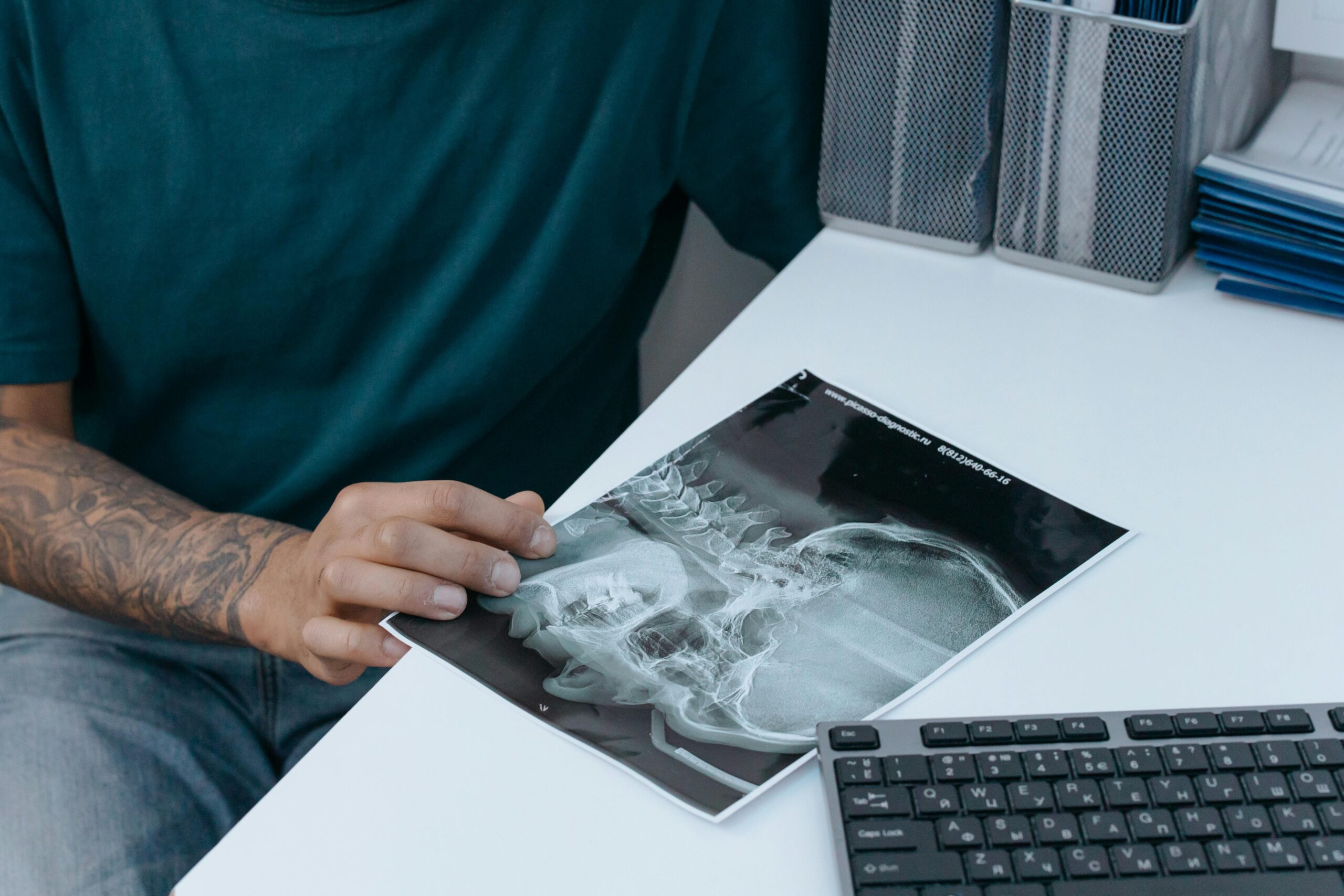
Why Chronic Neck Pain Keeps Coming Back and How to Treat the Root Cause Exploring the Unique Causes of Headaches in Denver and How Chiropractic Care Provides Relief Chronic neck pain can be frustrating, especially when it seems to improve for a while only to return days or weeks later. Many people experience temporary relief from stretching, massage, pain medications, or heat therapy, yet the discomfort continues to come back. If you’ve found yourself asking, “Why does my neck pain keep returning?”, you’re not alone. Recurring neck pain often involves more than a single strained muscle. In many cases, several factors—including posture, previous injuries, joint dysfunction, muscle imbalances, stress, or age-related changes—may contribute to ongoing symptoms. Identifying these underlying contributors is often the key to developing an effective long-term management plan. For many people in the Denver area, an evaluation by an upper cervical chiropractor may help determine whether dysfunction involving the upper cervical spine is contributing to persistent neck pain. In this guide, we’ll explore why chronic neck pain keeps coming back, common underlying causes, and how conservative treatment approaches—including upper cervical chiropractic care—may help address contributing factors rather than simply managing symptoms. What Is Chronic Neck Pain? Neck pain is generally considered chronic when it lasts longer than 12 weeks or repeatedly returns despite periods of improvement. Unlike acute neck pain caused by a recent strain or minor injury, chronic neck pain often develops gradually and may fluctuate in intensity. Common symptoms include: Persistent neck stiffness Muscle tightness Reduced range of motion Pain at the base of the skull Shoulder tension Difficulty turning the head Headaches associated with neck discomfort Pain that worsens after sitting or computer work While symptoms may temporarily improve, the underlying contributing factors often remain if they are not identified and addressed. Could the Upper Cervical Spine Be Contributing? The upper cervical spine includes the first two vertebrae: Atlas (C1) Axis (C2) These vertebrae support the head while allowing significant movement. When movement in this region becomes restricted or dysfunctional, surrounding muscles may work harder to stabilize the neck. In some individuals, this altered mechanics may contribute to recurring neck pain, stiffness, or headaches. Upper cervical chiropractic care focuses on evaluating this area through detailed examination, posture assessment, and imaging when clinically appropriate. Rather than assuming all neck pain originates from the upper cervical spine, practitioners determine whether dysfunction in this region may be one contributing factor. Why Does Chronic Neck Pain Keep Coming Back? There is rarely a single explanation. Instead, recurring neck pain is often the result of multiple interacting factors. 1. Poor Posture One of the most common contributors to chronic neck pain is prolonged poor posture. Many people spend hours each day: Working on computers Looking down at smartphones Driving Watching television Reading tablets These activities often encourage a forward head posture, increasing the workload placed on the muscles and joints of the cervical spine. Over time, this additional strain can contribute to recurring pain and stiffness. 2. Previous Injuries Old injuries don’t always heal as completely as people expect. Common examples include: Whiplash from auto accidents Sports injuries Falls Workplace accidents Even if the original injury occurred years ago, changes in movement patterns, muscle function, or joint mechanics may continue to influence neck comfort. 3. Muscle Imbalances When certain muscles become tight while others become weak, the neck may lose its normal support. This imbalance can increase stress on: Cervical joints Ligaments Tendons Surrounding muscles Without correcting these movement patterns, symptoms often return. 4. Repetitive Daily Activities Many occupations place repetitive stress on the neck. Examples include: Office work Dentistry Construction Hair styling Truck driving Healthcare professions Small stresses repeated over months or years may gradually contribute to chronic discomfort. 5. Degenerative Changes As we age, natural wear and tear may affect the cervical spine. Examples include: Cervical osteoarthritis Degenerative disc disease Facet joint changes Reduced flexibility These age-related changes do not always cause pain, but they may contribute to ongoing symptoms in some individuals. 6. Stress and Muscle Tension Emotional stress frequently affects the body physically. Many people unconsciously tighten their neck and shoulder muscles throughout the day. Over time this may contribute to: Tension headaches Neck stiffness Muscle soreness Limited mobility One of the most common contributors to chronic neck pain is prolonged poor posture. Many people spend hours each day: Working on computers Looking down at smartphones Driving Watching television Reading tablets These activities often encourage a forward head posture, increasing the workload placed on the muscles and joints of the cervical spine. Over time, this additional strain can contribute to recurring pain and stiffness. Old injuries don’t always heal as completely as people expect. Common examples include: Whiplash from auto accidents Sports injuries Falls Workplace accidents Even if the original injury occurred years ago, changes in movement patterns, muscle function, or joint mechanics may continue to influence neck comfort. When certain muscles become tight while others become weak, the neck may lose its normal support. This imbalance can increase stress on: Cervical joints Ligaments Tendons Surrounding muscles Without correcting these movement patterns, symptoms often return. Many occupations place repetitive stress on the neck. Examples include: Office work Dentistry Construction Hair styling Truck driving Healthcare professions Small stresses repeated over months or years may gradually contribute to chronic discomfort. As we age, natural wear and tear may affect the cervical spine. Examples include: Cervical osteoarthritis Degenerative disc disease Facet joint changes Reduced flexibility These age-related changes do not always cause pain, but they may contribute to ongoing symptoms in some individuals. Emotional stress frequently affects the body physically. Many people unconsciously tighten their neck and shoulder muscles throughout the day. Over time this may contribute to: Tension headaches Neck stiffness Muscle soreness Limited mobility Treating Symptoms vs. Addressing Contributing Factors Many common neck pain treatments are designed to provide symptom relief. These may include: Over-the-counter pain relievers Heat or ice therapy Massage Rest Topical creams While these approaches may reduce discomfort, they may not address
Upper Cervical Chiropractic vs. Traditional Chiropractic: What’s the Difference?
Upper Cervical Chiropractic vs. Traditional Chiropractic: What’s the Difference? Exploring the Unique Causes of Headaches in Denver and How Chiropractic Care Provides Relief If you’re searching for a chiropractor in Denver, you’ve likely come across two different approaches to chiropractic care: traditional chiropractic and upper cervical chiropractic. While both focus on improving spinal health and supporting the body’s natural movement, they differ in their techniques, evaluation methods, and treatment focus. Understanding these differences can help you choose the type of care that best aligns with your symptoms, health goals, and preferences. In this guide, we’ll compare upper cervical chiropractic and traditional chiropractic, explain how each approach works, discuss the conditions they may help address, and outline what Denver residents should consider when choosing a provider. What Is Upper Cervical Chiropractic? Upper cervical chiropractic is a specialized branch of chiropractic care that focuses exclusively on the upper portion of the neck. Specifically, it evaluates the first two cervical vertebrae: Atlas (C1) Axis (C2) These vertebrae support the head, allow a significant amount of neck movement, and help protect the brainstem. Upper cervical chiropractors believe that dysfunction affecting this region may contribute to certain neck-related symptoms in some patients. Their approach emphasizes detailed assessment, individualized measurements, and gentle corrections when clinically appropriate. Rather than adjusting multiple spinal segments during every visit, upper cervical chiropractors primarily concentrate on restoring movement and function within the upper cervical spine. What Is Traditional Chiropractic Care? Traditional chiropractic care is a healthcare discipline that focuses on the diagnosis and management of musculoskeletal conditions, particularly those involving the spine, joints, muscles, and nervous system.A traditional chiropractor may evaluate and treat multiple areas of the body, including: Traditional Chiropractic Care Cervical Chiropractic Care Neck Upper back Mid-back Lower back Pelvis Shoulders Hips Extremities Soft tissue therapy Therapeutic exercises Stretching programs Posture education Ergonomic recommendations Lifestyle counseling The Main Differences Between Upper Cervical and Traditional Chiropractic Although both approaches share the goal of improving spinal function, they differ in several important ways. 1. Area of Focus Traditional Chiropractic Traditional chiropractors commonly evaluate and treat the entire spine as well as other joints throughout the body. Patients with low back pain, shoulder pain, hip problems, or sports injuries often receive care involving multiple areas. Upper Cervical Chiropractic Upper cervical chiropractors focus almost entirely on the atlas and axis. Their evaluations are designed to determine whether dysfunction in this region may influence neck pain, headaches, posture, or other symptoms. 2. Evaluation Process Traditional chiropractic evaluations generally include: Health history Physical examination Range-of-motion testing Orthopedic testing Neurological screening when appropriate Upper cervical chiropractors typically perform many of these same assessments while placing additional emphasis on: Detailed upper cervical measurements Posture analysis Specialized imaging when clinically indicated Individualized alignment analysis This detailed evaluation helps guide highly specific treatment decisions. 3. Adjustment Techniques One of the biggest differences lies in the adjustment itself. Traditional Chiropractic Adjustments Traditional adjustments may involve: Manual spinal manipulation Diversified technique Instrument-assisted adjustments Mobilization Activator methods Treatment often includes several spinal regions during the same visit. Upper Cervical Adjustments Upper cervical adjustments are generally: Gentle Highly specific Low-force Individually measured Focused only on C1 and C2 Many patients are surprised to learn that upper cervical adjustments frequently involve little or no twisting of the neck. Traditional Chiropractic Traditional chiropractors commonly evaluate and treat the entire spine as well as other joints throughout the body. Patients with low back pain, shoulder pain, hip problems, or sports injuries often receive care involving multiple areas. Upper Cervical Chiropractic Upper cervical chiropractors focus almost entirely on the atlas and axis. Their evaluations are designed to determine whether dysfunction in this region may influence neck pain, headaches, posture, or other symptoms. Traditional chiropractic evaluations generally include: Health history Physical examination Range-of-motion testing Orthopedic testing Neurological screening when appropriate Upper cervical chiropractors typically perform many of these same assessments while placing additional emphasis on: Detailed upper cervical measurements Posture analysis Specialized imaging when clinically indicated Individualized alignment analysis This detailed evaluation helps guide highly specific treatment decisions. One of the biggest differences lies in the adjustment itself. Traditional Chiropractic Adjustments Traditional adjustments may involve: Manual spinal manipulation Diversified technique Instrument-assisted adjustments Mobilization Activator methods Treatment often includes several spinal regions during the same visit. Upper Cervical Adjustments Upper cervical adjustments are generally: Gentle Highly specific Low-force Individually measured Focused only on C1 and C2 Many patients are surprised to learn that upper cervical adjustments frequently involve little or no twisting of the neck. Is One Approach Better Than the Other? Neither approach is universally “better.” Instead, the most appropriate choice depends on: Your diagnosis Your symptoms Your medical history Your treatment goals Your chiropractor’s training and experience For example: Someone with chronic low back pain may benefit from comprehensive spinal care involving multiple regions. Someone whose primary complaint involves persistent neck pain and headaches may wish to consult an upper cervical chiropractor for a focused evaluation of the upper neck. The key is receiving an accurate diagnosis before beginning treatment. Conditions Commonly Seen in Each Type of Practice While every patient requires an individualized evaluation, certain conditions are more commonly associated with each approach. Traditional Chiropractic Care Patients often seek traditional chiropractic care for: Low back pain Sciatica Mid-back pain Shoulder pain Hip discomfort Sports injuries Shoulder pain General spinal stiffness Joint dysfunction Because traditional chiropractors treat multiple body regions, they often manage a broad variety of musculoskeletal complaints. Upper Cervical Chiropractic Care Patients frequently seek upper cervical care for: Chronic neck pain Tension headaches Cervicogenic headaches Neck stiffness Whiplash injuries Reduced neck mobility Postural concerns It’s important to note that not every patient with these symptoms is an appropriate candidate for upper cervical care. A thorough examination is necessary to determine the most appropriate treatment approach. What Makes Upper Cervical Chiropractic Unique? Several characteristics distinguish upper cervical care from traditional chiropractic. Individualized Corrections Upper cervical chiropractors do not typically perform identical adjustments for every patient. Instead, adjustments are based on: Examination findings Postural measurements Imaging

Atlas and Axis Misalignment: Hidden Causes of Neck Pain and Dizziness
Atlas and Axis Misalignment: Hidden Causes of Neck Pain and Dizziness Exploring the Unique Causes of Headaches in Denver and How Chiropractic Care Provides Relief Neck pain and dizziness are symptoms that can significantly impact your daily life. You may wake up with a stiff neck, feel unsteady when turning your head, or experience recurring discomfort that doesn’t improve despite stretching, medication, or massage. While these symptoms have many possible causes, dysfunction involving the upper cervical spine—the atlas (C1) and axis (C2)—may contribute to neck pain and balance-related symptoms in some individuals. If you’ve been searching for answers about atlas and axis misalignment, you’re not alone. Many people in the Denver area seek an evaluation from an upper cervical chiropractor after experiencing persistent neck pain, headaches, or dizziness that hasn’t responded to other conservative treatments. In this guide, we’ll explain the role of the atlas and axis, how dysfunction in this region may contribute to symptoms, what causes upper cervical problems, and when it may be appropriate to seek an evaluation from an upper cervical chiropractor in Denver. What Are the Atlas and Axis? The cervical spine is made up of seven vertebrae, labeled C1 through C7. The first two vertebrae are unique because they support the head and allow a remarkable range of motion. Atlas (C1): Supports the skull and helps facilitate nodding movements. Axis (C2): Contains a specialized structure that allows the head to rotate from side to side. Together, these vertebrae are called the upper cervical spine. They also help protect the brainstem and work with surrounding muscles, ligaments, joints, and nerves to support normal movement, posture, and balance. Because this area is highly mobile, it can also be vulnerable to injury or movement dysfunction. What Does “Atlas and Axis Misalignment” Mean? The term atlas and axis misalignment is commonly used in chiropractic care to describe changes in the alignment or movement of the upper cervical joints.Rather than suggesting that bones are dramatically “out of place,” modern upper cervical chiropractic focuses on identifying abnormalities in joint motion, posture, muscle balance, and spinal mechanics. These changes may affect how the neck moves and how surrounding muscles respond.A thorough clinical evaluation is necessary to determine whether upper cervical dysfunction may be contributing to an individual’s symptoms. How Can Upper Cervical Dysfunction Contribute to Neck Pain? The human head weighs approximately 10 to 12 pounds. The upper cervical spine is responsible for supporting this weight while allowing smooth movement in multiple directions. When movement within the atlas or axis becomes restricted or dysfunctional, nearby muscles may compensate by working harder to stabilize the head. Over time, this increased demand can contribute to: Chronic neck pain Muscle tightness Joint irritation Reduced range of motion Stiffness Pain at the base of the skull Shoulder discomfort Can Atlas and Axis Dysfunction Cause Dizziness? Dizziness has many possible causes, including inner ear disorders, neurological conditions, cardiovascular issues, medication side effects, and certain neck conditions. Some people experience a condition known as cervicogenic dizziness, in which dizziness is associated with neck pain or restricted cervical movement. While the exact mechanisms are still being studied, altered sensory input from the neck may contribute to feelings of imbalance in some individuals. Because dizziness can also signal a serious medical condition, a comprehensive evaluation is essential. Persistent, severe, or sudden dizziness should always be assessed by an appropriate healthcare professional. Common Causes of Atlas and Axis Dysfunction Several factors may affect the normal movement and function of the upper cervical spine. 1. Whiplash Injuries Auto accidents are one of the most common causes of upper cervical dysfunction. Even low-speed collisions can place significant stress on the ligaments, joints, and muscles surrounding the atlas and axis. Common symptoms include: Neck pain Headaches Dizziness Reduced mobility Shoulder tension 2. Poor Posture Modern lifestyles often involve prolonged screen time and forward-head posture. Whether you’re working at a computer in downtown Denver or using a smartphone for hours each day, poor posture can increase strain on the upper cervical spine. 3. Sports and Outdoor Activities Denver residents often enjoy: Skiing Snowboarding Mountain biking Hiking Rock climbing Weightlifting Falls or repetitive strain during these activities may affect cervical joint function. 4. Previous Falls Even a fall that occurred years ago may contribute to lingering changes in neck mechanics. Some people don’t associate an old injury with current symptoms until a comprehensive evaluation is performed. 5. Repetitive Workplace Strain Jobs involving prolonged sitting, driving, repetitive overhead movements, or awkward neck positions may gradually contribute to muscle imbalance and cervical dysfunction. Auto accidents are one of the most common causes of upper cervical dysfunction. Even low-speed collisions can place significant stress on the ligaments, joints, and muscles surrounding the atlas and axis. Common symptoms include: Neck pain Headaches Dizziness Reduced mobility Shoulder tension Modern lifestyles often involve prolonged screen time and forward-head posture. Whether you’re working at a computer in downtown Denver or using a smartphone for hours each day, poor posture can increase strain on the upper cervical spine. Denver residents often enjoy: Skiing Snowboarding Mountain biking Hiking Rock climbing Weightlifting Falls or repetitive strain during these activities may affect cervical joint function. Even a fall that occurred years ago may contribute to lingering changes in neck mechanics. Some people don’t associate an old injury with current symptoms until a comprehensive evaluation is performed. Jobs involving prolonged sitting, driving, repetitive overhead movements, or awkward neck positions may gradually contribute to muscle imbalance and cervical dysfunction. Symptoms That May Be Associated with Upper Cervical Dysfunction Symptoms vary from person to person but may include: Chronic neck pain Neck stiffness Limited range of motion Pain at the base of the skull Frequent headaches Muscle tightness Shoulder pain Dizziness associated with neck movement Difficulty turning the head comfortably Because these symptoms can also result from other medical conditions, an accurate diagnosis is essential. How Upper Cervical Chiropractic Care Works Upper cervical chiropractic is a specialized approach that focuses specifically on the atlas and axis. Unlike generalized
Can Upper Cervical Adjustments Help Migraines and Tension Headaches? A Denver Guide to Conservative Headache Care
Can Upper Cervical Adjustments Help Migraines and Tension Headaches? A Denver Guide to Conservative Headache Care Exploring the Unique Causes of Headaches in Denver and How Chiropractic Care Provides Relief Recurring headaches can disrupt nearly every part of your life. Whether you’re dealing with frequent tension headaches after long workdays or migraines that interfere with family time, sleep, and productivity, finding effective relief often becomes a priority. Many people manage headaches with over-the-counter medications or prescription treatments. While these approaches may help reduce symptoms, they don’t always address underlying factors that could be contributing to recurring discomfort. For some individuals, neck dysfunction may play a role in certain types of headaches, particularly those associated with poor posture, previous injuries, or restricted movement in the cervical spine. This is one reason many people search for an upper cervical chiropractor in Denver. Upper cervical chiropractic care focuses on evaluating and treating the upper portion of the neck using gentle, precise techniques designed to improve spinal function. Although chiropractic care is not a cure for migraines, it may be part of a comprehensive treatment plan for some patients whose headaches are associated with neck dysfunction. In this article, we’ll explain how the upper cervical spine relates to headaches, what current evidence suggests, and when it may be appropriate to schedule an evaluation with an upper cervical chiropractor in Denver. What Is the Upper Cervical Spine? The upper cervical spine includes the first two vertebrae: Atlas (C1) Axis (C2) These vertebrae support the head, allow a large portion of the neck’s movement, and protect the brainstem. The joints, muscles, ligaments, and nerves surrounding this region work together to maintain balance, posture, and normal movement. When movement in the upper cervical spine becomes restricted or dysfunctional, nearby muscles may compensate by becoming tight or overactive. In some individuals, this altered mechanics may contribute to neck discomfort and certain headache patterns. Understanding Migraines and Tension Headaches Headaches are not all the same. Different headache types have different causes, symptoms, and treatment approaches. Tension Headaches Tension headaches are the most common type of headache experienced by adults. Typical symptoms include: A dull, aching pain Pressure around the forehead Tightness in the scalp or neck muscles Shoulder tension Mild to moderate pain Symptoms that worsen after prolonged sitting or stress Muscle tightness, poor posture, stress, and neck strain are common contributing factors. Migraines Migraines are a neurological condition that involves much more than head pain. Symptoms may include: Moderate to severe headache Throbbing or pulsating pain Nausea or vomiting Sensitivity to light Sensitivity to sound Visual disturbances (aura) Dizziness Migraines have complex causes involving genetics, neurological activity, hormones, environmental triggers, and lifestyle factors. Chiropractic care is not intended to treat the underlying neurological condition, but some patients seek care to address accompanying neck pain or movement restrictions that may coexist with migraines. Cervicogenic Headaches Another type of headache, called a cervicogenic headache, originates from structures within the neck. Common characteristics include: Pain beginning at the base of the skull Neck stiffness One-sided headache Pain triggered by neck movement Limited range of motion Because these headaches are associated with dysfunction in the cervical spine, they may respond differently than primary headaches such as migraines. Tension headaches are the most common type of headache experienced by adults. Typical symptoms include: A dull, aching pain Pressure around the forehead Tightness in the scalp or neck muscles Shoulder tension Mild to moderate pain Symptoms that worsen after prolonged sitting or stress Muscle tightness, poor posture, stress, and neck strain are common contributing factors. Migraines are a neurological condition that involves much more than head pain. Symptoms may include: Moderate to severe headache Throbbing or pulsating pain Nausea or vomiting Sensitivity to light Sensitivity to sound Visual disturbances (aura) Dizziness Migraines have complex causes involving genetics, neurological activity, hormones, environmental triggers, and lifestyle factors. Chiropractic care is not intended to treat the underlying neurological condition, but some patients seek care to address accompanying neck pain or movement restrictions that may coexist with migraines. Another type of headache, called a cervicogenic headache, originates from structures within the neck. Common characteristics include: Pain beginning at the base of the skull Neck stiffness One-sided headache Pain triggered by neck movement Limited range of motion Because these headaches are associated with dysfunction in the cervical spine, they may respond differently than primary headaches such as migraines. Can Neck Dysfunction Contribute to Headaches? For some people, yes. The muscles and joints of the upper neck share neurological connections with structures involved in head pain. This relationship helps explain why certain neck conditions can refer pain into the head. Potential contributing factors include: Poor posture Whiplash injuries Muscle tension Joint dysfunction Repetitive workplace strain Sports injuries Limited cervical mobility A thorough evaluation is necessary to determine whether neck dysfunction may be contributing to an individual’s symptoms. Potential Benefits of Upper Cervical Chiropractic Care for Headache Patients Every patient’s experience is different, and outcomes vary depending on the underlying cause of the headache. When headaches are associated with neck dysfunction, upper cervical care may help support: Improved Neck Mobility Restoring normal joint movement may reduce stiffness and improve everyday comfort. Reduced Muscle Tension When cervical joints move more efficiently, surrounding muscles may experience less strain. Reduced muscle tension may help decrease one of the factors associated with tension headaches. Better Posture Forward head posture places additional stress on the upper cervical spine. Upper cervical care is often combined with posture education and ergonomic recommendations to support long-term spinal health. Conservative, Drug-Free Care Many patients appreciate that upper cervical chiropractic care is a conservative treatment option that does not rely on surgery or medication. For some individuals, it may complement other treatments recommended by their primary care physician or neurologist. Restoring normal joint movement may reduce stiffness and improve everyday comfort. When cervical joints move more efficiently, surrounding muscles may experience less strain. Reduced muscle tension may help decrease one of the factors associated with tension headaches. Forward head posture
The Connection Between Neck Misalignment and Chronic Neck Pain: What Denver Residents Should Know
The Connection Between Neck Misalignment and Chronic Neck Pain: What Denver Residents Should Know Exploring the Unique Causes of Headaches in Denver and How Chiropractic Care Provides Relief Chronic neck pain is one of the most common musculoskeletal complaints among adults, affecting millions of people each year. Whether it develops after a car accident, years of poor posture, a sports injury, or everyday wear and tear, ongoing neck discomfort can make work, sleep, driving, and daily activities much more difficult. If you’ve been searching for answers about why your neck pain keeps coming back, you may have come across the term neck misalignment or upper cervical misalignment. While not every case of chronic neck pain is caused by spinal alignment issues, dysfunction in the cervical spine can contribute to pain, reduced mobility, muscle tension, and headaches in some individuals. For many people in the Denver area, an evaluation by an upper cervical chiropractor can help determine whether problems involving the upper neck are playing a role in their symptoms. In this guide, we’ll explain the relationship between neck alignment and chronic neck pain, common causes, symptoms to watch for, and when to consider visiting an upper cervical chiropractor in Denver. What Is Neck Misalignment? The cervical spine consists of seven vertebrae (C1 through C7) that support the head, protect the spinal cord, and allow you to move your neck in multiple directions. The first two vertebrae—the atlas (C1) and axis (C2)—are known as the upper cervical spine. These joints are responsible for a significant portion of your neck’s movement and play an important role in supporting the head. When chiropractors discuss neck misalignment, they are generally referring to changes in the position or movement of spinal joints that may affect normal biomechanics. Rather than assuming every neck pain condition is caused by a “bone out of place,” modern chiropractic evaluations focus on joint motion, posture, muscle balance, and overall spinal function. An upper cervical chiropractor performs a detailed assessment to determine whether dysfunction in this region may be contributing to a patient’s symptoms. How Can Neck Dysfunction Contribute to Chronic Neck Pain? Your head weighs approximately 10 to 12 pounds. The muscles, ligaments, discs, and joints in your neck work together to support that weight while allowing smooth movement. When the joints of the cervical spine are not moving efficiently, nearby muscles may work harder to stabilize the head. Over time, this increased strain can contribute to: Muscle tightness Joint irritation Reduced range of motion Stiffness Chronic soreness Tension headaches Rather than simply treating symptoms, upper cervical chiropractic focuses on identifying whether dysfunction in the upper neck may be contributing to these conditions. Common Causes of Neck Misalignment and Chronic Neck Pain 1. Auto Accidents and Whiplash Car accidents remain one of the leading causes of persistent neck pain. Even low-speed collisions can place sudden forces on the neck, affecting muscles, ligaments, and joints. Some people recover quickly, while others continue experiencing discomfort for months or years. Common symptoms include: Neck stiffness Reduced mobility Headaches Shoulder pain Muscle tightness 2. Poor Posture Today’s digital lifestyle encourages prolonged sitting and forward-head posture. Looking down at smartphones, working long hours on computers, or spending time on tablets can increase stress on the cervical spine. Over time this may contribute to: Chronic neck pain Upper back tension Headaches Muscle fatigue 3. Sports and Recreational Injuries Denver residents enjoy an active lifestyle. Activities such as: Skiing Snowboarding Mountain biking Hiking Weightlifting Contact sports can occasionally result in neck injuries that affect spinal movement. 4. Repetitive Work Activities People who spend long hours driving, working at computers, performing dental procedures, construction work, or using repetitive overhead motions may develop chronic muscle strain around the neck. 5. Age-Related Changes Natural aging may contribute to: Degenerative disc disease Osteoarthritis Facet joint irritation Reduced flexibility These structural changes may influence cervical mobility and contribute to ongoing discomfort. Car accidents remain one of the leading causes of persistent neck pain. Even low-speed collisions can place sudden forces on the neck, affecting muscles, ligaments, and joints. Some people recover quickly, while others continue experiencing discomfort for months or years. Common symptoms include: Neck stiffness Reduced mobility Headaches Shoulder pain Muscle tightness Today’s digital lifestyle encourages prolonged sitting and forward-head posture. Looking down at smartphones, working long hours on computers, or spending time on tablets can increase stress on the cervical spine. Over time this may contribute to: Chronic neck pain Upper back tension Headaches Muscle fatigue Denver residents enjoy an active lifestyle. Activities such as: Skiing Snowboarding Mountain biking Hiking Weightlifting Contact sports can occasionally result in neck injuries that affect spinal movement. People who spend long hours driving, working at computers, performing dental procedures, construction work, or using repetitive overhead motions may develop chronic muscle strain around the neck. Natural aging may contribute to: Degenerative disc disease Osteoarthritis Facet joint irritation Reduced flexibility These structural changes may influence cervical mobility and contribute to ongoing discomfort. Symptoms That May Be Associated with Neck Dysfunction Symptoms vary from person to person. Some individuals experience: Chronic neck pain Limited range of motion Muscle tightness Pain between the shoulders Frequent tension headaches Headaches beginning at the base of the skull Pain after prolonged sitting Stiffness upon waking Shoulder discomfort Some people may also experience radiating symptoms into the arm if nerves become irritated. Persistent numbness, weakness, or severe neurological symptoms should always be evaluated promptly by a medical professional. How Upper Cervical Chiropractic Care May Help Upper cervical chiropractic care aims to improve spinal function by restoring normal movement within the upper cervical joints when dysfunction is identified.Depending on the individual patient, treatment goals may include: Improving Neck Mobility Gentle adjustments may help restore joint movement, making it easier to turn or tilt the head comfortably. Reducing Muscle Tension Improved spinal mechanics may reduce the workload placed on surrounding muscles, potentially decreasing tightness and stiffness. Supporting Better Posture When spinal function improves, patients often become more aware of posture and movement habits