

Atlas and Axis Misalignment: Hidden Causes of Neck Pain and Dizziness
Exploring the Unique Causes of Headaches in Denver and How Chiropractic Care Provides Relief
Neck pain and dizziness are symptoms that can significantly impact your daily life. You may wake up with a stiff neck, feel unsteady when turning your head, or experience recurring discomfort that doesn’t improve despite stretching, medication, or massage. While these symptoms have many possible causes, dysfunction involving the upper cervical spine—the atlas (C1) and axis (C2)—may contribute to neck pain and balance-related symptoms in some individuals.
If you’ve been searching for answers about atlas and axis misalignment, you’re not alone. Many people in the Denver area seek an evaluation from an upper cervical chiropractor after experiencing persistent neck pain, headaches, or dizziness that hasn’t responded to other conservative treatments.
In this guide, we’ll explain the role of the atlas and axis, how dysfunction in this region may contribute to symptoms, what causes upper cervical problems, and when it may be appropriate to seek an evaluation from an upper cervical chiropractor in Denver.
What Are the Atlas and Axis?
The cervical spine is made up of seven vertebrae, labeled C1 through C7. The first two vertebrae are unique because they support the head and allow a remarkable range of motion.
- Atlas (C1): Supports the skull and helps facilitate nodding movements.
- Axis (C2): Contains a specialized structure that allows the head to rotate from side to side.
Together, these vertebrae are called the upper cervical spine. They also help protect the brainstem and work with surrounding muscles, ligaments, joints, and nerves to support normal movement, posture, and balance.
Because this area is highly mobile, it can also be vulnerable to injury or movement dysfunction.
What Does "Atlas and Axis Misalignment" Mean?
The term atlas and axis misalignment is commonly used in chiropractic care to describe changes in the alignment or movement of the upper cervical joints.
Rather than suggesting that bones are dramatically “out of place,” modern upper cervical chiropractic focuses on identifying abnormalities in joint motion, posture, muscle balance, and spinal mechanics. These changes may affect how the neck moves and how surrounding muscles respond.A thorough clinical evaluation is necessary to determine whether upper cervical dysfunction may be contributing to an individual’s symptoms.

How Can Upper Cervical Dysfunction Contribute to Neck Pain?
The human head weighs approximately 10 to 12 pounds. The upper cervical spine is responsible for supporting this weight while allowing smooth movement in multiple directions.
When movement within the atlas or axis becomes restricted or dysfunctional, nearby muscles may compensate by working harder to stabilize the head. Over time, this increased demand can contribute to:
- Chronic neck pain
- Muscle tightness
- Joint irritation
- Reduced range of motion
- Stiffness
- Pain at the base of the skull
- Shoulder discomfort
Can Atlas and Axis Dysfunction Cause Dizziness?
Dizziness has many possible causes, including inner ear disorders, neurological conditions, cardiovascular issues, medication side effects, and certain neck conditions.
Some people experience a condition known as cervicogenic dizziness, in which dizziness is associated with neck pain or restricted cervical movement. While the exact mechanisms are still being studied, altered sensory input from the neck may contribute to feelings of imbalance in some individuals.
Because dizziness can also signal a serious medical condition, a comprehensive evaluation is essential. Persistent, severe, or sudden dizziness should always be assessed by an appropriate healthcare professional.
Common Causes of Atlas and Axis Dysfunction
Several factors may affect the normal movement and function of the upper cervical spine.
1. Whiplash Injuries
Auto accidents are one of the most common causes of upper cervical dysfunction.
Even low-speed collisions can place significant stress on the ligaments, joints, and muscles surrounding the atlas and axis.
Common symptoms include:
- Neck pain
- Headaches
- Dizziness
- Reduced mobility
- Shoulder tension
2. Poor Posture
Modern lifestyles often involve prolonged screen time and forward-head posture.
Whether you’re working at a computer in downtown Denver or using a smartphone for hours each day, poor posture can increase strain on the upper cervical spine.
3. Sports and Outdoor Activities
Denver residents often enjoy:
- Skiing
- Snowboarding
- Mountain biking
- Hiking
- Rock climbing
- Weightlifting
Falls or repetitive strain during these activities may affect cervical joint function.
4. Previous Falls
Even a fall that occurred years ago may contribute to lingering changes in neck mechanics.
Some people don’t associate an old injury with current symptoms until a comprehensive evaluation is performed.
5. Repetitive Workplace Strain
Jobs involving prolonged sitting, driving, repetitive overhead movements, or awkward neck positions may gradually contribute to muscle imbalance and cervical dysfunction.
Symptoms That May Be Associated with Upper Cervical Dysfunction
Symptoms vary from person to person but may include:
- Chronic neck pain
- Neck stiffness
- Limited range of motion
- Pain at the base of the skull
- Frequent headaches
- Muscle tightness
- Shoulder pain
- Dizziness associated with neck movement
- Difficulty turning the head comfortably
Because these symptoms can also result from other medical conditions, an accurate diagnosis is essential.
How Upper Cervical Chiropractic Care Works
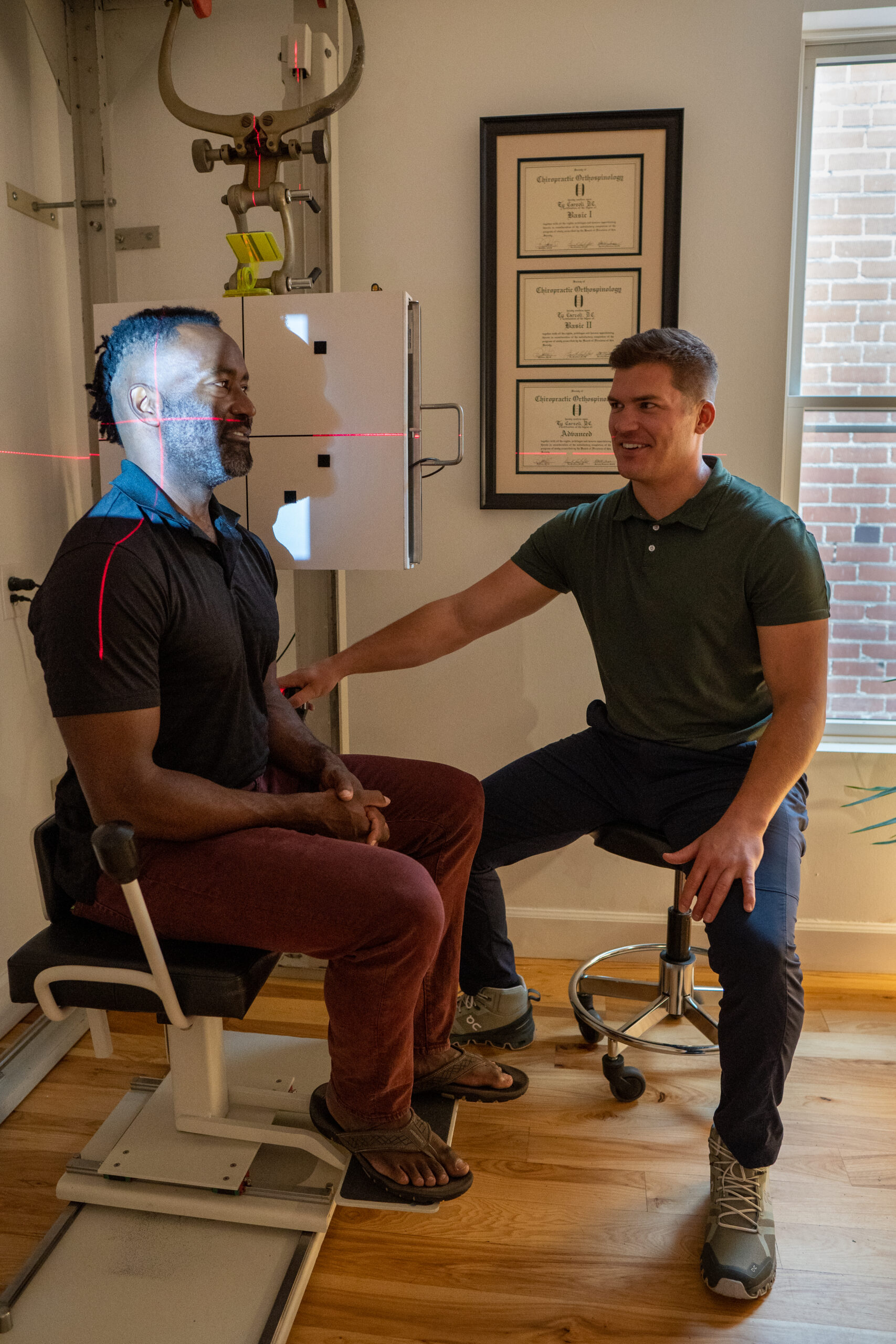
Upper cervical chiropractic is a specialized approach that focuses specifically on the atlas and axis.
Unlike generalized spinal manipulation, upper cervical chiropractors use detailed assessments to determine whether dysfunction is present before recommending treatment.
An evaluation may include:
- Comprehensive health history
- Physical examination
- Posture assessment
- Neurological screening when appropriate
- Digital X-rays or review of existing imaging if clinically indicated
- Functional movement evaluation
If upper cervical dysfunction is identified and chiropractic care is appropriate, gentle, individualized adjustments may be recommended. Many patients are surprised to learn that upper cervical adjustments are typically very precise and often involve minimal force without forceful twisting of the neck.
Potential Benefits of Upper Cervical Care
Treatment goals vary depending on the patient’s condition.
When appropriate, upper cervical chiropractic care may help support:
Improved Neck Mobility
Restoring joint movement may improve comfort during everyday activities.
Reduced Muscle Tension
Better spinal mechanics may decrease unnecessary strain on surrounding muscles.
Improved Postural Awareness
Many patients receive guidance on posture, workstation ergonomics, and movement habits to help reduce recurring stress on the cervical spine.
Conservative Neck Pain Management
Upper cervical chiropractic offers a non-surgical, drug-free option that may complement other treatments recommended by your healthcare providers.
Because outcomes vary, treatment recommendations should always be individualized.
When Should You See an Upper Cervical Chiropractor in Denver?
You may wish to schedule an evaluation if you experience:
- Neck pain lasting several weeks or longer
- Persistent stiffness
- Headaches associated with neck pain
- Dizziness that appears related to neck movement (after medical evaluation has ruled out more serious causes)
- Ongoing discomfort after a car accident
- Reduced neck mobility
- Recurring symptoms despite conservative self-care
You may wish to schedule an evaluation if you experience:
Supporting Your Neck Health
Professional care is often most effective when combined with healthy daily habits.
Consider:
- Maintaining good posture
- Keeping computer monitors at eye level
- Taking movement breaks every 30–60 minutes
- Strengthening your upper back and core muscles
- Sleeping with appropriate neck support
- Staying physically active
- Managing stress through relaxation techniques
These habits can help reduce everyday strain on the cervical spine.
Frequently Asked Questions
Can atlas and axis misalignment cause neck pain?
Neck pain has many potential causes, including muscle strain, arthritis, disc problems, injuries, and joint dysfunction. In some individuals, impaired movement of the upper cervical joints may contribute to chronic symptoms. A professional evaluation is needed to determine the cause.
Can neck problems cause dizziness?
Some people experience cervicogenic dizziness, in which dizziness is associated with neck pain or restricted cervical movement. However, dizziness has many possible causes, including conditions affecting the inner ear, nervous system, or cardiovascular system. Persistent or severe dizziness should always be evaluated by a healthcare professional.
Are upper cervical adjustments safe?
Upper cervical chiropractic techniques are generally designed to be gentle and precise. A qualified chiropractor should perform a thorough assessment before recommending treatment.
How is upper cervical chiropractic different from general chiropractic care?
Upper cervical chiropractors focus specifically on the atlas and axis using specialized examination methods and individualized adjustments rather than generalized spinal manipulation.
Find an Upper Cervical Chiropractor in Denver
If you’ve been living with chronic neck pain, recurring headaches, or dizziness associated with neck discomfort, identifying the underlying cause is an important first step. An experienced upper cervical chiropractor in Denver can evaluate your upper cervical spine, review your health history, and determine whether dysfunction involving the atlas and axis may be contributing to your symptoms.
Whether your symptoms developed after a car accident, a sports injury, years of desk work, or everyday wear and tear, a personalized evaluation can help you better understand your condition and explore appropriate conservative treatment options. Taking action early may improve your ability to manage symptoms, support healthier neck function, and maintain an active lifestyle in Denver.
© 2026 Denver Upper Cervical Chiropractic