

The Connection Between Neck Misalignment and Chronic Neck Pain: What Denver Residents Should Know
Exploring the Unique Causes of Headaches in Denver and How Chiropractic Care Provides Relief
Chronic neck pain is one of the most common musculoskeletal complaints among adults, affecting millions of people each year. Whether it develops after a car accident, years of poor posture, a sports injury, or everyday wear and tear, ongoing neck discomfort can make work, sleep, driving, and daily activities much more difficult.
If you’ve been searching for answers about why your neck pain keeps coming back, you may have come across the term neck misalignment or upper cervical misalignment. While not every case of chronic neck pain is caused by spinal alignment issues, dysfunction in the cervical spine can contribute to pain, reduced mobility, muscle tension, and headaches in some individuals. For many people in the Denver area, an evaluation by an upper cervical chiropractor can help determine whether problems involving the upper neck are playing a role in their symptoms.
In this guide, we’ll explain the relationship between neck alignment and chronic neck pain, common causes, symptoms to watch for, and when to consider visiting an upper cervical chiropractor in Denver.
What Is Neck Misalignment?
The cervical spine consists of seven vertebrae (C1 through C7) that support the head, protect the spinal cord, and allow you to move your neck in multiple directions.
The first two vertebrae—the atlas (C1) and axis (C2)—are known as the upper cervical spine. These joints are responsible for a significant portion of your neck’s movement and play an important role in supporting the head.
When chiropractors discuss neck misalignment, they are generally referring to changes in the position or movement of spinal joints that may affect normal biomechanics. Rather than assuming every neck pain condition is caused by a “bone out of place,” modern chiropractic evaluations focus on joint motion, posture, muscle balance, and overall spinal function.
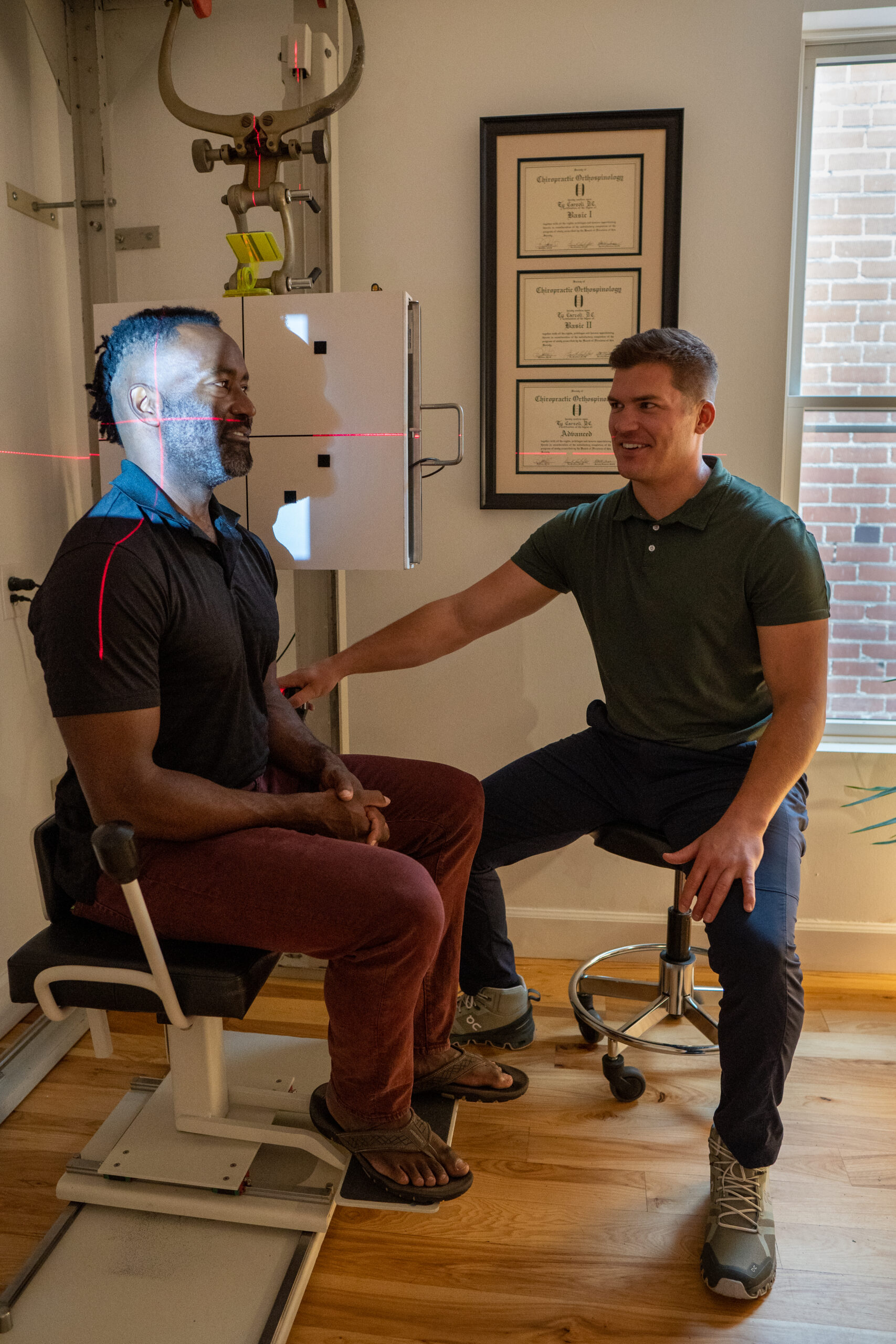
An upper cervical chiropractor performs a detailed assessment to determine whether dysfunction in this region may be contributing to a patient’s symptoms.

How Can Neck Dysfunction Contribute to Chronic Neck Pain?
Your head weighs approximately 10 to 12 pounds. The muscles, ligaments, discs, and joints in your neck work together to support that weight while allowing smooth movement.
When the joints of the cervical spine are not moving efficiently, nearby muscles may work harder to stabilize the head. Over time, this increased strain can contribute to:
- Muscle tightness
- Joint irritation
- Reduced range of motion
- Stiffness
- Chronic soreness
- Tension headaches
Rather than simply treating symptoms, upper cervical chiropractic focuses on identifying whether dysfunction in the upper neck may be contributing to these conditions.
Common Causes of Neck Misalignment and Chronic Neck Pain
1. Auto Accidents and Whiplash
Car accidents remain one of the leading causes of persistent neck pain.
Even low-speed collisions can place sudden forces on the neck, affecting muscles, ligaments, and joints. Some people recover quickly, while others continue experiencing discomfort for months or years.
Common symptoms include:
- Neck stiffness
- Reduced mobility
- Headaches
- Shoulder pain
- Muscle tightness
2. Poor Posture
Today’s digital lifestyle encourages prolonged sitting and forward-head posture.
Looking down at smartphones, working long hours on computers, or spending time on tablets can increase stress on the cervical spine.
Over time this may contribute to:
- Chronic neck pain
- Upper back tension
- Headaches
- Muscle fatigue
3. Sports and Recreational Injuries
Denver residents enjoy an active lifestyle.
Activities such as:
- Skiing
- Snowboarding
- Mountain biking
- Hiking
- Weightlifting
- Contact sports
can occasionally result in neck injuries that affect spinal movement.
4. Repetitive Work Activities
People who spend long hours driving, working at computers, performing dental procedures, construction work, or using repetitive overhead motions may develop chronic muscle strain around the neck.
5. Age-Related Changes
Natural aging may contribute to:
- Degenerative disc disease
- Osteoarthritis
- Facet joint irritation
- Reduced flexibility
These structural changes may influence cervical mobility and contribute to ongoing discomfort.
Symptoms That May Be Associated with Neck Dysfunction
Symptoms vary from person to person.
Some individuals experience:
- Chronic neck pain
- Limited range of motion
- Muscle tightness
- Pain between the shoulders
- Frequent tension headaches
- Headaches beginning at the base of the skull
- Pain after prolonged sitting
- Stiffness upon waking
- Shoulder discomfort
Some people may also experience radiating symptoms into the arm if nerves become irritated. Persistent numbness, weakness, or severe neurological symptoms should always be evaluated promptly by a medical professional.
How Upper Cervical Chiropractic Care May Help
Upper cervical chiropractic care aims to improve spinal function by restoring normal movement within the upper cervical joints when dysfunction is identified.
Depending on the individual patient, treatment goals may include:
Improving Neck Mobility
Gentle adjustments may help restore joint movement, making it easier to turn or tilt the head comfortably.
Reducing Muscle Tension
Improved spinal mechanics may reduce the workload placed on surrounding muscles, potentially decreasing tightness and stiffness.
Supporting Better Posture
When spinal function improves, patients often become more aware of posture and movement habits that support long-term neck health.
Helping Address Neck-Related Headaches
Some headaches originate from structures within the neck, known as cervicogenic headaches. If neck dysfunction contributes to these headaches, addressing the underlying mechanical issue may be part of a comprehensive treatment plan.
It’s important to remember that outcomes vary by individual, and chiropractic care is not a cure for every type of neck pain or headache.
What Happens During an Upper Cervical Evaluation?
A quality upper cervical chiropractor begins with a comprehensive assessment rather than immediately recommending treatment.
Your first visit may include:
- Review of your health history
- Discussion of current symptoms
- Previous injury evaluation
- Physical examination
- Posture analysis
- Neurological screening when appropriate
- Digital X-rays or review of existing imaging if clinically indicated
Based on these findings, your chiropractor determines whether upper cervical care is appropriate or whether referral to another healthcare provider is recommended.
When Should You See an Upper Cervical Chiropractor in Denver?
If your neck pain has persisted despite self-care, it may be time to seek a professional evaluation.
Consider scheduling an appointment if you have:
- Neck pain lasting more than several weeks
- Frequent tension headaches
- Reduced neck mobility
- Persistent stiffness
- Pain following a car accident
- Recurring headaches associated with neck pain
- Chronic shoulder tension
- Pain that repeatedly returns after temporary relief
Residents throughout the Denver metro area—including Cherry Creek, Highlands Ranch, Lakewood, Littleton, Centennial, Aurora, Arvada, Westminster, and Englewood—often seek upper cervical care as part of a conservative approach to managing ongoing neck-related symptoms.
Why the Upper Cervical Spine Matters
The upper cervical spine is unique because it provides much of the neck’s flexibility while supporting the head and protecting the brainstem.
Even relatively small changes in joint movement in this region may alter how muscles and surrounding structures function.
Upper cervical chiropractic care focuses specifically on evaluating this area using detailed examinations and, when clinically appropriate, diagnostic imaging. Rather than applying generalized adjustments, upper cervical techniques are designed to deliver precise, individualized corrections based on each patient’s anatomy.
Lifestyle Tips to Support a Healthy Neck
Whether you’re receiving chiropractic care or not, these habits may help support cervical spine health:
- Maintain good posture while working
- Adjust computer monitors to eye level
- Limit prolonged smartphone use
- Take movement breaks every 30–60 minutes
- Strengthen upper back and core muscles
- Sleep with appropriate neck support
- Stay physically active
- Practice stress management techniques
These strategies can complement professional care and help reduce everyday strain on the neck.
Frequently Asked Questions
Can neck misalignment cause chronic neck pain?
Neck pain can have many causes, including muscle strain, arthritis, injuries, and joint dysfunction. In some individuals, impaired movement or dysfunction within the cervical spine may contribute to chronic symptoms. A thorough evaluation is necessary to determine the underlying cause.
Is upper cervical chiropractic care safe?
Upper cervical chiropractic techniques are generally designed to be gentle and precise. Before recommending treatment, a qualified chiropractor should perform a detailed examination and determine whether this approach is appropriate for your specific condition.
How is upper cervical chiropractic different from traditional chiropractic care?
Upper cervical chiropractors focus specifically on the first two vertebrae of the neck using specialized assessment methods and targeted adjustments rather than generalized spinal manipulation.
When should I seek immediate medical care for neck pain?
Seek emergency medical attention if neck pain is accompanied by severe trauma, sudden weakness, difficulty speaking, loss of coordination, fever with neck stiffness, or loss of bladder or bowel control.
Find an Experienced Upper Cervical Chiropractor in Denver
Living with chronic neck pain doesn’t have to become your normal. If you’ve tried stretching, massage, medications, or other conservative treatments without lasting improvement, a comprehensive upper cervical evaluation may help determine whether dysfunction in your upper neck is contributing to your symptoms.
An experienced upper cervical chiropractor in Denver can assess your spinal function, discuss your health history, and create an individualized care plan based on your unique needs. Whether your discomfort began after a car accident, years of desk work, or an active Colorado lifestyle, early evaluation may help you better understand your condition and explore appropriate conservative treatment options.
Taking the first step toward a professional assessment can help you make informed decisions about your spinal health and work toward improved comfort, mobility, and quality of life.
© 2026 Denver Upper Cervical Chiropractic