

Upper Neck Misalignment: Symptoms and Treatment Options
Exploring the Unique Causes of Headaches in Denver and How Chiropractic Care Provides Relief
The upper neck plays a critical role in supporting your head, protecting your brainstem, and allowing smooth communication between your brain and the rest of your body. When the upper cervical spine becomes misaligned, it may contribute to neck pain, headaches, dizziness, and other musculoskeletal symptoms that affect your daily life.
Although upper neck misalignment is not always the cause of these conditions, evaluating the alignment of the upper cervical spine can be an important part of identifying the source of persistent discomfort. At Denver Upper Cervical, we specialize in assessing and correcting upper cervical misalignments using gentle, precise chiropractic techniques tailored to each patient.
In this guide, we’ll explain what an upper neck misalignment is, common symptoms, possible causes, treatment options, and when to seek professional care.
What Is an Upper Neck Misalignment?
The upper cervical spine consists of the first two vertebrae:
- Atlas (C1) – Supports the skull and allows the head to move up and down.
- Axis (C2) – Enables the head to rotate from side to side.
Together, these vertebrae provide stability while protecting the brainstem, an essential part of the central nervous system.
An upper neck misalignment refers to changes in the position or movement of these vertebrae that may alter spinal mechanics. While many people use the term “misalignment,” healthcare providers evaluate the cervical spine using physical examinations, posture assessments, and diagnostic imaging when appropriate.
Because this region contains numerous muscles, ligaments, joints, and nerves, even minor dysfunction may contribute to ongoing pain and restricted movement in some individuals.

Common Symptoms of Upper Neck Misalignment
Symptoms vary depending on the individual and the underlying cause. Some people experience only mild discomfort, while others notice symptoms that affect daily activities.
Common symptoms include:
- Chronic neck pain
- Neck stiffness
- Frequent headaches
- Migraines
- Pain at the base of the skull
- Limited range of motion
- Shoulder tension
- Muscle tightness
- Dizziness or balance problems
- Pain between the shoulder blades
- Tingling or numbness in the arms or hands
- Poor posture
Not everyone with these symptoms has an upper cervical issue, which is why a thorough evaluation is important.
What Causes Upper Neck Misalignment?
Several factors can affect the upper cervical spine.
Car Accidents and Whiplash
Whiplash is one of the most common causes of upper neck injuries. The sudden forward-and-backward motion of the head places significant stress on the muscles, ligaments, and joints of the neck.
Symptoms may not appear immediately and can develop over several days.
Poor Posture
Spending hours looking at computers, tablets, or smartphones places extra strain on the cervical spine.
Forward head posture increases pressure on the neck muscles and joints, potentially contributing to chronic discomfort over time.
Sports Injuries
Contact sports, cycling accidents, skiing, snowboarding, and falls can place excessive force on the upper cervical spine.
Colorado’s active lifestyle makes sports-related neck injuries relatively common.
Falls
Even minor falls can affect the alignment and function of the cervical spine.
Older adults may be particularly vulnerable due to decreased bone density and balance problems.
Repetitive Stress
Occupations involving repetitive lifting, prolonged sitting, or repeated neck movements may gradually contribute to neck dysfunction.
Age-Related Degeneration
As we age, natural changes occur within the discs and joints of the cervical spine.
Degenerative arthritis and disc changes can reduce mobility while increasing neck stiffness and discomfort.
How Upper Neck Dysfunction May Affect the Body
The upper cervical spine surrounds the brainstem, which serves as an important communication center between the brain and body.
When movement in this area becomes restricted, patients may experience:
- Muscle tension
- Reduced neck mobility
- Headaches
- Joint irritation
- Changes in posture
Current research continues to explore the relationship between upper cervical biomechanics and various musculoskeletal conditions.
How Is Upper Neck Misalignment Diagnosed?
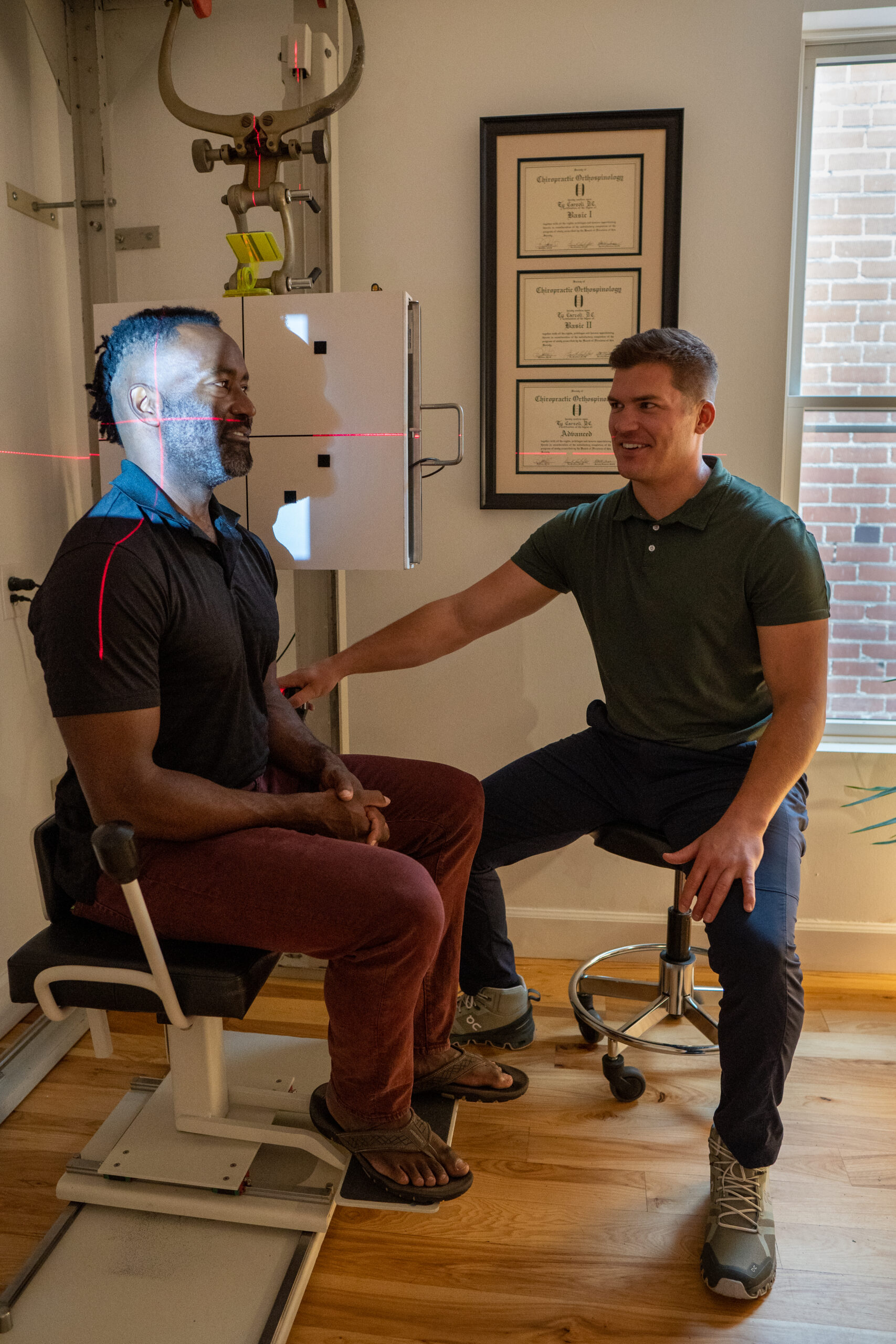
At Denver Upper Cervical, diagnosis begins with a comprehensive evaluation rather than relying on symptoms alone.
Your examination may include:
Medical History
Your chiropractor will ask about:
- Previous injuries
- Car accidents
- Current symptoms
- Medical history
- Lifestyle habits
Physical Examination
Your provider evaluates:
- Neck movement
- Muscle tension
- Joint mobility
- Posture
- Balance
- Neurological function
Diagnostic Imaging
When clinically appropriate, X-rays or other imaging studies may be recommended to evaluate spinal alignment and rule out fractures or other structural problems.
Treatment Options for Upper Neck Misalignment
Treatment depends on the underlying diagnosis and severity of symptoms.
Upper Cervical Chiropractic Care
Upper cervical chiropractic care focuses specifically on the atlas and axis.
Unlike traditional chiropractic adjustments, upper cervical techniques use gentle, highly precise corrections designed to improve spinal alignment without forceful twisting or cracking.
Treatment plans are customized after a detailed examination.
Potential benefits may include:
- Improved neck mobility
- Reduced muscle tension
- Better posture
- Improved spinal function
- Fewer tension-related headaches
- Greater comfort during daily activities
Individual results vary depending on each patient’s condition.
Physical Therapy
Physical therapy may help strengthen neck muscles, improve flexibility, and restore normal movement patterns.
Therapy often includes:
- Stretching
- Strengthening exercises
- Manual therapy
- Postural training
Lifestyle Changes
Simple daily habits can help reduce stress on the neck.
Helpful recommendations include:
- Improving workstation ergonomics
- Taking regular movement breaks
- Maintaining good posture
- Sleeping with proper pillow support
- Staying physically active
Pain Management
Depending on your diagnosis, healthcare providers may recommend:
- Anti-inflammatory medications
- Heat therapy
- Ice therapy
- Massage therapy
These approaches often help manage symptoms while addressing the underlying condition.
When Should You See a Chiropractor?
Schedule an evaluation if you experience:
- Neck pain lasting several weeks
- Recurring headaches
- Dizziness
- Limited neck mobility
- Pain after a car accident
- Persistent muscle tension
- Symptoms interfering with daily activities
Seek immediate emergency medical care if neck pain occurs after major trauma or is accompanied by weakness, difficulty walking, vision changes, loss of bowel or bladder control, or severe neurological symptoms.
Preventing Future Neck Problems
Healthy habits can help protect your cervical spine.
Maintain Good Posture
Keep your ears aligned over your shoulders while sitting and standing.
Stay Active
Regular exercise strengthens muscles that support the spine.
Stretch Regularly
Gentle stretching improves flexibility and reduces muscle tightness.
Lift Properly
Avoid lifting heavy objects with poor body mechanics.
Use Ergonomic Equipment
Adjust your desk, chair, and monitor to reduce strain on your neck.
Frequently Asked Questions
Can upper neck misalignment cause headaches?
Yes. Some headaches, particularly cervicogenic headaches and certain tension headaches, may be associated with dysfunction in the upper cervical spine.
Is upper cervical chiropractic care safe?
Upper cervical chiropractic care uses gentle, precise techniques based on a thorough examination. Your chiropractor will determine whether it is appropriate for your condition.
How long does recovery take?
Recovery varies depending on the underlying diagnosis, severity of symptoms, and individual health factors.
Can poor posture contribute to upper neck problems?
Yes. Forward head posture and prolonged sitting can increase stress on the upper cervical spine, muscles, and supporting ligaments over time.
Why Choose Denver Upper Cervical?
At Denver Upper Cervical, we are committed to helping patients throughout Denver, Colorado, find lasting relief through personalized upper cervical chiropractic care.
Our comprehensive evaluations focus on identifying the root cause of neck pain rather than simply treating symptoms. Using gentle, precise correction techniques and individualized care plans, we help patients improve spinal function while supporting long-term wellness.
Whether you’re dealing with headaches, chronic neck pain, dizziness, or lingering symptoms from an accident, our experienced team is here to help.
Schedule an Upper Cervical Evaluation in Denver
If you’re experiencing persistent neck pain, headaches, dizziness, or reduced mobility, don’t ignore the symptoms. Early evaluation may help identify the underlying cause and guide you toward effective treatment. At Denver Upper Cervical, we proudly serve patients throughout Denver, Colorado, with gentle, personalized upper cervical chiropractic care focused on restoring spinal function and improving overall well-being. Contact us today to schedule your consultation and take the first step toward lasting relief.
© 2026 Denver Upper Cervical Chiropractic