

Upper Cervical Chiropractor Near Me: What to Look for in Denver Exploring the Unique Causes of Headaches in Denver and How Chiropractic Care Provides Relief If you’ve been searching online for an “upper cervical chiropractor near me” in Denver, chances are you’re looking for more than temporary relief from neck pain or headaches. You want a provider who understands the unique structure of the upper neck, takes the time to identify the root cause of your symptoms, and offers a personalized treatment plan. Whether you’re dealing with chronic neck pain, migraines, dizziness, whiplash, or persistent tension headaches, choosing the right upper cervical chiropractor can make a significant difference in your healthcare journey. In this guide, we’ll explain what upper cervical chiropractic care is, what to look for when choosing a provider in Denver, and why many residents choose this specialized approach to spinal health. Understanding Chronic Headaches An upper cervical chiropractor is a chiropractor who focuses on the alignment and function of the upper cervical spine, specifically the first two vertebrae: Atlas (C1) Axis (C2) These vertebrae support the weight of your head while protecting the brainstem and allowing a wide range of motion. Unlike traditional chiropractic care that may involve adjustments throughout the entire spine, upper cervical chiropractic uses highly precise techniques to evaluate and adjust this specialized area when appropriate. Many upper cervical chiropractors use advanced imaging, posture analysis, neurological evaluations, and detailed measurements before recommending treatment. Why Are People Searching for an Upper Cervical Chiropractor Near Me? Many patients begin searching after experiencing symptoms that continue despite rest, medication, massage therapy, or general chiropractic care. Common reasons include: Chronic neck pain Frequent headaches Migraines Whiplash injuries Dizziness or vertigo Limited neck mobility Shoulder tension Postural problems Rather than simply treating symptoms, upper cervical chiropractic focuses on identifying whether dysfunction in the upper neck may be contributing to these conditions. Conditions Commonly Addressed with Upper Cervical Chiropractic Care Although each patient’s diagnosis is unique, people often seek upper cervical care for conditions including: Chronic Neck Pain Persistent stiffness, muscle tension, and reduced mobility may be associated with dysfunction in the upper cervical spine. Cervicogenic Headaches Headaches that originate from the neck often respond differently than headaches caused by other medical conditions. Migraines Some individuals with migraines seek upper cervical chiropractic as part of a broader care plan aimed at addressing associated neck dysfunction. While chiropractic care is not a cure for migraines, some patients report improvements in headache frequency or neck-related symptoms. Whiplash Even low-speed car accidents can affect the ligaments and joints of the upper neck. Persistent symptoms months after an accident may warrant further evaluation. Dizziness and Balance Problems Because the upper cervical spine plays a role in head positioning and movement, some patients with dizziness seek evaluation to determine whether neck dysfunction may be a contributing factor. Persistent stiffness, muscle tension, and reduced mobility may be associated with dysfunction in the upper cervical spine. Headaches that originate from the neck often respond differently than headaches caused by other medical conditions. Some individuals with migraines seek upper cervical chiropractic as part of a broader care plan aimed at addressing associated neck dysfunction. While chiropractic care is not a cure for migraines, some patients report improvements in headache frequency or neck-related symptoms. Even low-speed car accidents can affect the ligaments and joints of the upper neck. Persistent symptoms months after an accident may warrant further evaluation. Because the upper cervical spine plays a role in head positioning and movement, some patients with dizziness seek evaluation to determine whether neck dysfunction may be a contributing factor. Why Choose an Upper Cervical Chiropractor in Denver? Denver residents lead active lifestyles. Whether you’re hiking in the Rocky Mountains, skiing during the winter, cycling around the city, or spending long hours at a desk, your neck experiences daily stress. Common causes of neck dysfunction seen among Denver patients include: Auto accidents Sports injuries Ski and snowboarding falls Mountain biking accidents Poor office ergonomics Long commutes Repetitive workplace movements Choosing a local upper cervical chiropractor means working with a provider familiar with the lifestyle factors that commonly affect people living in the Denver metro area. What Should You Look for in an Upper Cervical Chiropractor? Not every chiropractic office provides specialized upper cervical care. Here are several important factors to consider before scheduling your first appointment. 1. Specialized Upper Cervical Training Look for a chiropractor who has completed additional education in upper cervical techniques rather than offering only general chiropractic adjustments. Ask questions such as: What upper cervical technique do you use? How long have you been practicing this approach? Do you regularly treat patients with neck pain and headaches? Experience matters when treating this highly specialized area of the spine. 2. Comprehensive Initial Examination Quality upper cervical care begins with a thorough evaluation. Your first visit should typically include: Complete health history Review of previous injuries Physical examination Posture assessment Neurological screening when appropriate Discussion of your symptoms and health goals Avoid clinics that recommend treatment without first conducting a detailed assessment. 3. Advanced Imaging When Clinically Appropriate Upper cervical chiropractors often rely on imaging to evaluate spinal alignment and anatomy before making adjustments. Depending on your condition, your chiropractor may recommend: Digital X-rays Existing MRI review Other diagnostic imaging when medically indicated Detailed imaging allows adjustments to be customized to your individual anatomy. 4. Gentle, Precise Adjustments Many people are surprised to learn that upper cervical adjustments are generally very gentle. Unlike the twisting or forceful movements commonly associated with chiropractic care, upper cervical adjustments often involve small, carefully controlled corrections based on detailed measurements. Many patients report that the procedure is comfortable and relaxing. 5. Individualized Treatment Plans Every patient’s spine is different. Your chiropractor should create a treatment plan based on: Your symptoms Medical history Examination findings Imaging results Recovery goals Avoid providers who recommend identical treatment schedules for every patient. Look for a chiropractor who has completed additional education in upper cervical techniques rather than offering
How Upper Cervical Chiropractic Care Can Help Relieve Chronic Headaches
How Upper Cervical Chiropractic Care Can Help Relieve Chronic Headaches Exploring the Unique Causes of Headaches in Denver and How Chiropractic Care Provides Relief Headaches are among the most common health complaints worldwide, affecting people of all ages. While occasional headaches are usually temporary and manageable, chronic headaches can interfere with work, family life, sleep, and overall well-being. For individuals who experience headaches several times a month—or even daily—finding lasting relief often becomes a priority. Many people rely on pain medications to manage symptoms, but these treatments may only provide temporary relief without addressing underlying mechanical issues that may contribute to recurring headaches. For some individuals, upper cervical chiropractic care offers a conservative, drug-free approach that focuses on the alignment and function of the upper neck. This article explores the relationship between the upper cervical spine and chronic headaches, how upper cervical chiropractic care works, and when it may be appropriate to consider this type of treatment. Understanding Chronic Headaches A headache is generally considered chronic when it occurs on 15 or more days per month for at least three months. Chronic headaches can vary in intensity, duration, and underlying causes. Some of the most common types include: Tension Headaches Tension headaches are the most frequently reported type of headache. They often produce: A dull, aching sensation Pressure around the forehead Tightness in the scalp or neck muscles Chronic stiffness Shoulder stiffness These headaches are commonly associated with stress, muscle tension, poor posture, or prolonged sitting. Cervicogenic Headaches Unlike primary headaches, cervicogenic headaches originate from problems within the cervical spine (neck). Symptoms often include: Pain that begins at the base of the skull Neck stiffness Pain on one side of the head Reduced neck mobility Headaches triggered by neck movement Because these headaches arise from neck dysfunction, addressing the underlying mechanical issue may help reduce symptoms. Migraine Headaches Migraines are neurological headaches that may involve: Moderate to severe throbbing pain Sensitivity to light and sound Nausea Visual disturbances (aura) Dizziness While chiropractic care is not a cure for migraines, some patients report improvements in headache frequency or associated neck discomfort as part of a comprehensive treatment plan. Tension headaches are the most frequently reported type of headache. They often produce: A dull, aching sensation Pressure around the forehead Tightness in the scalp or neck muscles Chronic stiffness Shoulder stiffness These headaches are commonly associated with stress, muscle tension, poor posture, or prolonged sitting. Unlike primary headaches, cervicogenic headaches originate from problems within the cervical spine (neck). Symptoms often include: Pain that begins at the base of the skull Neck stiffness Pain on one side of the head Reduced neck mobility Headaches triggered by neck movement Because these headaches arise from neck dysfunction, addressing the underlying mechanical issue may help reduce symptoms. Migraines are neurological headaches that may involve: Moderate to severe throbbing pain Sensitivity to light and sound Nausea Visual disturbances (aura) Dizziness While chiropractic care is not a cure for migraines, some patients report improvements in headache frequency or associated neck discomfort as part of a comprehensive treatment plan. The Role of the Upper Cervical Spine The upper cervical spine consists of the first two vertebrae: Atlas (C1) Axis (C2) These vertebrae support the weight of the head while allowing a wide range of motion. They also protect the brainstem, an area responsible for many essential neurological functions. Because the upper cervical spine is highly mobile and structurally unique, even subtle dysfunction in this region may influence muscle tension, joint mechanics, and normal movement patterns. For some people, this dysfunction may contribute to headaches that originate in the neck. Common Causes of Upper Cervical Dysfunction Several factors can affect the alignment and movement of the upper cervical spine, including: Auto Accidents Whiplash injuries can place significant stress on the ligaments, muscles, and joints of the upper neck. Even relatively minor collisions may lead to lingering neck pain and recurring headaches. Falls A slip, fall, or sports injury can alter normal spinal mechanics, even if symptoms do not appear immediately. Poor Posture Hours spent using computers, smartphones, or tablets often encourage a forward head posture. Over time, this posture increases strain on the upper cervical spine and surrounding muscles. Repetitive Stress Jobs requiring prolonged sitting, repetitive neck movement, or awkward positions may contribute to chronic neck tension and headache development. Whiplash injuries can place significant stress on the ligaments, muscles, and joints of the upper neck. Even relatively minor collisions may lead to lingering neck pain and recurring headaches. A slip, fall, or sports injury can alter normal spinal mechanics, even if symptoms do not appear immediately. Hours spent using computers, smartphones, or tablets often encourage a forward head posture. Over time, this posture increases strain on the upper cervical spine and surrounding muscles. Jobs requiring prolonged sitting, repetitive neck movement, or awkward positions may contribute to chronic neck tension and headache development. How Upper Cervical Chiropractic Care Works Upper cervical chiropractic is a specialized form of chiropractic care that focuses specifically on the alignment and function of the upper neck. Unlike traditional chiropractic techniques that may involve multiple areas of the spine, upper cervical care targets the atlas and axis using gentle, precise adjustments tailored to each patient’s anatomy. Many upper cervical chiropractors use advanced imaging, posture analysis, and detailed physical examinations to determine whether upper cervical dysfunction may be contributing to a patient’s symptoms. Treatment is individualized rather than based on a one-size-fits-all approach. Potential Benefits for Chronic Headache Sufferers While results vary from person to person, some individuals report improvements in headache symptoms after receiving upper cervical chiropractic care. Potential benefits may include: Reduced Neck Tension Improving joint mechanics in the upper cervical spine may help decrease muscle tightness that contributes to tension headaches. Improved Range of Motion Patients often experience increased neck mobility, making everyday movements more comfortable. Better Postural Balance Correcting postural imbalances may reduce ongoing stress placed on the cervical spine. Fewer Headache Triggers For headaches associated with neck dysfunction, addressing underlying mechanical

Chronic Neck Pain: Common Causes and When to See an Upper Cervical Chiropractor
Chronic Neck Pain: Common Causes and When to See an Upper Cervical Chiropractor Exploring the Unique Causes of Headaches in Denver and How Chiropractic Care Provides Relief Neck pain is one of the most common musculoskeletal complaints among adults. Whether it develops gradually from years of poor posture or appears suddenly after an accident, chronic neck pain can interfere with nearly every aspect of daily life. It may make it difficult to work, sleep, exercise, or even perform simple tasks like driving or looking over your shoulder. While many people rely on pain medications or temporary treatments to manage symptoms, these approaches often fail to address the underlying cause. For individuals experiencing ongoing discomfort, an evaluation by an upper cervical chiropractor may provide another conservative treatment option focused on spinal alignment and nervous system function. In this article, we’ll explore the most common causes of chronic neck pain, warning signs that shouldn’t be ignored, and when it may be appropriate to consult an upper cervical chiropractor. What Is Chronic Neck Pain? Neck pain is generally considered chronic when it lasts for more than 12 weeks, even after the initial injury or irritation has healed. Unlike acute neck pain, which usually resolves within a few days or weeks, chronic pain often fluctuates in intensity and may become a recurring problem. Symptoms can include: Persistent stiffness Reduced range of motion Frequent headaches Muscle tightness or spasms Tingling or numbness in the arms or hands Pain that worsens after sitting or working at a computer Because the neck supports the weight of the head while protecting the upper portion of the spinal cord, even small mechanical problems can have a significant impact on comfort and mobility. Common Causes of Chronic Neck Pain 1. Poor Posture Modern lifestyles often involve hours spent looking at computers, tablets, and smartphones. This forward-head posture places additional stress on the cervical spine and surrounding muscles. Over time, poor posture can lead to: Muscle fatigue Joint irritation Ligament strain Chronic stiffness Headaches Improving workstation ergonomics and taking regular movement breaks can help reduce this strain. 2. Whiplash and Auto Accidents Even low-speed vehicle collisions can cause injuries to the muscles, ligaments, and joints of the neck. Some people recover quickly, while others continue experiencing symptoms for months or even years, including: Neck pain Dizziness Headaches Reduced mobility Shoulder pain An unresolved injury may alter the normal mechanics of the upper cervical spine. 3. Degenerative Changes As we age, the discs and joints of the cervical spine naturally undergo wear and tear. Common age-related conditions include: Cervical osteoarthritis Degenerative disc disease Bone spurs Facet joint degeneration These changes can contribute to chronic pain, stiffness, and nerve irritation. 4. Stress and Muscle Tension Emotional stress frequently manifests as physical tension, particularly in the neck and shoulders.People under chronic stress may unknowingly tighten their muscles throughout the day, leading to: Muscle knots Limited movement Tension headaches Ongoing soreness Addressing both physical and lifestyle factors often produces better long-term outcomes. 5. Repetitive Activities Jobs or hobbies involving repetitive neck movements can overload the muscles and joints over time. Examples include: Office work Construction Hair styling Dentistry Driving Assembly line work Without proper recovery, repetitive strain can eventually become chronic. 6. Herniated Discs or Pinched Nerves The cervical discs act as cushions between the vertebrae. When a disc bulges or herniates, it can compress nearby nerves. Symptoms may include: Sharp neck pain Pain radiating into the arm Tingling Numbness Muscle weakness These symptoms should always be evaluated by a healthcare professional. Modern lifestyles often involve hours spent looking at computers, tablets, and smartphones. This forward-head posture places additional stress on the cervical spine and surrounding muscles. Over time, poor posture can lead to: Muscle fatigue Joint irritation Ligament strain Chronic stiffness Headaches Improving workstation ergonomics and taking regular movement breaks can help reduce this strain. Even low-speed vehicle collisions can cause injuries to the muscles, ligaments, and joints of the neck. Some people recover quickly, while others continue experiencing symptoms for months or even years, including: Neck pain Dizziness Headaches Reduced mobility Shoulder pain An unresolved injury may alter the normal mechanics of the upper cervical spine. As we age, the discs and joints of the cervical spine naturally undergo wear and tear. Common age-related conditions include: Cervical osteoarthritis Degenerative disc disease Bone spurs Facet joint degeneration These changes can contribute to chronic pain, stiffness, and nerve irritation. Emotional stress frequently manifests as physical tension, particularly in the neck and shoulders.People under chronic stress may unknowingly tighten their muscles throughout the day, leading to: Muscle knots Limited movement Tension headaches Ongoing soreness Addressing both physical and lifestyle factors often produces better long-term outcomes. Jobs or hobbies involving repetitive neck movements can overload the muscles and joints over time. Examples include: Office work Construction Hair styling Dentistry Driving Assembly line work Without proper recovery, repetitive strain can eventually become chronic. The cervical discs act as cushions between the vertebrae. When a disc bulges or herniates, it can compress nearby nerves. Symptoms may include: Sharp neck pain Pain radiating into the arm Tingling Numbness Muscle weakness These symptoms should always be evaluated by a healthcare professional. How the Upper Cervical Spine Influences Neck Pain The upper cervical spine consists primarily of the first two vertebrae—the atlas (C1) and axis (C2). These vertebrae support the head while allowing a wide range of movement. Upper cervical chiropractic focuses specifically on this region using precise, gentle adjustments designed to improve spinal alignment without forceful twisting or cracking. Many practitioners use detailed imaging and individualized assessments to determine whether upper cervical dysfunction may be contributing to a patient’s symptoms. This approach aims to restore proper joint mechanics and reduce stress on surrounding muscles and nerves rather than simply masking pain. Treatment plans are typically customized after a comprehensive evaluation that may include physical, neurological, and imaging assessments. When Should You See an Upper Cervical Chiropractor? While occasional neck stiffness often resolves with rest and self-care, certain situations may warrant

How Chiropractic Care May Help Reduce Headaches in Colorado
How Chiropractic Care May Help Reduce Headaches in Colorado Exploring the Unique Causes of Headaches in Denver and How Chiropractic Care Provides Relief Headaches are one of the most common health complaints among adults, affecting work performance, family life, and overall well-being. While headaches can occur anywhere, many Colorado residents face unique environmental factors that may contribute to recurring head pain. From Denver’s high altitude and dry climate to seasonal allergies and sudden weather changes, Coloradans often experience triggers that can increase the frequency and intensity of headaches. Many people rely on over-the-counter medications for temporary relief. However, medication often addresses symptoms rather than underlying causes. For individuals seeking a drug-free approach, chiropractic care may offer a natural way to help reduce headache frequency and improve overall spinal health. Why Are Headaches So Common in Colorado? Colorado’s environment creates several conditions that may contribute to headaches. High Altitude Denver is known as the Mile High City because it sits more than 5,000 feet above sea level. At higher elevations, oxygen levels are lower, forcing the body to adapt. This adjustment can sometimes trigger headaches, particularly for newcomers or during periods of physical exertion. Dehydration Colorado’s dry climate can increase the risk of dehydration. Even mild dehydration may contribute to headaches, fatigue, and difficulty concentrating. Many residents underestimate how much water their bodies need, especially during outdoor activities. Weather and Barometric Pressure Changes Colorado weather can change rapidly. Fluctuations in barometric pressure may affect sensitive individuals and contribute to headache symptoms. Many migraine sufferers report worsening symptoms before storms or sudden weather shifts. Stress and Lifestyle Factors Busy schedules, poor posture, insufficient sleep, and prolonged screen time can all contribute to tension headaches. Modern lifestyles often place significant strain on the neck and upper back, creating muscular tension that may lead to recurring head pain. Denver is known as the Mile High City because it sits more than 5,000 feet above sea level. At higher elevations, oxygen levels are lower, forcing the body to adapt. This adjustment can sometimes trigger headaches, particularly for newcomers or during periods of physical exertion. Colorado’s dry climate can increase the risk of dehydration. Even mild dehydration may contribute to headaches, fatigue, and difficulty concentrating. Many residents underestimate how much water their bodies need, especially during outdoor activities. Colorado weather can change rapidly. Fluctuations in barometric pressure may affect sensitive individuals and contribute to headache symptoms. Many migraine sufferers report worsening symptoms before storms or sudden weather shifts. Busy schedules, poor posture, insufficient sleep, and prolonged screen time can all contribute to tension headaches. Modern lifestyles often place significant strain on the neck and upper back, creating muscular tension that may lead to recurring head pain. Understanding the Connection Between the Neck and Headaches Many headaches originate from structures in the neck. These are often referred to as cervicogenic headaches, meaning the pain begins in the cervical spine but is felt in the head. Individuals experiencing these headaches frequently report neck stiffness, reduced range of motion, and pain that radiates from the base of the skull toward the forehead or temples. The upper cervical spine consists of the top two vertebrae, known as the atlas (C1) and axis (C2). These vertebrae play a critical role in supporting the head and protecting the brainstem. Because of their unique structure and mobility, even small misalignments may contribute to muscle tension, altered biomechanics, and irritation of sensitive structures in the neck. Research and clinical observations suggest that dysfunction in the upper neck can influence headache symptoms through muscle tension, nerve irritation, and altered movement patterns. This connection is one reason many headache sufferers seek chiropractic evaluation. How Chiropractic Care May Help Chiropractic care focuses on improving spinal alignment and restoring proper function to the musculoskeletal and nervous systems. Addressing Spinal Misalignments Chiropractors assess the spine for areas of restricted movement or misalignment that may contribute to pain and dysfunction. By improving spinal mechanics, chiropractic adjustments may help reduce tension and irritation that contribute to headaches. Reducing Muscle Tension Tight muscles in the neck, shoulders, and upper back are common contributors to tension headaches. Chiropractic care often includes techniques designed to improve mobility and decrease muscular stress. When tension is reduced, headache symptoms may become less frequent and less severe. Improving Posture Poor posture is a major factor in many chronic headaches. Hours spent looking down at phones, working on computers, or sitting improperly can place excessive strain on the cervical spine. Chiropractors frequently provide postural guidance and corrective exercises to help patients reduce these stresses. Supporting Nervous System Function The spine protects the nervous system, which controls communication throughout the body. Proper spinal alignment may help optimize nervous system function and reduce mechanical stress that contributes to headache symptoms. The Role of Upper Cervical Chiropractic Care Upper cervical chiropractic care is a specialized approach that focuses specifically on the alignment of the atlas and axis vertebrae. Unlike traditional full-spine adjustments, upper cervical techniques use detailed analysis and precise corrections tailored to the individual patient. At Denver Upper Cervical Chiropractic, advanced imaging and comprehensive evaluations are used to identify potential issues within the upper cervical spine. This precise approach allows care plans to be customized according to each patient’s unique spinal structure and health goals. Many patients seek upper cervical care when headaches are accompanied by neck discomfort, poor posture, dizziness, or a history of head and neck injuries. While results vary between individuals, addressing upper cervical alignment may be an important component of a comprehensive headache management strategy. Additional Lifestyle Strategies for Headache Prevention Chiropractic care is often most effective when combined with healthy lifestyle habits. Consider the following strategies: Stay hydrated throughout the day. Maintain good posture while working and using electronic devices. Exercise regularly to improve circulation and reduce stress. Prioritize consistent sleep habits. Identify and avoid personal headache triggers. Practice stress-management techniques such as meditation, stretching, or yoga. These simple habits can help support long-term headache prevention and overall wellness. When to Seek Professional Help

Upper Neck Misalignment: Symptoms and Treatment Options
Upper Neck Misalignment: Symptoms and Treatment Options Exploring the Unique Causes of Headaches in Denver and How Chiropractic Care Provides Relief Upper neck misalignment refers to dysfunction or improper alignment of the top two vertebrae in the cervical spine—the atlas (C1) and axis (C2). This area is critical because it supports the weight of the head and protects key neurological pathways connected to balance, posture, and overall nervous system function. When the upper cervical spine is not properly aligned, it can lead to a wide range of symptoms that extend beyond simple neck discomfort. Many individuals, including those in Denver and surrounding areas, seek care only after symptoms become persistent or begin affecting daily life. Understanding the signs and treatment options for upper neck misalignment can help prevent long-term complications and improve overall well-being. What Is Upper Neck Misalignment? Upper neck misalignment occurs when the atlas or axis shifts from its normal position. Even small deviations in this region can affect muscle balance, nerve function, and spinal stability. This condition may develop gradually due to poor posture or degenerative changes, or suddenly after trauma such as a car accident or sports injury. Because the upper cervical spine is closely connected to the brainstem and nervous system, misalignment can create symptoms throughout the body—not just in the neck. Common Symptoms of Upper Neck Misalignment 1. Persistent Neck Pain and Stiffness One of the most common symptoms is ongoing neck pain that does not fully resolve with rest, stretching, or general treatment. The pain may feel deep, tight, or constantly recurring, especially after long periods of sitting or physical activity. Some individuals also notice reduced range of motion or difficulty turning the head comfortably. 2. Headaches and Migraines Headaches that originate at the base of the skull are often linked to upper cervical dysfunction. These headaches may: Start in the neck and radiate upward Be frequent or chronic Increase with posture strain or stress Migraines may also become more intense or frequent when upper neck alignment is disrupted. 3. Dizziness and Balance Issues The upper cervical spine plays an important role in balance and spatial orientation. When misaligned, it may interfere with how the brain processes signals from the body. This can result in: Lightheadedness Vertigo-like sensations Difficulty maintaining balance while walking Feeling “off” or unsteady 4. Shoulder and Upper Back Tension Upper neck misalignment often causes compensatory muscle tension in surrounding areas. The shoulders and upper back may become tight or sore as the body attempts to stabilize the head. Over time, this can lead to chronic muscle fatigue and discomfort. 5. Neurological Symptoms Because the upper cervical spine is closely connected to the nervous system, misalignment may contribute to neurological symptoms such as: Tingling or numbness in the arms or hands Difficulty concentrating or “brain fog” Fatigue that is not explained by other conditions These symptoms vary depending on severity and individual health factors. 6. Postural Changes Visible posture changes are another common indicator. These may include: Head tilting slightly to one side Uneven shoulders Forward head posture Asymmetrical muscle development These changes often develop gradually and may go unnoticed at first. One of the most common symptoms is ongoing neck pain that does not fully resolve with rest, stretching, or general treatment. The pain may feel deep, tight, or constantly recurring, especially after long periods of sitting or physical activity. Some individuals also notice reduced range of motion or difficulty turning the head comfortably. Headaches that originate at the base of the skull are often linked to upper cervical dysfunction. These headaches may: Start in the neck and radiate upward Be frequent or chronic Increase with posture strain or stress Migraines may also become more intense or frequent when upper neck alignment is disrupted. The upper cervical spine plays an important role in balance and spatial orientation. When misaligned, it may interfere with how the brain processes signals from the body. This can result in: Lightheadedness Vertigo-like sensations Difficulty maintaining balance while walking Feeling “off” or unsteady Upper neck misalignment often causes compensatory muscle tension in surrounding areas. The shoulders and upper back may become tight or sore as the body attempts to stabilize the head. Over time, this can lead to chronic muscle fatigue and discomfort. Because the upper cervical spine is closely connected to the nervous system, misalignment may contribute to neurological symptoms such as: Tingling or numbness in the arms or hands Difficulty concentrating or “brain fog” Fatigue that is not explained by other conditions These symptoms vary depending on severity and individual health factors. Visible posture changes are another common indicator. These may include: Head tilting slightly to one side Uneven shoulders Forward head posture Asymmetrical muscle development These changes often develop gradually and may go unnoticed at first. Causes of Upper Neck Misalignment Several factors can contribute to upper cervical misalignment, including: Whiplash injuries from car accidents Sports-related trauma Falls or sudden impacts Poor posture (“tech neck”) Prolonged sitting or screen use Degenerative changes in the cervical spine Repetitive strain or muscle imbalance In many cases, the condition develops from a combination of these factors rather than a single cause. Treatment Options for Upper Neck Misalignment 1. Upper Cervical Chiropractic Care Upper cervical chiropractic care is a specialized approach focused specifically on correcting misalignment in the atlas and axis. Treatment typically involves: Precise analysis of spinal alignment Gentle, targeted adjustments Avoidance of forceful twisting or cracking techniques Follow-up imaging or assessments to monitor progress The goal is to restore proper alignment so the body can heal and function more efficiently. 2. Physical Therapy and Rehabilitation Physical therapy can help strengthen supporting muscles and improve posture after alignment correction. A therapist may recommend: Neck stabilization exercises Postural training Mobility and flexibility work Shoulder and upper back strengthening This helps maintain long-term spinal stability. 3. Soft Tissue Therapy Massage therapy and myofascial release techniques can help reduce muscle tension caused by misalignment. While not a standalone cure, it can support recovery by improving circulation and
Chronic Neck Pain Treatment Options: A Guide for Long-Term Relief
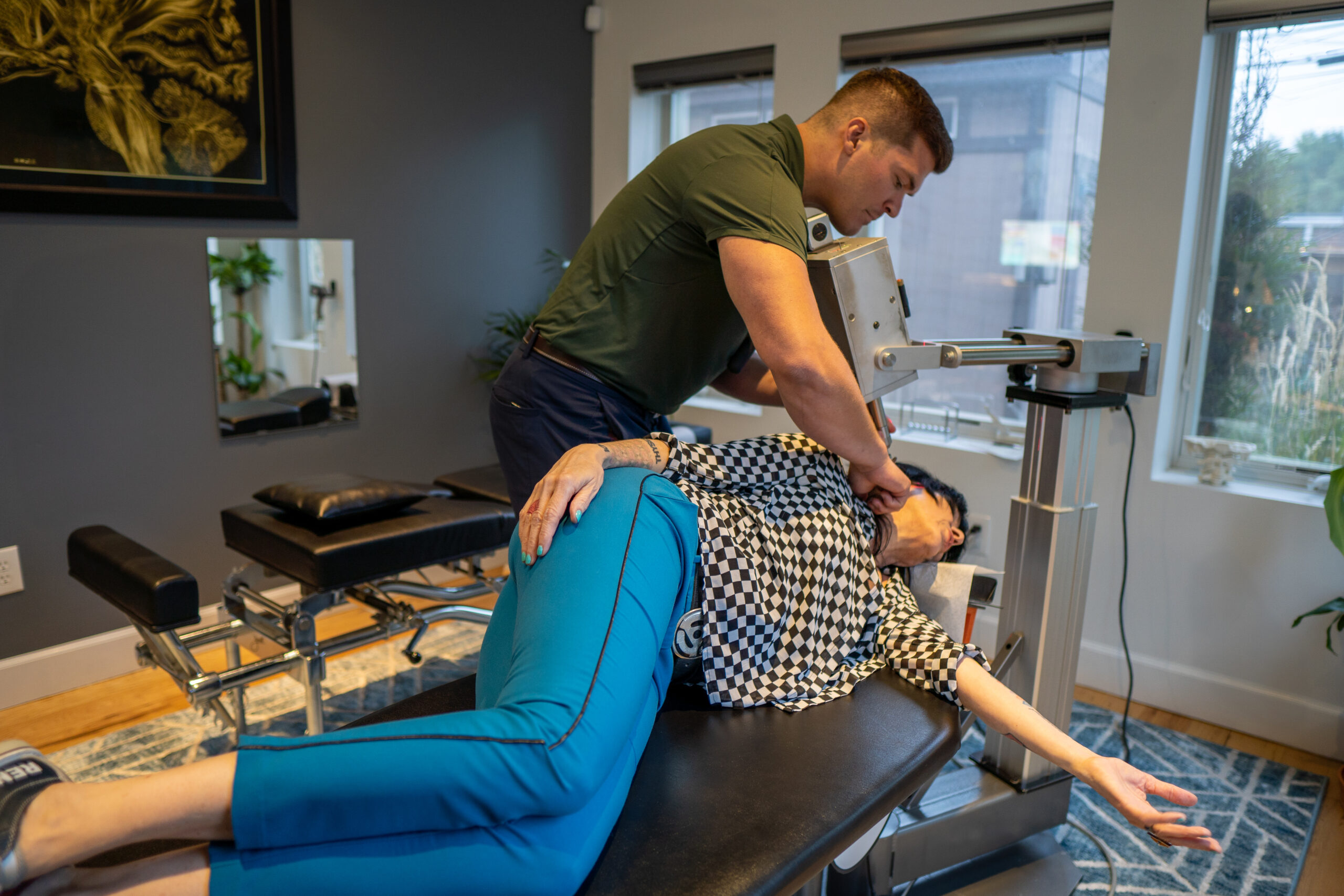
Chronic Neck Pain Treatment Options: A Guide for Long-Term Relief Exploring the Unique Causes of Headaches in Denver and How Chiropractic Care Provides Relief Chronic neck pain is a widespread condition affecting people of all ages, especially those with sedentary work routines, past injuries, or postural imbalances. When neck pain lasts longer than three months, it is no longer considered acute and often requires a more structured, long-term treatment approach. For individuals in Denver and other active metropolitan areas, chronic neck pain can interfere with work performance, sleep quality, and daily movement. The good news is that several effective treatment options are available to help reduce pain, improve mobility, and address the root cause rather than just masking symptoms. This guide explores the most common and effective chronic neck pain treatment options for long-term relief. 1. Physical Therapy and Targeted Exercise Physical therapy is one of the most widely recommended treatments for chronic neck pain. A trained physical therapist designs a personalized program that focuses on improving strength, flexibility, and posture. Common techniques include: Neck and upper back strengthening exercises Stretching tight muscles in the shoulders and cervical spine Postural correction training Mobility drills to restore range of motion Over time, consistent physical therapy can help reduce stiffness, improve alignment, and prevent recurring flare-ups. 2. Posture Correction and Ergonomic Improvements Poor posture is one of the leading contributors to chronic neck pain, especially in office workers and individuals who spend long hours on digital devices. Improving ergonomics can significantly reduce strain on the cervical spine. Key adjustments include: Keeping computer screens at eye level Using chairs with proper neck and lumbar support Avoiding forward head posture (“tech neck”) Taking regular breaks from sitting or screen use In cities like Denver, where remote work and tech jobs are common, ergonomic correction is often a foundational step in long-term recovery. 3. Chiropractic Care and Spinal Adjustments Chiropractic care focuses on restoring proper alignment of the spine, which can help reduce tension and improve nervous system function. For chronic neck pain, chiropractic treatment may include: Manual spinal adjustments Soft tissue therapy Joint mobilization techniques Many patients report improved mobility and reduced pain after consistent care. However, results may vary depending on the underlying cause of the condition. 4. Upper Cervical Chiropractic Care Upper cervical chiropractic care is a specialized approach that focuses on the atlas (C1) and axis (C2) vertebrae at the top of the spine. Misalignment in this region can sometimes contribute to: Persistent neck pain Headaches and migraines Dizziness or balance issues Reduced neurological function Upper cervical care uses precise, gentle correction techniques aimed at restoring alignment without forceful manipulation. In some chronic cases, especially those involving past trauma or whiplash injuries, this approach may provide long-term relief when other methods have not been effective. 5. Massage Therapy and Soft Tissue Work Massage therapy can help relieve muscle tension that contributes to chronic neck pain. It is especially effective when combined with other treatments like physical therapy or chiropractic care. Benefits may include: Reduced muscle tightness Improved blood circulation Decreased stress levels Temporary pain relief Techniques such as deep tissue massage or trigger point therapy are commonly used for chronic neck conditions. 6. Anti-Inflammatory Medications and Pain Management Over-the-counter medications such as anti-inflammatory drugs may help manage symptoms during flare-ups. These can reduce swelling and temporarily ease pain. However, medication alone does not address the root cause of chronic neck pain and is typically recommended as a short-term supportive measure rather than a long-term solution. Always consult a healthcare professional before prolonged use of pain medications. 7. Lifestyle Changes and Stress Management Chronic stress is often overlooked as a contributing factor to neck pain. When stress levels are high, muscles in the neck and shoulders tend to remain tense for long periods. Helpful lifestyle changes include: Regular physical activity (walking, yoga, or swimming) Improving sleep posture and pillow support Stress reduction techniques such as meditation or breathing exercises Staying hydrated and maintaining a healthy diet In a fast-paced city like Denver, where work-life balance can be challenging, stress management plays an important role in long-term recovery. 8. Treatment After Injury or Whiplash If chronic neck pain began after a car accident, sports injury, or fall, specialized treatment may be necessary. Injuries such as whiplash can cause lingering damage to muscles, ligaments, and spinal alignment. Treatment may include: Soft tissue therapy Neurological assessment if symptoms persist Rehabilitation exercises Gentle chiropractic care Upper cervical evaluation Early intervention often leads to better long-term outcomes. When to Seek Professional Help You should seek medical or chiropractic evaluation if: Neck pain lasts longer than 2–3 months Pain worsens over time instead of improving You experience numbness or tingling in the arms Headaches or dizziness accompany neck pain Daily activities are affected Delaying treatment can sometimes allow the condition to progress and become more difficult to manage. Final Thoughts Chronic neck pain is a complex condition that rarely improves with a single solution. The most effective treatment plans often combine multiple approaches, including physical therapy, posture correction, chiropractic care, and lifestyle changes. For individuals in Denver dealing with long-term neck pain, early evaluation and a personalized treatment plan can make a significant difference in recovery outcomes. By addressing both symptoms and underlying causes, it is possible to achieve lasting relief and improved quality of life. PrevPrevious5 Signs You May Benefit from Upper Cervical Chiropractic Care Realign the Vertebrae: How Precision Chiropractic Care in Denver Can Transform Your… -03/02/2026Read More » Pain Reduction in Denver: How Targeted Care Can Help You Live Better -03/02/2026Read More » Car Accident: Understanding Injury, Recovery, and Chiropractic Care for Lasting Healing -02/03/2026Read More »
5 Signs You May Benefit from Upper Cervical Chiropractic Care
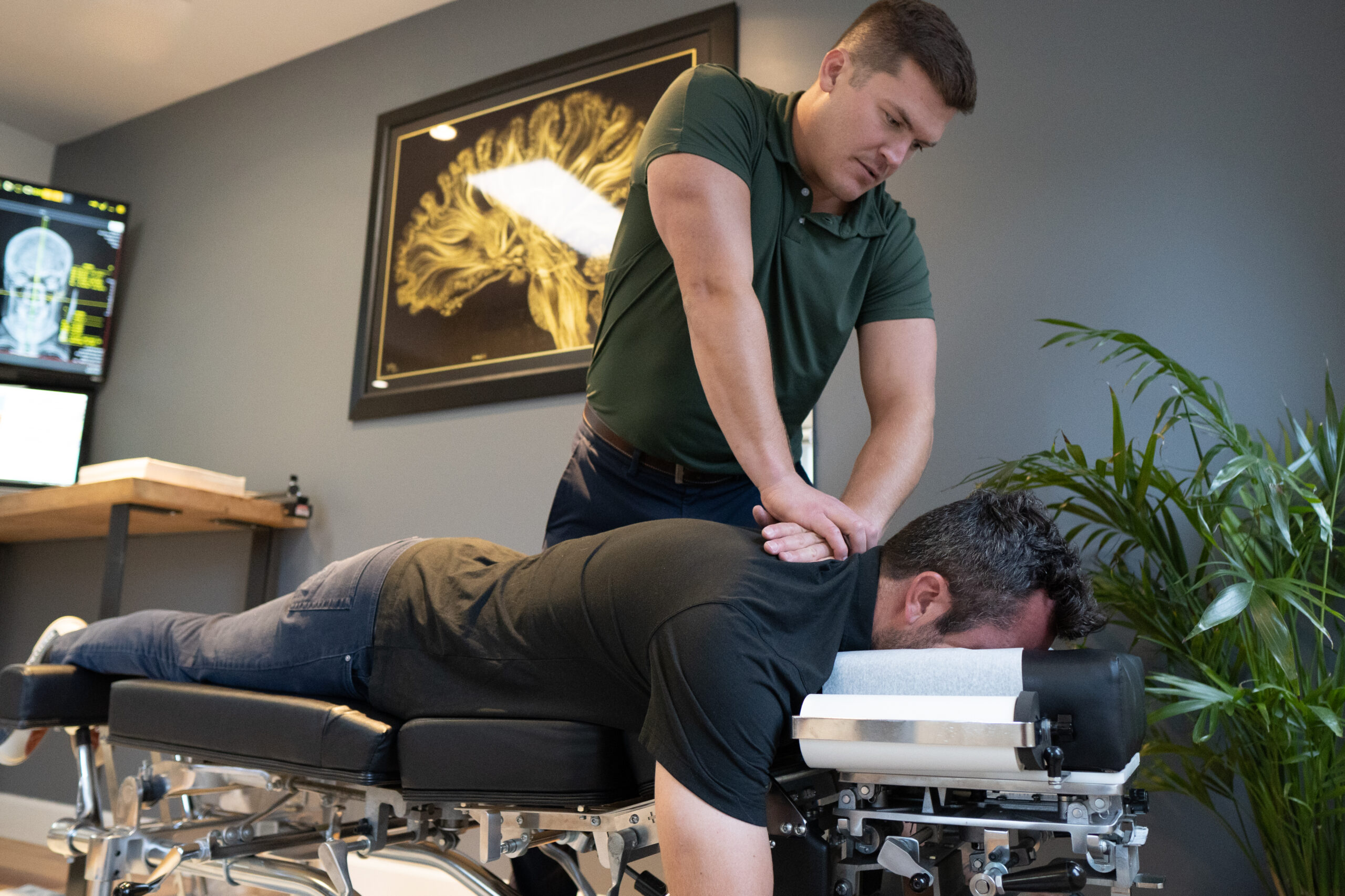
5 Signs You May Benefit from Upper Cervical Chiropractic Care Exploring the Unique Causes of Headaches in Denver and How Chiropractic Care Provides Relief Upper cervical chiropractic care focuses on the alignment of the top two vertebrae in the neck—the atlas (C1) and axis (C2). These structures play a critical role in supporting the head and protecting the brainstem, which helps regulate many essential body functions. When this area becomes misaligned due to injury, posture issues, or stress, it can contribute to a wide range of symptoms beyond simple neck pain. For individuals in Denver and surrounding areas, upper cervical care is often considered when traditional approaches have not provided lasting relief. Here are five common signs that you may benefit from this specialized form of chiropractic care. 1. Persistent Neck Pain That Doesn’t Improve One of the most common signs is chronic neck pain that does not respond well to rest, stretching, massage, or general chiropractic adjustments. Unlike typical muscle strain, upper cervical misalignment can place ongoing stress on surrounding tissues and joints. This may cause: Constant stiffness in the neck Pain that returns shortly after temporary relief Reduced range of motion Discomfort that worsens with prolonged sitting or screen use If neck pain has lasted for weeks or months despite treatment, it may indicate an underlying structural imbalance in the upper cervical spine. 2. Frequent Headaches or Migraines Headaches that start at the base of the skull and move upward are often associated with dysfunction in the upper neck. When the atlas or axis is misaligned, it can irritate surrounding nerves and affect blood flow and muscle tension patterns. This may contribute to: Tension headaches Chronic migraines Cervicogenic headaches (originating from the neck) Many patients report that their headaches improve significantly once proper upper cervical alignment is restored. 3. Dizziness, Balance Problems, or Brain Fog The upper cervical spine plays an important role in neurological communication and balance coordination. When this area is not functioning properly, it may affect how the brain interprets signals from the body. Common symptoms include: Lightheadedness or dizziness Feeling unsteady when walking Difficulty focusing or “brain fog” Sensation of pressure in the head These symptoms are often overlooked or attributed to stress, but in some cases, they may be connected to cervical misalignment. 4. Neck Pain After an Injury (Especially Whiplash) Upper cervical issues frequently develop after trauma such as: Car accidents Sports injuries Falls or sudden impacts Whiplash injuries are especially common in cities like Denver due to traffic and winter driving conditions. Even if symptoms appear mild at first, the force of impact can shift the upper cervical vertebrae out of alignment. Over time, this may lead to: Chronic stiffness Recurring pain episodes Reduced neck mobility Lingering neurological symptoms If symptoms began after an accident and never fully resolved, upper cervical evaluation may be beneficial. 5. Uneven Posture or Head Tilt Visible postural changes can be another important indicator. Because the upper cervical spine supports the head, misalignment can cause the body to compensate in noticeable ways. Signs may include: Head tilted slightly to one side Leaning posture without awareness Uneven shoulders Muscle imbalance in the neck and upper back These compensations often develop gradually, meaning many people do not notice them until pain or stiffness becomes more pronounced. When to Consider Upper Cervical Care You may want to explore upper cervical chiropractic care if you experience: Long-term neck pain that keeps returning Headaches that start in the neck Dizziness or balance issues without a clear cause Symptoms following a whiplash injury Postural changes combined with discomfort In Denver, many patients seek upper cervical specialists after conventional treatments provide only short-term relief. Final Thoughts Upper cervical chiropractic care is a focused approach that addresses alignment issues in the top of the spine. Because this region influences both structural stability and neurological function, even small misalignments can contribute to widespread symptoms. If you recognize several of the signs above, it may be worth getting a professional evaluation to determine whether upper cervical care could help restore balance, reduce pain, and improve overall function. PrevPreviousChronic Neck Pain in Denver: Common Causes and When to Seek Treatment How Aligning the Upper Spine Promotes Healing: A Deep Dive into Upper… -02/03/2026Read More » Effective Neck Pain Relief in Denver: Causes, Symptoms & Upper Cervical Solutions… -02/24/2026Read More » Poor Posture in Denver: How Misalignment Affects Your Health and How to… -02/28/2026Read More »

Chronic Neck Pain in Denver: Common Causes and When to Seek Treatment
Chronic Neck Pain in Denver: Common Causes and When to Seek Treatment Exploring the Unique Causes of Headaches in Denver and How Chiropractic Care Provides Relief Chronic neck pain is one of the most frequent musculoskeletal problems affecting adults in Denver, Colorado. Whether it develops gradually from poor posture or suddenly after an injury, persistent neck pain can significantly reduce quality of life. Many people in Denver experience ongoing stiffness, headaches, or limited movement without fully understanding the underlying cause. Because the cervical spine is closely connected to the nervous system, untreated neck problems can sometimes lead to broader health issues such as migraines, shoulder pain, or even dizziness. Understanding the common causes of chronic neck pain and knowing when to seek professional care in Denver is essential for long-term relief and recovery. What Is Chronic Neck Pain? Chronic neck pain refers to discomfort, stiffness, or soreness in the cervical spine that lasts for more than three months. Unlike short-term pain caused by a minor strain, chronic pain often signals an underlying structural, muscular, or neurological issue. In Denver, many patients report that their neck pain worsens during seasonal changes, after long commutes, or from extended desk work—especially in tech, healthcare, and office-based jobs that require long hours of screen time. Symptoms may include: Persistent aching or stiffness in the neck Reduced ability to turn or tilt the head Headaches starting from the base of the skull Shoulder or upper back tension Tingling or numbness in the arms Dizziness or brain fog in some cases Common Causes of Chronic Neck Pain in Denver Residents 1. Poor Posture and Modern Screen Habits One of the leading causes of chronic neck pain in Denver is poor posture, especially forward head posture caused by prolonged use of computers, smartphones, and tablets. Many professionals in downtown Denver and surrounding business districts spend 6–10 hours daily in front of screens. Over time, this “tech neck” posture places excessive strain on the cervical spine, weakening muscles and creating chronic tension. Even small postural imbalances can gradually lead to long-term discomfort if not corrected early. 2. Work-Related Strain and Sedentary Lifestyles Although Denver is known for its active outdoor culture, many residents still work sedentary jobs. Long hours of sitting—especially without proper ergonomic support—can cause the neck muscles to remain in a constant state of tension. Driving in traffic along I-25 or commuting from suburbs like Aurora, Lakewood, or Westminster can also contribute to repetitive strain. Holding the same position for long periods reduces blood flow and increases stiffness in the cervical region. 3. Whiplash and Auto Accidents in Denver Car accidents are a major contributor to chronic neck pain in the Denver metro area. Whiplash injuries often occur during rear-end collisions, causing the head to rapidly jerk forward and backward. Even when initial pain seems mild, damage to muscles, ligaments, and joints may continue to affect the neck long after the accident. Some individuals develop long-term symptoms such as stiffness, headaches, reduced range of motion, and ongoing inflammation. Without proper treatment, whiplash injuries may evolve into chronic cervical dysfunction. 4. Degenerative Disc Disease and Aging As people age, natural wear and tear affects the spinal discs and joints. This is especially common in adults over 40 living in Denver who engage in physically demanding work or sports activities. Conditions such as degenerative disc disease or cervical spondylosis can cause: Reduced cushioning between vertebrae Joint inflammation Bone spur formation Chronic stiffness and pain These changes often develop slowly but can significantly impact mobility and comfort over time. 5. Herniated or Bulging Discs A herniated disc in the cervical spine occurs when the soft inner portion of a spinal disc pushes outward and irritates nearby nerves. This condition can cause both localized neck pain and radiating symptoms into the shoulders, arms, or hands. Denver patients with this condition often report sharp or burning pain that worsens with movement or certain sleeping positions. In more severe cases, weakness or tingling in the arms may occur. 6. Cervical Instability and Upper Neck Dysfunction Cervical instability is a condition where the ligaments supporting the upper neck become weakened or damaged, allowing excessive movement between vertebrae. In some cases, this can result from trauma such as whiplash, sports injuries, or repeated strain. When the upper cervical spine becomes unstable, it may irritate surrounding nerves and affect normal neurological communication. This can contribute to chronic neck pain, headaches, dizziness, fatigue, and difficulty concentrating. Many patients in Denver seek specialized upper cervical care when traditional treatments fail to provide lasting relief. One of the leading causes of chronic neck pain in Denver is poor posture, especially forward head posture caused by prolonged use of computers, smartphones, and tablets. Many professionals in downtown Denver and surrounding business districts spend 6–10 hours daily in front of screens. Over time, this “tech neck” posture places excessive strain on the cervical spine, weakening muscles and creating chronic tension. Even small postural imbalances can gradually lead to long-term discomfort if not corrected early. Although Denver is known for its active outdoor culture, many residents still work sedentary jobs. Long hours of sitting—especially without proper ergonomic support—can cause the neck muscles to remain in a constant state of tension. Driving in traffic along I-25 or commuting from suburbs like Aurora, Lakewood, or Westminster can also contribute to repetitive strain. Holding the same position for long periods reduces blood flow and increases stiffness in the cervical region. Car accidents are a major contributor to chronic neck pain in the Denver metro area. Whiplash injuries often occur during rear-end collisions, causing the head to rapidly jerk forward and backward. Even when initial pain seems mild, damage to muscles, ligaments, and joints may continue to affect the neck long after the accident. Some individuals develop long-term symptoms such as stiffness, headaches, reduced range of motion, and ongoing inflammation. Without proper treatment, whiplash injuries may evolve into chronic cervical dysfunction. As people age, natural wear and tear affects the spinal discs and joints.

Upper Cervical Chiropractic Care: Precision-Based Healing for the Nervous System and Spine
Upper Cervical Chiropractic Care: Precision-Based Healing for the Nervous System and Spine Exploring the Unique Causes of Headaches in Denver and How Chiropractic Care Provides Relief Upper cervical chiropractic care is a highly specialized branch of chiropractic focused on the precise alignment of the top two bones in the spine—the atlas (C1) and axis (C2). These two vertebrae play a critical role in supporting the skull, protecting the brainstem, and influencing the entire nervous system. Because of this unique position, even a small misalignment in the upper cervical spine can affect whole-body health. Unlike general chiropractic methods that may involve full-spine adjustments, upper cervical chiropractic care uses gentle, highly precise corrections to restore balance at the foundation of the spine. This approach is increasingly chosen by patients looking for long-term relief from chronic conditions, especially those who have not found success with traditional treatments. What Is Upper Cervical Chiropractic Care? Upper cervical chiropractic care is a focused method of spinal correction that targets the relationship between the skull and the upper neck. The main goal is to correct misalignment in the atlas (C1) and axis (C2) vertebrae without unnecessary force or twisting. These two vertebrae are unique because: They support the weight of the head They protect the brainstem They allow head rotation and movement They influence posture and spinal balance When misaligned, they can create tension and interference in the nervous system. Upper cervical chiropractic care aims to correct this imbalance so the body can function more efficiently. Why the Upper Cervical Spine Matters The upper cervical region is one of the most important areas in the entire body because it directly connects the brain to the spinal cord. The brainstem, located just above this region, controls essential functions such as: Breathing Heart rate Blood pressure Balance and coordination Sleep regulation Muscle tone Even minor misalignment in the upper cervical spine may contribute to widespread symptoms throughout the body. This is why upper cervical chiropractic care focuses so specifically on this region instead of adjusting the entire spine. Common Conditions Addressed with Upper Cervical Chiropractic Care Many patients seek upper cervical chiropractic care after struggling with long-term or recurring health issues. While results vary from person to person, this approach is commonly used for conditions such as: Chronic headaches and migraines Neck pain and stiffness Vertigo and dizziness Post-concussion syndrome TMJ dysfunction (jaw pain) Sciatica and nerve-related pain Postural imbalance Brain fog and fatigue Whiplash injuries These conditions are often linked to nervous system irritation, which may be influenced by upper cervical misalignment. Causes of Upper Cervical Misalignment Misalignment in the upper cervical spine can happen gradually or suddenly. Some of the most common causes include: 1. Accidents and Trauma Car accidents, falls, and sports injuries can shift the atlas or axis out of alignment. 2. Poor Posture Long hours on phones or computers can slowly strain the neck and upper spine. 3. Repetitive Stress Repetitive movements or uneven physical strain may affect spinal balance over time. 4. Birth Trauma In some cases, misalignment may begin at birth due to pressure during delivery. 5. Everyday Wear and Tear Even normal daily activities can contribute to gradual spinal imbalance. Over time, these factors can lead to compensations throughout the body, affecting posture, muscles, and nervous system function. How Upper Cervical Chiropractic Care Works Upper cervical chiropractic care follows a very precise and structured process. Instead of using general adjustments, chiropractors focus on measuring, analyzing, and correcting exact misalignments. Step 1: Detailed Examination The chiropractor evaluates posture, spinal alignment, and nervous system indicators. Step 2: Advanced Imaging X-rays or digital imaging are often used to determine the exact position of the atlas and axis. Step 3: Specific Analysis Measurements are taken to calculate the exact correction needed for the spine. Step 4: Gentle Adjustment A precise, low-force adjustment is applied—often without twisting, cracking, or high-pressure manipulation. Step 5: Stabilization The spine is allowed to hold the correction naturally, sometimes with minimal follow-up adjustments. The chiropractor evaluates posture, spinal alignment, and nervous system indicators. X-rays or digital imaging are often used to determine the exact position of the atlas and axis. Measurements are taken to calculate the exact correction needed for the spine. A precise, low-force adjustment is applied—often without twisting, cracking, or high-pressure manipulation. The spine is allowed to hold the correction naturally, sometimes with minimal follow-up adjustments. Who Can Benefit from Upper Cervical Chiropractic Care? This approach may be helpful for: People with chronic or unexplained symptoms Individuals recovering from injuries Patients with sensitivity to traditional chiropractic adjustments Those with neurological or balance-related issues People seeking long-term, root-cause care Is Upper Cervical Chiropractic Care Safe? Yes, upper cervical chiropractic care is considered safe when performed by a trained and licensed professional. Because it uses low-force techniques, it is often preferred for patients who are sensitive to traditional manual adjustments. Most patients experience little to no discomfort during treatment. In some cases, mild soreness or fatigue may occur as the body adapts to improved alignment. What Makes Upper Cervical Chiropractic Care Different? Upper cervical chiropractic care differs from traditional chiropractic methods in several key ways: 1: Focus on One Area Instead of adjusting the entire spine, it focuses only on the upper cervical region. 2. Extremely Precise Adjustments are based on measurements and imaging, not general spinal manipulation. 3. Gentle Technique No forceful twisting or cracking is required. 4. Fewer Adjustments Because corrections are so precise, fewer visits are often needed compared to traditional care. 5. Nervous System Focus The primary goal is to improve brain-to-body communication through spinal alignment. Instead of adjusting the entire spine, it focuses only on the upper cervical region. Adjustments are based on measurements and imaging, not general spinal manipulation. No forceful twisting or cracking is required. Because corrections are so precise, fewer visits are often needed compared to traditional care. The primary goal is to improve brain-to-body communication through spinal alignment. Lifestyle Support for Better Results Upper cervical chiropractic care is most effective when

Gentle Neck Pain Chiropractor: Safe, Non-Invasive Relief for Lasting Neck Pain Recovery
Gentle Neck Pain Chiropractor: Safe, Non-Invasive Relief for Lasting Neck Pain Recovery Exploring the Unique Causes of Headaches in Denver and How Chiropractic Care Provides Relief Neck pain is one of the most common musculoskeletal complaints in today’s world. Whether it comes from long hours at a desk, poor posture from smartphone use, stress, or past injuries, it can significantly affect daily life. If you are searching for a gentle neck pain chiropractor, you are likely looking for a treatment approach that avoids aggressive cracking or forceful manipulation while still providing real, lasting relief. Gentle chiropractic care focuses on restoring spinal alignment in a controlled, low-force way that supports healing without adding stress to already sensitive tissues. This approach is especially helpful for people with chronic pain, anxiety about adjustments, disc issues, or conditions that make traditional manual manipulation uncomfortable. Understanding Neck Pain and Why It Happens Neck pain, also known as cervical pain or Neck Pain, can develop for many reasons. In most cases, it is related to strain, misalignment, or tension in the muscles, joints, or nerves of the cervical spine. Common causes include: Poor posture (especially “tech neck” from phones and laptops) Sudden injuries such as whiplash from car accidents Herniated or bulging discs Age-related degeneration of spinal joints Long hours sitting at a desk without proper ergonomic support Sports injuries or repetitive strain Stress and muscle tension Enhance overall body function Why Chiropractic Care Is Popular in Denver, CO People seek chiropractic care in Denver for several reasons: 1. Active Lifestyle Denver residents are highly active. Hiking, skiing, cycling, and running can put stress on the spine and joints. 2. Desk Jobs and Technology Use Many people work long hours at computers, leading to poor posture and chronic neck and back pain. 3. Injury Recovery Sports injuries, car accidents, and workplace strain often lead people to seek chiropractic treatment. 4. Natural Health Preference There is a growing preference in Colorado for holistic, drug-free healthcare solutions. Denver residents are highly active. Hiking, skiing, cycling, and running can put stress on the spine and joints. Many people work long hours at computers, leading to poor posture and chronic neck and back pain. Sports injuries, car accidents, and workplace strain often lead people to seek chiropractic treatment. There is a growing preference in Colorado for holistic, drug-free healthcare solutions. Over time, these issues can lead to stiffness, reduced mobility, headaches, shoulder pain, and even tingling or numbness in the arms. A gentle neck pain chiropractor focuses on identifying the underlying structural or functional issue rather than simply masking symptoms with medication What Makes a Chiropractor “Gentle”? A gentle chiropractor uses techniques that are designed to be low-force, precise, and comfortable. Unlike traditional high-velocity spinal manipulation that may involve twisting, popping, or cracking sounds, gentle chiropractic care uses alternative methods to restore alignment. These may include: Light manual adjustments Instrument-assisted adjustments Upper cervical-specific corrections Soft tissue therapy Mobilization instead of forceful manipulation The goal is to reduce nerve irritation and improve spinal alignment without putting additional stress on the neck. For many patients, this approach feels safer and more reassuring—especially for those experiencing acute pain or long-term sensitivity. Who Should See a Gentle Neck Pain Chiropractor? Gentle chiropractic care is ideal for a wide range of patients, including: 1. People with Chronic Neck Pain If your neck pain has lasted for weeks or months, a gentle approach may help address underlying structural issues without aggravating inflammation. 2. Seniors Older adults often have arthritis, reduced bone density, or degenerative disc conditions that require a softer treatment method. 3. Post-Injury Patients After whiplash or sports injuries, the neck may be extremely sensitive. Gentle care reduces the risk of further irritation. 4. Patients with Anxiety About Adjustments Some people feel uncomfortable with traditional “cracking” techniques. Gentle chiropractic care provides a more relaxed experience. 5. People with Disc Problems Conditions like bulging or herniated discs often respond better to low-force techniques. How Gentle Chiropractic Care Helps Neck Pain A gentle neck pain chiropractor works by improving the alignment and function of the cervical spine. When the spine is misaligned, it can place pressure on nerves and muscles, leading to pain and restricted movement. Gentle adjustments help: Restore proper joint motion Reduce nerve compression or irritation Improve blood flow and oxygen delivery to tissues Relax tight muscles supporting the neck Improve posture and spinal balance As the nervous system begins to function more efficiently, many patients notice improvements not only in pain but also in sleep quality, energy levels, and focus. Is Gentle Chiropractic Care Safe? Yes, gentle chiropractic care is widely considered safe when performed by a licensed professional. Because it avoids high-force manipulation, it is often preferred for patients with fragile or sensitive conditions. Some people may experience mild soreness after treatment, similar to light exercise, but this usually resolves quickly. A qualified chiropractor will always assess your condition carefully before applying any treatment technique. What to Expect During Your First Visit If you are new to chiropractic care in Denver, CO, your first visit typically includes: 1: Consultation The chiropractor reviews your health history, symptoms, and previous treatments. 2. Physical Examination This may include posture checks, range of motion tests, and spinal evaluation. 3. Imaging (if needed) Some clinics may recommend X-rays to better understand spinal alignment. 4. Treatment Plan A personalized care plan is created based on your condition and goals. 5. First Adjustment In many cases, you may receive your first gentle adjustment during the initial visit. The chiropractor reviews your health history, symptoms, and previous treatments. This may include posture checks, range of motion tests, and spinal evaluation. Some clinics may recommend X-rays to better understand spinal alignment. A personalized care plan is created based on your condition and goals. In many cases, you may receive your first gentle adjustment during the initial visit. Lifestyle Tips to Support Neck Pain Recovery Chiropractic care is most effective when combined with healthy daily habits. To support recovery from neck