
Dizziness: How Upper Cervical Chiropractic Care in Denver May Help Restore Balance and Confidence Dizziness can be unsettling, disruptive, and even frightening. For some people, it comes and goes as a mild sensation of lightheadedness. For others, it feels like the room is spinning, the ground is unsteady, or their body is suddenly disconnected from its surroundings. In Denver, where altitude changes, active lifestyles, and stress are common, dizziness affects many individuals seeking answers beyond temporary solutions. At Denver Upper Cervical Chiropractic, dizziness is approached not as an isolated symptom, but as a signal that the body’s balance systems may not be working together as they should. Understanding how the upper cervical spine influences balance and neurological function may help explain why so many people with dizziness find relief through this specialized form of chiropractic care. Understanding Dizziness Dizziness is a broad term used to describe sensations such as: Lightheadedness Feeling faint Loss of balance Disorientation Spinning or vertigo These sensations can occur suddenly or develop gradually over time. Some people experience dizziness occasionally, while others live with it daily. Because balance involves multiple systems in the body, dizziness can be challenging to diagnose and treat. Common Causes of Dizziness Dizziness can arise from a variety of sources, including: Inner ear dysfunction Nervous system imbalance Blood pressure changes Dehydration Medication side effects Head or neck injuries Poor posture While many treatments focus on managing symptoms, they may not always address the underlying cause—especially when the nervous system is involved. The Body’s Balance Systems Balance is maintained through the coordination of three main systems: The vestibular system in the inner ear, which detects movement and spatial orientation The visual system, which provides visual cues about position and motion The nervous system, which integrates information from the inner ear, eyes, and muscles The brainstem plays a crucial role in integrating these signals. When communication between these systems is disrupted, dizziness can occur. The Role of the Upper Cervical Spine The upper cervical spine consists of the atlas (C1) and axis (C2), the top two vertebrae that support the head and protect the brainstem. This area is especially vulnerable to misalignment due to its mobility and the weight of the head. Even a slight misalignment in the upper cervical spine can place stress on the brainstem and nearby nerves. Because the brainstem is responsible for processing balance information, this stress may interfere with the body’s ability to maintain equilibrium. How Upper Cervical Misalignment May Contribute to Dizziness Upper cervical misalignments can result from: Car accidents or whiplash Sports injuries Falls or slips Poor posture Repetitive strain When misalignment occurs, it may affect: Communication between the brain and inner ear Blood flow to balance-related centers of the brain Muscle coordination in the neck and upper body As a result, the body may struggle to accurately interpret movement and position, leading to dizziness or vertigo-like symptoms. What Is Upper Cervical Chiropractic Care? Upper cervical chiropractic is a highly specialized form of chiropractic care that focuses exclusively on the alignment of the atlas and axis vertebrae. Unlike traditional chiropractic techniques, upper cervical care is: Gentle and precise Based on detailed imaging and measurements Designed to promote long-term stability rather than frequent adjustments At Denver Upper Cervical Chiropractic, each patient receives a personalized evaluation to determine whether an upper cervical misalignment is present and how it may be affecting their symptoms. How Upper Cervical Chiropractic May Help with Dizziness Upper cervical chiropractic care does not treat dizziness directly. Instead, it aims to reduce interference in the nervous system so the body can function more effectively. Many patients with dizziness report improvements in both the frequency and intensity of their symptoms. Improved Balance and Coordination By restoring proper alignment, the nervous system may better integrate information from the inner ear, eyes, and muscles. Reduced Nervous System Stress When pressure on the brainstem is reduced, the body may regulate balance and movement more efficiently. Better Neck Function Improved alignment can help neck muscles and joints move more naturally, supporting better head positioning and balance. Enhanced Confidence in Movement As dizziness decreases, many patients feel more secure walking, driving, or engaging in daily activities. Dizziness and the Denver Lifestyle Living in Denver often involves hiking, skiing, biking, and other activities that require good balance and coordination. Dizziness can make these activities difficult or unsafe. Additionally, altitude changes and dehydration can exacerbate balance issues when the nervous system is already under stress. Upper cervical chiropractic care can be especially beneficial for individuals who: Experience dizziness after head or neck injuries Feel unsteady during physical activity Have recurring dizziness with no clear diagnosis Want a natural, drug-free approach A Whole-Body Approach to Managing Dizziness While upper cervical chiropractic care addresses structural and neurological factors, it works best when combined with healthy lifestyle habits such as: Staying hydrated Managing stress Maintaining good posture Getting adequate rest Engaging in gentle movement When the nervous system is balanced, these habits may be more effective in supporting overall health. What to Expect at Denver Upper Cervical Chiropractic Patients seeking help for dizziness can expect a thoughtful and thorough process, including: A detailed health history Advanced imaging of the upper cervical spine Gentle, precise adjustments Ongoing monitoring of alignment and progress The focus is on helping the body maintain correction, not constant manipulation. Is Upper Cervical Chiropractic Right for Dizziness? If dizziness has become a regular part of your life and conventional approaches have not provided lasting relief, upper cervical chiropractic may be worth considering. By addressing alignment at the top of the spine, this approach focuses on the nervous system’s ability to regulate balance naturally. While individual results vary, many patients report meaningful improvements in comfort, stability, and quality of life. Final Thoughts Dizziness can take away confidence and limit independence, but it does not have to be a permanent condition. Understanding the connection between the upper cervical spine and the nervous system opens the door to new possibilities for relief. For individuals in Denver
Muscle Aches: How Upper Cervical Chiropractic Care in Denver Can Support Lasting Relief
Muscle Aches: How Upper Cervical Chiropractic Care in Denver Can Support Lasting Relief Muscle aches are one of the most common reasons people seek healthcare. From dull, persistent soreness to sharp discomfort that limits movement, aching muscles can interfere with daily life in ways that are both frustrating and exhausting. In a city like Denver—where residents balance active lifestyles, demanding careers, and the effects of altitude—muscle pain is an issue many people face regularly. While muscle aches are often treated with stretching, massage, pain relievers, or rest, these approaches may not always address the underlying cause. At Denver Upper Cervical Chiropractic, a different perspective is offered—one that looks at how the alignment of the upper cervical spine may influence muscle tension, balance, and overall body function. Understanding Muscle Aches Muscle aches, also known as myalgia, can affect a single area or the entire body. They may develop suddenly after physical activity or gradually over time without a clear trigger. Some muscle aches are short-lived, while others become chronic and difficult to manage. Common causes of muscle aches include: Physical overuse or repetitive movements Poor posture or ergonomics Stress and tension Dehydration or nutritional imbalances Past injuries or accidents Nervous system dysfunction For many individuals, muscle pain is not just a local issue. Instead, it may be a sign that the body is compensating for an imbalance elsewhere. How Upper Cervical Misalignment May Contribute to Muscle Pain Upper cervical misalignment can occur due to: Car accidents or whiplash injuries Slips and falls Sports injuries Long-term poor posture Repetitive strain When the upper cervical spine is misaligned, the head’s center of gravity shifts. To compensate, muscles throughout the neck, shoulders, back, and even hips may tighten unevenly. This imbalance can place excessive strain on certain muscle groups while weakening others. Over time, this pattern may result in: Chronic neck and shoulder tension Upper and lower back muscle aches Hip and leg discomfort Reduced range of motion Frequent muscle tightness despite stretching Why Muscle Aches Often Persist One of the reasons muscle aches can linger is that muscles rarely act alone. They are part of a complex system involving joints, nerves, and the brain. When communication within this system is disrupted, muscles may remain tight or inflamed even after rest or treatment. Chronic muscle tension often develops as the body attempts to stabilize itself. When alignment is off—particularly in the spine—muscles may contract unevenly to keep the head and body balanced. Over time, this constant tension can lead to soreness, fatigue, and reduced flexibility. This is where the role of the nervous system becomes especially important. The Connection Between Muscle Aches and the Nervous System The nervous system controls muscle contraction, relaxation, and coordination. Signals from the brain travel through the spinal cord and nerves to instruct muscles when to move and when to rest. If these signals are disrupted, muscles may not function as intended. The upper cervical spine, which includes the atlas (C1) and axis (C2), plays a critical role in protecting the brainstem. The brainstem helps regulate muscle tone, posture, balance, and stress responses. Even a slight misalignment in this area can create widespread effects throughout the body. What Is Upper Cervical Chiropractic Care? Upper cervical chiropractic care is a specialized form of chiropractic that focuses exclusively on the top two vertebrae of the spine. Unlike traditional chiropractic methods that may involve frequent or forceful adjustments, upper cervical care is: Highly precise Gentle and controlled Tailored to each individual’s anatomy At Denver Upper Cervical Chiropractic, detailed imaging and assessments are used to identify misalignments in the upper cervical spine. Adjustments are carefully calculated to restore alignment and allow the nervous system to function more efficiently. How Upper Cervical Chiropractic May Help Muscle Aches While upper cervical chiropractic care does not treat muscle aches directly, many patients experience improvements in muscle comfort and function as their nervous system balance improves. Reduced Muscle Tension When spinal alignment is restored, muscles may no longer need to compensate for imbalance. This often leads to reduced tightness and soreness. Improved Posture Correct upper cervical alignment can help the head sit properly over the spine, reducing strain on neck, shoulder, and back muscles. Better Coordination and Balance With improved communication between the brain and body, muscles may work together more efficiently, decreasing overuse and fatigue. Enhanced Recovery By reducing nervous system stress, the body may be better equipped to heal and recover from physical activity or injury. Decreased Reliance on Temporary Solutions Many patients appreciate a natural approach that focuses on long-term correction rather than constant symptom management. Muscle Aches and the Active Denver Lifestyle Denver residents often enjoy hiking, skiing, cycling, yoga, and fitness training. While these activities are beneficial, they can also expose the body to repetitive stress and injury—especially when alignment issues are present. Upper cervical chiropractic care can be particularly helpful for individuals who: Experience muscle aches after exercise Have recurring pain despite stretching or massage Sit for long hours at a desk Have a history of injuries or accidents By addressing the structural and neurological aspects of muscle pain, upper cervical care supports both performance and recovery. A Whole-Body Approach to Muscle Health Upper cervical chiropractic works best as part of a comprehensive approach to wellness. Patients often see the greatest benefits when care is combined with: Proper hydration and nutrition Ergonomic work setups Stress management techniques Gentle movement and stretching Adequate rest and sleep When the nervous system is functioning optimally, these healthy habits can have a more profound and lasting impact. What to Expect at Denver Upper Cervical Chiropractic Patients seeking help for muscle aches can expect a thorough and personalized experience. Care typically includes: A detailed health history Advanced imaging of the upper cervical spine Precise, gentle adjustments Ongoing evaluations to monitor progress The goal is not frequent adjustments, but long-term stability and improved nervous system function. Is Upper Cervical Chiropractic Right for Muscle Aches? If you struggle with muscle aches that seem to return despite treatment,
Chronic Fatigue: How Upper Cervical Chiropractic Care in Denver May Help Restore Energy and Quality of Life
Chronic Fatigue: How Upper Cervical Chiropractic Care in Denver May Help Restore Energy and Quality of Life Exploring the Unique Causes of Headaches in Denver and How Chiropractic Care Provides Relief Chronic fatigue is more than just feeling tired after a long day. For many people, it is a persistent, overwhelming lack of energy that interferes with work, relationships, and everyday activities. In Denver and across Colorado, individuals struggling with chronic fatigue are searching for answers beyond temporary fixes like caffeine, supplements, or sleep medications. At Denver Upper Cervical Chiropractic, a growing number of patients are discovering a different approach—one that focuses on the alignment of the upper cervical spine and its impact on the nervous system. Understanding how chronic fatigue affects the body and how upper cervical chiropractic care may help requires looking deeper than surface symptoms. Fatigue is often a signal that something in the body is not functioning optimally, and the nervous system plays a critical role in regulating energy, sleep, and overall vitality. Understanding Chronic Fatigue Chronic fatigue is commonly described as extreme tiredness that lasts for months or even years and does not improve with rest. Some people are diagnosed with Chronic Fatigue Syndrome (CFS) or Myalgic Encephalomyelitis (ME), while others experience long-term fatigue without a specific diagnosis. Common symptoms associated with chronic fatigue include: Persistent exhaustion not relieved by sleep Brain fog or difficulty concentrating Headaches or migraines Muscle and joint pain Sleep disturbances Sensitivity to light or noise Dizziness or balance issues These symptoms can vary from person to person and may fluctuate in intensity. Many individuals feel frustrated after normal lab tests come back “normal,” leaving them without clear explanations or solutions. Why Chronic Fatigue Can Be So Complex One of the challenges of chronic fatigue is that it rarely has a single cause. Instead, it often results from a combination of factors such as: Nervous system imbalance Poor sleep quality Chronic stress Past injuries or trauma Inflammation Hormonal or immune system dysfunction The nervous system is the control center of the body. When it is under stress or interference, communication between the brain and body can become compromised. This can affect energy production, sleep cycles, immune response, and the body’s ability to recover. This is where upper cervical chiropractic care offers a unique perspective. The Upper Cervical Spine and the Nervous System The upper cervical spine consists of the top two vertebrae in the neck, known as the atlas (C1) and axis (C2). These vertebrae protect the brainstem, a vital part of the nervous system that controls essential functions such as: Sleep regulation Energy levels Heart rate and breathing Balance and coordination Stress response Even a slight misalignment in the upper cervical spine—often caused by accidents, falls, poor posture, or repetitive strain—can place stress on the brainstem and surrounding nerves. This stress may disrupt how signals travel between the brain and body, potentially contributing to symptoms like fatigue, brain fog, and poor sleep. How Upper Cervical Misalignment May Contribute to Chronic Fatigue When the upper cervical spine is misaligned, the body may constantly work harder to compensate. This ongoing effort can drain energy reserves over time. Potential effects of upper cervical misalignment include: Increased nervous system stress Altered blood flow to the brain Disrupted sleep patterns Reduced ability to adapt to physical and emotional stress For someone already dealing with chronic fatigue, these added stressors can make recovery more difficult. Instead of healing and restoring energy, the body remains in a state of imbalance. What Is Upper Cervical Chiropractic Care? Upper cervical chiropractic is a specialized form of chiropractic care that focuses exclusively on the alignment of the atlas and axis vertebrae. Unlike traditional chiropractic adjustments, upper cervical care is: Precise and gentle Customized to each patient’s anatomy Focused on long-term correction rather than frequent adjustments At Denver Upper Cervical Chiropractic, advanced imaging and detailed assessments are used to determine if an upper cervical misalignment is present. Adjustments are carefully calculated and delivered with minimal force, making them suitable for people who may be sensitive or dealing with chronic conditions. How Upper Cervical Chiropractic May Help Chronic Fatigue While upper cervical chiropractic care does not treat chronic fatigue directly, many patients report improvements in symptoms that often accompany fatigue. By reducing interference in the nervous system, the body may function more efficiently and begin to heal itself. Potential benefits patients often experience include: Improved Sleep Quality When nervous system stress is reduced, the body may find it easier to enter deeper, more restorative sleep. Better sleep often leads to improved energy during the day. Reduced Brain Fog Clearer communication between the brain and body may support improved focus, mental clarity, and cognitive function. Increased Energy Levels As the body expends less energy compensating for misalignment, patients often report feeling more balanced and energized. Better Stress Regulation Upper cervical care may help the nervous system respond more appropriately to stress, reducing the “wired but tired” feeling common in chronic fatigue. Improved Overall Well-Being Many patients notice improvements in posture, balance, and comfort, which can contribute to a higher quality of life. Why Choose Upper Cervical Chiropractic in Denver? Denver residents lead active lifestyles, but altitude, stress, old injuries, and long hours at work can take a toll on the body. Upper cervical chiropractic offers a drug-free, non-invasive approach that aligns well with holistic and wellness-focused values. At Denver Upper Cervical Chiropractic, care is centered on: Thorough evaluations Personalized care plans Gentle, precise adjustments Ongoing monitoring to ensure lasting results Rather than masking symptoms, the goal is to help the body function at its highest potential. A Whole-Body Approach to Healing Many patients with chronic fatigue benefit most when upper cervical chiropractic care is combined with healthy lifestyle choices such as: Consistent sleep routines Balanced nutrition Stress management Gentle physical activity Mind-body practices like meditation or breathing exercises Upper cervical care can serve as a foundation, helping the nervous system better adapt to these positive changes. Is

Upper Cervical Chiropractic Treats 14 Conditions [Is it safe?]
Upper Cervical Chiropractic Treats 14 Conditions [Is it safe?] Exploring the Unique Causes of Headaches in Denver and How Chiropractic Care Provides Relief Chronic back pain, neck pain, and neurological conditions are not a normal part of aging. Often, the pangs of “old age” are really old injuries that never truly recovered. A conventional approach to medicine is to treat individual symptoms as if they exist in a vacuum. Pharmaceuticals and harsh, unnatural treatments for disease are often ineffectual at more than masking symptoms. As an alternative , upper cervical chiropractic care takes a precision approach to not only treating health problems, but giving your body what it needs to thrive from head to toe. The best upper cervical chiropractic practices walk you through your treatment plan and provide visual results to show you how far you’ve come. Of course I’d say that — I’m an upper cervical chiropractor. Unfortunately for the skeptics, both patient testimonials and years of published and peer-reviewed research supports my viewpoint. Otherwise, I wouldn’t be an upper cervical chiropractor. What is upper cervical chiropractic? Upper cervical chiropractic care focuses on correcting misalignments in the upper neck region of your spine — called subluxations or, more specifically, upper cervical subluxations . Upper cervical spine chiropractors concentrate on the upper two vertebrae of the spine, called C1 (atlas) and C2 (axis). Upper cervical care tends to be gentler than general chiaaropractic, making it a great option for sensitive patients. Upper cervical manipulation affects the whole body by adjusting the upper spine, which allows the central nervous system to properly communicate with the rest of your body. As an upper cervical chiropractor, I use frequent x-rays and 3D technology to determine exactly where a vertebra may need adjustment. Misaligned vertebrae interfere with the spinal cord and brainstem, leading to ineffective or dysfunctional nervous system signaling. During an adjustment, I use the Laney Torque Specific Cervical Adjusting Instrument. This state-of-the-art instrument makes incredibly gentle adjustments. Only 65 Laneys have ever been made, and I use the only one in the state of Colorado. There are many philosophies of chiropractic. At Denver Upper Cervical, our philosophy is that we can show you the before, during, and after effects of your treatment plan by utilizing cutting-edge tech and the most up-to-date scientific literature. Our patients don’t spend hours each week in the office. Their treatment plans are designed to get them out of the office and back to doing the things they enjoy. What is NUCCA? NUCCA stands for National Upper Cervical Chiropractic Association. NUCCA is a leading organization on the standard of care in upper cervical care. NUCCA procedures are well-researched chiropractic treatment methods that encourage figuring out the exact nature of your misalignment, then gently and safely correcting that spinal misalignment. NUCCA registered chiropractors (AKA NUCCA doctors) are located across the country, equipped to gently handle spinal subluxations and restore overall health. Conditions Treated by Upper Cervical Chiropractic There are many medical conditions treated by upper cervical chiropractic care. The most common are: https://vimeo.com/299982455?fl=pl&fe=sh 1. Neck Pain Neck pain and shoulder pain are prevalent throughout the worldwide population. It is a primary reason people visit the chiropractor. Whether it is due to injury or disease, upper cervical chiropractic care has been shown to reverse neck pain and shoulder pain. 2. Back Pain Millions of Americans suffer from chronic back pain . One of the main reasons for chiropractic treatment is relieving back pain — short-term or long-term. Counterintuitively, adjusting subluxations in your upper spine may actually reverse low back pain! Chiropractic treatment may bring immediate pain relief. For some, it may take several weeks of spinal adjustments. 3. Headaches and Migraines Chiropractic care improves headaches and migraines. Headaches can be caused by: Stress Poor posture Tension Changes in weather Fatigue Lack of sleep Hunger Caffeine withdrawal symptoms Medications Upper cervical subluxations Stress, posture, tension, and subluxations are all treatable by chiropractic care. This can lead to reduced headaches and/or migraines. 4. Post-Concussion Syndrome Post-concussion syndrome (also called PCS) is when your concussion symptoms persist for 6 weeks after the initial head injury. Chiropractors may be able to treat PCS. Concussion symptoms include headache and dizziness, to mention a few. If concussion symptoms last for more than a month and a half without subsiding, consider visiting a chiropractor right away. Chiropractic care has been shown to improve outcomes after a concussion, reducing symptoms and helping people get back to their normal lives. 5. Vertigo and Meniere’s Disease Upper cervical chiropractic care often improves vertigo and Meniere’s disease, which are two closely connected disorders. Vertigo is feeling dizzy or off balance. Meniere’s disease is a disorder of the inner ear that can lead to vertigo. Vertigo is a common symptom of Meniere’s disease. Upper cervical chiropractic care may treat Meniere’s disease and its symptoms: Vertigo Hearing loss Ringing in ears Nausea Vomiting Upper cervical chiropractic care may improve patients’ Meniere’s disease and vertigo symptoms surprisingly immediately. 6. Fibromyalgia and Fatigue Fibromyalgia is a chronic disorder of the bones and muscles, and its chief symptom is persistent fatigue. Upper cervical chiropractic care is well known to treat fibromyalgia. In fibromyalgia, signals travel through your brainstem to tell your brain there is pain when there is actually no pain. Spinal readjustments by a doctor of chiropractic correct these signals. Chiropractic treatments seem to treat fatigue due to other reasons as well. 7. Autoimmune Disease Doctors of chiropractic treat many autoimmune diseases and inflammatory conditions, such as: Scoliosis Rheumatoid arthritis Osteoarthritis Neuritis Ankylosing spondylitis 8. Blood Pressure Hundreds of millions of people in the world suffer from high blood pressure, also called hypertension. Interestingly, multiple studies indicate that chiropractic care may be able to lower blood pressure in hypertensive adults. 9. TMJ Disorders TMJ stands for “ temporomandibular joint ”, but TMJ can also refer to TMJ disorders (TMD), which can be treated by chiropractic care. The TMJ connects your jaw to your skull. The TMJ is the most used joint in the body. You use the TMJ when: Yawning Smiling Chewing Talking TMJ disorders (sometimes called TMD) may be caused by: Muscle spasm Head or jaw injury Teeth clenching Teeth grinding Chronic stress Misaligned bite Trigeminal neuralgia is another disorder that is sometimes confused with
The Axis Bone
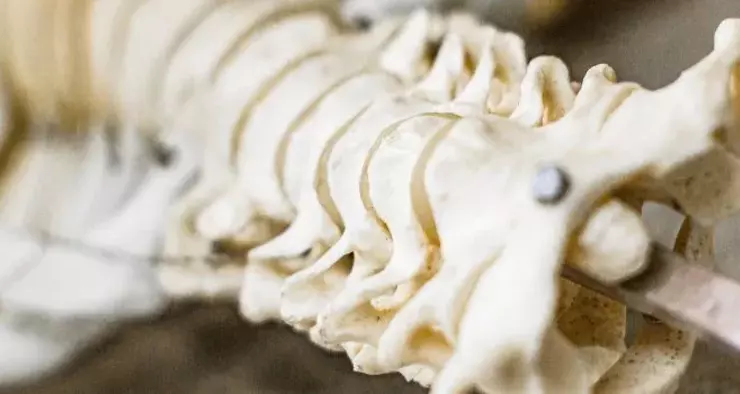
The Axis Bone Exploring the Unique Causes of Headaches in Denver and How Chiropractic Care Provides Relief The axis bone is the second vertebra in your cervical spine, and is critical in the movement of the head. The spine also consists of the thoracic spine, lumbar spine, sacrum, coccyx, and the intervertebral discs that interconnect the vertebrae. We’ll focus on the axis, or c2 vertebra here. What is the function of atlas and axis? The atlas and axis form synovial joints that serve multiple functions , including the stability, rotation, flexion, and extension of the head and neck. Misalignment of the axis bone can cause chronic headaches, neck pain, vertigo, and possibly even Meniere’s syndrome. Upper cervical chiropractic adjustment is an effective treatment for C2 misalignment. If you’re worried about axis alignment, schedule an appointment with a qualified chiropractor who specializes in the upper spine. What is the axis bone? The axis bone is the second cervical vertebra in your vertebral column, or spine. With the atlas bone (C1) it forms the pivot joint that allows your head to rotate. This important bone has many names: Axis Epistropheus Vertebra cervicalis II C2 vertebra Upper cervical spine (refers to both C1 and C2) Why is it called the axis bone? The axis bone gets its name from the Latin word for “axle” which refers to a rod through the center of a wheel. The axis is instrumental in the rotation of the atlas bone and the head. Is the axis C1 or C2? The axis bone refers to the second vertebra in the human anatomy, also called the C2. The C1 is your atlas . Let’s explore the major features of the axis bone. Photo Credit: https://www.ncbi.nlm.nih.gov/books/NBK539734/figure/article-36293.image.f2/ Body (or Centrum) The vertebral body of the axis is the part which connects to the first cervical vertebra (C1) above and the C3 below. It is smaller than other vertebrae’s bodies. Also called the centrum, this cylindrical mass is located on the anterior surface (front side) of the vertebra. The anterior longitudinal ligament attaches to the front of the body of the axis, but the posterior longitudinal ligament attaches to the back of the lower centrum. Odontoid Process (or Dens) The most unique feature of the axis bone is the dens, which protrudes upwards and acts as a stabilizing axle for the atlas bone and the head to rotate. The dens forms a pivot joint with the anterior arch of the atlas bone. Apical ligaments and alar ligaments connect the dens to the occipital bone. This protrusion goes by several names: Dens Dens axis (literally “tooth of the axis”) Odontoid process Peg Vertebral Foramen The vertebral foramen is the large opening at the center of the axis bone which lets the spinal cord pass through. The axis’s foramen is smaller than the atlas’s. Spinous process The spinous process is a small projection backwards from the articulation of the two laminae of the axis’s vertebral arch. This process is where ligaments and muscles which move the head or neck may attach. The spinous process is bifid — or, naturally cleft into two segments. Lateral Atlantoaxial Joints The superior articular facets of the axis bone join with the inferior articular facets of the atlas bone to form the lateral atlantoaxial joints. Some sources refer to these as processes or surfaces instead of facets. The superior articular facets are convex surfaces that make head rotation possible, as well as articulation with occipital condyles. The superior articular processes allow one lateral mass to glide forward while another glides backward. This motion permits the C1 to rotate around the dens of the C2. Inferior articular facets are flat surfaces which face downward from the vertebral arch and touch the C3 below. At the atlantoaxial joint, the axis’s spinal nerve exits the spinal cord through a small opening in the bone above the axis. Transverse Process The transverse processes are below the superior articular facet, and they project laterally (to the side), ending in a single tubercle. This part of the axis is where certain head and neck muscles can attach. The transverse foramen is a small opening in the transverse process which allows the vertebral artery and vein to pass through. C1 & C2 Misalignment The upper cervical spine consists of the atlas (C1) and axis (C2). When the C1 and C2 are misaligned, health complications follow. You should seek chiropractic treatment that includes x-ray diagnostics if you are experiencing C1 and C2 misalignment. Upper cervical misalignment may contribute to multiple health problems, some of which may surprise you. Chiropractic adjustment can fix these health problems: Neck pain Chest pain (more common with thoracic vertebrae misalignment) Back pain (more common with lumbar vertebrae misalignment or muscle tension) Migraines Headaches Post-concussion syndrome Vertigo Meniere’s disease Fibromyalgia Chronic fatigue Autoimmunity High blood pressure TMJ disorders (jaw soreness) Sleep disturbances Trouble breathing Muscle weakness Sciatica When to Get an Adjustment You should get a chiropractic adjustment if you experience any of the following symptoms: Chronic neck pain Chronic headache or migraine Vertigo or cervical instability Trouble standing up or sitting down Constant jaw pain Noticeable spinal abnormalities Schedule an appointment with Dr. Ty Carzoli at Denver Upper Cervical Chiropractic in Denver, Colorado. He is qualified to adjust the whole spine, but Dr. Ty has found that upper cervical spine adjustments alone can often treat health conditions. You can set up an appointment online or call us at 303-955-8270. Sources: Korabelnikova, E. A., Danilov, A. B., Danilov, A. B., Vorobyeva, Y. D., Latysheva, N. V., & Artemenko, A. R. (2020). Sleep disorders and headache: A review of correlation and mutual influence. Pain and therapy , 9 (2), 411-425. Full text: https://www.ncbi.nlm.nih.gov/pmc/articles/PMC7648824/ Elizagaray-Garcia, I., Beltran-Alacreu, H., Angulo-Díaz, S., Garrigos-Pedron, M., & Gil-Martinez, A. (2020). Chronic primary headache subjects have greater forward head posture than asymptomatic and episodic primary headache sufferers: Systematic review and meta-analysis. Pain medicine , 21 (10), 2465-2480. Full text: https://www.researchgate.net/profile/Ignacio-Elizagaray-Garcia-2/publication/345144818_Chronic_Primary_Headache_Subjects_Have_Greater_Forward_Head_Posture_than_Asymptomatic_and_Episodic_Primary_Headache_Sufferers_Systematic_Review_and_Meta-analysis/links/61c44cd7c99c4b37eb1878af/Chronic-Primary-Headache-Subjects-Have-Greater-Forward-Head-Posture-than-Asymptomatic-and-Episodic-Primary-Headache-Sufferers-Systematic-Review-and-Meta-analysis.pdf Fischer, M. A., & Jan, A. (2019). Medication-overuse headache. Full text: https://www.ncbi.nlm.nih.gov/books/NBK538150/ Jovel, C. E., & Mejía, F. S. (2017). Caffeine and headache: specific remarks. Neurología (English Edition) , 32 (6), 394-398. Full text: https://www.sciencedirect.com/science/article/pii/S2173580817300858 Leung, A. (2020). Addressing chronic persistent headaches after MTBI
Here’s What Happens During a Chiropractic Adjustment
Here’s What Happens During a Chiropractic Adjustment Exploring the Unique Causes of Headaches in Denver and How Chiropractic Care Provides Relief Chiropractic adjustments are sessions of spinal manipulation administered by a doctor of chiropractic. Adjustments are used for chronic pain relief and treating other medical conditions by correcting spinal misalignments. What is a chiropractor ? A chiropractor is a highly qualified healthcare professional who has earned their Doctor of Chiropractic (D.C.) degree. Chiropractors adjust the patient’s spinal joints to address certain disorders. There are several evidence-based health benefits of chiropractic care. A chiropractic doctor can treat conditions such as musculoskeletal pain, migraines, and sciatica with spinal adjustments. Upper cervical chiropractic is a subspecialty of chiropractic care that focuses on the 2 upper vertebrae of the spine: the atlas (C1) and the axis (C2). Upper cervical care is employed to treat several disorders and injuries effectively. Below, you’ll learn the answer to these questions: What do I expect at a chiropractic adjustment? What are the benefits of chiropractic adjustments? Is it safe? Are there side effects? How often should I get chiropractic adjustments? What is the cost of an adjustment? What is a chiropractic adjustment? A chiropractic adjustment (also known as a “spinal adjustment”) is a session of spinal corrections performed by a chiropractor. Chiropractic adjustments may include several individual chiropractic techniques, such as the toggle drop, lumbar roll, or table adjustments. https://youtu.be/vBQfKy0ldlY An upper cervical chiropractic adjustment by Dr. Ty Carzoli https://vimeo.com/299982455?fl=pl&fe=sh How often should you get chiropractic adjustments? For chronic pain that significantly affects your quality of life, you should get a chiropractic adjustment every week or even multiple times each week. What is the difference between chiropractic adjustments and massage? A chiropractor corrects spinal misalignments, and a massage therapist manipulates your soft tissue and muscles. You may visit a chiropractor once a month for simple maintenance and prevention, but this varies greatly depending on your provider. Upper Cervical Chiropractic Our upper cervical chiropractic treatment plans typically require weekly treatments for 12 weeks at a time. Maintenance adjustments are not required, but are recommended for optimal health. There is no cookie-cutter formula to knowing what someone needs. Based on your condition, lifestyle, and state of your spine , I create a custom fit 3-month care plan to get started. It’s very rare I see anyone more than once a week. Most patients can expect to average about 1 visit per week for the first 3 months of care; “The Corrective Care Plan” phase. Following those first three months, I do a comprehensive re-examination where I will: Take new x-rays to measure improvement Reassess your self reported progress Re-administer your cognitive testing Benefits of Chiropractic Adjustments Chiropractic adjustments correct spinal misalignments and spinal motion issues. Left untreated, misalignments and subluxations may cause: Pinched nerves Chronic back pain Nervous system dysfunction General malaise (feeling unwell) Joint pain Poor posture Scoliosis Health benefits of chiropractic adjustments include: Improved joint function (including range of motion) Reduced lower back pain Reduced neck pain Headache relief Migraine relief Better blood circulation Improvement of insomnia Easier breathing , including with certain asthma issues Relief from car accidents These health benefits are backed by peer-reviewed science. A slew of other benefits have been reported by patients and chiropractors but may not be published in scientific journals. If you are interested in a chiropractic adjustment, click here to make your appointment at Denver Upper Cervical Chiropractic. We work with our patients to figure out a treatment plan that works for you. Osteopath vs. Chiropractor An osteopath is a slightly different profession from a chiropractor. Osteopaths (doctors of osteopathy, or DOs) go through four years of medical school. Very few osteopaths prescribe to the importance of spinal correction for all-body health. Chiropractors go to a chiropractic post-graduate school, not medical school. The chiropractic profession focuses closely on all-body health via spinal adjustments. Osteopaths perform osteopathic adjustments, which are very similar to chiropractic manipulations. Osteopathic adjustments are watered-down chiropractic adjustments. Like physical therapists, osteopaths have minimal (elective) training in “manipulations.” Ultimately, osteopathy does not use the principles of complementary or integrative health, in which a lifestyle approach promotes health. Chiropractic, on the other hand, honors the innate systems of the body to promote health with minimal to no use of drugs or conventional medicine principles. The 7 Chiropractic Adjustments 7 manual therapy adjustments will vary from doctor to doctor. Here’s a list of what they are and how they can bring relief: The Diversified Technique: The 3 primary purposes of this adjustment are to restore spinal alignment, repair joint dysfunction, and ensure proper movement and mobility. Spinal Manipulation (aka manual therapy): This is utilized by both chiropractors and in physical therapy to relieve pressure on joints, reduce inflammation, and improve nerve function. Thompson Drop-Table Technique: These adjustments are standard tools used by general chiropractors. During this adjustment, they will raise a part of the table you’re lying down on, then thrust their hands down and the raised portion of the table to quickly lower. The Gonstead Adjustment: Restores normal disc alignment and maximum mobility. The Activator Method: A small handheld device known as an ‘Activator’ is used by chiropractors to administer a gentle impulse to the vertebral segments of the spine. The spring-loaded device adjusts the nervous system’s tone and treats various conditions, from headaches to lower back pain . Flexion Distraction: Used to treat symptomatic disc injuries with leg and back pain . Spinal Decompression: TTreats symptoms of lower back pain that are a result of bulging, herniated, degenerated, and slipped discs. Spinal decompression utilizes a unique table that carefully stretches the spine, promoting the healthy flow of water, oxygen, and other essential fluids into the discs and throughout the spine. What to Expect During Chiropractic Treatment Before the Adjustment Before your adjustment, your chiropractor should discuss your treatment level. You should not expect any pain during a chiropractic visit. The first time you visit a chiropractor, they will likely consult you regarding your overall condition, symptoms, and desired results. This consultation may include the following: A physical examination Taking a personal medical history X-rays Perhaps inquiring about family medical history Discussing financials You may or may not get a chiropractic adjustment at this initial

Can Chiropractic Care Treat Trigeminal Neuralgia?
Can Chiropractic Care Treat Trigeminal Neuralgia? Exploring the Unique Causes of Headaches in Denver and How Chiropractic Care Provides Relief Chiropractic care is a safe, effective treatment for trigeminal neuralgia (TN), an uncommon headache disorder that causes sharp pain on one side of the face. Highly-qualified chiropractors will adjust your upper spine to alleviate nerve pain and reduce your risk of future TN flare-ups. Many cases of TN are caused by upper spinal compression. This is because the upper cervical spine is where the spinal trigeminal tract and nucleus exist. Chiropractic treatment is the most effective way to relieve trigeminal neuralgia pain and improve your quality of life. Pain-free chiropractic adjustment and decompression address the root cause of nerve pain and will never lose effectiveness. Visit an upper cervical chiropractor as soon as possible for chronic pain relief treatment options . Contact us at Denver Upper Cervical Chiropractic or call us at 303-955-8270 . New patients are welcome! What is trigeminal neuralgia? Trigeminal neuralgia (TN) is a painful condition in which headaches or upper neck pain emanates from the trigeminal nerve on one side of the face. TN pain feels like an electric shock or a sharp, stabbing headache throughout one cheek. This nervous system disorder causes intense pain where the brainstem and the C1 vertebra meet the fifth cranial nerve, the trigeminal nerve. Compression of the nerve where it enters the brain causes the nerve to misfire and send pain signals to the brain. The trigeminal nerve is a set of cranial nerves, one that goes to the right side of your head, and the other to the right. Each of these nerves branches into 3 parts that control sensations on different parts of the face (any or all of which can be irritated and lead to TN symptoms): Ophthalmic nerve (V1): Eye, upper eyelid, and forehead Maxillary nerve (V2): Lower eyelid, cheek, nostril, upper lip, and upper gum Mandibular nerve (V3): Jaw, lower lip, lower gum, and some of the chewing muscles Trigeminal neuralgia is also known as: TN TGN Tic douloureux Suicide disease Fothergill’s disease Facial neuralgia Trifacial neuralgia Cranial neuralgia Prosopalgia Conventional doctors often prescribe medication to mask the pain symptoms. The medication comes with a long list of side effects, and the effectiveness of the drug wanes with time. Chiropractors aim to treat the root cause of trigeminal neuralgia with targeted spinal adjustments . Causes & Triggers Conventional medicine has not agreed on a singular cause of trigeminal neuralgia. However, TN pain generally occurs when the trigeminal nerve is somehow compressed or irritated and its protective myelin coating is worn down. Causes of trigeminal neuralgia include: Compression of the trigeminal nerve or spinal cord Upper cervical spinal misalignment Spinal injury, such as whiplash Facial injury Tumor An abnormal tangle of blood vessels Blood vessel compression of the trigeminal nerve Cyst (fluid-filled sac) Multiple sclerosis Trauma after surgery Activities that can trigger TN pain: Touching your face Injury to face Eating Drinking Smiling Talking Brushing your teeth Flossing Strong wind against the cheek Signs & Symptoms Signs and symptoms of trigeminal neuralgia include: Severe, stabbing pain on one side of your head Numbness, burning, or tingling in the cheek or jaw Sudden pain after chewing, talking, smiling, or touching your face Pain duration of a few seconds to several minutes Multiple attacks lasting days, weeks, months, or longer Pain in the cheek , jaw, lips, teeth, gums, eyes, or forehead Chiropractic Care for Trigeminal Neuralgia Relief Upper cervical chiropractic care can relieve trigeminal nerve compression, therefore treating the underlying cause of trigeminal neuralgia. This 2022 case study finds that chiropractic treatment not only treats trigeminal neuralgia, but it can also treat all sorts of low back pain and even Bell’s palsy. Treatment plans may also include prevention strategies, at-home stretches, and even acupuncture (which is actually a scientifically-supported treatment for TN ). Schedule your appointment with Denver Upper Cervical Chiropractic today! Our experts have helped hundreds relieve their pesky headaches and migraine pain — whether medication has failed you or you don’t want to take pharmaceuticals with lots of adverse side effects. Sources: Korabelnikova, E. A., Danilov, A. B., Danilov, A. B., Vorobyeva, Y. D., Latysheva, N. V., & Artemenko, A. R. (2020). Sleep disorders and headache: A review of correlation and mutual influence. Pain and therapy , 9 (2), 411-425. Full text: https://www.ncbi.nlm.nih.gov/pmc/articles/PMC7648824/ Elizagaray-Garcia, I., Beltran-Alacreu, H., Angulo-Díaz, S., Garrigos-Pedron, M., & Gil-Martinez, A. (2020). Chronic primary headache subjects have greater forward head posture than asymptomatic and episodic primary headache sufferers: Systematic review and meta-analysis. Pain medicine , 21 (10), 2465-2480. Full text: https://www.researchgate.net/profile/Ignacio-Elizagaray-Garcia-2/publication/345144818_Chronic_Primary_Headache_Subjects_Have_Greater_Forward_Head_Posture_than_Asymptomatic_and_Episodic_Primary_Headache_Sufferers_Systematic_Review_and_Meta-analysis/links/61c44cd7c99c4b37eb1878af/Chronic-Primary-Headache-Subjects-Have-Greater-Forward-Head-Posture-than-Asymptomatic-and-Episodic-Primary-Headache-Sufferers-Systematic-Review-and-Meta-analysis.pdf Fischer, M. A., & Jan, A. (2019). Medication-overuse headache. Full text: https://www.ncbi.nlm.nih.gov/books/NBK538150/ Jovel, C. E., & Mejía, F. S. (2017). Caffeine and headache: specific remarks. Neurología (English Edition) , 32 (6), 394-398. Full text: https://www.sciencedirect.com/science/article/pii/S2173580817300858 Leung, A. (2020). Addressing chronic persistent headaches after MTBI as a neuropathic pain state. The Journal of Headache and Pain , 21 (1), 77. Full text: https://www.ncbi.nlm.nih.gov/pmc/articles/PMC7304149/ Kaur, A., & Singh, A. (2013). Clinical study of headache in relation to sinusitis and its management. Journal of Medicine and Life , 6 (4), 389. Full text: https://www.ncbi.nlm.nih.gov/pmc/articles/PMC3973877/ Kikkeri, N. S., & Nagalli, S. (2022). Migraine with aura. In StatPearls [Internet]. StatPearls Publishing. Full text: https://www.ncbi.nlm.nih.gov/books/NBK554611/ Ruschel, M. A. P., & De Jesus, O. (2023). Migraine headache. In StatPearls [Internet]. StatPearls Publishing. Full text: https://www.ncbi.nlm.nih.gov/books/NBK560787/ Al Khalili, Y., & Chopra, P. (2020). Hypnic Headache. Full text: https://www.ncbi.nlm.nih.gov/books/NBK557598/ Arca, K. N., & Halker Singh, R. B. (2019). The hypertensive headache: a review. Current pain and headache reports , 23 , 1-8. Full text: https://www.iranheadache.ir/wp-content/uploads/2020/04/The-Hypertensive-Headache-a-Review.pdf Jersey, A. M., & Foster, D. M. (2018). Cerebral aneurysm. Full text: https://www.ncbi.nlm.nih.gov/books/NBK507902/ Vernon, H., Borody, C., Harris, G., Muir, B., Goldin, J., & Dinulos, M. (2015). A randomized pragmatic clinical trial of chiropractic care for headaches with and without a self-acupressure pillow. Journal of manipulative and physiological therapeutics , 38 (9), 637-643. Abstract: https://pubmed.ncbi.nlm.nih.gov/26548737/ Al Khalili, Y., Ly, N., & Murphy, P. B. (2018). Cervicogenic headache. Full text: https://www.ncbi.nlm.nih.gov/books/NBK507862/ Urits, I., Patel, M., Putz, M. E., Monteferrante, N. R., Nguyen, D., An, D., … & Viswanath, O. (2020). Acupuncture and its role in the treatment of migraine headaches. Neurology and therapy , 9 , 375-394. Full text: https://www.ncbi.nlm.nih.gov/pmc/articles/PMC7606388/ Jimenez, M. P., DeVille, N. V., Elliott, E. G., Schiff, J. E., Wilt, G. E., Hart, J. E., & James, P. (2021). Associations between nature exposure and health: a review of the evidence. International Journal of Environmental Research and

Neck Adjustment Safety, Benefits, Side Effects, & Types
Neck Adjustment Safety, Benefits, Side Effects, & Types Exploring the Unique Causes of Headaches in Denver and How Chiropractic Care Provides Relief What is a neck adjustment? A neck adjustment (cervical manipulation) is a precise procedure that may relieve neck muscle tension, treat headaches , and align your upper cervical spine . Patients typically sit upright or lay on a padded table while a chiropractor performs either a physical rotation/stretch or an instrument-assisted movement to adjust neck alignment. Neck adjustments and chiropractic adjustments, in general, can be great alternatives to surgery and pharmaceuticals for patients looking for a less invasive approach. What are the symptoms of neck misalignment? You may need a neck adjustment if you experience any symptoms of misalignment. These symptoms include: Shoulder pain Chronic headaches Migraines Chronic pain, especially neck pain but also in the middle and lower back Ménière’s disease Post-concussion syndrome Balance issues Soft tissue pain, which is often a secondary protective mechanism caused by the nervous system contracting muscles to protect joints from the risk of injury Properly-performed adjustments are generally safe. The most common chiropractic neck adjustment side effects are mild soreness, numbness, tingling, stiffness, or weakness for 24-48 hours after the adjustment. How does a chiropractor adjust your neck? A conventional doctor of chiropractic may adjust you in any one of several different ways. They may use their hands or a specialized table to adjust. Usually, they rotate or stretch your neck, creating a popping or cracking sensation. This may be done by “dropping” a section of an adjustment table. This is known as a medium-to-high-velocity, low-amplitude neck adjustment. In contrast, a qualified upper cervical chiropractor adjusts your neck using precise manual or instrument-assisted adjustments — some table-mounted and some handheld. These instrument-assisted neck adjustments are safe, precise, and comfortable. Some chiropractors “adjust” your neck by cracking it somewhat violently. That’s their primary focus, and it’s the wrong focus. High-velocity chiropractic manipulation increases the risk of adverse effects. Before performing a cervical adjustment, your chiropractor will perform a brief physical exam. If you’re new to a chiropractic office, they may also recommend x-rays and develop a treatment plan for pain management or other health needs. Benefits of Neck Adjustments Proper manipulation of the cervical spine offers benefits including pain relief and relief of certain symptoms of health conditions. The most notable benefits of neck adjustments may include: Reduced neck pain Pain relief for headaches and migraines Realignment of the upper cervical spine Relief of back pain , including low back pain Release of muscle tension Restored range of motion in the neck Improved sleep quality Read Next: Upper Cervical Chiropractic Treats 14 Conditions [Is it safe?] Are neck adjustments safe? Yes, a chiropractic neck adjustment is safe as part of comprehensive chiropractic treatment. When performed by a qualified professional, neck adjustments are more about aligning the upper cervical spine than “cracking” the neck, which may increase the risk of blood vessel strain. Upper cervical chiropractors use instruments to deliver safer, gentler, and more precise neck adjustments than typical chiropractors. These instrument-assisted adjustments are painless and less jarring, whereas typical neck adjustments may lead to some discomfort for some people. We like to say that a precise, high-quality neck adjustment should be safe and gentle for the frailest grandmother. Is chiropractic safe? Chiropractic adjustments lead to stroke or death significantly less often than: Having surgery Driving a car Using ibuprofen Taking oral contraceptives Going to work Why does my neck hurt after the chiropractor adjusted it? Your neck may hurt after the chiropractor adjusted it because the realigned vertebrae have moved slightly. This can lead to soreness in your muscles or spinal joints, but don’t worry. It’s a sign that alignment has happened. Is it normal to feel severe neck pain after a chiropractic adjustment ? While mild soreness often happens, severe neck pain is not normal after any chiropractic adjustment. This may indicate a poorly-performed adjustment, new injury, or aggravation of a previously unknown issue. If you experience severe pain after your adjustment, contact your chiropractor immediately. Side Effects of Neck Adjustments What are the risks of neck adjustments? Known neck manipulation side effects include: Muscle soreness when spinal discs move and realign (mild soreness is very normal) Strain on blood vessels Tingling or mild numbness Stiffness or weakness of neck muscles Wearing down of the uncinate process of the vertebrae, which may cause destabilizing of the cervical spine Worsened disc herniation (consult a neurologist if you have a herniated disc and are seeking spinal manipulation therapy) Bone fracture, if you have very brittle bones or osteoporosis and your chiropractor does not adjust their manual therapy accordingly Stroke, paralysis, or similar serious complications (in very rare cases) Instrument-assisted adjustments from upper cervical chiropractors are far safer and more precise than typical neck adjustments (high-velocity, low-amplitude rotations or stretches). Side effects of orthospinology adjustments are generally limited to muscle soreness. When you get an upper cervical adjustment at Denver Upper Cervical Chiropractic, you can rest assured that your safety and overall healthcare are our top concerns. Do chiropractic adjustments cause stroke? There is a 1 in 1,000,000-5,800,000 chance that improper chiropractic adjustments may lead to stroke. (Some studies estimate stroke occurs in 1 out of half a million adjustments, while others estimate 1 out of 5.8 million. Many estimates fall in between.) This risk increases when your chiropractor focuses more on cracking your neck than aligning it. Very rarely, a stroke after a chiropractic adjustment may occur due to vertebral artery dissection. This can be caused by poorly performed, rough, high-velocity neck adjustments. Higher velocity adjustments are a risk factor for blood vessel strain. The signs of a stroke after a chiropractic adjustment include: Weakness of the arm or leg on one side of your body Loss of sensation Slurred speech Vertigo/dizziness Trouble walking normally Difficulty swallowing Neck pain, particularly on one side If you or a loved one experience these signs after a chiropractic adjustment, seek emergency medical attention. This risk goes down when a qualified professional utilizes safer, more precise instrument-assisted adjustments. The gentler the adjustment, the safer it is. Can you adjust your neck at home?
Cervical Spine: Structure, Disorders & Treatments
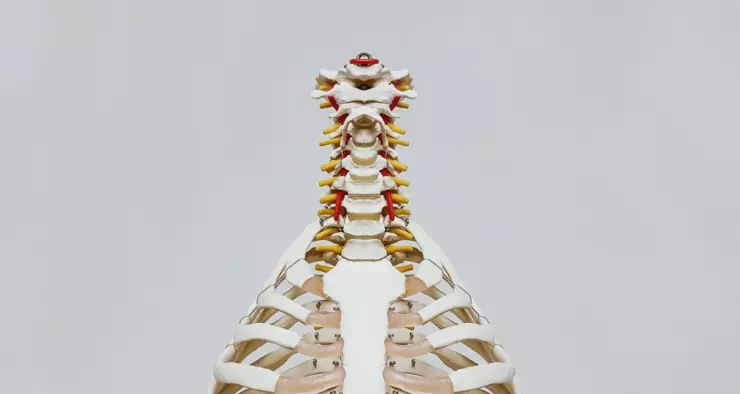
Cervical Spine: Structure, Disorders & Treatments Exploring the Unique Causes of Headaches in Denver and How Chiropractic Care Provides Relief The cervical spine, commonly referred to as the neck, consists of 7 bones labeled C1 to C7 vertebrae. These bones are cushioned by intervertebral discs that not only enable the neck to move smoothly but also serve as shock absorbers during physical activities. As an upper cervical chiropractor, I work almost exclusively with the C1 and C2 vertebrae. However, I’ve studied the entire cervical spine extensively and worked with patients on issues with all of the vertebrae in that area. You might become aware of your cervical spine as you stretch before a workout. Or perhaps you notice if tension has collected in that area before a chiropractic adjustment . What is the cervical spine ? The cervical spine, or the C spine, is the neck part of your spine that protects your spinal cord and helps you move your head around. Taking care of it is crucial for your overall well-being. The cervical spine is composed of smaller articular bones. Articular means the bones are connected by joints, making it the most flexible region of the spine. Because of this mobility, the cervical spine can be more susceptible to injuries and disorders. We’re here to help you understand and care for your cervical spine, so you can keep moving and feeling great. If you have any questions, don’t hesitate to ask. Your spine is in good hands! If you’re in the Denver area, schedule an appointment with DUCC by calling us at 303-955-8270 or by visiting our Contact Us page. Cervical Spine Anatomy The spine can be divided into 5 regions : the cervical spine, thoracic spine, lumbar spine, sacrum, and coccyx. The cervical spine is comprised of 7 small bones labeled from C1 to C7, connected by discs to form the structural foundation of your neck. Housed within this neck structure is your spinal cord, shielded by bone and layers of protective meninges. Your cervical spine includes essential nerves that extend to your neck, shoulders, arms, and hands. Muscles and ligaments provide the necessary strength and stability to keep everything in place. That’s a general overview; now, let’s discuss each part for an in-depth understanding. The anatomical parts of the cervical spine include: 7 Cervical Vertebrae The cervical vertebrae C1-C7 connect the base of the skull to the top of the back. These vertebrae are the smallest vertebral bones in the spinal column. They form a lordotic curve (a curve towards the front of the body). C1 and C2 (the atlas and axis) are called atypical vertebrae because they function quite differently than C3-C6, which are called the typical vertebrae. Then there’s C7, known as the unique vertebra. It bridges the cervical and thoracic spine. Atlas and Axis The atlas (C1) and axis (C2) are the top 2 vertebrae that can be found just beneath the skull. They form the craniocervical junction and they allow all range of motion for the head and neck. The atlas (C1) is named for the mighty Titan, Atlas. In Greek mythology, he rebels against Zeus and is sentenced to bear the weight of the heavens. Similarly, the vertebral atlas sustains the weight of the cranium and brain. The atlas is referred to as a cradle because it cradles the skull. The axis (C2) has a vertical bony protrusion known as the dens or odontoid process. The ring-shaped atlas fits over the dens, creating the medial atlanto-axial joint, allowing the head’s rotational movement. Atlanto-Occipital Joint The atlas anchors the occipital bone (base of the skull) to the spinal column via the atlanto-occipital joint. This joint allows for much of the forward and backward motion of the head. Spinous Process Each vertebra has a bone extension called the spinous process (the ridge you feel through the skin extending the length of the back), where muscles and ligaments connect. Cervical Discs In between the cervical vertebrae are cervical discs. They cushion the vertebrae and function as shock absorbers between the bones during daily activities. These intervertebral discs consist of a tough outer layer called the annulus fibrosus and a soft interior called the nucleus pulposus. Vertebral Endplate Between each vertebra and disc, the vertebral endplate helps transfer nutrients from the bone to the disc. Spinal Canal Each vertebra consists of a vertebral body and vertebral arch. The anterior vertebral arch, made up of 2 laminae and pedicles, encloses each vertebra. Vertebrae are connected via the facet joints, enabling flexion (forward and backward motion). Together, the vertebral body and arch form an enclosed space called the vertebral foramen. The stacked vertebrae with their foramina (plural of foramen) create a tunnel called the vertebral column or spinal canal, which contains the spinal cord. Put in simpler terms, each bone in your spine has a curved bony part in the back. These curves join together to make a long hollow tunnel that goes through your whole spine. We call this tunnel the spinal canal. It’s like a pathway for your spinal cord and bundles of nerves. Spinal Cord The spinal cord is the central structure within the spine that runs from the base of the brain to the lower back, responsible for transmitting signals between the brain and the body. It plays a crucial role in transmitting signals for movement, sensation, and various bodily functions. Your spinal cord is cushioned by cerebrospinal fluid (CSF) and wrapped in 3 protective layers called the meninges. The meninges consist of the dura mater, arachnoid mater, and pia mater. Foramina At each level of your spine, a pair of tiny openings called foramina let nerves come out. There’s one opening on the left and one on the right. Cervical Nerves Cervical nerves are specific branches of spinal nerves that emerge from the foramina in the cervical or neck region of the spinal cord. Each cervical nerve has a particular role in controlling different areas of the upper body, such as the neck, shoulders, arms, and hands. Vertebral Arteries Laced throughout the cervical spine are vertebral

Cervical Instability: Causes, Symptoms, & Treatments
Cervical Instability: Causes, Symptoms, & Treatments Exploring the Unique Causes of Headaches in Denver and How Chiropractic Care Provides Relief Cervical instability is a medical condition in which loose ligaments between the upper cervical spine and the base of the skull may lead to neuronal damage. Full disclosure from my years of experience treating patients with chiropractic care: This condition is massively over-diagnosed. However, I consider it with people suspicious of hyper mobility issues or with headaches and disequilibrium issues. When I suspect cervical instability in a patient, I take a lateral flexion anterior to posterior open mouth x-ray — that’s the best way to visualize it. If you have cervical instability, you may experience migraines, vertigo, or nausea, among other adverse symptoms. Fortunately, this condition is treatable. Let’s talk about the symptoms, causes, treatments, diagnosis, and prevention of cervical instability. What Is Cervical Instability? Cervical instability occurs when the ligaments in between your spinal cord and skull are loose. These “lax ligaments” allow for excessive movement of the top two cervical vertebrae, which may result in many symptoms, such as headaches, fainting, or even memory loss. Ligament laxity is a state in which ligaments that attach bone to bone are loose. Also called ligamentous laxity, this condition often causes chronic pain. It can affect the whole body, or only specific parts. You may have seen a friend hyperextend their finger, seemingly unnaturally. This is probably due to ligament laxity causing joint hypermobility syndrome. The ligaments connecting the bones in your friend’s finger are loose and allow for more range of motion. This abnormal range of motion in your neck area can trigger cervical instability. Ligament laxity may be caused by genetic connective tissue disorders, such as Ehlers-Danlos Syndrome or Marfan Syndrome. There are 2 joints at which the ligaments may be loose, leading to cervical instability: Atlanto-occipital joint Atlanto-axial joint Cervical instability is related to: Craniocervical instability Craniovertebral instability Clinical instability of the cervical spine Cervical neck instability Cervical spine instability Atlantoaxial instability What’s the difference between craniocervical instability and cervical instability? Craniocervical instability (CCI) and cervical instability are related concepts, but they refer to distinct conditions involving different parts of the spine and skull. Craniocervical instability involves the junction between the base of the skull (the occiput) and the top of the cervical spine (the first cervical vertebra, C1, also known as the atlas). Cervical instability involves the cervical spine, which is the neck region of the spine. It involves the vertebrae and ligaments and can affect the spinal cord and nerve roots in the neck area. Cervical Instability Symptoms Symptoms of cervical instability often include pain, weakness, numbness, and tingling. More severe neurological deficits may also present such as difficulty with coordination or loss of bladder or bowel control. Other cervical instability symptoms that may occur include: Feeling that your skull may “fall off” the spine Occipital headaches Migraines Muscle spasms Neck, shoulder , or jaw pain Difficulty swallowing Tenderness at the base of thee skull Light sensitivity Blurred vision Tinnitus (ringing in the ears) Orthostatic intolerance Tremors Vertigo Dizziness Clumsiness Fainting Limb weakness Shortness of breath Nausea Fatigue Lhermitte’s sign Cognitive decline Memory loss Loss of bladder or bowel control Trigeminal Neuralgia Cervical spine instability may lead to compression of the spinal cord or nerve roots in the cervical region. This compression can affect the function of the spinal cord, which is an extension of the brain stem. Abnormal pressure exerted on the nervous system may lead to a variety of neurological symptoms and impairments. Timely diagnosis and appropriate management are crucial to mitigate the impact on the nervous system and prevent further complications. Diagnosing Cervical Instability Diagnosing cervical spine instability can pose a challenge, often requiring the insights of a skilled orthopedic specialist to accurately detect. I can typically spot this problem in patients, but may refer them to an orthopedist to accurately diagnose if that can help open more treatment modality options. How do you test cervical instability ? The 4 methods for testing cervical instability include: Upright MRI: Magnetic resonance imaging Supine MRI: Laying on your back CT scan : Computerized tomography Digital motion x-ray As I stated earlier, I’ve found that a lateral flexion anterior to posterior open mouth x-ray is the most accurate diagnostic tool for proper visualization of this issue (if it exists). Abnormalities in the following measurements indicate cervical instability: Clivo-Axial Angle: Less than or equal to 135 degrees Grabb-Oakes measurement: Greater than or equal to 9 mm Harris measurement: Greater than 12mm Spinal subluxation : Any amount MRIs are the most common diagnostic testing method for cervical instability. A 2012 scientific investigation found that MRIs had limited diagnostic value in patients with whiplash-associated disorders such as cervical instability. Causes of Cervical Instability Cervical instability is caused by anterior and posterior ligament laxity between the skull and the top two vertebrae (the atlas and the axis ). This allows excessive movement and leads to a long list of physical and neurological symptoms. Causes of cervical instability may include: Whiplash or other injury causing rapid flexion/extension (such as from a car accident) Tethered cord syndrome Genetics Connective tissue disorders (such as Ehlers-Danlos Syndrome or rheumatoid arthritis) Chiari malformation Degeneration Treatments for Cervical Instability There are 5 standard treatments for fixing cervical instability: 1. Chiropractic Chiropractic care is a common and effective treatment for headaches , poor posture, and spinal misalignments — all of which are connected to cervical instability. Upper cervical chiropractic care may correct cervical instability. This 2020 study demonstrated how spinal chiropractic manipulative therapy can be used to correct cervical instability, joint disorders, dislocations of cervical vertebrae, and much more. Spinal manipulation is a safe and effective therapy when performed by a highly qualified chiropractor, even in special needs patients. Chiropractic treatment should always be considered before you move on to surgery. Note: Non-surgical spinal decompression therapy is not recommended for patients with cervical instability. Gentle adjustments of the upper spine are critical to recovering from cervical instability . Denver, CO residents can receive treatment with us at Denver Upper Cervical Chiropractic . Call us at 303-955-8270 to schedule an appointment. 2. Surgery Does cervical instability require surgery? You do not need surgery for cervical instability unless your instability has gotten