

Minimizing Inflammation in Denver: Protect Your Body and Improve Wellness Exploring the Unique Causes of Headaches in Denver and How Chiropractic Care Provides Relief Inflammation is the body’s natural response to injury, infection, or stress, but chronic inflammation can contribute to a range of health issues, including joint pain, nerve irritation, digestive problems, and cardiovascular concerns. For residents of Denver, understanding how to minimize inflammation is crucial for maintaining mobility, improving overall wellness, and enjoying an active lifestyle in the Rockies. This comprehensive guide explores the causes and effects of inflammation, practical strategies to reduce it, and local treatment options available in Denver for long-term health benefits. Understanding Inflammation Inflammation is a protective mechanism by which the body responds to injury or harmful stimuli. It can be classified into two types: 1. Acute Inflammation 2. Chronic Inflammation A short-term response to injury or infection Characterized by redness, heat, swelling, pain, and sometimes loss of function Helps the body heal and fight infection Long-term, low-grade inflammation that persists even without injury Often linked to lifestyle factors, autoimmune conditions, or poor diet Can lead to joint degeneration, nerve damage, and other health complications A short-term response to injury or infection Characterized by redness, heat, swelling, pain, and sometimes loss of function Helps the body heal and fight infection Long-term, low-grade inflammation that persists even without injury Often linked to lifestyle factors, autoimmune conditions, or poor diet Can lead to joint degeneration, nerve damage, and other health complications While acute inflammation is beneficial, chronic inflammation can silently affect spinal health, joint function, and overall wellness if left unaddressed. Causes of Chronic Inflammation Several factors contribute to ongoing inflammation: Poor diet – high in sugar, processed foods, and unhealthy fats Sedentary lifestyle – lack of movement leads to weakened muscles and poor circulation Stress – prolonged stress increases cortisol levels, which can exacerbate inflammation Spinal misalignments – particularly in the upper cervical spine (C1 and C2 vertebrae) can irritate nerves and trigger inflammatory responses Previous injuries – unresolved trauma can create chronic inflammation in affected areas Autoimmune conditions – the immune system mistakenly attacks healthy tissues Understanding these triggers is essential for developing an effective inflammation management plan. Symptoms of Inflammation Chronic inflammation can manifest in subtle or obvious ways, depending on which parts of the body are affected: Persistent joint or muscle pain Swelling in the hands, feet, or other joints Headaches, migraines, or brain fog Digestive issues such as bloating or discomfort Stiffness, particularly in the morning or after inactivity Fatigue or low energy Numbness, tingling, or weakness if nerves are involved For Denver residents, especially those with active lifestyles, inflammation can reduce mobility and performance, making preventive care crucial. How Spinal Health Impacts Inflammation The spine plays a central role in minimizing inflammation because it houses the spinal cord, which connects the brain to every part of the body. Misalignments, especially in the upper cervical spine (C1 and C2), can lead to: Nerve interference – irritation of spinal nerves increases localized inflammation Muscle tension – compensatory postural strain creates chronic inflammatory responses in soft tissues Reduced circulation – improper alignment can impair blood and lymphatic flow, slowing the removal of inflammatory chemicals Addressing spinal misalignments helps regulate nerve function and reduces chronic inflammatory stress on the body. Local Treatment Options for Minimizing Inflammation in Denver Residents searching for “chiropractic care near me” or “upper cervical specialist Denver” have access to effective local strategies to reduce inflammation and restore function: 1. Upper Cervical Chiropractic Care Targeted chiropractic adjustments focus on aligning the atlas (C1) and axis (C2) vertebrae: Reduces nerve interference that contributes to inflammation Promotes natural healing and improved blood flow Alleviates pain in the neck, shoulders, back, and extremities Supports posture and spinal stability to prevent further inflammatory stress Gentle, precise adjustments restore proper nervous system function, which is critical for controlling chronic inflammation. 2. Physical Therapy Therapy complements chiropractic care by reducing inflammation through movement and strengthening: Stretching tight muscles and ligaments Strengthening core, neck, and back muscles to stabilize the spine Postural retraining to reduce stress on inflamed joints Low-impact aerobic exercise to improve circulation and lymphatic drainage 3. Anti-Inflammatory Lifestyle Habits Lifestyle modifications are essential for long-term inflammation control: Nutrition: Incorporate anti-inflammatory foods such as leafy greens, berries, fatty fish, nuts, and olive oil while avoiding processed foods and excess sugar Exercise: Engage in low-impact activities like walking, swimming, yoga, or cycling Stress Management: Practices such as meditation, deep breathing, and mindfulness can reduce cortisol-driven inflammation Sleep: Adequate rest supports tissue repair and immune function 4. Pain and Symptom Management For acute flare-ups, residents may use: Heat or cold therapy to reduce swelling and pain Non-steroidal anti-inflammatory drugs (NSAIDs) under professional guidance Activity modification to prevent further irritation of inflamed areas 5. Medical Interventions In severe cases, medical management may include corticosteroid injections, biologics, or prescription anti-inflammatories, often combined with chiropractic and physical therapy for holistic care. Preventing Chronic Inflammation Proactive strategies help Denver residents prevent or reduce the progression of chronic inflammation: Maintain spinal alignment through regular upper cervical checkups Strengthen supportive muscles to reduce postural strain Avoid repetitive stress on joints and muscles Incorporate anti-inflammatory foods and hydration into daily routines Engage in regular low-impact exercise to boost circulation and joint health Manage stress and prioritize adequate sleep By addressing inflammation at its source, residents can maintain mobility, reduce pain, and improve overall wellness. The Benefits of Minimizing Inflammation Effectively managing inflammation provides numerous long-term benefits: Reduced joint and muscle pain Improved range of motion and spinal flexibility Enhanced nerve function and reduced nerve-related symptoms Better posture and body mechanics Increased energy, focus, and overall quality of life For Denver residents, controlling inflammation means fewer limitations during outdoor adventures, sports, or daily activities. When to Seek Professional Care Seek evaluation if inflammation is accompanied by: Persistent pain or swelling in joints or muscles Tingling, numbness, or weakness in arms or legs Headaches, migraines, or dizziness linked to neck misalignment Limited mobility or difficulty performing

Arthritis in Denver: Understanding Joint Health and Effective Local Care
Arthritis in Denver: Understanding Joint Health and Effective Local Care Exploring the Unique Causes of Headaches in Denver and How Chiropractic Care Provides Relief Arthritis is a common condition that affects millions of people worldwide, including residents of Denver. It involves inflammation of the joints, leading to pain, stiffness, and reduced mobility. While arthritis is often associated with aging, it can affect individuals of all ages, caused by wear and tear, autoimmune conditions, or previous injuries. Understanding the types, causes, symptoms, and treatment options for arthritis is essential for maintaining joint health and preserving an active lifestyle in Denver. This comprehensive guide explores arthritis in depth, focusing on local solutions to manage symptoms, improve mobility, and enhance overall quality of life. What Is Arthritis? Arthritis is a broad term describing inflammation in one or more joints. The two most common types include: 1. Osteoarthritis (OA) 2. Rheumatoid Arthritis (RA) Caused by wear and tear on the cartilage that cushions joints Leads to joint stiffness, pain, and reduced range of motion Most commonly affects knees, hips, hands, and spine An autoimmune condition where the body’s immune system attacks joint tissue Causes inflammation, swelling, and pain in multiple joints Can affect other systems in the body, including the eyes, lungs, and heart Caused by wear and tear on the cartilage that cushions joints Leads to joint stiffness, pain, and reduced range of motion Most commonly affects knees, hips, hands, and spine An autoimmune condition where the body’s immune system attacks joint tissue Causes inflammation, swelling, and pain in multiple joints Can affect other systems in the body, including the eyes, lungs, and heart Other forms of arthritis include psoriatic arthritis, gout, and juvenile arthritis. Understanding the type of arthritis is essential for developing an effective treatment plan. Causes and Risk Factors Several factors contribute to the development of arthritis: Aging – natural wear and tear increase risk for osteoarthritis Genetics – family history can predispose individuals to rheumatoid arthritis Previous injuries – joint trauma can accelerate degeneration Obesity – extra weight places additional stress on joints, particularly the knees and hips Repetitive strain – repetitive movements or occupational stress can contribute to joint degeneration Autoimmune conditions – an overactive immune response can target joint tissue, causing inflammation Residents of Denver who enjoy high-impact outdoor activities like skiing, hiking, or mountain biking may be at higher risk of developing joint injuries that contribute to arthritis later in life. Symptoms of Arthritis Arthritis symptoms vary depending on the type and severity of the condition, but common signs include: Joint pain and tenderness Swelling and warmth around affected joints Stiffness, especially in the morning or after inactivity Reduced range of motion Fatigue and overall discomfort Numbness or tingling if nerve compression occurs In severe cases, arthritis can significantly limit mobility, making everyday activities such as walking, climbing stairs, or lifting objects challenging. How Arthritis Affects the Spine and Nerves Arthritis in the cervical spine (neck) or lumbar spine (lower back) can impact nerve function, leading to symptoms that extend beyond the joints: Cervical arthritis – may compress spinal nerves, causing pain, tingling, or weakness in shoulders, arms, and hands Lumbar arthritis – can irritate the sciatic nerve, leading to pain, numbness, or weakness in the lower back, hips, and legs Postural imbalances – chronic joint degeneration can alter posture, creating secondary pain and muscle tension Proper management of arthritis not only alleviates joint pain but also protects nerve function and overall mobility. Diagnosing Arthritis A thorough evaluation is critical to accurately identify the type and severity of arthritis: Medical history – examining previous injuries, family history, and symptom patterns Physical examination – assessing joint tenderness, swelling, range of motion, and posture Imaging studies – X-rays, MRI, or CT scans to evaluate cartilage loss, bone spurs, and joint degeneration Laboratory tests – blood tests may detect autoimmune markers for conditions like rheumatoid arthritis Accurate diagnosis ensures a treatment plan that addresses the root cause rather than only managing symptoms. Treatment Options for Arthritis in Denver Residents have access to a variety of local treatment options designed to reduce pain, restore mobility, and improve quality of life: 1. Upper Cervical Chiropractic Care Specialized chiropractic care targeting the cervical spine can be beneficial, especially for patients with arthritis affecting the neck: Restores proper spinal alignment to relieve nerve compression Reduces chronic pain and stiffness Improves posture and joint function Supports the body’s natural healing process Gentle, precise adjustments are preferred over forceful techniques, ensuring safety for patients with joint degeneration. 2. Physical Therapy Physical therapy strengthens muscles surrounding affected joints, improves flexibility, and reduces stress on arthritic joints: Range-of-motion exercises Strengthening of supporting muscles around the spine, hips, and knees Balance and coordination training to prevent falls Postural retraining for everyday activities 3. Lifestyle and Home Care Daily habits can help manage arthritis symptoms and slow progression: Maintain a healthy weight to reduce joint stress Engage in low-impact activities like swimming, cycling, or walking Use ergonomic seating and supportive shoes Apply heat or cold therapy to reduce inflammation and stiffness 4. Medications Medication can help control inflammation and relieve pain: Non-steroidal anti-inflammatory drugs (NSAIDs) Analgesics for pain management Disease-modifying anti-rheumatic drugs (DMARDs) for autoimmune arthritis Medication should always be used under the supervision of a healthcare professional. 5. Surgical Intervention In severe cases, surgical procedures may be recommended: Joint replacement for hips, knees, or shoulders Spinal decompression for nerve compression caused by arthritis Arthroscopic procedures to repair or remove damaged cartilage Surgery is usually considered only when conservative treatments do not provide sufficient relief. Preventing Arthritis Flare-Ups While some risk factors cannot be changed, preventive strategies can reduce the severity of arthritis symptoms and slow progression: Strengthen muscles surrounding joints to support proper alignment Practice proper posture and ergonomics in daily activities Avoid repetitive stress on vulnerable joints Engage in regular, low-impact exercise Maintain a balanced diet rich in anti-inflammatory foods Denver residents who incorporate preventive care into their lifestyle are better equipped to maintain mobility and
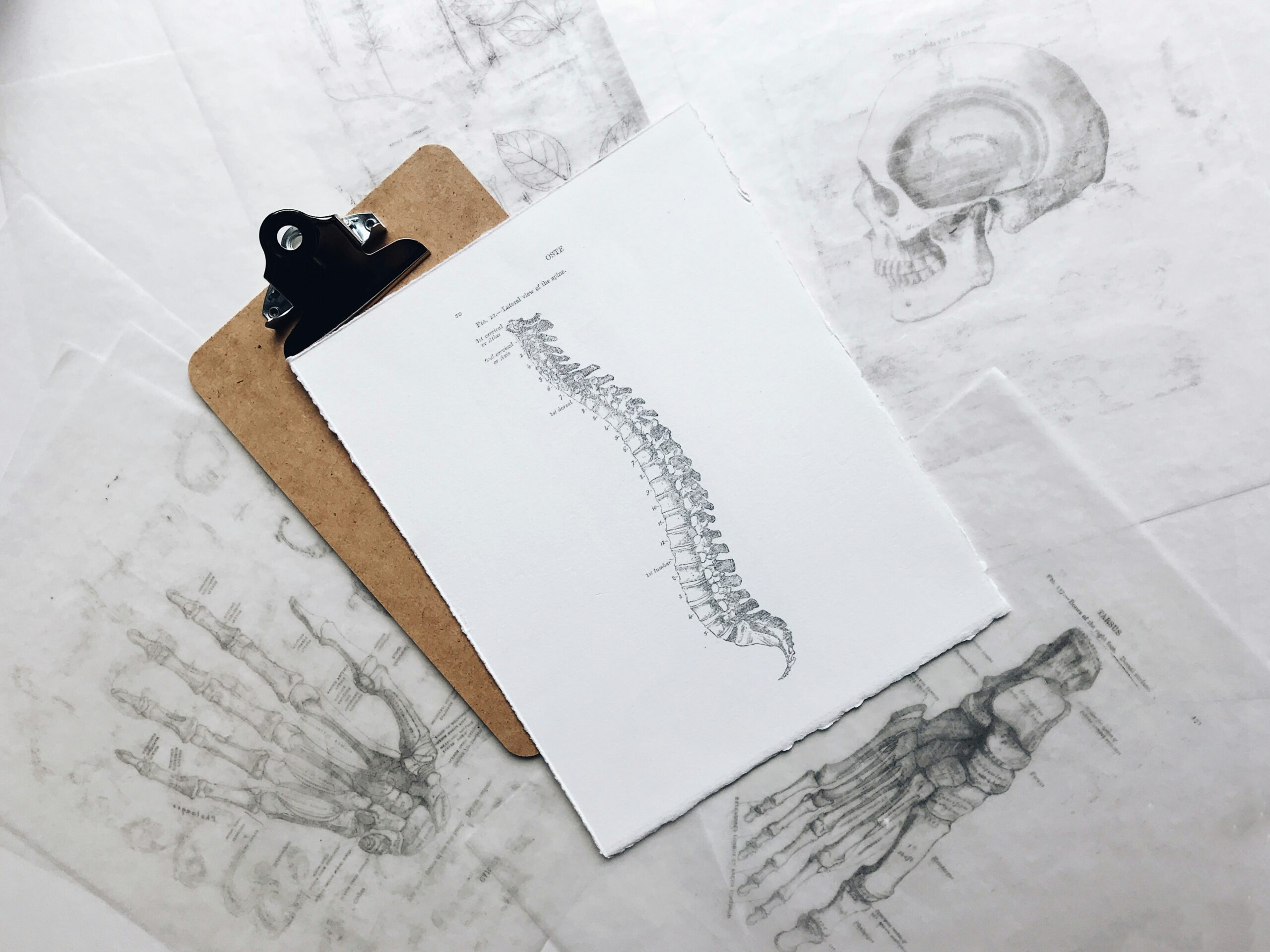
Degenerative Changes in Denver: Understanding Spinal Wear and How to Protect Your Health
Degenerative Changes in Denver: Understanding Spinal Wear and How to Protect Your Health Exploring the Unique Causes of Headaches in Denver and How Chiropractic Care Provides Relief Degenerative changes in the spine are a natural part of aging, but when left untreated, they can lead to chronic pain, nerve compression, reduced mobility, and a lower quality of life. For residents of Denver, maintaining spinal health is essential for staying active, whether enjoying the Rockies, cycling through city trails, or navigating daily routines. This comprehensive guide explores the causes, symptoms, effects, and treatment options for degenerative changes, with a focus on local solutions to support long-term spinal health. What Are Degenerative Changes? Degenerative changes refer to the gradual wear and tear of the spine, particularly in the intervertebral discs, vertebrae, ligaments, and facet joints. Common types of degenerative changes include: Disc degeneration – loss of hydration and elasticity in spinal discs Osteoarthritis – breakdown of cartilage in spinal joints Ligament thickening – loss of flexibility in spinal ligaments Bone spurs (osteophytes) – bony growths that can develop due to joint stress These changes can affect any part of the spine, but they are particularly impactful in the cervical (neck) and lumbar (lower back) regions, where mobility and nerve function are critical. Causes of Degenerative Changes Several factors contribute to spinal degeneration: 1. Aging Natural wear and tear over time reduces disc height and joint flexibility, leading to stiffness and reduced mobility. 2. Repetitive Stress Frequent lifting, bending, or repetitive movements can accelerate spinal degeneration, especially in physically active individuals. 3. Previous Injuries Whiplash, falls, or sports-related trauma can destabilize the spine, promoting degenerative changes over time. 4. Poor Posture Forward-head posture, slouching, and prolonged sitting can increase stress on the cervical spine, accelerating degeneration. 5. Genetics Some individuals are genetically predisposed to faster degeneration, particularly in the discs and joints. 6. Lifestyle Factors Smoking, inactivity, and obesity can reduce spinal resilience and accelerate wear and tear. Diagnosing Degenerative Changes A thorough evaluation is essential to determine the severity and location of degenerative changes: Medical history review – documenting previous injuries, symptoms, and lifestyle factors Physical examination – assessing posture, range of motion, muscle strength, and neurological function Imaging studies – X-rays, MRI, or CT scans to detect disc degeneration, osteoarthritis, or bone spurs Functional assessments – identifying compensatory patterns and postural imbalances Accurate diagnosis allows for targeted treatment rather than only managing symptoms. Preventing Progression of Degenerative Changes Preventive measures help slow degeneration and maintain spinal health: Strengthen postural and core-supporting muscles regularly Maintain proper ergonomic setups at work and home Avoid repetitive strain and high-impact trauma Schedule routine chiropractic or physical therapy evaluations Stay active with low-impact exercises that maintain flexibility and spinal resilience Denver residents who enjoy outdoor activities benefit from proactive spinal care to prevent injury and maintain mobility. Living with Degenerative Changes With proper care, individuals can manage degenerative changes and maintain an active, pain-free lifestyle: Active residents: Improved alignment and strength support hiking, skiing, and cycling Office workers: Better posture reduces neck and back strain from prolonged sitting Older adults: Reduced risk of falls and improved balance enhance independence Combining spinal care, targeted therapy, and lifestyle adjustments addresses the root cause of degeneration and improves overall quality of life. Symptoms of Degenerative Changes Degenerative changes may develop slowly and cause a range of symptoms, including: Chronic neck or back pain Stiffness and limited range of motion Radiating pain to shoulders, arms, or legs due to nerve compression Tingling, numbness, or weakness in extremities Headaches or migraines linked to cervical spine changes Muscle spasms and postural imbalances Difficulty standing, walking, or performing daily activities Early recognition is key, as untreated degeneration can lead to more severe nerve damage and loss of mobility. How Degenerative Changes Affect Nerves The spine houses the spinal cord, and spinal nerves exit through small openings between vertebrae. Degenerative changes can reduce these spaces, leading to nerve compression, which may result in: Cervical nerve compression – pain, tingling, or weakness radiating into the shoulders, arms, and hands Lumbar nerve compression (sciatica) – pain, numbness, or weakness in the lower back, hips, or legs Impaired coordination – difficulty with balance or precise movements Addressing degeneration early helps prevent chronic nerve interference and long-term discomfort. Treatment Options in Denver Residents seeking relief from degenerative changes have several local treatment options: 1. Upper Cervical Chiropractic Care Chiropractic care, particularly upper cervical-focused, helps restore proper spinal alignment and nerve function: Realigns the atlas (C1) and axis (C2) to relieve cervical nerve pressure Reduces systemic discomfort affecting shoulders, arms, and upper back Supports improved posture and spinal mobility Promotes the body’s natural healing mechanisms Specialized clinics in Denver offer precise, gentle adjustments targeting the root cause of degeneration-related symptoms. 2. Physical Therapy Therapy strengthens supporting muscles, improves flexibility, and reduces stress on degenerated areas: Core, neck, and back strengthening exercises Stretching tight muscles and ligaments Postural retraining for daily activities Balance and functional movement training 3. Lifestyle Modifications Daily habits significantly impact the progression of degeneration: Maintain proper posture at work and home Engage in low-impact activities like swimming, yoga, or Pilates Use supportive seating and ergonomic equipment Maintain a healthy weight and avoid smoking 4. Pain Management Acute pain may require temporary relief strategies: Heat or cold therapy to reduce inflammation Non-steroidal anti-inflammatory medications (NSAIDs) Activity modification to reduce stress on affected spinal segments 5. Surgical Intervention Surgery is typically reserved for severe degeneration with nerve compression or structural instability. Conservative care often provides significant relief without the need for invasive procedures. When to Seek Professional Care Residents should consult a specialist if they experience: Persistent neck or back pain Numbness, tingling, or weakness in the arms or legs Headaches or migraines linked to cervical spine issues Difficulty performing daily activities or maintaining posture Early intervention helps prevent long-term nerve damage and preserves mobility. Long-Term Outlook With consistent treatment and lifestyle management, degenerative changes can be effectively controlled: Reduced chronic pain and muscle tension Improved spinal

Poor Posture in Denver: How Misalignment Affects Your Health and How to Fix It
Poor Posture in Denver: How Misalignment Affects Your Health and How to Fix It Exploring the Unique Causes of Headaches in Denver and How Chiropractic Care Provides Relief Poor posture is more than just standing or sitting awkwardly—it can be a root cause of chronic pain, fatigue, and even nerve issues that impact your overall health. For residents of Denver, long hours at desks, active lifestyles, and repetitive motions can all contribute to posture problems. Understanding the causes, consequences, and solutions for poor posture is key to restoring spinal alignment, improving nerve function, and enhancing overall well-being. This comprehensive guide explores how poor posture develops, its effects on the body, and effective strategies to improve posture locally in Denver. Understanding Poor Posture Poor posture occurs when the spine is out of its natural alignment, placing uneven stress on muscles, joints, and ligaments. Common postural misalignments include: Forward head posture – the head juts forward, straining the neck and shoulders Rounded shoulders – shoulders roll forward, compressing the chest and upper back Slouched upper back – thoracic spine curves excessively Pelvic tilt or swayback – hips and lower spine misaligned Even subtle misalignments in the cervical spine, such as issues in the atlas (C1) or axis (C2) vertebrae, can have ripple effects throughout the body, affecting nerve function, muscle tension, and overall balance. Common Causes of Poor Posture Several factors contribute to posture problems in modern life: 1. Sedentary Lifestyle Extended periods of sitting—especially at computers or on smartphones—promote forward head posture and rounded shoulders. 2. Weak Muscles Weakness in the core, upper back, and neck muscles can reduce spinal support, leading to slouching and fatigue. 3. Injury or Previous Trauma Whiplash, falls, or sports injuries can misalign the spine, leading to compensatory posture patterns that place additional stress on muscles and joints. 4. Repetitive Movements Repeated motions, such as lifting, typing, or carrying heavy bags, can cause muscular imbalances that encourage poor posture. 5. Degenerative Spinal Changes Age-related changes like disc degeneration or arthritis can affect spinal alignment, making it harder to maintain proper posture naturally. Effects of Poor Posture on Health Poor posture is not just cosmetic—it has significant physical and neurological consequences: 1. Neck Pain and Headaches Forward head posture increases stress on cervical vertebrae, leading to tension headaches, migraines, and chronic neck pain. 2. Shoulder and Upper Back Pain Rounded shoulders and a hunched upper back can compress muscles and nerves, resulting in shoulder tension, pain, or numbness that sometimes radiates to the arms. 3. Nerve Compression Misalignments in the cervical spine can irritate nerves, leading to tingling, numbness, or weakness in the arms and hands. 4. Fatigue and Reduced Energy Poor posture forces muscles to work harder to maintain balance, causing fatigue, decreased endurance, and impaired physical performance. 5. Digestive and Respiratory Issues Slouching can compress the chest and abdomen, limiting lung capacity and potentially affecting digestion over time. 6. Impaired Balance and Coordination Cervical misalignments can interfere with nerve signals controlling balance, increasing the risk of falls or injury during daily activities. Recognizing Poor Posture Identifying poor posture early is critical for prevention and treatment. Look for: Forward head or rounded shoulders Visible slouching while standing or sitting Uneven shoulders or hips Chronic neck, shoulder, or back pain Difficulty maintaining balance or coordination Muscle fatigue during routine activities Postural assessment by a trained specialist can pinpoint the root cause of misalignment and guide corrective strategies. Treatment Options in Denver For residents seeking to correct posture problems, local solutions focus on restoring alignment, reducing nerve irritation, and strengthening supportive muscles. 1. Upper Cervical Chiropractic Care Specialized chiropractic care targets the atlas (C1) and axis (C2) vertebrae, addressing the root causes of misalignment: Gently corrects upper cervical misalignments Reduces nerve interference affecting shoulders, arms, and upper back Improves posture, balance, and spinal function Alleviates chronic neck pain and headaches Precision techniques focus on subtle adjustments rather than forceful twisting, supporting long-term spinal health. 2. Physical Therapy Therapy complements chiropractic care by retraining muscles and improving posture: Strengthening exercises for neck, back, and core Postural retraining for daily activities Stretching tight muscles in the shoulders, chest, and neck Balance and coordination training 3. Ergonomic and Lifestyle Adjustments Small changes in daily habits can support proper posture: Adjust desk height and chair support for optimal ergonomics Use supportive pillows for proper neck alignment during sleep Take regular breaks to move and stretch Practice mindful posture awareness during activities 4. Pain Management Temporary interventions may be necessary for acute discomfort: Heat or cold therapy to reduce muscle tension Non-steroidal anti-inflammatory medications (NSAIDs) Activity modification to reduce strain Preventing Poor Posture Prevention is the best strategy for maintaining the body’s natural alignment: Strengthen core, neck, and back muscles regularly Maintain proper ergonomics at work and home Avoid prolonged sitting or forward-head positions Schedule routine postural evaluations Engage in low-impact physical activity to promote flexibility and spinal health For Denver residents who hike, cycle, ski, or participate in other recreational activities, proactive posture care is especially important to prevent injury and chronic pain. Living with Improved Posture Correcting poor posture has profound effects on daily life: Enhanced mobility and flexibility – easier movement and reduced stiffness Reduced pain – less strain on the neck, shoulders, and back Better energy and endurance – muscles work more efficiently Improved balance and coordination – reduced risk of falls and injuries Overall wellness – better breathing, digestion, and body mechanics Addressing spinal misalignments, strengthening supportive muscles, and maintaining proper ergonomics empowers Denver residents to live an active, pain-free lifestyle. When to Seek Professional Care Residents should seek evaluation if they experience: Chronic neck, shoulder, or back pain Tingling, numbness, or weakness in the arms Dizziness or balance problems Persistent headaches or migraines Difficulty maintaining proper posture despite conscious effort Early intervention helps prevent long-term nerve, joint, or muscular issues. Long-Term Benefits of Correcting Poor Posture With consistent care and attention, correcting posture can provide: Reduced pain and muscle tension Improved spinal alignment and nerve function

Body’s Natural Balance in Denver: How Alignment Impacts Health and Wellness
Body’s Natural Balance in Denver: How Alignment Impacts Health and Wellness Exploring the Unique Causes of Headaches in Denver and How Chiropractic Care Provides Relief Maintaining the body’s natural balance is crucial for overall health, mobility, and longevity. Balance is not just about standing upright or preventing falls — it’s the result of proper alignment, strong musculoskeletal support, and optimal nervous system function. For residents of Denver, understanding how the body’s natural balance works, how misalignments disrupt it, and how to restore it is essential for preventing pain, enhancing performance, and supporting long-term wellness. This comprehensive guide explores the factors influencing the body’s balance, the consequences of spinal and postural misalignments, strategies to restore natural equilibrium, and local treatment options in Denver. Understanding the Body’s Natural Balance The human body maintains balance through a complex interplay between: Musculoskeletal system – bones, joints, and muscles that support posture and movement Nervous system – the brain and spinal cord that coordinate motor control and reflexes Vestibular system – inner ear structures that detect motion and orientation Visual system – eyes providing spatial awareness and positioning cues When all these systems work together harmoniously, the body maintains its natural balance, allowing smooth, coordinated movement and reducing strain on joints, muscles, and the spine. How Spinal Alignment Affects Balance The spine is central to the body’s natural balance. Proper alignment ensures: Even weight distribution across the body Optimal posture and muscular coordination Efficient nerve signal transmission from the brain to muscles Reduced risk of compensatory strain in the shoulders, back, hips, and legs Misalignments, particularly in the cervical spine (neck) or upper cervical region (C1 and C2 vertebrae), can disrupt these processes. Even slight vertebral shifts can: Alter head positioning, affecting the vestibular and visual systems Increase tension in surrounding muscles, reducing coordination Impair nerve communication, leading to pain, weakness, or numbness For Denver residents who enjoy hiking, skiing, or other active pursuits, spinal misalignments can compromise performance and increase the risk of injury. Signs Your Body’s Balance May Be Off Recognizing the early signs of imbalance allows for timely intervention: Frequent falls or near-falls Dizziness, vertigo, or unsteady gait Chronic neck, back, or shoulder pain Muscle tension in multiple areas of the body Fatigue or difficulty coordinating movements Headaches or migraines linked to posture These symptoms often stem from misalignments or nerve interference that disrupt communication between the brain, spine, and muscles. How the Nervous System Contributes to Balance The nervous system plays a central role in maintaining the body’s equilibrium: Nerves from the cervical spine communicate with muscles to control head and trunk position Proper brainstem function ensures timely reflexes and coordination Misalignments in the upper cervical region can distort nerve signaling, resulting in compensatory tension and postural instability Addressing nerve interference through precise spinal care restores communication pathways, enhancing natural balance throughout the body. Preventing Balance Issues Prevention is key to maintaining the body’s natural equilibrium: Strengthen neck, back, and core muscles regularly Maintain proper posture throughout daily activities Avoid prolonged sitting or repetitive strain Schedule routine upper cervical or chiropractic evaluations Stay active to enhance flexibility, coordination, and proprioception Denver residents engaged in outdoor activities benefit from proactive balance care to prevent injury and support long-term mobility. Living with Restored Balance Restoring the body’s natural balance positively affects daily life: Active residents: Improved stability enhances performance in skiing, hiking, cycling, and fitness activities Office workers: Better posture and spinal alignment reduce chronic tension and fatigue Older adults: Enhanced balance decreases fall risk and improves confidence in movement By targeting spinal alignment, nervous system function, and muscular support, residents can maintain optimal balance for both daily activities and recreational pursuits. Common Causes of Disrupted Body Balance Several factors can disturb the body’s natural balance: 1. Upper Cervical Misalignments Misalignments in the atlas (C1) and axis (C2) vertebrae interfere with brainstem function and nerve signaling, potentially causing dizziness, headaches, and postural instability. 2. Previous Injuries Car accidents, falls, or sports-related trauma can leave lingering effects on spinal alignment, leading to compensatory movement patterns and loss of equilibrium. 3. Poor Posture Extended periods of slouching, forward-head posture, or improper ergonomics can weaken postural muscles and reduce balance efficiency. 4. Muscle Weakness or Imbalance Weak or tight muscles in the core, back, and legs can impair the body’s ability to stabilize itself, particularly during movement or on uneven surfaces. 5. Neurological Conditions Certain neurological conditions, including peripheral neuropathy or vestibular disorders, can directly affect balance and coordination. Treatment Options to Restore Natural Balance in Denver Residents searching for “balance restoration near me” or “Denver chiropractor for postural alignment” have access to several effective treatment options: 1. Upper Cervical Chiropractic Care Upper cervical care focuses on realigning the atlas (C1) and axis (C2) to restore optimal nervous system function: Reduces nerve interference affecting the entire body Improves posture and spinal alignment Alleviates dizziness, headaches, and systemic tension Supports natural musculoskeletal balance Local clinics like Denver Upper Cervical Chiropractic specialize in precise, gentle adjustments that target root causes rather than just symptoms. 2. Physical Therapy and Strength Training Physical therapy reinforces balance by strengthening key muscles and improving coordination: Core stabilization exercises Postural retraining and alignment correction Stretching tight muscles in the neck, back, and legs Balance and proprioception training for functional movement 3. Lifestyle and Ergonomic Adjustments Maintaining natural balance requires consistent habits: Proper desk ergonomics to prevent forward-head posture Supportive footwear and footwear adjustments for outdoor activities Regular low-impact exercise, such as yoga, Pilates, or swimming Mindful movement during hiking, climbing, or sports 4. Pain Management Temporary interventions may be necessary for flare-ups: Heat or cold therapy Non-steroidal anti-inflammatory medications (NSAIDs) Activity modification to reduce strain on muscles and joints When to Seek Professional Care Seek evaluation if you experience: Frequent dizziness or imbalance Chronic neck, back, or shoulder pain Difficulty performing routine movements Headaches or migraines associated with postural issues Early intervention ensures that the nervous system, spine, and muscles work in harmony, supporting the body’s natural balance and preventing long-term complications.

Axis Vertebrae (C1 and C2) in Denver: Understanding the Backbone of Neck Health
Axis Vertebrae (C1 and C2) in Denver: Understanding the Backbone of Neck Health Exploring the Unique Causes of Headaches in Denver and How Chiropractic Care Provides Relief The axis vertebrae, comprising C1 (atlas) and C2 (axis), are the top two vertebrae in the cervical spine and play a critical role in supporting the head, facilitating movement, and protecting the spinal cord. Misalignments or dysfunction in these vertebrae can have far-reaching effects, including chronic neck pain, headaches, nerve compression, and postural issues. For residents of Denver, understanding the importance of the C1 and C2 vertebrae is essential for maintaining spinal health and overall wellness. This comprehensive guide explores the anatomy and function of the axis vertebrae, common issues, symptoms, diagnosis, treatment options in Denver, and strategies for prevention and recovery. Anatomy and Function of C1 and C2 The Atlas (C1) The Axis (C2) The C1 vertebra, known as the atlas, is the first cervical vertebra and directly supports the skull. Its primary functions include: Supporting the weight of the head – allowing the nodding motion (“yes” movement) Protecting the brainstem and upper spinal cord Facilitating nerve signal transmission – ensuring communication between the brain and body The C2 vertebra, known as the axis, sits directly below the atlas and provides a pivot point for the head: Enables rotation of the head (“no” movement) Maintains cervical stability Protects nerves and the spinal cord The C1 vertebra, known as the atlas, is the first cervical vertebra and directly supports the skull. Its primary functions include: Supporting the weight of the head – allowing the nodding motion (“yes” movement) Protecting the brainstem and upper spinal cord Facilitating nerve signal transmission – ensuring communication between the brain and body The C2 vertebra, known as the axis, sits directly below the atlas and provides a pivot point for the head: Enables rotation of the head (“no” movement) Maintains cervical stability Protects nerves and the spinal cord Together, C1 and C2 form a complex joint that allows smooth head movement while ensuring that the nervous system remains protected. Misalignment or injury to these vertebrae can disrupt spinal mechanics and cause nerve interference. Common Issues Affecting the Axis Vertebrae Several factors can lead to dysfunction in the C1 and C2 vertebrae: 1. Trauma and Whiplash Car accidents and sudden impacts Falls or sports-related injuries Physical trauma to the head or neck Even minor trauma can shift these vertebrae slightly out of alignment, creating pain and nerve irritation. 2. Poor Posture Forward-head posture from prolonged computer or phone use Slouching during sitting or sleeping Chronic neck strain from daily activities Over time, poor posture can cause misalignment in the upper cervical spine, affecting C1 and C2. 3. Degenerative Changes Age-related wear and tear, such as disc degeneration or osteoarthritis, can impact the function of C1 and C2, leading to stiffness, nerve compression, and reduced range of motion. 4. Previous Injuries Past neck or spinal injuries can destabilize the upper cervical region, making the axis vertebrae more prone to misalignment and chronic discomfort. Symptoms of Axis Vertebrae Dysfunction Misalignments or issues with C1 and C2 can produce symptoms beyond the neck due to nerve involvement and postural compensation. Common signs include: Chronic neck pain or stiffness Headaches and migraines Dizziness or balance problems Pain radiating to the shoulders, arms, or upper back Fatigue or difficulty concentrating Muscle tension in the upper back and shoulders Tingling, numbness, or weakness in the arms or hands Because these vertebrae protect the brainstem and facilitate nerve communication, even minor misalignments can lead to systemic symptoms that seem unrelated to the neck itself. How C1 and C2 Misalignments Affect the Nervous System The atlas and axis encase and protect the brainstem, the hub of nerve signal transmission between the brain and body. Misalignment can: Compress or irritate spinal nerves Impair nerve signaling to the shoulders, arms, and upper back Trigger muscle imbalances and postural strain Contribute to chronic pain, headaches, or neurological symptoms This explains why patients often experience discomfort in areas distant from the cervical spine. Addressing C1 and C2 misalignments is critical for whole-body relief. Diagnosing Issues with the Axis Vertebrae Accurate diagnosis is essential because misalignments can be subtle and difficult to detect on standard imaging. Denver specialists typically use: Specialized upper cervical X-rays – precise measurement of vertebral alignment Postural and movement analysis – identifying compensatory patterns Neurological assessment – testing reflexes, muscle strength, and sensation Comprehensive patient history – reviewing trauma, lifestyle factors, and symptom patterns Early diagnosis ensures targeted treatment, reducing the risk of chronic nerve or musculoskeletal complications. Prevention of Axis Vertebrae Dysfunction Preventive measures help maintain upper cervical health and reduce systemic symptoms: Strengthen neck, shoulder, and upper back muscles Maintain proper posture during work and daily activities Avoid repetitive strain or trauma Schedule routine upper cervical evaluations Stay active with low-impact exercises to maintain flexibility and spinal health For Denver residents, proactive care is especially beneficial for those engaging in hiking, skiing, cycling, and other high-impact activities. Living with C1 and C2 Issues in Denver The function of the atlas and axis affects not only neck health but overall quality of life. Residents can experience improved wellness through targeted care: Outdoor enthusiasts: Proper alignment enhances balance and mobility for skiing, hiking, and cycling. Office workers: Correcting misalignments relieves tension from prolonged desk work. Active adults: Maintaining C1 and C2 alignment reduces the risk of secondary spinal issues and improves performance. Addressing upper cervical dysfunction early can prevent chronic pain and systemic symptoms, allowing residents to enjoy Denver’s active lifestyle. When to Seek Professional Care Residents should seek evaluation if they experience: Persistent neck pain or stiffness Chronic headaches or migraines Tingling, numbness, or weakness in the arms or shoulders Dizziness or balance issues Early intervention restores C1 and C2 alignment, relieves nerve interference, and improves overall function and comfort. Treatment Options in Denver For residents searching for “upper cervical care near me” or “Denver chiropractor for C1 and C2 alignment,” several conservative treatment options are
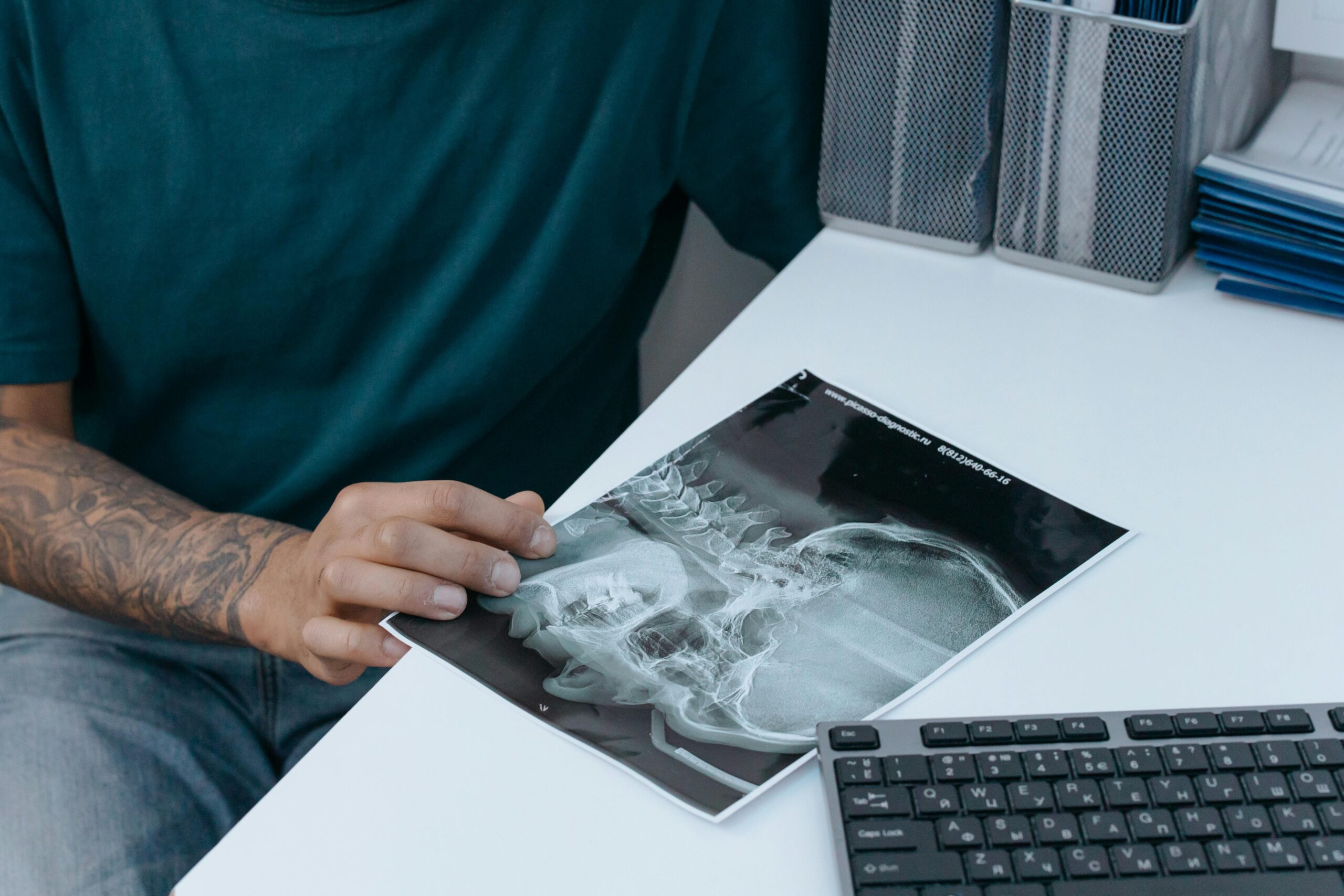
Atlas Vertebra in Denver: The Key to Spinal Health and Nervous System Function
Atlas Vertebra in Denver: The Key to Spinal Health and Nervous System Function Exploring the Unique Causes of Headaches in Denver and How Chiropractic Care Provides Relief The atlas vertebra, also known as C1, is the first vertebra in the cervical spine and plays a pivotal role in supporting the head, protecting the brainstem, and maintaining proper nervous system communication. Despite its small size, misalignments or dysfunctions in the atlas can lead to widespread issues throughout the body — from chronic neck pain to nerve-related symptoms in the shoulders, arms, and back. For residents of Denver, understanding the importance of the atlas is essential for maintaining long-term spinal health and overall wellness. This comprehensive guide explores the anatomy and function of the atlas, common issues that affect it, symptoms, local treatment options, and strategies for prevention. What Is the Atlas Vertebra? The atlas (C1) is the topmost vertebra of the cervical spine. Its primary functions include: Supporting the skull – it carries the weight of the head and allows for nodding motion (“yes” movement) Protecting the brainstem – which is responsible for vital nerve signaling Facilitating nervous system communication – nerves from C1 connect to various parts of the body, including the neck, shoulders, and arms Maintaining proper spinal alignment – it ensures that the rest of the cervical spine and body are properly balanced Because of its critical location and function, even minor misalignments of the atlas can have significant consequences throughout the body. Common Atlas-Related Issues Several factors can affect the function and alignment of the atlas, including: 1. Trauma and Injuries Car accidents or whiplash injuries Sports injuries such as falls, skiing, or cycling accidents Physical trauma to the head or neck Trauma can shift the atlas slightly out of alignment, irritating nerves and affecting posture. 2. Poor Posture Forward-head posture from prolonged computer use Slouching or improper sleeping positions Chronic neck strain from daily activities Over time, poor posture can stress the atlas and contribute to misalignments. 3. Previous Neck or Back Injuries Prior injuries can destabilize the cervical spine, making the atlas more susceptible to misalignment and nerve interference. 4. Degenerative Changes Age-related disc degeneration or arthritis in the cervical spine can alter the position of the atlas, reducing mobility and increasing nerve pressure. Symptoms of Atlas Misalignment Because the atlas protects the brainstem and communicates with the nervous system, misalignments can produce symptoms throughout the body: Chronic neck pain or stiffness Headaches or migraines Shoulder or arm pain Tingling or numbness in the extremities Muscle weakness in the upper body Dizziness, balance issues, or vertigo Fatigue or difficulty concentrating Often, patients are surprised to learn that symptoms in the shoulders, arms, or back may originate from a misaligned atlas rather than the areas where pain is felt. How Atlas Misalignments Affect the Nervous System The atlas encases and protects the brainstem — the critical pathway for nerve signals traveling between the brain and the body. Misalignment can: Interfere with communication between the brain and spinal nerves Cause nerve compression or irritation Affect posture, creating secondary pain in the thoracic or lumbar spine Trigger muscular imbalances and tension throughout the shoulders, back, and arms This is why precise atlas care is essential: small shifts can have large, systemic effects. Diagnosing Atlas Misalignments Proper diagnosis is critical because standard imaging may not always reveal subtle misalignments. Specialists in Denver typically use: Specialized upper cervical X-rays – precise measurements of the atlas position Postural analysis – identifying compensatory patterns in the spine and body Neurological evaluation – checking muscle strength, reflexes, and nerve function Patient history review – assessing previous trauma, lifestyle factors, and symptom patterns Accurate assessment ensures that treatment targets the root cause rather than only addressing symptoms. Treatment Options in Denver For residents searching for “atlas adjustment near me” or “Denver upper cervical chiropractor,” several effective treatment options are available: 1. Upper Cervical Chiropractic Care Upper cervical chiropractic focuses specifically on the atlas and axis (C1 and C2). These techniques are gentle and precise, avoiding twisting or cracking motions: Realigns the atlas to restore proper nerve communication Reduces neck pain, headaches, and systemic discomfort Improves posture and spinal stability Supports the body’s natural healing processes Clinics such as Denver Upper Cervical Chiropractic specialize in atlas care, ensuring precise corrections for long-term results. 2. Physical Therapy Physical therapy complements chiropractic care by strengthening supportive muscles and improving range of motion: Cervical and upper back strengthening Postural retraining exercises Balance and coordination training Stretching tight muscles in the neck and shoulders 3. Lifestyle Adjustments Daily habits can help maintain atlas alignment and spinal health: Ergonomic setup for workstations Proper sleeping positions with supportive pillows Regular movement breaks and stretching Avoiding prolonged forward-head posture 4. Pain Management For acute flare-ups, non-invasive interventions may include: Heat or cold therapy Non-steroidal anti-inflammatory drugs (NSAIDs) Activity modification 5. Surgical Intervention Surgery is rarely required for atlas misalignments and is typically reserved for severe trauma or structural issues. Most patients achieve relief with conservative care. Prevention of Atlas-Related Issues Preventive strategies can reduce the risk of misalignment and associated symptoms: Strengthen neck, shoulder, and upper back muscles Maintain good posture during daily activities Avoid repetitive trauma or strain Schedule regular upper cervical check-ups Stay active with low-impact exercises to maintain spinal flexibility Residents of Denver who enjoy hiking, skiing, or cycling benefit from proactive atlas care to prevent misalignment-related pain and nerve irritation. Living with Atlas Misalignment in Denver Atlas misalignment can impact daily life, but with proper care, residents can maintain function and comfort: Outdoor enthusiasts: Proper alignment enhances balance, mobility, and performance in activities like skiing or hiking. Office workers: Correcting atlas misalignments relieves tension from prolonged sitting or computer work. Active adults: Improved posture and nerve function reduce the risk of secondary spinal issues. By addressing atlas misalignments early, patients can prevent chronic pain and maintain an active, healthy lifestyle. When to Seek Professional Care Seek evaluation if you notice: Persistent neck pain or stiffness Frequent headaches

Issues Beyond Neck Pain in Denver: How Cervical Problems Affect Your Whole Body
Issues Beyond Neck Pain in Denver: How Cervical Problems Affect Your Whole Body Exploring the Unique Causes of Headaches in Denver and How Chiropractic Care Provides Relief Neck pain is a common complaint, but for many residents of Denver, the effects of cervical spine issues extend far beyond the neck itself. When the upper spine is misaligned or when nerves are compressed, discomfort can radiate throughout the body, impacting shoulders, arms, back, and even overall health. Understanding the broader consequences of cervical issues is essential for effective treatment, long-term relief, and maintaining an active Denver lifestyle. This comprehensive guide explores the systemic effects of neck problems, the warning signs of nerve involvement, treatment options in Denver, and strategies for prevention. Understanding How Neck Problems Affect the Body The cervical spine, consisting of the first seven vertebrae (C1–C7), supports the head and protects the spinal cord while housing nerve pathways that extend to the shoulders, arms, and back. When the cervical vertebrae become misaligned, injured, or affected by degenerative changes, it can lead to: Nerve compression – disrupting communication between the brain and body Muscle tension – causing discomfort in areas beyond the neck Postural imbalances – leading to secondary pain in the mid-back or lower back Decreased range of motion – affecting daily activities and physical performance In Denver, where outdoor activities like hiking, skiing, and cycling are common, cervical issues can significantly limit mobility and overall quality of life if left unaddressed. Common Causes of Cervical-Related Issues Beyond Neck Pain Several factors can lead to symptoms that extend beyond the neck: 1. Upper Cervical Misalignments The atlas (C1) and axis (C2) vertebrae at the top of the cervical spine play a crucial role in posture and nerve function. Misalignments in this area can: Cause headaches and dizziness Irritate nerves that radiate pain to shoulders and arms Contribute to back pain through compensatory posture changes 2. Herniated or Bulging Discs Discs between the cervical vertebrae act as cushions. When a disc herniates or bulges, it can press on nearby nerves, resulting in radiating pain, tingling, or numbness that may affect the arms, shoulders, and back. 3. Muscle Strain and Ligament Injury Repeated strain from poor posture, sports, or work activities can cause chronic tension in neck muscles, which often radiates to surrounding areas. 4. Previous Injuries Whiplash from car accidents, falls, or sports injuries can create long-term cervical instability, nerve compression, and chronic pain patterns that extend to the upper body. 5. Degenerative Disc Disease Age-related changes in cervical discs reduce flexibility and shock absorption, often leading to nerve irritation that manifests beyond the neck. Symptoms of Cervical Issues Beyond Neck Pain While neck discomfort is common, other systemic symptoms often indicate more complex cervical involvement: Shoulder pain or stiffness Upper or mid-back discomfort Headaches and migraines Balance issues or dizziness Muscle weakness in the upper body Radiating pain, numbness, or tingling in arms and hands Recognizing these symptoms early allows for timely intervention before secondary complications develop. How Nerve Compression Extends Beyond the Neck The spinal nerves exiting the cervical region are responsible for transmitting signals to the shoulders, arms, and upper back. When these nerves are compressed due to misalignment, herniated discs, or degeneration, it can lead to: Radiating pain – often described as shooting, burning, or tingling sensations Muscle weakness – affecting grip, lifting, or arm movement Loss of coordination – sometimes making daily activities difficult Chronic tension – as muscles compensate for misalignment or weakness Cervical nerve compression can also indirectly affect posture, causing tension and discomfort in the thoracic and lumbar spine, further illustrating that neck problems can create a chain reaction throughout the body. Diagnosing Cervical Issues A thorough evaluation is critical to identifying the root cause of symptoms beyond neck pain. Diagnostic steps may include: Medical history review – noting previous injuries, lifestyle habits, and symptom patterns Physical examination – assessing posture, flexibility, muscle strength, and neurological function Imaging studies – X-rays, MRI, or CT scans to detect misalignments, disc herniation, or degenerative changes Functional assessments – evaluating movement patterns and compensations Early diagnosis is key to addressing the underlying cause rather than only managing symptoms. Treatment Options in Denver For residents searching for “chronic neck pain relief near me” or “Denver chiropractor for nerve pain,” several conservative treatments are available: 1. Upper Cervical Chiropractic Care Specialized chiropractic techniques focus on gently realigning the atlas (C1) and axis (C2), improving nerve communication and overall spinal function. Reduces nerve compression affecting shoulders, arms, and back Improves posture and mobility Alleviates chronic headaches and systemic discomfort Clinics such as Denver Upper Cervical Chiropractic specialize in precise, non-invasive adjustments targeting the root cause of cervical dysfunction. 2. Physical Therapy Physical therapy complements chiropractic care by strengthening supportive muscles and improving flexibility: Core and upper back strengthening Neck and shoulder mobility exercises Postural retraining Nerve glide techniques 3. Lifestyle Adjustments Simple modifications can prevent worsening symptoms: Proper ergonomic setup at work and home Regular movement breaks Maintaining an active lifestyle with low-impact exercise Using supportive pillows and maintaining good sleep posture 4. Pain Management For acute symptoms, providers may recommend: Heat or cold therapy Non-steroidal anti-inflammatory medications (NSAIDs) Activity modification to reduce stress on the cervical spine 5. Surgical Intervention Surgery is typically a last resort, reserved for severe nerve compression or structural damage not resolved by conservative care. Preventing Further Complications Even after initial treatment, proactive measures help prevent secondary issues: Maintain good posture during work, sports, and daily activities Strengthen neck, back, and core muscles Avoid prolonged inactivity or repetitive strain Schedule routine cervical evaluations to detect misalignments early Residents of Denver who are active outdoors benefit from consistent cervical care to reduce the risk of systemic effects from neck problems. Living with Cervical-Related Issues Beyond Neck Pain Cervical dysfunction affects more than the neck — it can influence everyday comfort, athletic performance, and quality of life: Active residents: Hiking, skiing, and cycling can aggravate misalignments if untreated Office workers: Extended computer use can

Upper Cervical Misalignments in Denver: The Hidden Cause of Chronic Pain and Nerve Issues
Upper Cervical Misalignments in Denver: The Hidden Cause of Chronic Pain and Nerve Issues Exploring the Unique Causes of Headaches in Denver and How Chiropractic Care Provides Relief Upper cervical misalignments are often overlooked, yet they can profoundly affect the entire body. Located at the very top of the spine, the upper cervical region — consisting of the first two vertebrae, the atlas (C1) and axis (C2) — plays a crucial role in supporting the head, protecting the brainstem, and maintaining nervous system communication. For residents of Denver, understanding upper cervical misalignments is vital for addressing chronic pain, headaches, neck discomfort, and nerve-related issues that may radiate throughout the body. This article explores the causes, symptoms, and treatment options for upper cervical misalignments, emphasizing local resources and solutions in Denver. What Are Upper Cervical Misalignments? Upper cervical misalignments occur when the C1 (atlas) or C2 (axis) vertebrae shift out of their normal alignment. Even a slight misalignment in this region can: Disrupt spinal alignment and posture Affect the nervous system and brainstem communication Cause chronic pain, headaches, and balance issues Lead to nerve irritation that radiates to the shoulders, arms, or back Because the upper cervical spine directly supports the skull and protects critical neural pathways, misalignments can have far-reaching consequences throughout the body. Common Causes of Upper Cervical Misalignments Several factors can contribute to misalignments in the upper cervical region: 1. Trauma or Accidents Car accidents (whiplash) Sports injuries (skiing, cycling, or contact sports) Falls or slips Trauma can shift the delicate vertebrae, leading to misalignment and nerve irritation. 2. Poor Posture Forward-head posture, slouching, or prolonged computer use can gradually alter the position of the atlas and axis, creating chronic spinal stress. 3. Previous Neck or Back Injuries Past injuries can weaken muscles and ligaments that support the cervical spine, making the upper cervical vertebrae more susceptible to misalignment. 4. Degenerative Changes Age-related disc degeneration and joint wear can influence the alignment of the upper cervical vertebrae, contributing to nerve compression and chronic pain. Symptoms of Upper Cervical Misalignments Symptoms of upper cervical misalignments can vary widely but often include: Neck pain or stiffness Headaches or migraines Dizziness or balance problems Tingling or numbness in the arms or hands Radiating pain in the shoulders or back Jaw pain or temporomandibular joint (TMJ) discomfort Fatigue, difficulty sleeping, or concentration issues Because upper cervical misalignments affect the brainstem and nervous system, symptoms may appear in seemingly unrelated parts of the body, making diagnosis challenging without a trained specialist. How Misalignments Affect Nerve Function The upper cervical spine surrounds and protects the brainstem, which controls the flow of nerve signals between the brain and the body. Misalignment in C1 or C2 can: Interfere with nerve communication to the arms, shoulders, and back Reduce blood flow and oxygen to the brain and spinal cord Cause muscular imbalances and postural issues Trigger chronic pain and inflammation This is why patients often experience symptoms far from the neck itself — such as shoulder pain, arm weakness, or back tension — that stem from a single misaligned vertebra. Diagnosing Upper Cervical Misalignments Accurate diagnosis is critical because standard X-rays or MRIs may not always detect subtle upper cervical shifts. Specialists in Denver often use: Digital or specialized upper cervical X-rays for precise measurements Postural analysis to identify compensatory patterns Physical and neurological assessments to check range of motion, muscle function, and nerve health Patient history review to identify past trauma or contributing factors Early and precise diagnosis ensures that treatment targets the root cause rather than just alleviating symptoms. Treatment Options in Denver For residents searching for “upper cervical care near me” or “Denver chiropractor for neck misalignment,” several effective and conservative treatments exist: 1. Upper Cervical Chiropractic Care Specialized chiropractic techniques focus on gently correcting misalignments in the atlas (C1) and axis (C2) without forceful twisting or cracking. Restores proper alignment to reduce nerve interference Improves posture and spinal stability Reduces pain, headaches, and radiating symptoms Supports the body’s natural healing processes Clinics such as Denver Upper Cervical Chiropractic provide precise, non-invasive corrections that target the root cause of chronic pain and nerve issues. 2. Physical Therapy Therapy supports upper cervical care by strengthening surrounding muscles, improving posture, and restoring range of motion: Neck and upper back strengthening Postural retraining exercises Balance and coordination exercises Stretching tight muscles and releasing tension 3. Lifestyle Modifications Simple daily adjustments can help maintain upper cervical alignment: Ergonomic workstation setup Regular movement and stretching breaks Proper sleeping positions with supportive pillows Avoiding prolonged forward-head posture during screen time 4. Pain Management For flare-ups or severe discomfort, pain management strategies may include: Heat or cold therapy Non-steroidal anti-inflammatory medications (NSAIDs) Activity modification Prevention of Upper Cervical Misalignments Preventing misalignments is crucial for long-term spinal health. Effective strategies include: Strengthening neck and upper back muscles Maintaining good posture during sitting, standing, and movement Avoiding repetitive trauma or strain Using supportive equipment for sports and daily activities Scheduling routine upper cervical check-ups Denver residents who are active outdoors, hike, cycle, or ski benefit from proactive care to minimize the risk of misalignments affecting performance and comfort. Living with Upper Cervical Misalignments in Denver The active lifestyle in Denver can both contribute to and benefit from proper upper cervical care: Sports enthusiasts: Skiing, biking, and running place stress on the cervical spine, but proper alignment improves performance and reduces injury risk. Office workers: Long hours at a desk or computer can strain the neck; upper cervical adjustments combined with posture correction relieve tension and nerve compression. Outdoor adventurers: Hiking or climbing with upper cervical misalignment can increase fatigue and discomfort; realignment restores balance and comfort. When to Seek Immediate Care Residents should seek prompt evaluation if they experience: Severe neck pain or stiffness Persistent headaches or migraines Dizziness or balance issues Numbness or tingling in arms or hands Weakness or loss of coordination Early intervention can prevent long-term nerve damage, chronic pain, and postural complications. Long-Term Outlook With proper care, upper

Previous Injuries in Denver: How Past Trauma Impacts Your Spine and Nervous System
Previous Injuries in Denver: How Past Trauma Impacts Your Spine and Nervous System Exploring the Unique Causes of Headaches in Denver and How Chiropractic Care Provides Relief Previous injuries may seem like a thing of the past, but they often leave lasting effects on your body, especially the spine and nervous system. For residents of Denver, understanding how old injuries can contribute to chronic pain, nerve irritation, and spinal misalignment is key to maintaining long-term health, mobility, and an active lifestyle. Whether you’ve had a sports injury, car accident, fall, or work-related trauma, past injuries can create weaknesses in muscles, ligaments, and joints, potentially leading to recurring pain, reduced flexibility, and even nerve-related symptoms. This comprehensive guide explores the impact of previous injuries, how they affect the spine and nerves, treatment options in Denver, and strategies for prevention and recovery. How Previous Injuries Affect Your Spine The spine is a complex structure of vertebrae, discs, muscles, and nerves. Any injury to this system — or nearby structures — can create long-term effects. Previous injuries may: Alter spinal alignment, creating vertebral misalignments Cause scar tissue that reduces flexibility and movement Lead to muscle imbalances, making certain areas more prone to strain Contribute to degenerative changes over time Compress nerves, resulting in radiating pain or numbness Even minor injuries that were thought to have “healed” can create subtle shifts in posture or movement patterns that stress the cervical, thoracic, or lumbar spine. Over time, these changes can lead to chronic pain, limited range of motion, or nerve-related symptoms in the arms, shoulders, or back. Common Types of Previous Injuries That Affect the Spine 1. Sports Injuries Denver residents are active, enjoying skiing, hiking, mountain biking, and running. High-impact sports or repetitive movements can injure the spine, shoulders, or hips, leaving lasting structural and muscular imbalances. 2. Car Accidents and Whiplash Whiplash or other trauma from collisions can misalign cervical vertebrae, irritate nerves, and create chronic neck and back pain that may radiate into arms or shoulders. 3. Workplace Injuries Repetitive lifting, prolonged sitting, or heavy labor can strain the spine and lead to micro-injuries that accumulate over time, weakening supporting muscles and ligaments. 4. Falls and Fractures Falls, even minor, can damage vertebrae, discs, or surrounding soft tissues. Scar tissue and improper healing can create chronic stiffness and imbalance. 5. Previous Surgeries Spinal surgeries or orthopedic procedures can alter the mechanics of the spine, leading to compensatory movement patterns that stress adjacent areas. Symptoms to Watch For Symptoms stemming from previous injuries often appear gradually and may include: Persistent neck, shoulder, or back pain Pain radiating to the arms or legs Tingling, burning, or numbness in extremities Reduced range of motion in the neck, back, or shoulders Muscle weakness or imbalance Stiffness that worsens after activity or prolonged rest If these symptoms interfere with daily activities, sports, or work, it’s important to seek professional evaluation. How Old Injuries Lead to Chronic Pain Previous injuries can have a lasting effect due to several mechanisms: 1. Vertebral Misalignments Even small shifts in spinal alignment can place pressure on nerves, reducing signal efficiency and leading to radiating pain in the arms, shoulders, or legs. 2. Muscle Imbalances When muscles weaken on one side or overcompensate for injury, they create tension in surrounding areas. Over time, this can increase the risk of disc degeneration, nerve compression, or repetitive strain injuries. 3. Scar Tissue Formation Scar tissue from previous injuries can limit joint mobility, creating stiffness and chronic discomfort. 4. Nerve Irritation Old injuries can narrow spaces where nerves exit the spine (foramina), compressing nerves and causing symptoms such as: Tingling or numbness Radiating pain Muscle weakness Reduced reflexes 5. Degenerative Changes Over time, previous injuries can accelerate disc degeneration, arthritis, or joint wear, contributing to long-term spinal issues. Preventing Complications from Previous Injuries Even after healing, proactive care can prevent recurring pain or new injuries: Maintain strong postural and core muscles Practice proper ergonomics at work and home Avoid prolonged inactivity Stay active with low-impact exercises Schedule routine spinal assessments Early intervention can prevent old injuries from becoming chronic problems and minimize nerve damage. When to Seek Immediate Care Seek professional evaluation if you notice: Sudden numbness or weakness in arms or legs Loss of coordination Severe or worsening pain Pain following trauma or accident Prompt care can prevent long-term nerve damage and restore function more effectively. Diagnosis of Injury-Related Spinal Issues Healthcare providers use a combination of techniques to assess the impact of previous injuries: Medical History Review – Understanding past injuries, surgeries, and trauma Physical Examination – Testing flexibility, strength, and neurological function Imaging Studies – X-rays, MRI, or CT scans to assess discs, vertebrae, and soft tissues Postural Assessment – Evaluating misalignments and compensatory movement patterns Accurate diagnosis is critical for designing an effective treatment plan that addresses the root cause rather than just the symptoms. Treatment Options in Denver For residents searching for chronic pain or injury-related spine care near me, several conservative treatment options exist: 1. Chiropractic Care Chiropractors specialize in restoring spinal alignment, reducing nerve compression, and improving mobility. Upper cervical care can relieve neck and head tension caused by old injuries. Lumbar or thoracic adjustments address back pain and nerve compression resulting from past trauma. Local clinics such as Denver Upper Cervical Chiropractic provide precise, gentle adjustments that target long-term effects of previous injuries. 2. Physical Therapy Physical therapy strengthens weakened muscles, improves flexibility, and restores proper movement patterns. Core stabilization exercises Stretching tight or overcompensating muscles Posture retraining and balance exercises Nerve gliding and mobility techniques 3. Lifestyle and Ergonomic Adjustments Simple adjustments in daily life can prevent further injury and reduce chronic pain: Ergonomic workstation setups Proper lifting techniques Regular stretching and movement breaks Low-impact exercise to maintain strength and mobility 4. Pain Management For flare-ups, providers may recommend: Non-steroidal anti-inflammatory drugs (NSAIDs) Heat or cold therapy Activity modification 5. Surgery Surgery is typically a last resort and may include spinal fusion or disc replacement, only