

Muscle Strain Treatment in Denver: Causes, Symptoms & Natural Relief Options for Lasting Recovery Exploring the Unique Causes of Headaches in Denver and How Chiropractic Care Provides Relief Muscle strain is one of the most common injuries affecting adults of all ages. Whether you’re an athlete, an office worker, a weekend hiker, or someone simply lifting groceries, a strained muscle can disrupt your routine and limit mobility. For residents of Denver, where active lifestyles are part of daily life, muscle strain can interfere with work, recreation, and overall wellness. If you are searching for muscle strain treatment in Denver, this comprehensive guide will help you understand the causes, symptoms, recovery options, and when to seek professional care. With the right approach, most muscle strains heal effectively — and you can reduce the risk of future injury. What Is a Muscle Strain? A muscle strain occurs when muscle fibers are overstretched or torn. This can happen suddenly during physical activity or gradually due to repetitive stress and overuse. Strains commonly affect the lower back, neck, shoulders, hamstrings, and calves. Muscle strains are sometimes confused with sprains, but there’s a difference: Strain: Injury to muscle or tendon Sprain: Injury to ligaments (which connect bones to bones) Understanding the difference is important because treatment approaches can vary. Common Causes of Muscle Strain In a physically active city like Denver, muscle strain can result from many everyday activities. Some of the most common causes include: 1. Overuse and Repetitive Motion Repeating the same movement — whether typing at a desk, swinging a golf club, or lifting at work — can fatigue muscles over time. Without adequate rest, small tears may develop and worsen. 2. Sudden Movements Quick acceleration, twisting, or lifting heavy objects improperly can cause immediate strain. This is common during sports, gym workouts, or even moving furniture. 3. Poor Posture Prolonged sitting with improper ergonomics places excess tension on neck, shoulder, and lower back muscles. Over time, this imbalance can lead to chronic strain. 4. Lack of Warm-Up Jumping into intense activity without warming up reduces flexibility and increases injury risk. Cold muscles are less elastic and more prone to tearing. 5. Muscle Imbalance Weak supporting muscles can force other muscles to overcompensate, increasing strain risk. For example, weak core muscles often contribute to lower back strain. Types of Muscle Strains Muscle strains are categorized by severity: Grade I (Mild) Grade II (Moderate) Grade III (Severe) Minor stretching or small tears Mild discomfort Little or no loss of strength Partial tear Noticeable swelling or bruising Reduced strength and mobility Minor stretching or small tears Mild discomfort Little or no loss of strength Minor stretching or small tears Mild discomfort Little or no loss of strength Partial tear Noticeable swelling or bruising Reduced strength and mobility Minor stretching or small tears Mild discomfort Little or no loss of strength Severe strains may require advanced medical evaluation and, in rare cases, surgical intervention. Common Symptoms of Muscle Strain Muscle strain symptoms can vary depending on severity and location. Typical signs include: Sudden sharp pain at the time of injury Ongoing soreness or stiffness Swelling or inflammation Muscle weakness Limited range of motion Bruising (in moderate to severe cases) Muscle spasms If symptoms persist beyond a few days or worsen, professional evaluation is recommended. Muscle Strain in Active Denver Lifestyles Living in Denver means access to hiking trails, ski slopes, cycling paths, and fitness communities. While these activities promote health, they also increase the risk of muscle injuries — especially if conditioning, warm-up, or recovery practices are inadequate. High altitude can also contribute to faster fatigue for those not acclimated, which may increase strain risk during exertion. Additionally, colder weather months can tighten muscles, making proper warm-up even more essential. Because of these factors, seeking local muscle strain treatment in Denver ensures care providers understand the environmental and lifestyle factors unique to the area. Initial Treatment: The R.I.C.E. Method For most mild to moderate muscle strains, the first step is conservative self-care: Rest Avoid activities that worsen pain. Continuing to stress an injured muscle can delay healing. Ice Apply ice for 15–20 minutes every few hours during the first 48 hours to reduce inflammation. Compression Use elastic bandages when appropriate to minimize swelling. Elevation If possible, elevate the injured area to reduce swelling. After the initial inflammatory phase, gentle stretching and gradual movement can help restore mobility. When to Seek Professional Care in Denver While many muscle strains improve with rest and home care, certain situations require professional evaluation: Pain lasting longer than 1–2 weeks Severe swelling or bruising Inability to bear weight Recurring strain in the same area Numbness or tingling Persistent muscle strain may indicate underlying biomechanical imbalance, poor joint alignment, or compensatory movement patterns that need correction. Chiropractic and Musculoskeletal Care for Muscle Strain Many patients in Denver seek conservative, non-invasive care options for muscle strain recovery. Clinics such as Denver Upper Cervical Chiropractic focus on structural alignment and nervous system function. While muscle strain primarily affects soft tissue, spinal alignment can influence muscle tension patterns throughout the body. When joints are misaligned, surrounding muscles may overwork to compensate. Over time, this can increase the risk of repeated strain. Chiropractic evaluation may help: Identify postural imbalances Improve spinal alignment Reduce nerve irritation Restore balanced muscle function Support long-term injury prevention This approach focuses on addressing root causes rather than only masking symptoms. Muscle Strain vs. Chronic Muscle Tension It’s important to distinguish acute strain from chronic tension. Acute strain typically results from a specific incident, while chronic tension develops gradually due to stress, posture, or alignment issues. Chronic tension often affects: Neck and shoulders Upper back Lower back In these cases, evaluating spinal alignment and nervous system function may provide longer-lasting relief. Why Choose Muscle Strain Treatment in Denver? Local clinics offer: Personalized assessments Convenient follow-up appointments Knowledge of sports and outdoor injury trends Community-based care Working with a trusted Denver provider ensures continuity of care and a recovery plan tailored

Effective Neck Pain Relief in Denver: Causes, Symptoms & Upper Cervical Solutions You Need to Know
Effective Neck Pain Relief in Denver: Causes, Symptoms & Upper Cervical Solutions You Need to Know Exploring the Unique Causes of Headaches in Denver and How Chiropractic Care Provides Relief Neck pain is one of the most common musculoskeletal complaints affecting adults today. Whether it’s due to long hours at a desk, an old injury, poor posture, or something more complex, persistent neck pain can interfere with your work, sleep, and everyday life — especially here in Denver, where active lifestyles demand peak physical health. If you’re searching for neck pain treatment in Denver, this comprehensive guide will help you understand the causes, symptoms, and why targeted care like upper cervical chiropractic has helped many locals find lasting relief. Understanding Neck Pain: What It Is and Why It Matters Neck pain — also called cervicalgia — isn’t just minor discomfort. It can range from mild stiffness to severe pain that radiates into the shoulders and arms. Although occasional soreness is common, persistent or worsening neck pain may indicate an underlying structural or neurological issue. At its core, neck pain arises when the muscles, ligaments, joints, or bones in your cervical spine are strained, misaligned, irritated, or damaged. The cervical spine consists of seven vertebrae (C1–C7), which support your head and protect vital nerves that travel from your brain down into your body. When this complex structure isn’t functioning properly, the effects can ripple outward — causing pain, reduced mobility, headaches, numbness, and even dizziness. For Denver residents balancing work, commuting, outdoor recreation, and family life, chronic neck pain can significantly reduce quality of life. Common Causes of Neck Pain Neck pain can develop for many reasons. Some causes are temporary and mild, while others may become chronic without proper care. 1. Poor Posture and “Tech Neck” With prolonged computer use, remote work, and frequent smartphone scrolling, forward head posture has become increasingly common. When your head shifts forward beyond your shoulders, it increases stress on the cervical spine. Over time, this extra strain can lead to inflammation, tight muscles, and joint dysfunction. 2. Muscle Strain Sleeping in an awkward position, carrying heavy bags, or even emotional stress can tighten neck muscles. Repeated strain often creates lingering stiffness and soreness that doesn’t fully resolve on its own. 3. Injury or Whiplash Car accidents, sports collisions, slips, and falls can disrupt the alignment of the cervical spine. Even low-impact accidents may cause soft tissue damage or subtle misalignments that produce long-term discomfort. 4. Degenerative Conditions As we age, natural wear and tear can lead to osteoarthritis, degenerative disc disease, or narrowing of the spinal canal. These conditions may compress nerves and contribute to persistent neck pain. 5. Upper Cervical Misalignment The top two vertebrae in your spine — C1 (atlas) and C2 (axis) — play a critical role in supporting the head and protecting the brainstem. Misalignment in this region can create muscular compensation patterns, nerve irritation, and ongoing discomfort. Upper cervical chiropractic care focuses specifically on correcting these precise imbalances. Symptoms Associated with Neck Pain Neck pain presents differently from person to person. Common symptoms include: Persistent aching or stiffness Sharp pain when turning the head Limited range of motion Headaches that begin at the base of the skull Shoulder or upper back tightness Tingling or numbness in the arms or hands Muscle spasms In some cases, neck dysfunction can also contribute to dizziness or balance issues due to the close relationship between the upper cervical spine and the nervous system. If symptoms persist beyond a few days, worsen over time, or follow an injury, professional evaluation is recommended. Conventional Treatment Options Many people initially try conservative treatments to manage neck pain. These may include: Physical Therapy Physical therapy can help strengthen supporting muscles, improve flexibility, and retrain posture. Over time, these improvements may reduce strain on the cervical spine. Medication Over-the-counter anti-inflammatory medications or prescribed muscle relaxants may temporarily reduce discomfort. However, they typically address symptoms rather than the underlying cause. Injections or Surgery For severe nerve compression or structural damage, more invasive procedures may be considered. These approaches are usually reserved for advanced cases after conservative methods have been exhausted. The Upper Cervical Approach to Neck Pain Relief Unlike general chiropractic methods that adjust multiple areas of the spine, upper cervical care focuses specifically on the alignment of C1 and C2. These vertebrae surround the brainstem, which plays a central role in coordinating nervous system communication. When misalignment occurs in this region, the body may compensate with muscular tension and altered posture patterns. Over time, this compensation can lead to chronic neck pain. Clinics such as Denver Upper Cervical Chiropractic specialize in precise, gentle corrections of the upper cervical spine. Rather than forceful twisting or cracking, this approach emphasizes detailed imaging, accurate measurements, and subtle adjustments designed to restore structural balance. How Upper Cervical Care May Help Reduces nerve irritation Improves head and neck alignment Decreases muscle tension Supports better posture Promotes natural healing responses Because the nervous system controls every function in the body, improving alignment at the top of the spine may have broader wellness benefits beyond neck pain relief. Why Localized Care Matters in Denver Denver residents often lead active lives — hiking, skiing, biking, and commuting in varying weather conditions. These activities, while healthy, can increase physical strain and the risk of minor injuries. Choosing a local provider who understands the demands of Denver lifestyles can make a meaningful difference. Local chiropractic clinics that focus on upper cervical care provide personalized evaluations and treatment plans tailored to each patient’s spinal structure and health goals. Additionally, working with a nearby clinic makes follow-up care convenient, ensuring continuity and better long-term outcomes. Practical Tips to Reduce Neck Pain at Home While professional care may be necessary for lasting results, you can support neck health with daily habits: Improve Ergonomics Keep your computer monitor at eye level Sit with shoulders relaxed and back supported Avoid cradling your phone between your ear and shoulder Take Frequent Breaks
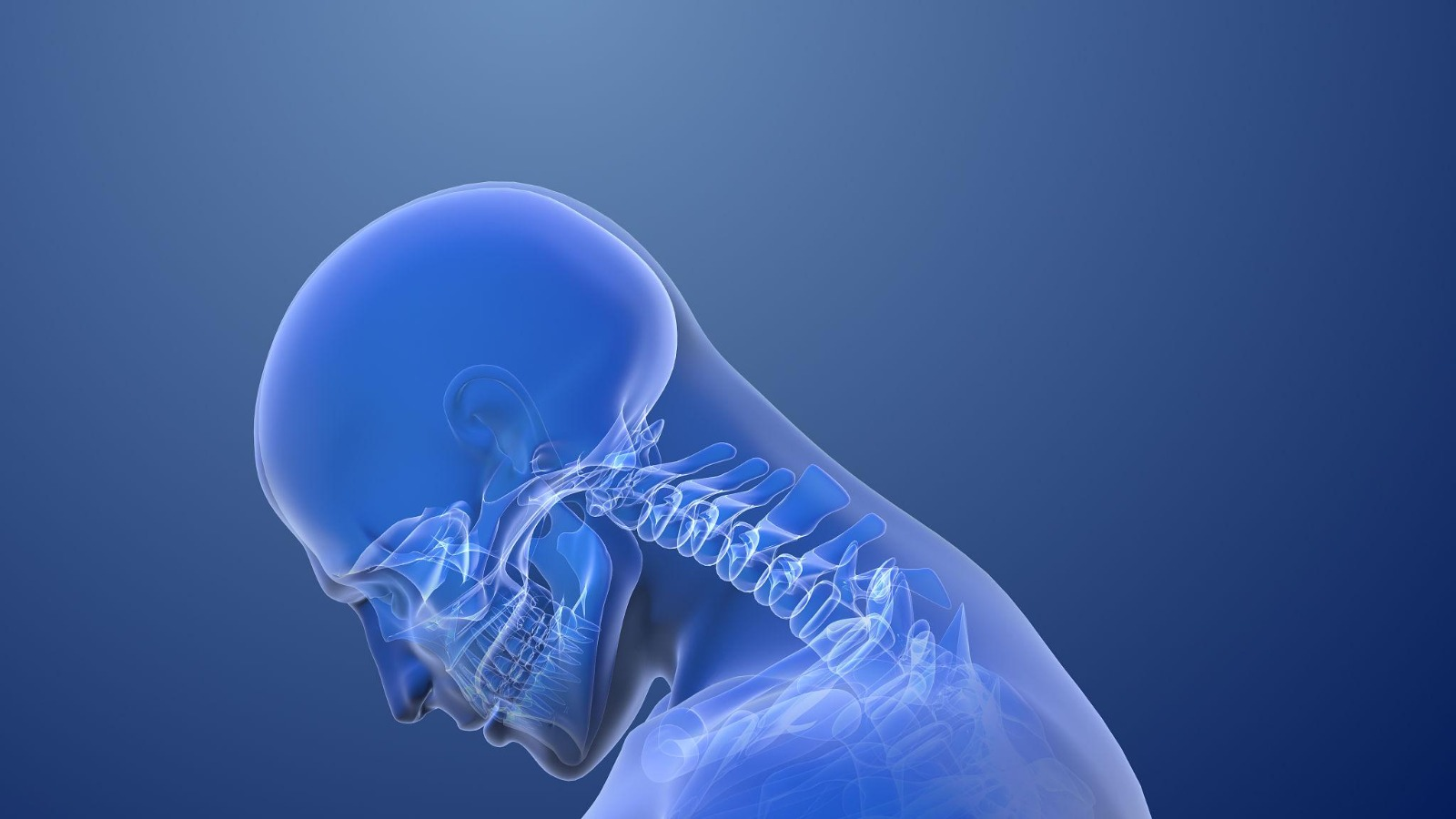
Car Accident: Understanding Injury, Recovery, and Chiropractic Care for Lasting Healing
Car Accident: Understanding Injury, Recovery, and Chiropractic Care for Lasting Healing Car accidents are sudden, often traumatic events that can have lasting effects on the body—even if the collision wasn’t high‑speed or didn’t result in immediately noticeable injury. Many people walk away after an accident believing they’re “okay,” only to develop pain, stiffness, headaches, dizziness, or other chronic symptoms days or weeks later. Because injuries from car crashes can be subtle, complex, and widespread, it’s important to understand not just what happens to the body in a collision but also how proper care such as chiropractic adjustments can help promote healing. At Denver Upper Cervical Chiropractic, patients routinely seek care after auto accidents because of pain, nervous system irritation, and spinal misalignment that can result from even seemingly minor collisions. The clinic focuses on upper cervical chiropractic care, which emphasizes precise alignment of the top of the spine to support nervous system function and larger‑scale musculoskeletal recovery. In this article you’ll learn: What happens to the body during a car accident Common types of injuries after a crash Why many symptoms emerge later How chiropractic care — especially upper cervical — supports recovery Benefits of chiropractic care after a car accident When to seek care and why timing matters What a patient can expect during treatment Tips for navigating recovery and insurance 1. What Happens to the Body During a Car Accident When a vehicle suddenly stops or is struck by another, the body doesn’t stop moving at the same time — inertia keeps the head, neck, and torso going even when the seatbelt restrains the body. This rapid motion, especially in rear‑end collisions, causes the neck to whip forward and back in a motion commonly known as whiplash. This sudden motion may: Stretch or tear ligaments Strain muscles Misalign spinal vertebrae Irritate the nervous system Affect joints and discs throughout the back, shoulders, and neck Even at low speeds, the force involved can be enough to disrupt normal spinal alignment and cause soft tissue injury. Many of these injuries are invisible on standard medical imaging yet still affect how you feel and function day to day. 2. Common Injuries After a Car Accident Car accident injuries range from mild to severe, but many share underlying patterns that chiropractic care can address: Whiplash and Neck Strain This is one of the most common injuries from auto collisions. It occurs when the neck experiences rapid extension and flexion, leading to possible misalignment in cervical vertebrae (especially C1 and C2) and strain in muscles or ligaments. Spinal Misalignment The spine’s upper vertebrae (atlas and axis) are especially mobile and lack the interlocking joints that protect other parts of the spinal column, making them vulnerable to misalignment during traumatic events like car accidents. A misaligned spine can disrupt nervous system communication and lead to pain or dysfunction throughout the body. Back, Shoulder, and Lower Body Pain Pain may emerge in the back, shoulders, hips, or legs depending on how the body absorbs the force of the collision and how muscles compensate for initial injuries. Chiropractors commonly observe these patterns in auto‑accident cases. Headaches and Dizziness Persistent headaches can develop following cervical misalignment, and vertigo or balance problems may result from irritation to nerves or damage to soft tissues that support head movement. Soft Tissue Damage and Scar Tissue Formation Tissues stretched or partially torn during a crash often develop scar tissue as they heal — which can restrict movement and cause lingering discomfort if not treated effectively. 3. Why Symptoms May Emerge Days or Weeks Later It’s common for discomfort not to appear until hours or days after an accident because the body releases adrenaline and endorphins during and immediately after trauma, temporarily masking pain. Once these hormones wear off, inflammation and irritation caused by injuries can surface. Furthermore, subtle injuries like ligament sprains, small misalignments, or nerve irritation may not cause instant pain — but they disrupt how muscles fire and how joints move, leading over time to: Increasing stiffness Chronic pain Referred pain (pain felt in different areas than the injury) Compromised range of motion Secondary muscular compensation patterns This delayed onset is why medical or chiropractic evaluation soon after an accident is often recommended, even if initial pain is mild or absent. 4. How Chiropractic Care — Especially Upper Cervical — Supports Recovery Chiropractic care is a conservative, non‑invasive treatment option that focuses on restoring normal spinal alignment and optimizing the body’s ability to heal. Rather than just masking symptoms, chiropractors work to address the underlying biomechanical dysfunctions that contribute to chronic pain and limited mobility. Upper cervical chiropractic care, such as that provided at Denver Upper Cervical Chiropractic, focuses especially on the alignment of the upper cervical spine (C1 and C2) — the two most mobile vertebrae in the spinal column. Misalignments in this area can cause widespread nervous system disruption, which may worsen or prolong post‑accident symptoms. By using precise diagnostic techniques — including advanced 3‑D digital imaging — and gentle, instrument‑assisted adjustments, upper cervical chiropractors aim to restore normal alignment with minimal force. Correcting misalignment helps: Reduce irritation to the spinal cord and nerve roots Improve joint mobility and flexibility Decrease inflammation Restore balance to muscles and postural support systems Enhance the body’s natural healing capabilities This approach also tends to be more comfortable and safer for a wide range of patients, from infants to seniors, because it avoids forceful high‑velocity adjustments. 5. Benefits of Chiropractic Care After a Car Accident Chiropractic care after an auto collision offers many potential advantages — especially when started early: Pain Relief Without Medication Chiropractic adjustments can reduce pain caused by misalignment and soft tissue strain without relying on drugs, which often only mask symptoms. This is a cornerstone benefit of chiropractic recovery. Reduction in Inflammation Inflammation is the body’s natural response to injury, but prolonged inflammation can slow healing and cause discomfort. Adjustments help reduce stress on tissues and may promote better lymphatic and circulatory flow, aiding the inflammatory

Chronic Pain Relief Utilizing Chiropractic Adjustment: A Comprehensive Guide
Chronic Pain Relief Utilizing Chiropractic Adjustment: A Comprehensive Guide Chronic pain affects millions of people worldwide, shaping daily life, limiting mobility, and often requiring medication or invasive interventions with varying success and side effects. What many patients don’t realize is that chronic pain often arises from structural imbalance long before it becomes a symptom — and that addressing the root cause of pain can offer more lasting relief than simply masking the discomfort. Chiropractic adjustment is one such approach that focuses on structural function, spinal alignment, and nervous system optimization — all with the goal of reducing chronic pain in a drug‑free, non‑invasive way. At Denver Upper Cervical Chiropractic, upper cervical chiropractic care — particularly focused on the top of the spine — is used to help patients who suffer from various forms of chronic pain regain function and quality of life. In this article, we’ll explore: What chronic pain is and why it can persist How chiropractic care works Why spinal alignment matters to chronic pain The science behind chiropractic adjustments and pain relief Upper cervical chiropractic care in particular Patient experiences and expected outcomes Practical recommendations for those considering care 1. Understanding Chronic Pain Chronic pain is defined as pain that persists for longer than three months — well beyond the time it takes most injuries to heal. Unlike acute pain, which serves as a protective warning signal, chronic pain may continue even when the original cause is no longer active. Causes include: Persistent joint dysfunction Disc degeneration Nerve compression or irritation Muscular imbalance Improper posture Old injuries that never fully healed These ongoing problems often lead to a cycle of pain, tissue tension, inflammation, and compensatory motion, which makes recovery more complicated over time. Chronic pain doesn’t just affect movement — it can impact mood, sleep, emotional health, and even overall nervous system function. 2. How Chiropractic Care Works for Chronic Pain Chiropractic care is a conservative, non‑invasive approach that seeks to restore normal function to the spine and nervous system. At its core is the chiropractic adjustment — a skilled, controlled force applied to a joint to improve alignment and mobility. At Denver Upper Cervical Chiropractic, the focus is on upper cervical chiropractic care, which emphasizes the alignment of the upper spine — specifically the first two vertebrae (C1 and C2). Misalignments here can affect the entire spine and nervous system, and correcting these misalignments through precise adjustment may help reduce chronic pain at its source rather than merely relieving symptoms. According to the practice, chronic pain relief is one of their core areas of care, helping individuals recover from a variety of causes such as car accidents, sports injuries, and long‑standing back or neck pain. 3. Why Spinal Alignment Matters for Pain Relief a) Structural Integrity and Load Distribution The spine is the primary support structure for the body. Misaligned vertebrae — often called subluxations in chiropractic terminology — can change the way joints move and how muscles bear weight. These dysfunctional movement patterns increase strain on tissues, contributing to chronic pain. When the upper spine is misaligned, it disrupts balance and alignment throughout the entire spinal column. This can lead to compensatory changes in posture and muscle use, further reinforcing pain cycles. b) Nervous System Function Perhaps most importantly, spinal misalignment can interfere with the nervous system’s ability to communicate properly with the rest of the body. Nerves exiting the spine control muscle function, sensation, organ function, and tissue healing. Even a small change in alignment — especially in the flexible upper cervical region — can create irritation or tension that affects how nerves transmit signals throughout the body. Upper cervical chiropractic care aims to correct these misalignments, promoting clearer nerve communication and allowing the body to function more efficiently — which may help reduce pain at its source. 4. The Science Behind Chiropractic Adjustment and Pain Reduction While chronic pain is multifactorial and complex, research — including small controlled studies — supports the idea that chiropractic care can reduce chronic pain. A study published on PubMed examining chronic neck pain patients found that 12 weeks of chiropractic care led to significant improvements in pain intensity and neurological processing patterns in the brain compared with a control period. This suggests that spinal adjustments may influence not only biomechanical factors but also neural pathways related to pain perception and function. This type of change — involving neuroplasticity and pain modulation — may help explain why many patients report reductions in chronic pain, even after traditional treatments offered limited benefit. Other research also supports the efficacy of chiropractic adjustments for chronic neck and back pain, showing comparable outcomes to standard medical or physical therapy approaches. These findings have been incorporated into evidence‑based clinical guidelines that recognize spinal manipulation as a valid option for adults with specific types of neck pain. 5. What Makes Upper Cervical Chiropractic Unique Upper cervical chiropractic is a subspecialty within chiropractic care that precisely targets the top two vertebrae (C1 and C2). These vertebrae play a pivotal role because: They support the skull They are the most mobile parts of the spinal column They influence the alignment of the entire spine They sit very close to the brainstem and numerous nerve pathways At Denver Upper Cervical Chiropractic, practitioners use gentle, instrument‑assisted adjustments and thorough diagnostic imaging (including 3‑D digital X‑ray analysis) to detect misalignments and determine the precise vector for correction. This level of precision reduces discomfort and enhances adjustment effectiveness. Their care philosophy emphasizes fixing the root cause of pain and supporting the body’s natural healing ability, rather than relying on frequent, indefinite treatment plans. Because upper cervical adjustments are very targeted and gentle, they are often well‑tolerated by people who may be sensitive to traditional, higher‑force chiropractic techniques. 6. Chronic Pain Conditions That May Respond to Chiropractic Adjustment Chronic pain is not a single condition — it covers a wide range of presentations. Chiropractic adjustments have been reported to help with: a) Chronic Neck Pain Upper cervical care often
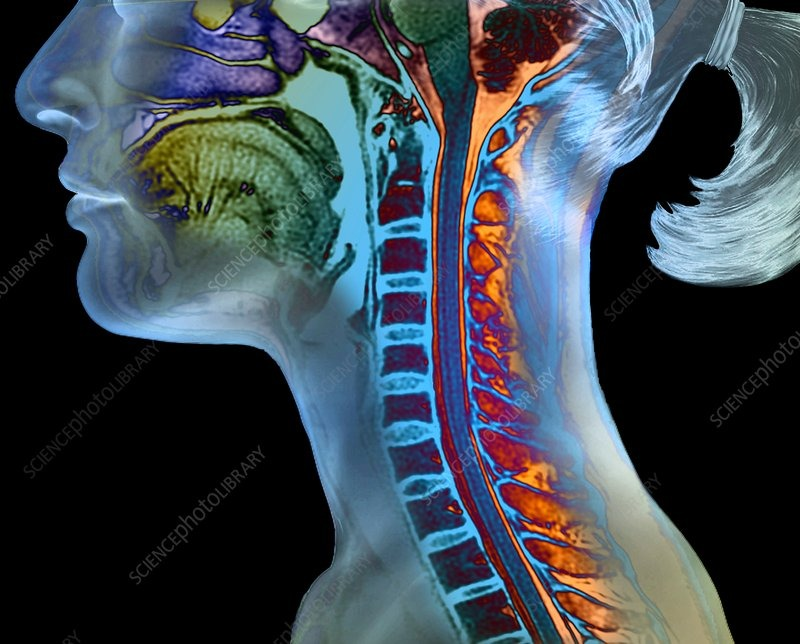
How Aligning the Upper Spine Promotes Healing: A Deep Dive into Upper Cervical Chiropractic Care
How Aligning the Upper Spine Promotes Healing: A Deep Dive into Upper Cervical Chiropractic Care Healing isn’t just about suppressing symptoms — it’s about restoring the body’s ability to self‑regulate, communicate, and adapt. One of the most powerful yet often overlooked contributors to this innate healing capacity is the alignment of the upper cervical spine — specifically the atlas (C1) and axis (C2) vertebrae at the top of the neck. When these bones are misaligned, even slightly, they can interfere with how the brain and body communicate, potentially contributing to pain, dysfunction, and delayed recovery. Correcting that alignment — through precise, gentle upper cervical chiropractic care — can profoundly support the body’s natural healing mechanisms. (denveruppercervical.com) In this comprehensive article, we’ll explore how and why aligning the upper spine promotes healing — from nervous system optimization and inflammation reduction to blood flow enhancement and systemic health improvements. 1. The Upper Spine’s Role in the Body’s Healing Framework The spinal column does more than support posture and movement — it houses and protects the spinal cord, the major conduit for nervous system communication between the brain and the body. In particular, the upper cervical spine (C1 and C2) plays a unique role as it: Encircles the brainstem, a central hub for autonomic (involuntary) control Influences cerebrospinal fluid dynamics Protects vital nerve pathways Supports musculoskeletal symmetry and posture When this region is misaligned, it can create subtle tension or pressure around the brainstem and spinal cord, potentially interfering with nerve signaling and contributing to dysfunction. By aligning the upper spine, upper cervical chiropractic care aims to remove impediments to nervous system function, helping the body operate — and heal — more effectively. 2. Nervous System Optimization: The Foundation of Healing The nervous system is the body’s command center — responsible for regulating respiration, digestion, immune response, movement, hormone balance, and even healing responses. Misalignment in the upper cervical spine can create mechanical stress around the brainstem and spinal cord, which may disrupt nerve signals traveling between the brain and body. a) Clearer Brain‑to‑Body Communication Just like a kinked cable can distort a video signal, misalignment can create interference in neural communication. Upper cervical adjustments restore proper alignment, helping remove this interference. This clearer communication allows the nervous system to coordinate healing responses more efficiently — from inflammatory regulation to tissue regeneration — because the brain can receive and send signals without interruption. b) Regulation of the Autonomic Nervous System The autonomic nervous system (ANS), which includes the sympathetic (“fight or flight”) and parasympathetic (“rest and digest”) branches, is heavily influenced by brainstem function. Misalignment at C1 or C2 can contribute to sympathetic overactivity, keeping the body in a chronic stress state that impairs healing. Aligning the upper spine supports better ANS balance, encouraging the parasympathetic state that fosters relaxation, digestion, and tissue repair. This shift from chronic stress toward balance is significant, because prolonged stress responses increase inflammation and slow the healing process overall. 3. Reducing Inflammation and Muscle Tension Inflammation is the body’s initial response to injury or stress, but when it becomes chronic, it can delay healing and contribute to pain and dysfunction. Upper cervical misalignment often leads to compensatory tension in muscles, ligaments, and fascia — especially around the neck, shoulders, and back. a) Decreasing Muscle Guarding Misalignment causes muscles to work harder to stabilize the neck and head. Over time this leads to persistent muscle guarding — a protective but tension‑promoting pattern that adds strain to the nervous system and increases inflammatory signaling. Upper cervical chiropractic adjustments reduce this tension by restoring normal spinal mechanics, which can reduce inflammatory responses and allow tissues to relax and heal. b) Lowering Neural Irritation Nerve irritation contributes to both pain and inflammation. When vertebrae in the upper cervical region are properly aligned, pressure on nerves and tissues decreases, which can reduce the neural component of inflammation. With less irritation, the body can allocate energy toward recovery rather than ongoing stress responses. 4. Improved Blood Flow and Nutrient Delivery A well‑aligned upper spinal region not only enhances neural communication but can also positively influence vascular dynamics — including blood flow to the brain and cervical tissues. Although research is still evolving, clinical reports and physiological reasoning suggest that alignment facilitates smoother circulation through major vessels that traverse the neck region. a) Brain Circulation and Cognitive Support Improved upper cervical alignment can reduce undue tension on the vertebral arteries — vessels that supply blood to the brain — potentially enhancing oxygen and nutrient delivery to neural tissue. Adequate cerebral circulation is vital for: Mental clarity Energy metabolism Memory and cognitive processes Hormone regulation Clinics and patient accounts link better alignment with improved sleep, reduced brain fog, and enhanced focus — all signs consistent with healthier blood flow dynamics. b) Supporting Stem Cell and Tissue Repair Blood delivers crucial nutrients and oxygen needed for cellular repair. By optimizing circulation through structural alignment, upper cervical chiropractic care indirectly supports the body’s repair mechanisms — from wound healing to recovery after injury. This effect is amplified when coupled with the nervous system’s improved regulation of inflammatory and healing pathways. 5. Postural Balance and Biomechanical Harmony Proper upper cervical alignment acts like a foundation for the entire spine. When the top of the spine is misaligned, the body compensates by shifting load to other regions, which can lead to: Poor posture Muscle imbalances Increased wear and tear on joints Reduced mobility Correcting upper spinal alignment promotes proper weight distribution and postural balance throughout the spine. This doesn’t just reduce pain — it supports structural healing by: Lessening undue strain on intervertebral discs Reducing compensatory muscle tension Enhancing joint lubrication and mobility Allowing muscles to function in more effective, less fatigue‑prone patterns Over time, this biomechanical harmony decreases injury risk and supports the body’s capacity to maintain musculoskeletal health — a key component of long‑term healing. 6. Systemic Benefits Beyond Pain Relief While pain relief is a common reason people seek chiropractic care, aligning the upper spine
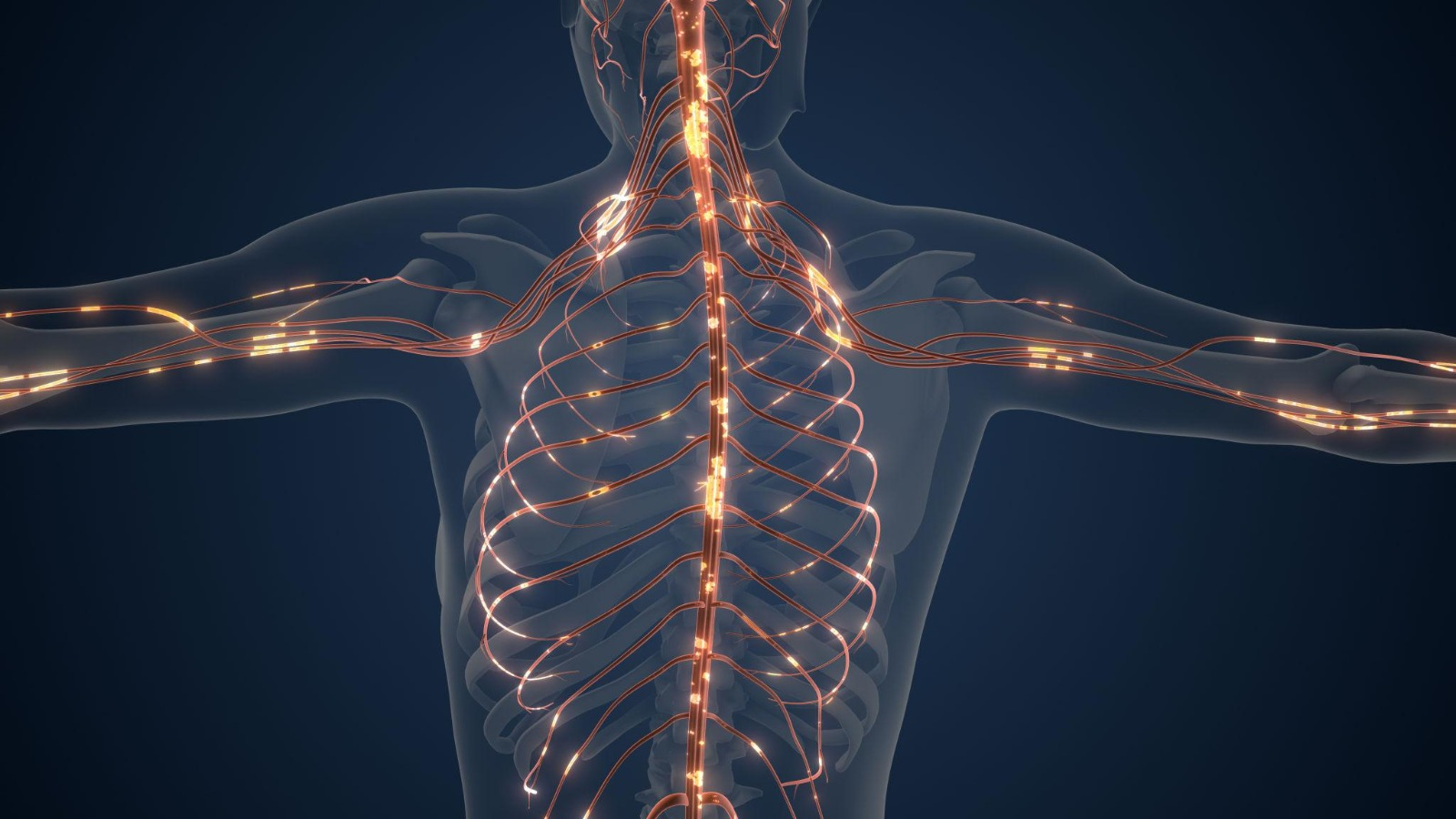
How Misalignment Can Negatively Impact the Nervous System
How Misalignment Can Negatively Impact the Nervous System The human body’s nervous system is a marvel of biological engineering — a complex communication network that conveys signals from the brain to every cell, organ, and tissue. This system controls movement, sensation, organ function, balance, and even emotional responses. At its core is the spinal column, which protects the spinal cord — the major nerve “superhighway” between the brain and the rest of the body. When spinal alignment is compromised, especially in the upper cervical region (the top of the neck), this delicate communication network can become disrupted, potentially leading to a cascade of health symptoms and dysfunction. At Denver Upper Cervical Chiropractic, patients regularly report how misalignment negatively impacts the nervous system — and how restoring proper alignment in the upper spine helps reduce interference and promote healing. In this article, we’ll explore: What spinal misalignment is How it affects the nervous system Specific mechanisms of interruption Symptoms associated with nervous system disruption Why the upper cervical spine is especially important How upper cervical chiropractic care may help Scientific perspectives and controversies Practical takeaways for health and wellness 1. What Is Spinal Misalignment? Spinal misalignment — often called subluxation in chiropractic — refers to a vertebra that has shifted out of its ideal position. These shifts can be subtle yet still significant enough to interfere with normal joint motion and neural communication. Misalignments can occur due to: Falls, sports injuries, auto accidents Repetitive movements or poor posture Stress and muscle tension Childhood falls or traumatic birth experiences Everyday activities that strain the neck and back When vertebrae are misaligned, it changes the normal spacing and movement of spinal joints. That in turn affects how the spinal cord and exiting spinal nerves function. These nerves carry vital signals from the brain to muscles, organs, and tissues throughout the body. When their pathways are altered, communication becomes less efficient — similar to static or interference on a phone call. 2. Why the Nervous System Depends on Correct Spinal Alignment The nervous system consists of the central nervous system (brain and spinal cord) and the peripheral nervous system (nerves branching outward). This intricate system depends on clear, unobstructed pathways to transmit electrical impulses that regulate everything from breathing and heartbeat to movement and sensation. The spinal cord is the physical link between the brain and peripheral nerves. Spinal nerves exit between vertebrae — tiny gaps that are precisely calibrated for protection and freedom of movement. Misalignment can reduce that space or change the relationship between bones and tissues, increasing the chance of irritation or interference with nerve function. 3. How Misalignment Disrupts Nervous System Function There are several mechanisms by which misalignment can negatively affect the nervous system: a) Direct Mechanical Interference Misaligned vertebrae can place pressure or tension on spinal nerves or the spinal cord itself. Even small changes in alignment can alter how nerves exit the spine, potentially distorting or compressing neural tissue. This is especially critical in areas where nerve fibers are densely packed and responsible for vital functions. b) Interference with Brainstem Pathways The upper cervical spine — specifically the atlas (C1) and axis (C2) — sits immediately below the skull and surrounds the brainstem, the part of the central nervous system responsible for regulating fundamental functions like respiration, heart rate, digestion, and basic motor patterns. Slight misalignment here can lead to tension or irritation of tissues around the brainstem, potentially disrupting signal transmission in ways that affect body function far beyond the neck. c) Corticospinal and Proprioceptive Disruption Proper spinal alignment facilitates accurate proprioception — the nervous system’s sense of body position. Misalignment can skew proprioceptive feedback, affecting balance, coordination, and even reflexive responses. This is one reason misalignment can contribute to symptoms such as dizziness, balance disturbances, or coordination problems. d) Abnormal Muscle and Soft Tissue Tension When the spine is misaligned, muscles and connective tissues compensate to maintain balance. This often results in chronic muscle tension, stiffness, and muscular imbalance that feed back into the nervous system as sustained stress signals, further contributing to dysfunctional neural communication. 4. What the Scientific Perspective Says Scientific research directly linking upper cervical chiropractic adjustments to wide‑ranging nervous system outcomes is still emerging. Some research supports the idea that vertebral misalignments (generally termed “subluxations” in chiropractic) can affect neural pathways and organ function. For example, a review published in PMC describes how misalignments may contribute to dysfunctional nerve signaling, increased sympathetic nervous system arousal, and chronic stress responses that affect overall physiology. Medical and chiropractic scientists agree that the spine and nerves are interconnected — and that alignment affects how nerves are mechanically protected and how they communicate. However, the degree to which realignment impacts systemic health outcomes continues to be studied in more rigorous clinical research. 5. Why the Upper Cervical Spine Matters More Than Most People Realize The upper cervical region — the bones at the very top of the spine — plays a disproportionately large role in nervous system function compared to other regions. These vertebrae: Are the most mobile in the entire spinal column Have relatively little bony interlocking protection Surround and protect the brainstem, spinal cord, and vertebral arteries Allow critical movement between the head and neck Misalignment in this region can alter how the skull balances on the neck, placing strain on the spinal cord and nerves. Because the brainstem is such a critical control center — managing breathing, heart rate, digestion, and motor output — even minor disturbances in this area can lead to disproportionate dysfunction. Denver Upper Cervical Chiropractic notes that patients are often surprised how misalignment can negatively impact the nervous system — and how much realigning the upper spine promotes healing. 6. How Upper Cervical Chiropractic May Help Upper cervical chiropractic is a specialized approach within the chiropractic profession that focuses on gently correcting misalignments in the top two vertebrae of the spine (C1 and C2). This subspecialty uses precise diagnostics and targeted adjustments to reduce interference on the
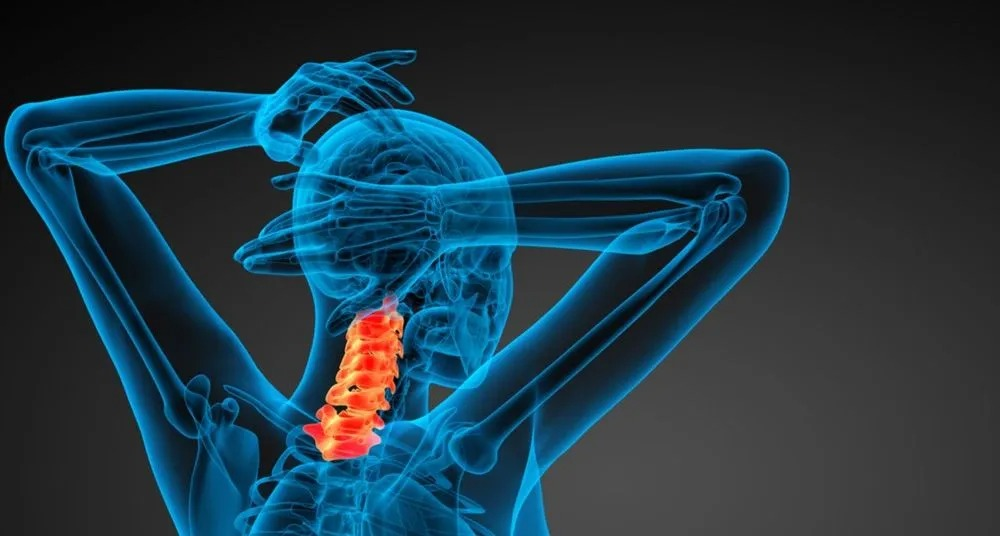
How Upper Cervical Chiropractic Services May Correct a Reduced Blood Supply to the Brain
How Upper Cervical Chiropractic Services May Correct a Reduced Blood Supply to the Brain A well‑functioning nervous system depends on two core requirements: clear communication between the brain and body and an uninterrupted, sufficient blood supply to the brain. When either of these is impaired, a cascade of symptoms — ranging from headaches and dizziness to brain fog and cognitive issues — can emerge. Recent research and clinical observations suggest that upper cervical chiropractic care, a specialized form of chiropractic treatment that focuses on the top two vertebrae of the neck, may help correct a reduced blood supply to the brain by restoring structural alignment and optimizing neurological and vascular function. Although the science is still emerging, several plausible anatomical, physiological, and clinical pathways help explain why aligning the upper cervical spine could influence cerebral blood flow and overall nervous system health. Understanding the Upper Cervical Spine and Its Importance The upper cervical spine refers to the top two vertebrae in the neck: the atlas (C1) and the axis (C2). These vertebrae are unique in both structure and function: They support the skull Allow a large range of head motion House critical nerve pathways Sit very close to major blood vessels and the brainstem Because this region is so mobile and intimately related to the central nervous system, even small misalignments — sometimes referred to in chiropractic terminology as subluxations — may influence neurological and vascular dynamics. According to Denver Upper Cervical Chiropractic, research has shown that upper cervical chiropractic services may correct a reduced blood supply to the brain, which helps explain success with many conditions linked to nervous system dysfunction. The Anatomy of Blood Flow to the Brain To understand how spinal alignment could affect blood flow to the brain, it helps to know the basic anatomy of the vessels involved: The vertebral arteries run up either side of the neck, passing through small openings in the cervical vertebrae. These arteries fuse to form the basilar artery, which supplies critical areas of the brain, including the brainstem and cerebellum. The internal carotid arteries, which are located more anteriorly (toward the front), also supply most of the cerebral hemispheres. Veins such as the internal jugular veins return blood from the brain to the heart, maintaining healthy circulation. Because the vertebral arteries and jugular veins course through the neck near the spine, structural misalignments — especially in the upper cervical region — could potentially influence blood vessel patency (how open they are) and flow dynamics. How Misalignment Might Reduce Blood Supply to the Brain Although research is not yet definitive, several mechanisms have been proposed to explain how upper cervical misalignments could influence blood flow: 1. Mechanical Compression or Distortion of Blood Vessels A misaligned atlas or axis vertebra could theoretically alter the spatial relationships in the neck, placing tension or pressure on the vertebral arteries or nearby soft tissues. Studies and anatomical analyses suggest that changes in vertebral position may affect how freely blood can travel through these vessels, particularly when the normal curve of the neck changes. For example: If the atlas rotates forward, it might compress or kink the vertebral artery. A forward head posture could increase tension on the vessel as it passes through the cervical vertebrae. Either scenario could reduce the efficiency of blood flow upward to the brain. 2. Nervous System Interference Affecting Vascular Regulation Beyond mechanical effects, misalignments in the upper spine can interfere with the brainstem and upper spinal cord pathways, which play a central role in autonomic nervous system regulation of blood vessel diameter and cardiovascular function. Research in related areas suggests that proper alignment in this region helps the nervous system communicate more effectively, potentially contributing to more balanced blood pressure and improved cerebrovascular flow. The brainstem, which sits directly above the atlas and axis, contains nuclei and centers that help regulate heart rate, blood pressure, and respiration — all factors that influence the rate and quality of blood flow to the brain. If alignment issues create tension or signal interference around the brainstem, cardiovascular control may be disrupted. How Upper Cervical Chiropractic Adjustments Might Help Upper cervical chiropractic adjustments are designed to restore proper alignment of the atlas and axis with minimal force and great precision. Here’s how these corrections may influence cerebral blood flow: 1. Restoring Structural Alignment By carefully realigning the upper cervical vertebrae, chiropractors aim to remove undue mechanical stress on the vertebral arteries and the soft tissues that support them. A more neutral alignment may allow: More uniform blood flow through the vertebral arteries Less tension or distortion of vascular pathways Improved balance between blood supply and drainage pathways This potential improvement in vascular ease may help the brain receive the oxygen and nutrients it needs more effectively. 2. Reducing Tension and Inflammation Misalignment isn’t just a bone‑on‑bone issue; it can also contribute to muscle tension and localized inflammation in the neck. Chronic tension in the suboccipital muscles and surrounding fascia can place additional strain on blood vessels. Gentle spinal correction can reduce this tension and inflammation, which may further improve vascular dynamics and blood flow. 3. Enhancing Nervous System Function Because the spinal cord and brainstem are closely linked, spinal correction may improve how nerve signals governing cardiovascular tone are transmitted. Improved nervous system function could help: Enhance regulation of blood vessel diameter Stabilize autonomic balance between “fight or flight” and “rest and digest” systems Support better overall cerebral blood flow regulation In fact, some research on upper cervical chiropractic and blood pressure regulation suggests that correcting atlas misalignments can improve blood pressure control by reducing strain on brainstem signaling pathways — a related cardiovascular parameter that influences blood flow to the brain. What Research Says While high‑quality research specifically on chiropractic care and cerebral blood flow is still developing, several lines of scientific inquiry support the plausibility of the connection: Upper Cervical Chiropractic and Physiological Effects The Denver Upper Cervical Chiropractic website emphasizes that research has shown upper cervical chiropractic services may

Spinal Correction: A Natural and Precise Pathway to Lasting Wellness
Spinal Correction: A Natural and Precise Pathway to Lasting Wellness Every day, millions of people live with back pain, neck pain, stiffness, headaches, and other chronic symptoms that seem unrelated — until you understand how deeply connected the spine is to overall health. The spine isn’t just a stack of bones; it’s the central pillar of your body’s musculoskeletal system and a critical protector of the nervous system. When spinal alignment is compromised, it can affect movement, nerve communication, posture, balance, and even immune function. Spinal correction — especially through gentle, precise chiropractic care like the upper cervical methods practiced at Denver Upper Cervical Chiropractic — is a holistic, non‑invasive way to address root causes of discomfort and dysfunction rather than just masking symptoms with drugs or surgery. This approach focuses on restoring proper alignment to the spine, particularly in the delicate upper cervical region, so the body can function more effectively and naturally. In this article, we’ll explore: What spinal correction really means Why spinal alignment is essential to health How misalignment develops How chiropractic spinal correction works What conditions it may help What to expect from upper cervical chiropractic care Safety considerations Long‑term benefits Let’s dive into the science, the mechanism, and the everyday relevance of spinal correction for improved health and quality of life. 1. What Is “Spinal Correction”? At its core, spinal correction refers to the process of restoring proper alignment to the vertebrae of the spine so that joints move correctly, nerve communication flows freely, and the body can function optimally. In chiropractic care, this is achieved through adjustments — precise applications of controlled force to specific joints that are misaligned or restricted in motion. Correction isn’t just about “cracking backs.” It’s about: Addressing misalignments (subluxations) that interfere with nervous system signals Improving joint motion and mobility Reducing nerve irritation and muscle tension Promoting balanced posture and movement patterns At Denver Upper Cervical Chiropractic, spinal correction particularly focuses on the upper cervical spine — the top two vertebrae of the neck (the atlas and axis) — because of their powerful influence on posture and the nervous system. 2. Why Spinal Alignment Matters for Your Health The spine does more than hold you upright. It’s also the protective canal for your spinal cord, the major highway for nerve signals between your brain and your body. If vertebrae are misaligned: Nerve signals can become distorted or blocked Muscles may overcompensate, leading to tension Balance and posture can suffer Pain and stiffness may result Every nerve that controls movement, sensation, and organ function must pass through or near the spinal column. Even subtle misalignments can interfere with this communication and contribute to a host of symptoms — not just localized pain. At Denver Upper Cervical Chiropractic, the philosophy is that proper spinal alignment allows the body’s natural healing mechanisms to work more efficiently, supporting overall wellness rather than simply suppressing symptoms. 3. How Spinal Misalignment Develops Misalignments can result from many factors, including: • Trauma or Injury Falls, sports injuries, auto accidents, and even everyday slips can subtly shift vertebrae out of position. Because the upper spine is highly mobile, it is particularly vulnerable to this kind of misalignment. • Poor Posture Head‑forward posture from phones, computers, or repetitive work can gradually drag the spine out of its ideal alignment, placing uneven stress on joints and muscles. • Repetitive Strain Doing the same motions repeatedly — whether lifting, bending, or even sleeping in a poor position — can gradually stress the spinal joints. • Muscle Imbalance When some muscles tighten and others weaken, spinal balance is compromised, increasing the likelihood of misalignment. • Growth and Lifestyle Children who “grow too fast,” adults who sit long hours, and elderly persons with degenerative changes all share increased risk for spinal alignment issues. It’s important to note that pain isn’t always present when misalignment occurs; sometimes symptoms develop gradually after the body has compensated for structural imbalance for months or years. 4. How Chiropractic Spinal Correction Works Chiropractic spinal correction is more than just physical adjustment — it’s a precise method of restoring normal biomechanics to the spinal joints so the nervous system can operate properly. 4.1. Evaluation and Diagnosis Before any correction, a chiropractor assesses: Posture Range of motion Alignment through physical exam and specialized imaging Pain patterns and neurologic signs At places like Denver Upper Cervical Chiropractic, advanced 3‑D digital imaging and careful measurement help identify the exact nature and degree of misalignment — especially in the upper cervical spine — so corrections are tailored to each patient’s needs. 4.2. Gentle, Targeted Correction Once the chiropractor understands the misalignment, they apply precise adjustments designed to reposition the vertebrae. In upper cervical chiropractic, adjustments are typically: Gentle and instrument‑assisted Low‑force and pain‑free Specific to each patient’s anatomy This differs from some high‑force techniques because it minimizes discomfort while maximizing precision. 4.3. Follow‑Up and Monitoring Progress After a correction, spinal alignment isn’t assumed — it’s periodically reassessed with follow‑up exams, range‑of‑motion checks, and sometimes repeat imaging to make sure the spine remains in healthier alignment. This ensures that adjustments are effective and that the body adapts to the new position. 5. Conditions Spinal Correction May Support Spinal correction through chiropractic care has been associated with improvement in a wide range of conditions linked to spinal misalignment and nervous system stress. At Denver Upper Cervical Chiropractic, patient care focuses on the upper cervical region, which can influence symptoms both locally and throughout the body. 5.1. Back Pain and Neck Pain Chronic or acute spinal discomfort is one of the most common reasons people seek chiropractic care. Correcting misalignment often reduces pressure on joints and muscles, which can decrease pain and improve mobility. 5.2. Headaches and Migraines Upper cervical misalignments are frequently linked to tension headaches and migraines. Adjustments can reduce muscle tension and nerve irritation that contribute to headache symptoms. 5.3. Sciatica and Radiating Pain Misalignment in the spine can lead to nerve compression or irritation, resulting in pain that radiates
The Upper Two Vertebrae Are the Most Mobile Parts of the Spine: Why It Matters and How It Impacts Your Health
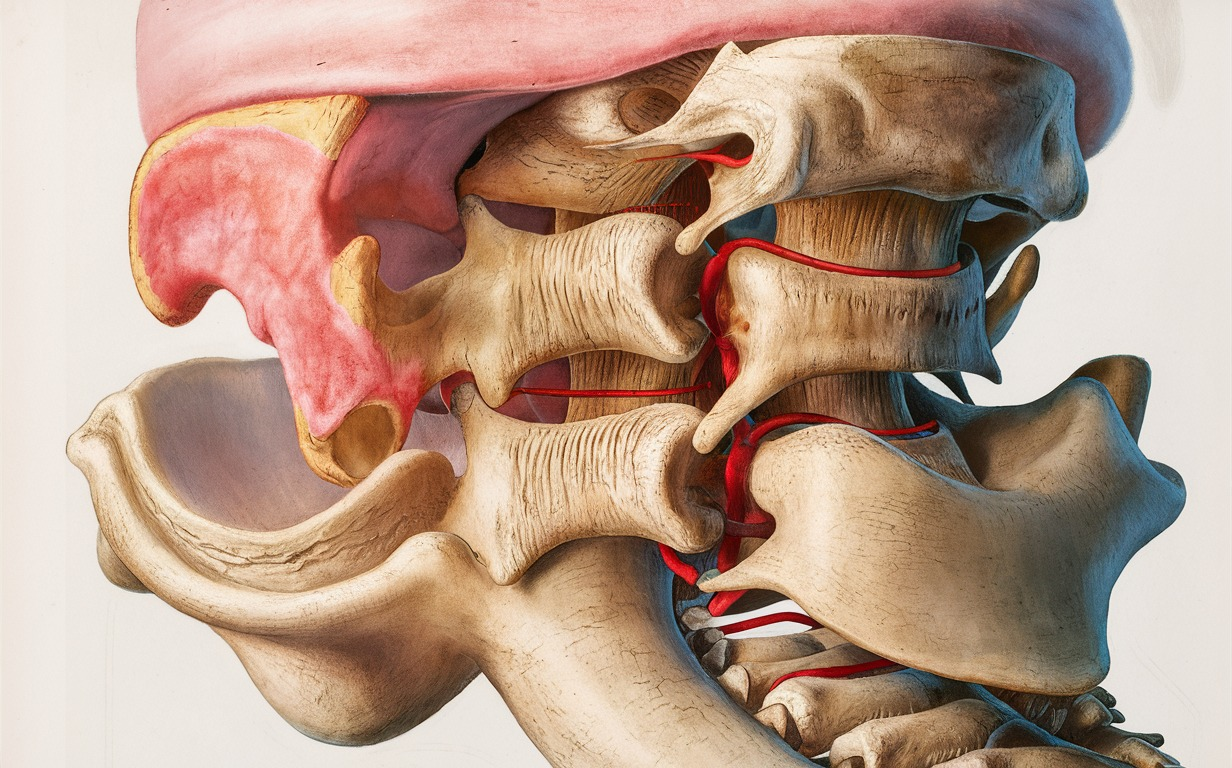
The Upper Two Vertebrae Are the Most Mobile Parts of the Spine: Why It Matters and How It Impacts Your Health When people think of the spine, they often imagine a rigid structure that simply supports the body. But the spine is far from rigid — it’s an extraordinary combination of strength, flexibility, and precision engineered to protect the nervous system while allowing a remarkable range of motion. Nowhere is that balance more evident than in the upper cervical spine, where the top two vertebrae — the atlas (C1) and the axis (C2) — provide the greatest mobility of any region in the spinal column. This mobility is not merely a mechanical marvel; it has profound implications for posture, movement, nervous system communication, and overall health. In this article, we’ll explore: The unique anatomy of the upper cervical spine Why C1 and C2 are so mobile How this mobility supports function — and creates vulnerability What happens when alignment is disrupted How chiropractic / upper cervical care approaches these issues By the end, you’ll understand why the phrase “the upper two vertebrae are the most mobile parts of the spine” is not just true — but clinically significant for anyone seeking better movement, pain relief, and nervous system health. 1. The Unique Anatomy of the Spine: A Quick Overview The human spine contains 33 vertebrae, grouped into regions: Cervical (neck): C1–C7 Thoracic (mid‑back): T1–T12 Lumbar (lower back): L1–L5 Sacral (pelvis) and coccygeal (tailbone) Each region has different structural characteristics and functions. The cervical spine is the most flexible overall, allowing movement in all directions — flexion, extension, rotation, and lateral flexion — because it must support head movement while protecting the spinal cord and nerves. Within the cervical region, however, the upper two vertebrae — atlas (C1) and axis (C2) — are distinct from the rest of the spine because of their specialized structure and motion capabilities. 2. Atlas and Axis: The Most Mobile Twins of the Spine Atlas (C1): The Head’s Cradle The atlas sits directly beneath the skull, forming the joint between the head and the spine. Its design is unique among vertebrae: It has no vertebral body — instead, it’s a ring‑like structure. It supports the skull much like a cradle. It forms the atlanto‑occipital joint with the base of the skull, enabling the nodding motion of the head (as in saying “yes”). This ring design gives the atlas a wide range of motion without the constraints that typical vertebrae experience. Axis (C2): The Pivot Point of Rotation The axis lies right below the atlas and features a prominent upward projection called the odontoid process, or dens. This peg‑like structure fits into the atlas ring and acts as a pivot point around which the atlas — and thus the head — can rotate. Together, the atlanto‑axial joint formed by C1 and C2 allows more rotation than any other spinal joint. In fact: Approximately 50% of all cervical rotation occurs at this joint. This means that when you turn your head left or right, much of that motion happens between these two vertebrae rather than through the rest of the neck. 3. Why the Upper Two Vertebrae Are the Most Mobile Parts of the Spine Several key anatomical and functional factors explain why C1 and C2 are so mobile: a. Structural Specialization Unlike most vertebrae, C1 and C2 do not have intervertebral discs between them or between the skull and C1. Discs act like shock absorbers but also restrict movement. The absence of discs in the upper cervical spine means less structural restraint and greater freedom of motion. Additionally: The atlas supports the skull in a ring‑like fashion, facilitating flexion and extension without bone‑to‑bone contact. The axis provides a pivot (dens) around which the atlas rotates. This anatomy is unique and specialized for movement, not just support. b. Joint Types and Range of Motion Two major joints contribute to the upper cervical spine’s mobility: Atlanto‑Occipital Joint — between the skull and atlas, this joint allows nodding up and down. Atlanto‑Axial Joint — between atlas and axis, this is the main rotational joint that allows side‑to‑side head turning. Multiple facets within these vertebrae produce rotation around a central pivot. This unique combination enables multi‑planar movement — far more than other spinal regions. c. Ligament and Muscle Support Although highly mobile, C1 and C2 are stabilized by a sophisticated system of ligaments and muscles that keep the head balanced and protect the spinal cord. This includes structures such as: Alar ligaments Transverse ligament Suboccipital muscles These elements allow controlled movement while minimizing the chance of instability — as long as alignment is maintained. 4. The Upper Two Vertebrae’s Critical Role in Function The high degree of motion at C1 and C2 isn’t just interesting anatomy — it’s functionally essential. a. Head and Neck Movement Because nearly all head rotation occurs at this segment, the upper cervical spine plays a major role in everyday movement: Looking over your shoulder Nodding “yes” and shaking “no” Tilting your head during activities like reading or driving Without this mobility, daily tasks would feel stiff and awkward. b. Nervous System Communication The upper cervical area sits at the craniocervical junction, where the skull, brainstem, and spinal cord meet. Misalignments (often called subluxations in chiropractic) here can exert pressure or tension on sensitive neural tissues. Because C1 and C2 are so mobile, they are more susceptible to misalignment from trauma — like falls, sports injuries, or car accidents — as well as chronic postural strain. These misalignments can interfere with the nervous system’s ability to communicate, contributing to pain, headaches, muscle tension, and more widespread symptoms. c. Posture and Balance The position of the head influences the entire spine: A forward head posture increases stress on the neck and back. Compensation patterns elsewhere in the spine can develop when the upper cervical spine is misaligned. Because the head is heavy relative to the neck, small shifts in the upper cervical alignment can dramatically change how
3‑D Digital Imaging X‑Ray Analysis: Precision Diagnostics for Better Spinal Health
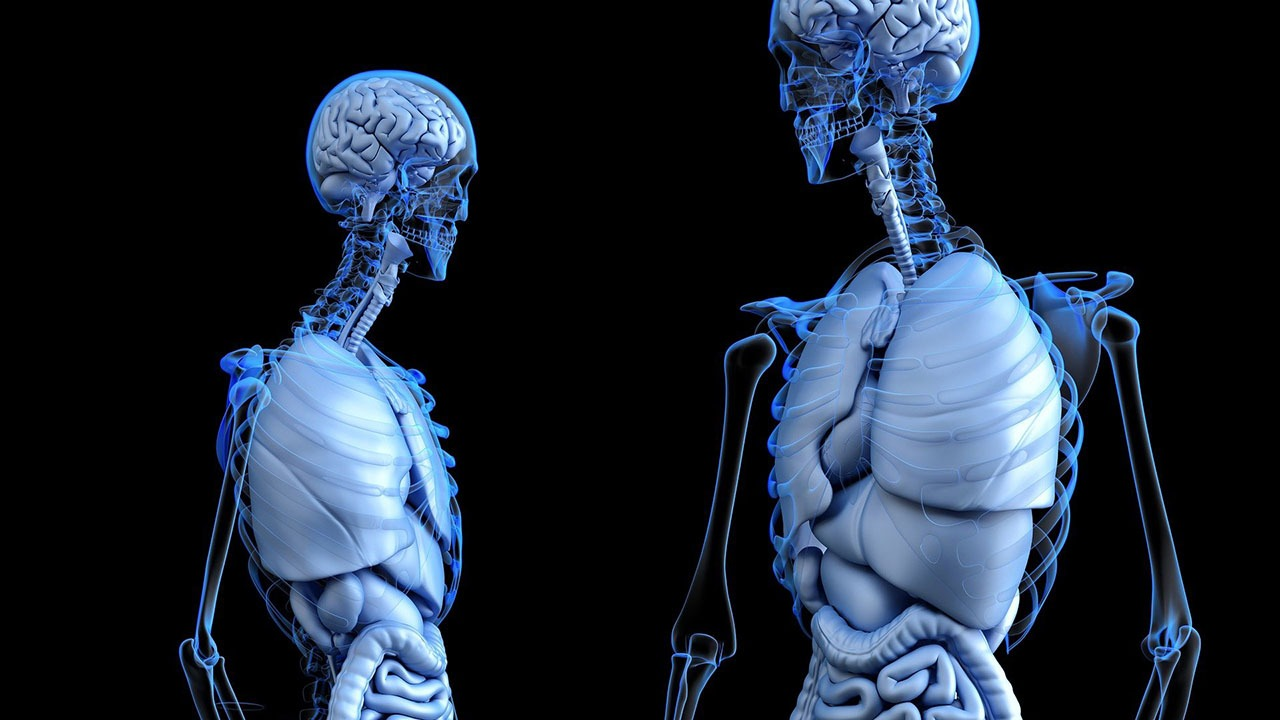
3‑D Digital Imaging X‑Ray Analysis: Precision Diagnostics for Better Spinal Health In modern chiropractic care, accurately understanding a patient’s spinal structure is one of the most important steps in delivering individualized, effective treatment. Today’s advanced imaging technologies — especially 3‑D digital imaging X‑ray analysis — give chiropractors a level of detail and precision far beyond what traditional X‑rays or physical exams alone can provide. These tools allow practitioners to see the spine and surrounding skeletal system from multiple angles, measure alignment abnormalities with greater accuracy, and create more precise, evidence‑based care plans. At Denver Upper Cervical Chiropractic, 3‑D digital imaging X‑ray analysis plays a central role in evaluating the upper cervical spine — the top two vertebrae in the neck — and determining the best course of treatment. This technology improves diagnosis, enhances treatment planning, reduces guesswork, and supports measurable outcomes for patients seeking relief from pain, stiffness, nerve dysfunction, and other musculoskeletal problems. In this in‑depth article, we’ll explore what 3‑D digital imaging X‑ray analysis really is, how it works, why it’s important in chiropractic care, and the benefits it offers both patients and practitioners. What Is 3‑D Digital Imaging X‑Ray Analysis? 3‑D digital imaging X‑ray analysis refers to advanced radiographic imaging technology that captures three‑dimensional images of spinal structures, bones, and joints. Unlike traditional 2‑D X‑rays, which provide flat images in one or two planes, 3‑D imaging allows clinicians to view the anatomy from multiple angles and depths, making structural abnormalities and misalignments easier to identify. Within upper cervical chiropractic (the specialty practiced at Denver Upper Cervical Chiropractic), 3‑D digital imaging is especially valuable because the atlas (C1) and axis (C2) — the top two vertebrae — have a complex range of motion and play a crucial role in nervous system communication. Misalignment in this region may not be clearly visible on standard X‑rays, but 3‑D imaging helps reveal subtle deviations that can influence symptoms throughout the body. Why 3‑D Imaging Is More Advanced Than Standard X‑Rays Traditional X‑rays have long been used in chiropractic to visualize bone structure, assess alignment, and spot fractures or significant structural changes. However, they have limitations: They produce flat, two‑dimensional images, which can obscure overlapping structures. Anatomical distortions are common, especially in complex regions like the cervical spine. Diagnoses based on 2‑D imaging may miss subtle misalignments or rotations. By contrast, 3‑D digital imaging X‑ray analysis — such as cone‑beam computed tomography (CBCT) — captures a full volumetric representation of structures, allowing clinicians to view the spine from all directions and measure angles and asymmetries with high precision. This leads to better diagnostics and more targeted care. In upper cervical care, this means that chiropractors can identify not just whether the C1 or C2 vertebrae are misaligned, but exactly how they deviated (e.g., rotated, tilted, or translated) — information that is critical for precise correction. How 3‑D Digital X‑Ray Analysis Works The process of 3‑D digital imaging analysis typically involves the following steps: 1. Image Capture Using advanced digital X‑ray machines or Cone‑Beam CT (CBCT) technology, the patient is scanned in a manner that produces a three‑dimensional data set. This can be done while the patient is seated, standing, or in a specific head/neck position depending on the target area. 2. Digital Reconstruction The captured radiographs are digitally reconstructed using specialized software that creates a detailed 3‑D model of the area. This can be rotated, zoomed, and viewed from multiple angles to reveal structural relationships that would not be visible on a flat X‑ray. 3. Analysis and Measurement From the 3‑D model, clinicians can measure: Vertebral rotation Joint spacing Asymmetry Structural deviations Alignment relative to the central axis This level of detail helps chiropractors plan precise adjustments tailored to the patient’s unique anatomy. 4. Treatment Planning After review, the chiropractor uses the 3‑D information to develop a targeted care plan that directs adjustment vectors and therapeutic strategies with millimeter‑level accuracy. The Role of 3‑D Digital Imaging X‑Ray Analysis in Upper Cervical Chiropractic Upper cervical chiropractic focuses on the first two cervical vertebrae (atlas and axis) because of their crucial roles in posture, balance, head movement, and nervous system communication. Misalignment of these vertebrae can affect how the spinal cord, brainstem, and surrounding nerve pathways function, potentially contributing to pain, headaches, dizziness, and other systemic symptoms. 3‑D digital imaging analysis allows chiropractors like Dr. Ty Carzoli at Denver Upper Cervical Chiropractic to accurately detect misalignment patterns and their impact on the neural canal. Through this sophisticated imaging, adjustments can be delivered precisely, using minimal force and maximizing the chance of long‑lasting correction. Benefits of 3‑D Digital X‑Ray Analysis in Chiropractic Care There are several key advantages that 3‑D digital imaging X‑ray analysis offers over traditional techniques: 1. Enhanced Diagnostic Clarity 3‑D imaging eliminates the overlap and distortions common in 2‑D X‑rays, allowing practitioners to see deeper and clearer into the spine’s structure. This clarity improves the ability to detect subtle misalignments, joint degeneration, or congenital abnormalities that could affect treatment outcomes. 2. Precision Measurement for Precise Adjustments Because upper cervical adjustments often rely on tiny changes in vertebrae position, knowing the exact degree and direction of misalignment is essential. 3‑D imaging provides these measurements with high accuracy, enabling chiropractors to design instrument‑assisted adjustments that target the precise vector needed for correction. 3. Customized Treatment Plans By understanding a patient’s unique anatomy, chiropractors can tailor care plans instead of relying on generalized adjustment techniques. This increases the likelihood of better, longer‑lasting outcomes and can reduce the number of visits needed. 4. Better Patient Education Seeing one’s own 3‑D spinal images makes it easier for patients to understand the source of their symptoms and engage more actively in treatment. Digital images can be annotated, zoomed, and rotated for clearer communication. 5. Reduced Radiation Exposure Compared to multiple traditional X‑ray views, modern 3‑D imaging systems like CBCT often expose patients to less radiation while still capturing significantly more information. 6. Tracking Progress Over Time Baseline 3‑D images can be compared to future scans, allowing chiropractors