

Thoracic Back Pain: Causes & Treatment Exploring the Unique Causes of Headaches in Denver and How Chiropractic Care Provides Relief Thoracic back pain is middle back pain due to injury or tension in your thoracic spine. Thoracic back pain can spread to your ribs , neck, or other parts of your back. The most common cause is muscle tension due to poor posture. What is the best way to manage thoracic pain? The best way to manage thoracic pain is by maintaining good posture. You can also use stretches and exercises to strengthen your core muscles and ease muscle tension. Below is everything you need to know about thoracic back pain. If you’re looking for science-based holistic chiropractic care, schedule an appointment with Denver Upper Cervical Care today. What is the Thoracic Spine? The thoracic spine is the middle section and longest region of your spine. Its main purposes are to protect the spinal cord and other vital organs in the chest, anchor the rib cage, and provide stability. The thoracic spine’s vertebrae (labeled T1-T12) connect to the cervical spine in the neck (vertebrae labeled C1-C7) and to the lumbar spine in the lower back (vertebrae labeled L1-L5). Poor posture, obesity, back injury, or other medical conditions can lead to thoracic back pain, also called middle back pain . Symptoms of Lumbago Lumbago/lower back pain isn’t a single disease — instead, it is a symptom of many different medical conditions affecting the lower back. What is a symptom of lumbago ? Symptoms of lumbago include: Chronic pain in the lumbar region (lower back) Soreness in the back Pain or tingling sensation down one or both legs Muscle spasm Weakness in one or both legs Stiffness/muscle tension in the lower back Depending on the cause of lumbago, other symptoms may also occur. For example, if lumbago is caused by a herniated disc, the pain will increase while sitting but decrease when lying down. Lumbago that is due to scoliosis could also cause an abnormal curvature of the spine. Risk Factors The most common risk factors for low back pain include: Poor posture Older age Obesity Lack of exercise Heavy lifting, especially when it’s part of your occupation Smoking Kidney or bladder problems Pregnancy Common Causes for Upper & Mid-Back Pain So what are the most common causes of thoracic back pain? Thoracic back pain is most commonly caused by one or more of the following conditions: Poor Posture The most common cause of thoracic back pain is muscle irritation or muscle tension due to poor posture. Many of us sit at work or at home, and most of us do not have good posture. If you spend a lot of your days hunched or slouched over, your muscles can get tense and cause mid-back pain. Tip: To improveyour posture, practice good posture for short periods and work your way up to longer stretches of time. For example, instead of looking down at your phone, try holding it up and looking at it straight-on for a few minutes. Injury to Spine There are multiple ways your spine can get injured, whether by a single traumatic event or over time. Car accidents — Automobile collisions are a very common source of injured spine. Sudden crashes can damage every portion of your spine, including your thoracic spine. Sports injuries — Athletic injuries are another common way to injure your thoracic spine — especially in contact sports. Overuse injuries — Repeated twisting, lifting, or bending motions can lead to overuse injuries of the thoracic spine. Disc herniation — The spinal discs between the vertebrae can become herniated, which puts pressure on the spinal nerves, causing pain or numbness. Herniated disc is more common in males and those aged 30-50 are at higher risk. Disc degeneration — Degenerative disc disorders cause inflammation, resulting in severe back pain. Vertebral damage — Injury to the vertebrae (spinal bones) can cause pain, putting pressure on the spinal cord or the spinal nerves. Osteoporosis and osteoarthritis — These bone conditions increase your risk of damage or vertebral compression fractures. Other conditions — In some cases, thoracic back pain can be caused by various medical conditions, such as ankylosing spondylitis orScheuermann’s disease (a type of structural kyphosis). Obesity Ovesity is a risk factor for thoracic back pain. While not always the direct cause of back pain, it can lead to other conditions that cause back pain. Chronic Pain Chronic pain conditions, like fibromyalgia and lupus, may lead to back pain. Pain associated with these conditions isn’t confined to the spinal region — pain is typically experienced all over the body. Abnormal Spine Curvature This might cause thoracic back pain. The curvature can be minor or severe, as can the pain associated with the curvature. There are 3 types of spine curvature to look out for: Scoliosis — an abnormal curve to one side. Kyphosis — excess outward curve. This looks like hunching forward. Lordosis — excess inward curve. Usually in the lower back, this is commonly referred to as a “swayback” posture. Nerve Problems Thoracic back pain may occur when spinal nerves become irritated, injured, or inflamed. Although uncommon, some nerve conditions include: Thoracic radiculopathy — pinched nerves Post-herpetic neuralgia — a nerve condition related to shingles Spinal stenosis — occurs when the space inside the vertebra is too narrow and compresses the nerve Joint Dysfunction Thoracic spinal joints may go through cartilage tears or degeneration. This facet joint dysfunction often leads to thoracic back pain. Pregnancy Pregnant women often experience thoracic and low back pain because of the weight of the growing fetus and the natural loosening of their ligaments. This can result in sore ribs and middle back discomfort. Most chiropractors are trained to treat women during pregnancy. Treatment Options for Thoracic Spine Pain What are some treatments for thoracic back pain? The most effective treatment options for thoracic spine pain include the following: Chiropractic care — Chiropractic adjustments reposition the spine to alleviate pinched nerves, headaches , nervous system issues, thoracic back pain, and other health concerns. Chiropractic can improve range of motion and provide spinal pain relief. Physical therapy — Physical therapy can be an effective treatment option to stretch and strengthen the back muscles to improve
Lumbago (Low Back Pain): Causes, Treatments, and Prevention
Lumbago (Low Back Pain): Causes, Treatments, and Prevention Exploring the Unique Causes of Headaches in Denver and How Chiropractic Care Provides Relief Lumbago is an outdated term for lower back pain without an indication of the cause or type. The term “lumbago” can be dated back to the early 1600’s. Latin for lumbus , meaning “hip, loin,” was used in reference to the weakness of the lower back/hip area. In the modern era, sedentary lifestyles are the main cause of pain in the lumbar spine (lower back). Back in the day, when lumbago was a more popular term (even into the 60’s and 70’s), lower back pains were more likely due to degeneration. Fortunately, lower back pain can often be treated with chiropractic care . Chiropractic patients consistently report higher satisfaction rates than those who go to physical therapy or a primary care physician. Click here to set up your appointment at Denver Upper Cervical Chiropractic or give us a call today at 303-955-8270. Our patients and their success stories speak for themselves. (We reserve Fridays for out-of-town patients.) Causes of Lumbago On any given day, it is estimated 12% of people experience lumbago/low back pain. (This number isn’t surprising — I meet many of them on a daily basis.) What is lumbago called now? These days, if your lower back pain is caused by back muscle strain, doctors would call that low back pain due to muscle strain instead of using the term lumbago. Is lumbago a real disease? No, lumbago is not a real disease. It’s a general term for the symptom of low back pain . Doctors tend to use more specific terms nowadays, such as sciatica or spinal stenosis. What is the cause of lumbago ? Medical conditions that may cause lumbago (lower back pain) include: Muscle strain Ligament injury Osteoarthritis Osteoporosis (and the compression fractures it causes) Sciatica (pinching of the sciatic nerve) Spinal stenosis (compression of the spinal nerve roots) Herniated disc Degenerative disc disease Scoliosis (or the related conditions lordosis and kyphosis) Tumors near the spine Fibromyalgia Spondylitis Spondylosis Osteomyelitis Broken bone near the spinal column Sprain Likely, a healthcare professional will have to diagnose the underlying cause of your chronic low back pain before he or she recommends treatment options specific to your case. Healthcare providers may x-ray your spinal cord and/or administer a physical exam before diagnosing the underlying cause. For instance, I get full 3-D views of my patients’ spine with an array of digital x-rays to ensure I can see what’s happening (and recommend they see a specialist, if it’s outside of my expertise to treat). Symptoms of Lumbago Lumbago/lower back pain isn’t a single disease — instead, it is a symptom of many different medical conditions affecting the lower back. What is a symptom of lumbago ? Symptoms of lumbago include: Chronic pain in the lumbar region (lower back) Soreness in the back Pain or tingling sensation down one or both legs Muscle spasm Weakness in one or both legs Stiffness/muscle tension in the lower back Depending on the cause of lumbago, other symptoms may also occur. For example, if lumbago is caused by a herniated disc, the pain will increase while sitting but decrease when lying down. Lumbago that is due to scoliosis could also cause an abnormal curvature of the spine. Risk Factors The most common risk factors for low back pain include: Poor posture Older age Obesity Lack of exercise Heavy lifting, especially when it’s part of your occupation Smoking Kidney or bladder problems Pregnancy Treatments Seek immediate medical attention if your low back pain is accompanied by a fever, unexplained weight loss, or new issues with your bladder or bowels. If low back pain appears after a fall or traumatic injury, see a doctor as quickly as possible to assess the damage and prevent further injury. Possible treatment options for lumbago/low back pain include: Chiropractic Care Research indicates that expert spinal manipulation is better and more cost-effective than taking medicine and/or visiting a primary care physician for back pain. Chiropractors leave their patients feeling less pain , less disabled, less dependent on drugs, and more satisfied. Physical Therapy Also called physiotherapy, physical therapy can teach you stretches and exercises that improve your posture and strengthen your back /core. Physical therapists should be able to improve your range of motion and strengthen your musculoskeletal system so future injuries are less likely. https://youtu.be/MtWUoA5tt-8 Pain Medications Many doctors prescribe pain-relieving pharmaceuticals to “treat” lumbago. Acetaminophen and NSAIDs (non-steroidal anti-inflammatory drugs) such as ibuprofen treat symptoms, not the root cause. These pain medications are not recommended as long-term treatment. Injections There are various injections doctors may administer to treat back pain, depending on the underlying cause. These injections include: Nerve block injections: Provide temporary pain relief for low back pain by blocking pain receptors. Facet joint injections: Treat neck pain and back pain by introducing anesthetic and steroids to the affected facet joint. Epidural steroid injections: Reduce inflammation around the spinal nerves. Botulinum toxin A (botox): Shown to improve chronic back pain in half of patients. These treatments come with a host of side effects. I only recommend these to patients in rare situations when less invasive measures haven’t proven effective. Acupuncture This strategic insertion of filiform needles has been shown to work better than a placebo at treating low back pain. Massage Therapy A massage may help ease tense or overworked muscles, which is a common cause of low back pain. Surgery Surgical treatment is a last resort for most lumbago patients. A neurosurgeon or orthopedic surgeon may perform a spinal fusion, spinal laminectomy, discectomy, or nucleoplasty — to name a few common procedures. What is the prognosis for lumbago ? The prognosis for lumbago depends on the underlying cause of the lower back pain. If lumbago is caused by inflammation, a steroid injection may cure it. However, other lumbago-causing medical conditions cannot be permanently cured, like osteoporosis. Prevention To prevent low back pain with proper spine care: Regularly practice low-impact aerobic exercises. They make your back feel better in the short term, and they help you maintain a healthy weight in the long term. Build muscle strength, particularly in your lumbar region. Quit smoking, which increases your risk of
Why Your Back Hurts and What to Do About It
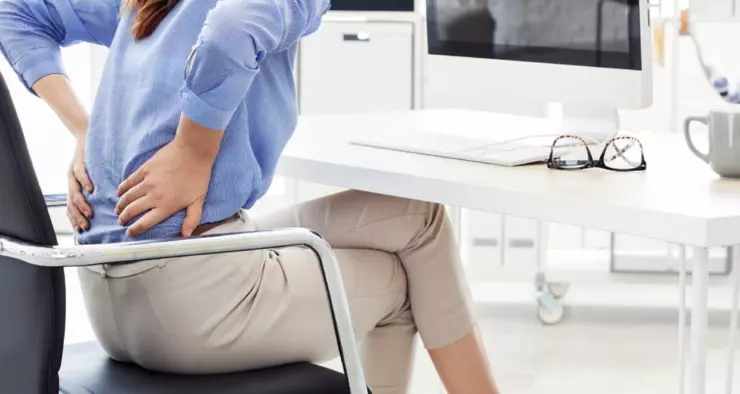
Why Your Back Hurts and What to Do About It Exploring the Unique Causes of Headaches in Denver and How Chiropractic Care Provides Relief Back pain is discomfort and pain caused by injury or illness between the shoulders and the hips. It’s not a disease on its own, but a symptom of various medical conditions, such as osteoporosis, sciatica, and general muscle strain. 65 million adults report a recent bout of acute (short-term) back pain, and 16 million suffer from chronic (persistent) back pain. Adults with back pain earn less income and spend more on healthcare than their counterparts without back pain. Instead of living with back pain , improve your overall quality of life by getting your back pain treated. Just because it’s common doesn’t mean you have to live with it! Let’s cover the common causes, risk factors, and the best treatment options for back pain. What Causes Back Pain? The most common causes of back pain are: Muscle strain Ligament injury Osteoarthritis Osteoporosis (and the compression fractures it causes) Spinal stenosis (compression of the spinal nerve roots) Sciatica (pinching of the sciatic nerve) Scoliosis Cauda equina syndrome Herniated disc Degenerative disc disease Kidney stones Tumors near the spinal cord Meningitis Fibromyalgia Spondylosis Ankylosing spondylitis Spondylolisthesis Osteomyelitis Broken bone near the spinal column Sprain What causes back pain in females? These are conditions that cause back pain that apply more to women than men: Osteoporosis, which is more common in females Osteoarthritis, which is more common in females Pregnancy Large breasts Premenstrual syndrome (PMS) Premenstrual dysmorphic disorder (PMDD) Dysmenorrhea (very painful menstruation) Endometriosis Piriformis syndrome Sacroiliac joint dysfunction Coccydynia (tailbone pain) Weight gain Risk Factors for Back Pain Poor posture Older age Obesity, excess weight Lack of exercise Heavy lifting, especially when it’s part of your occupation Sedentary lifestyle Smoking Pregnancy Genetics Back Pain Symptoms Here are the symptoms you may feel when you have back pain: Pain in the upper region of the back Pain in the lumbar spine region (low back pain, or lumbago ) Neck pain, shoulder pain Pain in the buttocks Muscle spasm Back soreness Back stiffness Pain or tingling sensation down one or both legs Weakness in one or both legs How do I know if my back pain is serious? Your back pain is serious if it is accompanied by any of the following symptoms: Incontinence Fever Unexplained weight loss Severe stomach pain Pain in both legs, instead of just one Issues with balance Back pain should also be considered serious if it occurs shortly after an injury or accident (car accident, sports-related injury, fall, etc.). Diagnosis for Back Pain Most healthcare professionals will ask about symptoms and perform a physical examination, medical history, and family history. But to diagnose the cause of your back pain, tests are often required. Doctors tend to use the following tests to diagnose back pain: X-rays reveal bone alignment or fractures, as well as signs of arthritis. CT scans (computed tomography) are used to investigate the source of your back pain, such as injuries, infections, disc herniation, pinched nerves, and much more. MRIs (magnetic resonance imaging) tend to over-diagnose because of their incredible detail. MRIs may be good for early detection of back pain conditions, but doctors tend to avoid them for simple cases of back pain. Bone scans are rarely used, but can help a doctor look for bone tumors or compression fractures. Blood tests show if an infection or other medical condition may be causing back pain. Electromyography (EMG) can confirm nerve compression by herniated disk or narrowing of the spinal canal. How do you know if back pain is in the muscles or discs? Back pain is muscle-related if your back hurts more when you’re moving than when you’re still. Back pain is disc-related if moving relieves pain, if bending forward hurts more than returning to an upright position, and if pain radiates past your buttocks into your legs. Treatment for Back Pain The below treatments are some of the best, evidence-based methods for relieving back pain. Always seek medical advice before you take back pain treatment into your own hands. 1. Chiropractic Care Also called manual spinal manipulation, chiropractic care is a treatment plan in which a chiropractor adjusts spinal alignment and mobilizes the surrounding muscles and joints. Chiropractic care has been shown to effectively reduce back pain and neck pain. Research indicates that chiropractic care is better and more cost-effective than taking medicine and/or visiting a primary care physician. After an adjustment , patients feel less pain, less disabled , less dependent on drugs, and more satisfied. This is because it aligns the parts of your spine that interfere with proper nervous system function. Different chiropractors may have different methods. At Denver Upper Cervical Chiropractic , we employ gentle spinal manipulations mainly to the upper spine. We do not treat our patients like rag dolls. Our approach is gentle enough for newborns and grandmas. 2. Physical Therapy Also called physiotherapy, physical therapy for back pain sufferers uses stretches and exercises that improve posture and musculoskeletal strength. Physical therapists also help to prevent future injuries through patient education and core muscle strengthening. The stretches and exercises you learn may be difficult to remember if you are experiencing little or no pain. And once the pain comes back, it could take at least a day for the stretches and exercises to alleviate your pain. So it’s important to remember to do your stretches and exercises learned at physical therapy, even if you aren’t experiencing back pain at that moment. Also, obesity and excess weight are risk factors for low back pain. Exercise helps you maintain a healthy weight. 3. Spinal Decompression Non-surgical spinal decompression therapy involves a gentle, slow stretching of the spine. Decompression creates a vacuum effect that can help retract herniated or bulging discs. If your back pain is caused by disc problems, a decompression table is one of the only effective ways to reduce that pain. We use a spinal decompression table in our office, and it’s shown huge success with our patients! Often, you’ll find these tables at the physical therapist or chiropractor’s office. 4. Lifestyle Changes The following lifestyle changes may relieve
Trigeminal Neuralgia vs TMJ, What Are They?
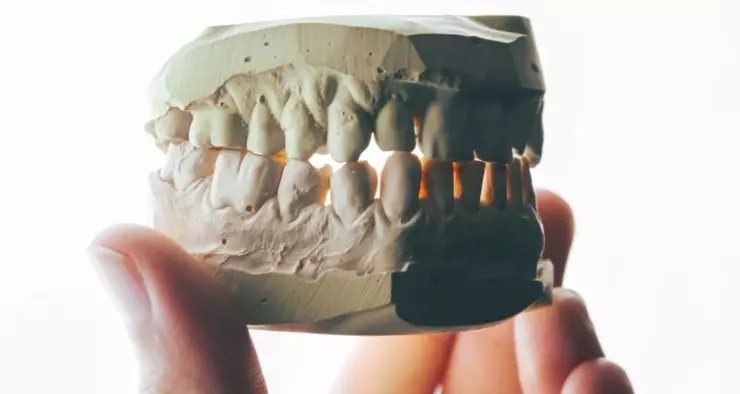
Trigeminal Neuralgia vs TMJ, What Are They? Exploring the Unique Causes of Headaches in Denver and How Chiropractic Care Provides Relief TMJ and trigeminal neuralgia are related conditions that can cause pain throughout your jaw and cheek, but they are not the same. The magnitude of pain for TN is usually much greater than TMJ. Trigeminal neuralgia (TN) is when the trigeminal nerve, which is divided into 3 main branches, is irritated or compressed, resulting in pain on one side of the head. TMJ is a jaw condition that can cause trigeminal compression as well as other painful symptoms. Let’s go over the key differences in more detail below. Trigeminal neuralgia and TMJ can both be treated with targeted chiropractic adjustments of the upper spine. Dr. Ty Cazoli of Denver Upper Cervical Chiropractic has years of experience helping folks like you reverse these painful conditions . Schedule an appointment today! How to Tell the Difference Between TN & TMJ Here’s a quick breakdown of each condition: Trigeminal neuralgia (AKA tic douloureux) is a painful condition in which headaches or upper neck pain emanates from the trigeminal nerve on one side of the face, including the jaw. Trigeminal pain feels like an electric shock throughout one cheek. Blood vessel abnormalities, TMJ, or spine misalignment can lead to irritation of the trigeminal nerve. TMJ — sometimes called TMD — stands for temporomandibular joint disorder. This condition means your jaw joint, which connects the jaw to the skull, is not properly functioning, resulting in a locked jaw or jaw pain. Causes of TMJ include abnormal bite, arthritis of the jaw, teeth grinding, stress, injury, and spinal misalignment . According to David Chen, DDS, the most common cause of TMJ pain is overuse and stress of the jaw (such as what happens when you clench your jaw all night long). Can TMJ feel like trigeminal neuralgia? Yes, TMJ can cause pain that feels like trigeminal neuralgia because TMJ can directly trigger trigeminal nerve irritation. Both conditions can lead to face pain or migraines . However, TMJ causes other symptoms besides trigeminal pain, such as locking and popping of the jaw. Symptoms of Trigeminal Neuralgia Symptoms of TN include: Electric shock-like type of pain on one side of your head Burning sensation in the cheek or jaw Pain duration of a few seconds to several minutes Sudden pain after chewing, smiling, speaking, brushing teeth, or touching your face Can jaw clenching cause trigeminal neuralgia? Yes, jaw clenching is a trigger for trigeminal neuralgia pain. Clenching, a common cause of TMJ disorders, can also irritate the trigeminal nerve. Other triggers for trigeminal neuralgia include touching your face, injury, multiple sclerosis, stroke, or tumor. Symptoms of TMJ Symptoms of TMJ include: Chronic pain in and around your jaw muscles Pain while chewing, swallowing, talking, or yawning Clicking or popping in the jaw Locking of the jaw joint, limited jaw movement Tinnitus (ringing in the ear) Treatment Options for Trigeminal Neuralgia What are the treatments for trigeminal neuralgia ? Below are 7 treatment options for trigeminal neuralgia, including medication, surgery, and alternative therapies. Self-care — Self-care for trigeminal neuralgia mainly involves knowing and avoiding your TN triggers. Triggers may include touching your face, eating on one side of your mouth, and stressful situations. Chiropractic care — Recent case reports show that chiropractic care can help with trigeminal neuralgia. It makes sense since the trigeminal nerve travels through the upper spine , making spinal misalignment a common cause of trigeminal irritation. Upper cervical chiropractors are qualified to address this underlying cause and help reverse TN. Medication — Conventional doctors typically prescribe anticonvulsants or muscle relaxants to block trigeminal pain. The first-line treatment has been carbamazepine for decades, even though it is dangerous for some. This does not treat the root cause of TN but does mask the symptoms. Botox — Your doctor may prescribe botox injections. Botulinum toxin A is a safe, effective treatment for trigeminal neuralgia, with maximum efficacy “noticed between 6 weeks and 3 months after the procedure.” This is a commonly prescribed treatment, but we recommended it as a last resort. Acupuncture — Acupuncture can treat trigeminal neuralgia. This 2021 scientific review concludes that acupuncture is more effective, safer, and less costly than medication- or surgery-based treatment of trigeminal neuralgia. Microvascular decompression — This surgical procedure involves relocating or removing blood vessels that may irritate the trigeminal nerve. During microvascular decompression, your surgeon may place a cushion between the nerve and the blood vessels. It is safe for the elderly. Potential side effects of microvascular decompression include facial numbness or weakness, reduced hearing, or, in very rare cases, a stroke. This is a good option for people who haven’t responded to less invasive treatments, and has MRI evidence that you’re a candidate for this procedure, many TN patients are not. Neurectomy — If other options aren’t working, a neurosurgeon may remove the trigeminal nerve or cut out part of the nerve to eliminate the nerve pain signals. The partial or complete removal of any nerve is called a neurectomy. This is a viable option as well, but is recommended as an absolute last resort. Rhizotomy — Your healthcare provider may recommend a rhizotomy , in which a surgeon destroys nerve fibers to dull the pain. Rhizotomy can be achieved via a glycerol injection into your trigeminal nerve, balloon compression of the nerve, or radiofrequency thermal lesioning (heat damaging). This procedure is recommended as a last resort option. For safe, effective, conservative treatment of trigeminal neuralgia or other headache disorders, try upper cervical chiropractic care today. Our non-invasive treatment methods are based on science and decades of real people getting better. Contact us online or call us at 303-955-8270 . Treatment Options for TMJ How do you treat TMJ ? TMJ treatments include chiropractic care, physical therapy, dental corrective procedures, medications, or surgery. Self-care — Self-care for TMJ disorders involves avoiding triggers of jaw pain, including touching your jaw, opening your mouth wide, or resting your chin on your hand. Soft foods may help you avoid a TMJ episode. If TMJ pain flares up, gently apply an ice pack to your affected area or practice jaw stretches okayed by your healthcare provider. Chiropractic adjustment — Chiropractic care is shown to relieve pain and resolve root causes of TMJ disorders. As little as 1 visit per month may significantly improve

The Neck’s Role in Trigeminal Neuralgia
The Neck’s Role in Trigeminal Neuralgia Exploring the Unique Causes of Headaches in Denver and How Chiropractic Care Provides Relief Neck problems may cause trigeminal pain. Medication can mask the pain, but chiropractic adjustment of the neck can address the root cause of your trigeminal neuralgia . Trigeminal neuralgia is a nervous system disorder that leads to severe head or neck pain that may feel like an electric shock on one side of your head (occasionally both sides). This debilitating pain can be triggered by eating, smiling, or even a strong breeze. If you want help with your trigeminal neuralgia or other neck conditions, schedule your appointment with Denver Upper Cervical Chiropractic today ! What is Trigeminal Neuralgia? Trigeminal neuralgia (TN) is a painful condition where face pain or upper neck pain radiates from one, two, or all three branches of the trigeminal nerve — usually on one side of the face, but potentially on both sides. This nervous system condition results in electric shock-like pain where the brainstem and the C1 vertebra (atlas) meet the fifth cranial nerve, also called the trigeminal nerve. Compression of this nerve leads to trigeminal pain. The trigeminal nerve is a set of several branching cranial nerves each of which control various facial sensations: Ophthalmic nerve (V1): eye, forehead, upper eyelid Maxillary nerve (V2): lower eyelid, cheek, nostril, upper lip, upper gum Mandibular nerve (V3): upper and lower jaw, lower lip, lower gum, certain chewing muscles Trigeminal neuralgia is also known as: TN TGN Tic douloureux Suicide disease Fothergill’s disease Prosopalgia Facial neuralgia Trifacial neuralgia Cranial neuralgia (one of multiple types) Conventional doctors may prescribe medications to mask trigeminal facial pain. However, the side effects are numerous, the drug’s efficacy quickly wanes, and this treatment does nothing to address the root cause. Chiropractors help treat the root cause of trigeminal neuralgia with precise spinal adjustments to actually reverse trigeminal neuralgia. How Neck Problems Cause Trigeminal Neuralgia Various neck problems can lead to trigeminal neuralgia (or other cranial neuralgias ), including a compressed nerve due to spinal misalignment in the neck. Non-neck problems which are common causes of TN include multiple sclerosis, blood vessel dysfunction, certain disorders which damage the nerve’s protective myelin sheath, tumors, or aging. These kinds of TN causes are unlikely to respond to chiropractic care, and should be treated with other methods. If your TN is caused by a neck problem, it is likely to be one of the following. Let’s go over each in a little detail. Compressed Nerve There are multiple ways your trigeminal nerve could get compressed, leading to trigeminal neuralgia: Upper cervical spine misalignment means the vertebrae may be compressing the nerve and result in trigeminal pain. Irritated or abnormally-located blood vessels could compress a nerve in the neck area. Spinal injury could lead to a compressed nerve and TN. Either way, that compressed nerve will greatly impact your quality of life. Chiropractic neck adjustment should relieve the pressure on the compressed nerve and eliminate the root cause of your TN. Cranial Instability Trigeminal neuralgia can be caused by instability of the head, due to upper cervical spinal fracture or overstretching. Cranial instability (or cervical instability ) is when the neck vertebrae can move beyond their typical range of motion. Instability is often caused by ligaments becoming loose or too stretched out. It is sometimes the result of a genetic condition called Ehlers-Danlos syndrome. Cranial instability may irritate the trigeminal nerve since the head and upper neck are moving beyond their typical range of motion, increasing the chance of pinching that nerve and causing TN pain. Decreased Flow of Cerebrospinal Fluid Stasis of the cerebrospinal fluid can greatly impact your health and happens more frequently than many have believed. Misalignment is usually the cause for the decrease in flow rate. The Atlas acts like a pressure valve at the top. If your neck is misaligned, that can disrupt the normal flow. The fluid doesn’t slow on its own in the absence of a misalignment or other physical or physiological issue. Cerebrospinal fluid is a complex substance which is fundamental to the nervous system’s proper functioning. This fluid, which circulates throughout your central nervous system, may be particularly vulnerable to stasis, or inactivity, in the spinal canal. Reduction in the flow rate of cerebrospinal fluid may lead to: Vertebral subluxation, potentially irritating the trigeminal nerve Tension in the spinal cord Limited function of lungs and respiratory system Reduced cranial rhythm (natural expanding and contracting of the skull 8-14 times per minute) Intracranial Hypertension Excess pressure within the skull can lead to trigeminal pain. This can also be caused by decreased cerebrospinal fluid flow. Intracranial hypertension (ICH) and TN seem to be connected, but researchers have concluded ICH could be an independent cause of TN. Idiopathic intracranial hypertension is a build-up of pressure around the brain, which happens suddenly and without any identifiable cause. You are more likely to experience ICH if you experience hypothyroidism or irregular red blood cell count. Women account for 19 out of 20 ICH patients. Read more: TMJ vs. Trigeminal Neuralgia: How To Tell The Difference Determining the Cause of Your Trigeminal Neuralgia Identifying the root cause of your trigeminal neuralgia is critical to determining a precise treatment plan that works for you. A doctor may diagnose whether you have TN by asking about pain triggers, identifying where on your head and neck the pain emanates , or possibly with an MRI. To figure out the exact cause of your trigeminal neuralgia, your healthcare provider may inquire about your personal medical history — searching for times of head or neck injury, or perhaps a family history of certain conditions such as Ehlers-Danlos syndrome. X-rays may be required to examine your upper spine for subluxations or other abnormalities that could be irritating the trigeminal nerve. Treatment Options There are several treatment methods for trigeminal neuralgia. Whereas conventional healthcare providers may prescribe medications to mask the pain, chiropractors aim to address the root cause and reverse your TN. Chiropractic Care Upper cervical chiropractors are highly qualified to address trigeminal neuralgia’s underlying causes and help reverse TN, instead of just masking the pain with expensive drugs that come with crazy side
Trigeminal and Occipital Neuralgia: How To Tell the Difference
Trigeminal and Occipital Neuralgia: How To Tell the Difference Exploring the Unique Causes of Headaches in Denver and How Chiropractic Care Provides Relief Trigeminal neuralgia and occipital neuralgia are both uncommon but severe headache disorders that can often be treated with chiropractic care. Trigeminal neuralgia (TN) is when a compressed trigeminal nerve sends severe pain through your jaw or the side of your face. Touching your cheek, brushing your teeth, and even smiling can trigger TN. Some confuse TN with cluster or migraine headaches , but migraines and cluster headaches do not share the same triggers or treatments. Occipital neuralgia (ON) is when a compressed nerve in the occipital region sends severe pain up the back of your head and neck. Most ON cases occur due to the irritation of the greater occipital nerve, which originates from the 2nd cervical nerve in the back of your upper spine. However, 10% of cases are due to lesser occipital nerve compression. Neuralgias are a relatively recent classification , but more and more people are discovering they have these serious nervous system conditions. They’re often diagnosed as “idiopathic,” meaning there’s no direct cause (such as trauma from a car accident or fall). Even though TN and ON are rare, if you have either, you will want more than anything to get effective treatment. Below, we’ll discuss detailed differences and similarities between trigeminal and occipital neuralgia. If you’re looking for a non-medical, non-surgical treatment that addresses the root cause of these chronic pain conditions, consider upper cervical chiropractic care . What’s the Difference Between Occipital and Trigeminal Neuralgia? The main difference between occipital neuralgia and trigeminal neuralgia is the nerve causing your pain. ON is caused by the inflammation or compression of the occipital nerve, while TN is caused by the inflammation or compression of the trigeminal nerve (the largest cranial nerve). These nerve clusters are in different places around your head and upper spine. (See images below.) More differences between ON and TN include the root causes, symptoms, and treatment options. However, all of these aspects have similarities and differences: Root causes Symptoms Treatments Occipital neuralgia is caused by inflammation or irritation of the occipital nerves, usually due to the greater occipital nerve specifically. TN is caused by inflammation or irritation of the trigeminal nerves. Although both sets of nerves are situated near your upper spine, trigeminal and occipital nerves are different. Secondary Headaches Secondary headaches are caused by an underlying medical condition instead of just an abnormality in your blood vessels. These are less common, but still important to understand. Since it is important to treat the root cause of your headache — not just mask the symptoms — it can be helpful to see all the possible secondary causes laid out for you. Here are the twelve common types of headaches (secondary) you need to understand : Occipital neuralgia typically affects the back of the head and neck, while trigeminal neuralgia often affects one side of the face. TN has been described as the most severe pain one can experience, but ON can also present as severe. Chiropractic care , acupuncture , botox injections , nerve block injections, and a neurectomy can reduce symptoms in both occipital and trigeminal neuralgia. Anti-inflammatories, antidepressants like amitriptyline, and anticonvulsants are common medications for ON, while only anticonvulsants are common for TN. Separate surgeries are employed for ON versus TN, as are different self-care strategies. Occipital neuralgia is caused by inflammation or irritation of the occipital nerves, usually due to the greater occipital nerve specifically. TN is caused by inflammation or irritation of the trigeminal nerves. Although both sets of nerves are situated near your upper spine, trigeminal and occipital nerves are different. Secondary Headaches Secondary headaches are caused by an underlying medical condition instead of just an abnormality in your blood vessels. These are less common, but still important to understand. Since it is important to treat the root cause of your headache — not just mask the symptoms — it can be helpful to see all the possible secondary causes laid out for you. Here are the twelve common types of headaches (secondary) you need to understand : Occipital neuralgia typically affects the back of the head and neck, while trigeminal neuralgia often affects one side of the face. TN has been described as the most severe pain one can experience, but ON can also present as severe. Chiropractic care , acupuncture , botox injections , nerve block injections, and a neurectomy can reduce symptoms in both occipital and trigeminal neuralgia. Anti-inflammatories, antidepressants like amitriptyline, and anticonvulsants are common medications for ON, while only anticonvulsants are common for TN. Separate surgeries are employed for ON versus TN, as are different self-care strategies. Henry Gray (1825–1861). Anatomy of the Human Body. 1918. Trigeminal Neuralgia Symptoms Stabbing pain, typically on one side of the head (though both sides are occasionally impacted) Short bursts of severe pain ( usually lasting seconds , occasionally minutes) Numbness, burning, or tingling in the cheek or jaw Pain triggered by touching the cheek, speaking, or even a strong breeze Occipital Neuralgia Symptoms Brief, paroxysmal pain in the back of the head and neck (could spread to the top of the head ) Long-lasting, dull headache pain Sensitivity to light Sensitivity to touch Treatment Options for Trigeminal and Occipital Neuralgia Although there are different treatment interventions for trigeminal neuralgia versus occipital neuralgia, below are the common treatment options that may address both: Chiropractic care — A qualified chiropractor aligns your spine, which may reverse nerve compression. A misaligned upper spine is a likely cause of your trigeminal or occipital area getting compressed or irritated. Blood vessel (vascular) inflammation may also be triggering occipital or trigeminal pain, but a misaligned upper spine may also be the reason your blood vessels are inflamed. Talk to a chiropractor who specializes in orthospinology about your trigeminal or occipital pain. Acupuncture — It sounds too good to be true, but scientific studies have shown acupuncture is an effective treatment for both TN symptoms and ON symptoms. This is a better option than medication or surgery, but chiropractic care is the only direct treatment for TN and ON root causes. Botox injection — Botulinum toxin A (Botox) has been shown to manage both ON symptoms and TN symptoms. This is not
Upper Cervical Chiropractic Treats 14 Conditions [Is it safe?]
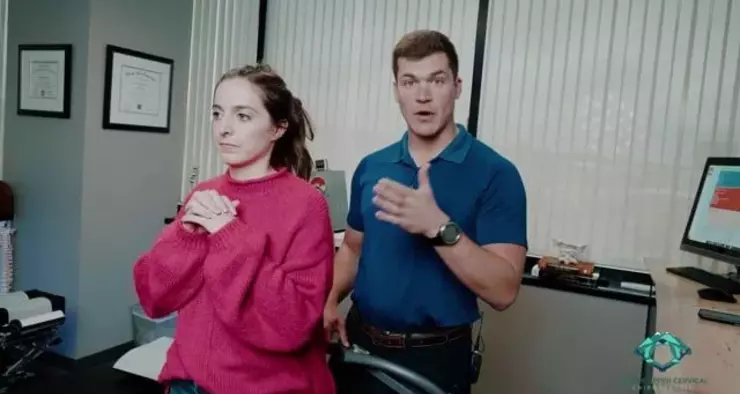
Upper Cervical Chiropractic Treats 14 Conditions [Is it safe?] Exploring the Unique Causes of Headaches in Denver and How Chiropractic Care Provides Relief Chronic back pain, neck pain, and neurological conditions are not a normal part of aging. Often, the pangs of “old age” are really old injuries that never truly recovered. A conventional approach to medicine is to treat individual symptoms as if they exist in a vacuum. Pharmaceuticals and harsh, unnatural treatments for disease are often ineffectual at more than masking symptoms. As an alternative , upper cervical chiropractic care takes a precision approach to not only treating health problems, but giving your body what it needs to thrive from head to toe. The best upper cervical chiropractic practices walk you through your treatment plan and provide visual results to show you how far you’ve come. Of course I’d say that — I’m an upper cervical chiropractor. Unfortunately for the skeptics, both patient testimonials and years of published and peer-reviewed research supports my viewpoint. Otherwise, I wouldn’t be an upper cervical chiropractor. What is upper cervical chiropractic? Upper cervical chiropractic care focuses on correcting misalignments in the upper neck region of your spine — called subluxations or, more specifically, upper cervical subluxations . Upper cervical spine chiropractors concentrate on the upper two vertebrae of the spine, called C1 (atlas) and C2 (axis). Upper cervical care tends to be gentler than general chiaaropractic, making it a great option for sensitive patients. Upper cervical manipulation affects the whole body by adjusting the upper spine, which allows the central nervous system to properly communicate with the rest of your body. As an upper cervical chiropractor, I use frequent x-rays and 3D technology to determine exactly where a vertebra may need adjustment. Misaligned vertebrae interfere with the spinal cord and brainstem, leading to ineffective or dysfunctional nervous system signaling. During an adjustment, I use the Laney Torque Specific Cervical Adjusting Instrument. This state-of-the-art instrument makes incredibly gentle adjustments. Only 65 Laneys have ever been made, and I use the only one in the state of Colorado. There are many philosophies of chiropractic. At Denver Upper Cervical, our philosophy is that we can show you the before, during, and after effects of your treatment plan by utilizing cutting-edge tech and the most up-to-date scientific literature. Our patients don’t spend hours each week in the office. Their treatment plans are designed to get them out of the office and back to doing the things they enjoy. What is NUCCA? NUCCA stands for National Upper Cervical Chiropractic Association. NUCCA is a leading organization on the standard of care in upper cervical care. NUCCA procedures are well-researched chiropractic treatment methods that encourage figuring out the exact nature of your misalignment, then gently and safely correcting that spinal misalignment. NUCCA registered chiropractors (AKA NUCCA doctors) are located across the country, equipped to gently handle spinal subluxations and restore overall health. Conditions Treated by Upper Cervical Chiropractic There are many medical conditions treated by upper cervical chiropractic care. The most common are: https://vimeo.com/299982455?fl=pl&fe=sh 1. Neck Pain Neck pain and shoulder pain are prevalent throughout the worldwide population. It is a primary reason people visit the chiropractor. Whether it is due to injury or disease, upper cervical chiropractic care has been shown to reverse neck pain and shoulder pain. 2. Back Pain Millions of Americans suffer from chronic back pain . One of the main reasons for chiropractic treatment is relieving back pain — short-term or long-term. Counterintuitively, adjusting subluxations in your upper spine may actually reverse low back pain! Chiropractic treatment may bring immediate pain relief. For some, it may take several weeks of spinal adjustments. 3. Headaches and Migraines Chiropractic care improves headaches and migraines. Headaches can be caused by: Stress Poor posture Tension Changes in weather Fatigue Lack of sleep Hunger Caffeine withdrawal symptoms Medications Upper cervical subluxations Stress, posture, tension, and subluxations are all treatable by chiropractic care. This can lead to reduced headaches and/or migraines. 4. Post-Concussion Syndrome Post-concussion syndrome (also called PCS) is when your concussion symptoms persist for 6 weeks after the initial head injury. Chiropractors may be able to treat PCS. Concussion symptoms include headache and dizziness, to mention a few. If concussion symptoms last for more than a month and a half without subsiding, consider visiting a chiropractor right away. Chiropractic care has been shown to improve outcomes after a concussion, reducing symptoms and helping people get back to their normal lives. 5. Vertigo and Meniere’s Disease Upper cervical chiropractic care often improves vertigo and Meniere’s disease, which are two closely connected disorders. Vertigo is feeling dizzy or off balance. Meniere’s disease is a disorder of the inner ear that can lead to vertigo. Vertigo is a common symptom of Meniere’s disease. Upper cervical chiropractic care may treat Meniere’s disease and its symptoms: Vertigo Hearing loss Ringing in ears Nausea Vomiting Upper cervical chiropractic care may improve patients’ Meniere’s disease and vertigo symptoms surprisingly immediately. 6. Fibromyalgia and Fatigue Fibromyalgia is a chronic disorder of the bones and muscles, and its chief symptom is persistent fatigue. Upper cervical chiropractic care is well known to treat fibromyalgia. In fibromyalgia, signals travel through your brainstem to tell your brain there is pain when there is actually no pain. Spinal readjustments by a doctor of chiropractic correct these signals. Chiropractic treatments seem to treat fatigue due to other reasons as well. 7. Autoimmune Disease Doctors of chiropractic treat many autoimmune diseases and inflammatory conditions, such as: Scoliosis Rheumatoid arthritis Osteoarthritis Neuritis Ankylosing spondylitis 8. Blood Pressure Hundreds of millions of people in the world suffer from high blood pressure, also called hypertension. Interestingly, multiple studies indicate that chiropractic care may be able to lower blood pressure in hypertensive adults. 9. TMJ Disorders TMJ stands for “ temporomandibular joint ”, but TMJ can also refer to TMJ disorders (TMD), which can be treated by chiropractic care. The TMJ connects your jaw to your skull. The TMJ is the most used joint in the body. You use the TMJ when: Yawning Smiling Chewing Talking TMJ disorders (sometimes called TMD) may be caused by: Muscle spasm Head or jaw injury Teeth clenching Teeth grinding Chronic stress Misaligned bite Trigeminal neuralgia is another disorder that is sometimes confused with
The Axis Bone
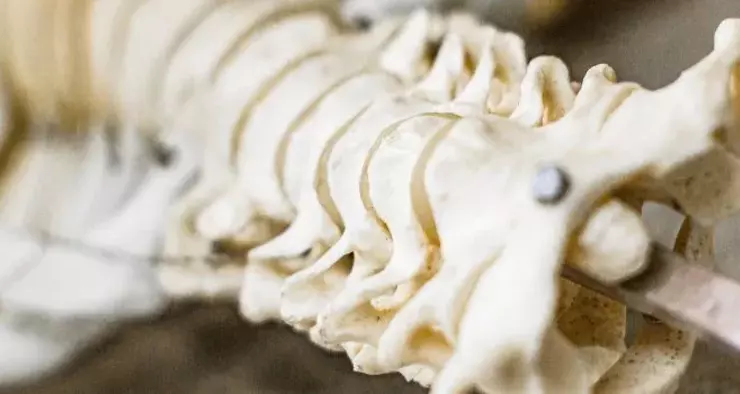
The Axis Bone Exploring the Unique Causes of Headaches in Denver and How Chiropractic Care Provides Relief The axis bone is the second vertebra in your cervical spine, and is critical in the movement of the head. The spine also consists of the thoracic spine, lumbar spine, sacrum, coccyx, and the intervertebral discs that interconnect the vertebrae. We’ll focus on the axis, or c2 vertebra here. What is the function of atlas and axis? The atlas and axis form synovial joints that serve multiple functions , including the stability, rotation, flexion, and extension of the head and neck. Misalignment of the axis bone can cause chronic headaches, neck pain, vertigo, and possibly even Meniere’s syndrome. Upper cervical chiropractic adjustment is an effective treatment for C2 misalignment. If you’re worried about axis alignment, schedule an appointment with a qualified chiropractor who specializes in the upper spine. What is the axis bone? The axis bone is the second cervical vertebra in your vertebral column, or spine. With the atlas bone (C1) it forms the pivot joint that allows your head to rotate. This important bone has many names: Axis Epistropheus Vertebra cervicalis II C2 vertebra Upper cervical spine (refers to both C1 and C2) Why is it called the axis bone? The axis bone gets its name from the Latin word for “axle” which refers to a rod through the center of a wheel. The axis is instrumental in the rotation of the atlas bone and the head. Is the axis C1 or C2? The axis bone refers to the second vertebra in the human anatomy, also called the C2. The C1 is your atlas . Let’s explore the major features of the axis bone. Photo Credit: https://www.ncbi.nlm.nih.gov/books/NBK539734/figure/article-36293.image.f2/ Body (or Centrum) The vertebral body of the axis is the part which connects to the first cervical vertebra (C1) above and the C3 below. It is smaller than other vertebrae’s bodies. Also called the centrum, this cylindrical mass is located on the anterior surface (front side) of the vertebra. The anterior longitudinal ligament attaches to the front of the body of the axis, but the posterior longitudinal ligament attaches to the back of the lower centrum. Odontoid Process (or Dens) The most unique feature of the axis bone is the dens, which protrudes upwards and acts as a stabilizing axle for the atlas bone and the head to rotate. The dens forms a pivot joint with the anterior arch of the atlas bone. Apical ligaments and alar ligaments connect the dens to the occipital bone. This protrusion goes by several names: Dens Dens axis (literally “tooth of the axis”) Odontoid process Peg Vertebral Foramen The vertebral foramen is the large opening at the center of the axis bone which lets the spinal cord pass through. The axis’s foramen is smaller than the atlas’s. Spinous process The spinous process is a small projection backwards from the articulation of the two laminae of the axis’s vertebral arch. This process is where ligaments and muscles which move the head or neck may attach. The spinous process is bifid — or, naturally cleft into two segments. Lateral Atlantoaxial Joints The superior articular facets of the axis bone join with the inferior articular facets of the atlas bone to form the lateral atlantoaxial joints. Some sources refer to these as processes or surfaces instead of facets. The superior articular facets are convex surfaces that make head rotation possible, as well as articulation with occipital condyles. The superior articular processes allow one lateral mass to glide forward while another glides backward. This motion permits the C1 to rotate around the dens of the C2. Inferior articular facets are flat surfaces which face downward from the vertebral arch and touch the C3 below. At the atlantoaxial joint, the axis’s spinal nerve exits the spinal cord through a small opening in the bone above the axis. Transverse Process The transverse processes are below the superior articular facet, and they project laterally (to the side), ending in a single tubercle. This part of the axis is where certain head and neck muscles can attach. The transverse foramen is a small opening in the transverse process which allows the vertebral artery and vein to pass through. C1 & C2 Misalignment The upper cervical spine consists of the atlas (C1) and axis (C2). When the C1 and C2 are misaligned, health complications follow. You should seek chiropractic treatment that includes x-ray diagnostics if you are experiencing C1 and C2 misalignment. Upper cervical misalignment may contribute to multiple health problems, some of which may surprise you. Chiropractic adjustment can fix these health problems: Neck pain Chest pain (more common with thoracic vertebrae misalignment) Back pain (more common with lumbar vertebrae misalignment or muscle tension) Migraines Headaches Post-concussion syndrome Vertigo Meniere’s disease Fibromyalgia Chronic fatigue Autoimmunity High blood pressure TMJ disorders (jaw soreness) Sleep disturbances Trouble breathing Muscle weakness Sciatica When to Get an Adjustment You should get a chiropractic adjustment if you experience any of the following symptoms: Chronic neck pain Chronic headache or migraine Vertigo or cervical instability Trouble standing up or sitting down Constant jaw pain Noticeable spinal abnormalities Schedule an appointment with Dr. Ty Carzoli at Denver Upper Cervical Chiropractic in Denver, Colorado. He is qualified to adjust the whole spine, but Dr. Ty has found that upper cervical spine adjustments alone can often treat health conditions. You can set up an appointment online or call us at 303-955-8270. Sources: Korabelnikova, E. A., Danilov, A. B., Danilov, A. B., Vorobyeva, Y. D., Latysheva, N. V., & Artemenko, A. R. (2020). Sleep disorders and headache: A review of correlation and mutual influence. Pain and therapy , 9 (2), 411-425. Full text: https://www.ncbi.nlm.nih.gov/pmc/articles/PMC7648824/ Elizagaray-Garcia, I., Beltran-Alacreu, H., Angulo-Díaz, S., Garrigos-Pedron, M., & Gil-Martinez, A. (2020). Chronic primary headache subjects have greater forward head posture than asymptomatic and episodic primary headache sufferers: Systematic review and meta-analysis. Pain medicine , 21 (10), 2465-2480. Full text: https://www.researchgate.net/profile/Ignacio-Elizagaray-Garcia-2/publication/345144818_Chronic_Primary_Headache_Subjects_Have_Greater_Forward_Head_Posture_than_Asymptomatic_and_Episodic_Primary_Headache_Sufferers_Systematic_Review_and_Meta-analysis/links/61c44cd7c99c4b37eb1878af/Chronic-Primary-Headache-Subjects-Have-Greater-Forward-Head-Posture-than-Asymptomatic-and-Episodic-Primary-Headache-Sufferers-Systematic-Review-and-Meta-analysis.pdf Fischer, M. A., & Jan, A. (2019). Medication-overuse headache. Full text: https://www.ncbi.nlm.nih.gov/books/NBK538150/ Jovel, C. E., & Mejía, F. S. (2017). Caffeine and headache: specific remarks. Neurología (English Edition) , 32 (6), 394-398. Full text: https://www.sciencedirect.com/science/article/pii/S2173580817300858 Leung, A. (2020). Addressing chronic persistent headaches after MTBI
Here’s What Happens During a Chiropractic Adjustment
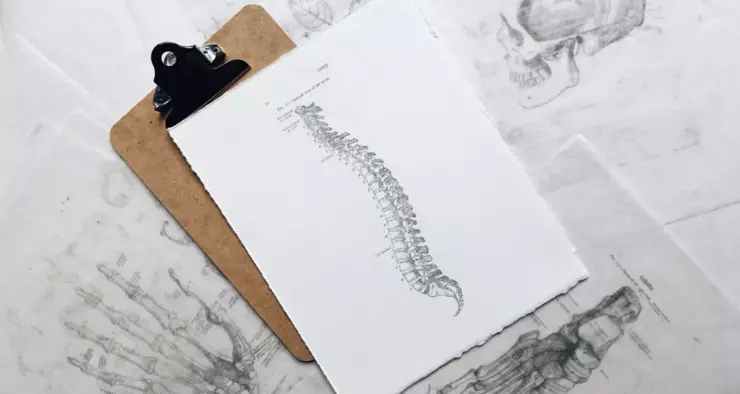
Here’s What Happens During a Chiropractic Adjustment Exploring the Unique Causes of Headaches in Denver and How Chiropractic Care Provides Relief Chiropractic adjustments are sessions of spinal manipulation administered by a doctor of chiropractic. Adjustments are used for chronic pain relief and treating other medical conditions by correcting spinal misalignments. What is a chiropractor ? A chiropractor is a highly qualified healthcare professional who has earned their Doctor of Chiropractic (D.C.) degree. Chiropractors adjust the patient’s spinal joints to address certain disorders. There are several evidence-based health benefits of chiropractic care. A chiropractic doctor can treat conditions such as musculoskeletal pain, migraines, and sciatica with spinal adjustments. Upper cervical chiropractic is a subspecialty of chiropractic care that focuses on the 2 upper vertebrae of the spine: the atlas (C1) and the axis (C2). Upper cervical care is employed to treat several disorders and injuries effectively. Below, you’ll learn the answer to these questions: What do I expect at a chiropractic adjustment? What are the benefits of chiropractic adjustments? Is it safe? Are there side effects? How often should I get chiropractic adjustments? What is the cost of an adjustment? What is a chiropractic adjustment? A chiropractic adjustment (also known as a “spinal adjustment”) is a session of spinal corrections performed by a chiropractor. Chiropractic adjustments may include several individual chiropractic techniques, such as the toggle drop, lumbar roll, or table adjustments. https://youtu.be/vBQfKy0ldlY An upper cervical chiropractic adjustment by Dr. Ty Carzoli https://vimeo.com/299982455?fl=pl&fe=sh How often should you get chiropractic adjustments? For chronic pain that significantly affects your quality of life, you should get a chiropractic adjustment every week or even multiple times each week. What is the difference between chiropractic adjustments and massage? A chiropractor corrects spinal misalignments, and a massage therapist manipulates your soft tissue and muscles. You may visit a chiropractor once a month for simple maintenance and prevention, but this varies greatly depending on your provider. Upper Cervical Chiropractic Our upper cervical chiropractic treatment plans typically require weekly treatments for 12 weeks at a time. Maintenance adjustments are not required, but are recommended for optimal health. There is no cookie-cutter formula to knowing what someone needs. Based on your condition, lifestyle, and state of your spine , I create a custom fit 3-month care plan to get started. It’s very rare I see anyone more than once a week. Most patients can expect to average about 1 visit per week for the first 3 months of care; “The Corrective Care Plan” phase. Following those first three months, I do a comprehensive re-examination where I will: Take new x-rays to measure improvement Reassess your self reported progress Re-administer your cognitive testing Benefits of Chiropractic Adjustments Chiropractic adjustments correct spinal misalignments and spinal motion issues. Left untreated, misalignments and subluxations may cause: Pinched nerves Chronic back pain Nervous system dysfunction General malaise (feeling unwell) Joint pain Poor posture Scoliosis Health benefits of chiropractic adjustments include: Improved joint function (including range of motion) Reduced lower back pain Reduced neck pain Headache relief Migraine relief Better blood circulation Improvement of insomnia Easier breathing , including with certain asthma issues Relief from car accidents These health benefits are backed by peer-reviewed science. A slew of other benefits have been reported by patients and chiropractors but may not be published in scientific journals. If you are interested in a chiropractic adjustment, click here to make your appointment at Denver Upper Cervical Chiropractic. We work with our patients to figure out a treatment plan that works for you. Osteopath vs. Chiropractor An osteopath is a slightly different profession from a chiropractor. Osteopaths (doctors of osteopathy, or DOs) go through four years of medical school. Very few osteopaths prescribe to the importance of spinal correction for all-body health. Chiropractors go to a chiropractic post-graduate school, not medical school. The chiropractic profession focuses closely on all-body health via spinal adjustments. Osteopaths perform osteopathic adjustments, which are very similar to chiropractic manipulations. Osteopathic adjustments are watered-down chiropractic adjustments. Like physical therapists, osteopaths have minimal (elective) training in “manipulations.” Ultimately, osteopathy does not use the principles of complementary or integrative health, in which a lifestyle approach promotes health. Chiropractic, on the other hand, honors the innate systems of the body to promote health with minimal to no use of drugs or conventional medicine principles. The 7 Chiropractic Adjustments 7 manual therapy adjustments will vary from doctor to doctor. Here’s a list of what they are and how they can bring relief: The Diversified Technique: The 3 primary purposes of this adjustment are to restore spinal alignment, repair joint dysfunction, and ensure proper movement and mobility. Spinal Manipulation (aka manual therapy): This is utilized by both chiropractors and in physical therapy to relieve pressure on joints, reduce inflammation, and improve nerve function. Thompson Drop-Table Technique: These adjustments are standard tools used by general chiropractors. During this adjustment, they will raise a part of the table you’re lying down on, then thrust their hands down and the raised portion of the table to quickly lower. The Gonstead Adjustment: Restores normal disc alignment and maximum mobility. The Activator Method: A small handheld device known as an ‘Activator’ is used by chiropractors to administer a gentle impulse to the vertebral segments of the spine. The spring-loaded device adjusts the nervous system’s tone and treats various conditions, from headaches to lower back pain . Flexion Distraction: Used to treat symptomatic disc injuries with leg and back pain . Spinal Decompression: TTreats symptoms of lower back pain that are a result of bulging, herniated, degenerated, and slipped discs. Spinal decompression utilizes a unique table that carefully stretches the spine, promoting the healthy flow of water, oxygen, and other essential fluids into the discs and throughout the spine. What to Expect During Chiropractic Treatment Before the Adjustment Before your adjustment, your chiropractor should discuss your treatment level. You should not expect any pain during a chiropractic visit. The first time you visit a chiropractor, they will likely consult you regarding your overall condition, symptoms, and desired results. This consultation may include the following: A physical examination Taking a personal medical history X-rays Perhaps inquiring about family medical history Discussing financials You may or may not get a chiropractic adjustment at this initial

Can Chiropractic Care Treat Trigeminal Neuralgia?
Can Chiropractic Care Treat Trigeminal Neuralgia? Exploring the Unique Causes of Headaches in Denver and How Chiropractic Care Provides Relief Chiropractic care is a safe, effective treatment for trigeminal neuralgia (TN), an uncommon headache disorder that causes sharp pain on one side of the face. Highly-qualified chiropractors will adjust your upper spine to alleviate nerve pain and reduce your risk of future TN flare-ups. Many cases of TN are caused by upper spinal compression. This is because the upper cervical spine is where the spinal trigeminal tract and nucleus exist. Chiropractic treatment is the most effective way to relieve trigeminal neuralgia pain and improve your quality of life. Pain-free chiropractic adjustment and decompression address the root cause of nerve pain and will never lose effectiveness. Visit an upper cervical chiropractor as soon as possible for chronic pain relief treatment options . Contact us at Denver Upper Cervical Chiropractic or call us at 303-955-8270 . New patients are welcome! What is trigeminal neuralgia? Trigeminal neuralgia (TN) is a painful condition in which headaches or upper neck pain emanates from the trigeminal nerve on one side of the face. TN pain feels like an electric shock or a sharp, stabbing headache throughout one cheek. This nervous system disorder causes intense pain where the brainstem and the C1 vertebra meet the fifth cranial nerve, the trigeminal nerve. Compression of the nerve where it enters the brain causes the nerve to misfire and send pain signals to the brain. The trigeminal nerve is a set of cranial nerves, one that goes to the right side of your head, and the other to the right. Each of these nerves branches into 3 parts that control sensations on different parts of the face (any or all of which can be irritated and lead to TN symptoms): Ophthalmic nerve (V1): Eye, upper eyelid, and forehead Maxillary nerve (V2): Lower eyelid, cheek, nostril, upper lip, and upper gum Mandibular nerve (V3): Jaw, lower lip, lower gum, and some of the chewing muscles Trigeminal neuralgia is also known as: TN TGN Tic douloureux Suicide disease Fothergill’s disease Facial neuralgia Trifacial neuralgia Cranial neuralgia Prosopalgia Conventional doctors often prescribe medication to mask the pain symptoms. The medication comes with a long list of side effects, and the effectiveness of the drug wanes with time. Chiropractors aim to treat the root cause of trigeminal neuralgia with targeted spinal adjustments . Causes & Triggers Conventional medicine has not agreed on a singular cause of trigeminal neuralgia. However, TN pain generally occurs when the trigeminal nerve is somehow compressed or irritated and its protective myelin coating is worn down. Causes of trigeminal neuralgia include: Compression of the trigeminal nerve or spinal cord Upper cervical spinal misalignment Spinal injury, such as whiplash Facial injury Tumor An abnormal tangle of blood vessels Blood vessel compression of the trigeminal nerve Cyst (fluid-filled sac) Multiple sclerosis Trauma after surgery Activities that can trigger TN pain: Touching your face Injury to face Eating Drinking Smiling Talking Brushing your teeth Flossing Strong wind against the cheek Signs & Symptoms Signs and symptoms of trigeminal neuralgia include: Severe, stabbing pain on one side of your head Numbness, burning, or tingling in the cheek or jaw Sudden pain after chewing, talking, smiling, or touching your face Pain duration of a few seconds to several minutes Multiple attacks lasting days, weeks, months, or longer Pain in the cheek , jaw, lips, teeth, gums, eyes, or forehead Chiropractic Care for Trigeminal Neuralgia Relief Upper cervical chiropractic care can relieve trigeminal nerve compression, therefore treating the underlying cause of trigeminal neuralgia. This 2022 case study finds that chiropractic treatment not only treats trigeminal neuralgia, but it can also treat all sorts of low back pain and even Bell’s palsy. Treatment plans may also include prevention strategies, at-home stretches, and even acupuncture (which is actually a scientifically-supported treatment for TN ). Schedule your appointment with Denver Upper Cervical Chiropractic today! Our experts have helped hundreds relieve their pesky headaches and migraine pain — whether medication has failed you or you don’t want to take pharmaceuticals with lots of adverse side effects. Sources: Korabelnikova, E. A., Danilov, A. B., Danilov, A. B., Vorobyeva, Y. D., Latysheva, N. V., & Artemenko, A. R. (2020). Sleep disorders and headache: A review of correlation and mutual influence. Pain and therapy , 9 (2), 411-425. Full text: https://www.ncbi.nlm.nih.gov/pmc/articles/PMC7648824/ Elizagaray-Garcia, I., Beltran-Alacreu, H., Angulo-Díaz, S., Garrigos-Pedron, M., & Gil-Martinez, A. (2020). Chronic primary headache subjects have greater forward head posture than asymptomatic and episodic primary headache sufferers: Systematic review and meta-analysis. Pain medicine , 21 (10), 2465-2480. Full text: https://www.researchgate.net/profile/Ignacio-Elizagaray-Garcia-2/publication/345144818_Chronic_Primary_Headache_Subjects_Have_Greater_Forward_Head_Posture_than_Asymptomatic_and_Episodic_Primary_Headache_Sufferers_Systematic_Review_and_Meta-analysis/links/61c44cd7c99c4b37eb1878af/Chronic-Primary-Headache-Subjects-Have-Greater-Forward-Head-Posture-than-Asymptomatic-and-Episodic-Primary-Headache-Sufferers-Systematic-Review-and-Meta-analysis.pdf Fischer, M. A., & Jan, A. (2019). Medication-overuse headache. Full text: https://www.ncbi.nlm.nih.gov/books/NBK538150/ Jovel, C. E., & Mejía, F. S. (2017). Caffeine and headache: specific remarks. Neurología (English Edition) , 32 (6), 394-398. Full text: https://www.sciencedirect.com/science/article/pii/S2173580817300858 Leung, A. (2020). Addressing chronic persistent headaches after MTBI as a neuropathic pain state. The Journal of Headache and Pain , 21 (1), 77. Full text: https://www.ncbi.nlm.nih.gov/pmc/articles/PMC7304149/ Kaur, A., & Singh, A. (2013). Clinical study of headache in relation to sinusitis and its management. Journal of Medicine and Life , 6 (4), 389. Full text: https://www.ncbi.nlm.nih.gov/pmc/articles/PMC3973877/ Kikkeri, N. S., & Nagalli, S. (2022). Migraine with aura. In StatPearls [Internet]. StatPearls Publishing. Full text: https://www.ncbi.nlm.nih.gov/books/NBK554611/ Ruschel, M. A. P., & De Jesus, O. (2023). Migraine headache. In StatPearls [Internet]. StatPearls Publishing. Full text: https://www.ncbi.nlm.nih.gov/books/NBK560787/ Al Khalili, Y., & Chopra, P. (2020). Hypnic Headache. Full text: https://www.ncbi.nlm.nih.gov/books/NBK557598/ Arca, K. N., & Halker Singh, R. B. (2019). The hypertensive headache: a review. Current pain and headache reports , 23 , 1-8. Full text: https://www.iranheadache.ir/wp-content/uploads/2020/04/The-Hypertensive-Headache-a-Review.pdf Jersey, A. M., & Foster, D. M. (2018). Cerebral aneurysm. Full text: https://www.ncbi.nlm.nih.gov/books/NBK507902/ Vernon, H., Borody, C., Harris, G., Muir, B., Goldin, J., & Dinulos, M. (2015). A randomized pragmatic clinical trial of chiropractic care for headaches with and without a self-acupressure pillow. Journal of manipulative and physiological therapeutics , 38 (9), 637-643. Abstract: https://pubmed.ncbi.nlm.nih.gov/26548737/ Al Khalili, Y., Ly, N., & Murphy, P. B. (2018). Cervicogenic headache. Full text: https://www.ncbi.nlm.nih.gov/books/NBK507862/ Urits, I., Patel, M., Putz, M. E., Monteferrante, N. R., Nguyen, D., An, D., … & Viswanath, O. (2020). Acupuncture and its role in the treatment of migraine headaches. Neurology and therapy , 9 , 375-394. Full text: https://www.ncbi.nlm.nih.gov/pmc/articles/PMC7606388/ Jimenez, M. P., DeVille, N. V., Elliott, E. G., Schiff, J. E., Wilt, G. E., Hart, J. E., & James, P. (2021). Associations between nature exposure and health: a review of the evidence. International Journal of Environmental Research and