
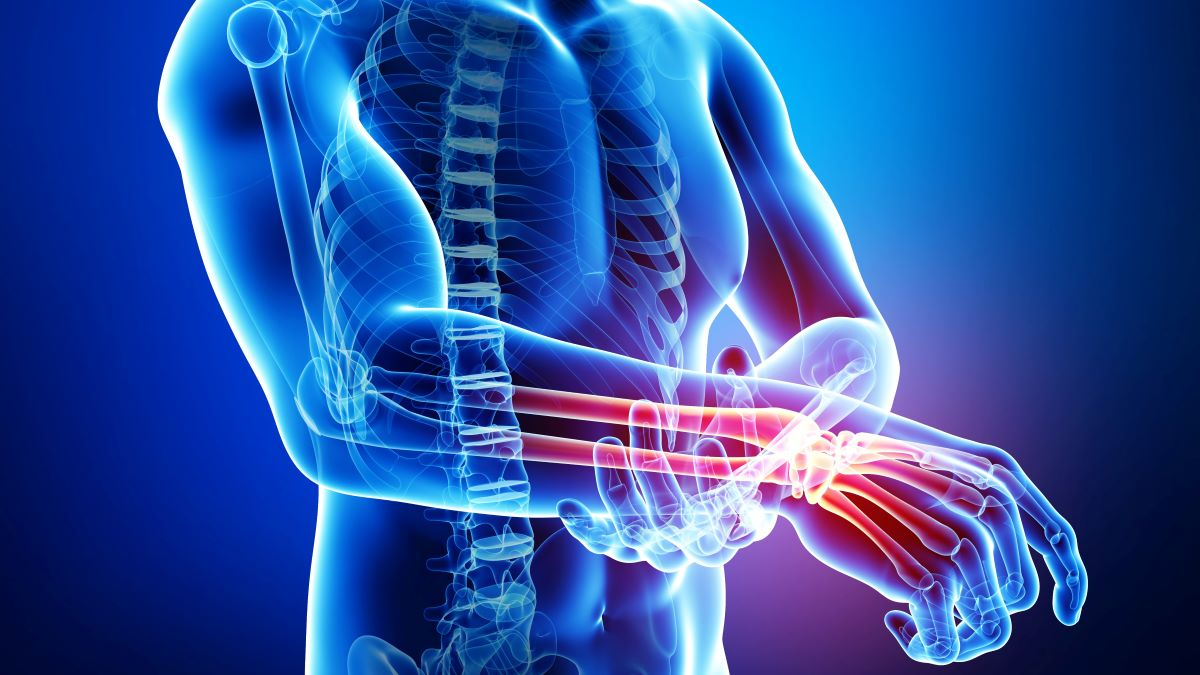
Nerve Compression in Denver: The Hidden Cause of Radiating Pain, Numbness & Weakness Exploring the Unique Causes of Headaches in Denver and How Chiropractic Care Provides Relief Nerve compression is a common yet often misunderstood condition that can cause persistent pain, tingling, numbness, and muscle weakness. Whether it affects your neck, back, shoulders, or legs, compressed nerves can significantly impact your ability to work, exercise, and enjoy daily life. For residents of Denver, where active living and outdoor recreation are part of the lifestyle, addressing nerve compression early is critical for long-term health and mobility. If you are searching for nerve compression treatment in Denver, this comprehensive guide explains what nerve compression is, common causes, symptoms, and the conservative treatment options available locally. What Is Nerve Compression? Nerve compression occurs when surrounding tissues — such as bones, discs, muscles, or ligaments — place excessive pressure on a nerve. This pressure interferes with the nerve’s ability to send signals properly between the brain and body. When a nerve is compressed, you may experience: Sharp or radiating pain Tingling sensations (“pins and needles”) Numbness Muscle weakness Burning discomfort Reduced coordination Depending on the location of the compression, symptoms can travel into the arms, hands, legs, or feet. Common Areas Where Nerve Compression Occurs 1. Cervical Spine (Neck) Compression in the neck can cause pain that radiates into the shoulders, arms, and hands. This is often related to disc issues or spinal misalignment. 2. Lumbar Spine (Lower Back) Nerve compression in the lower back may cause sciatica, where pain radiates down one leg. 3. Carpal Tunnel (Wrist) Compression of the median nerve in the wrist can cause hand numbness and weakness. 4. Shoulder and Thoracic Region Muscle tightness or joint misalignment in the upper back can irritate nearby nerves. For many Denver residents, cervical and lumbar nerve compression are especially common due to desk work combined with recreational strain. Causes of Nerve Compression Nerve compression can develop gradually or suddenly. Common causes include: 1. Herniated or Bulging Discs Spinal discs act as cushions between vertebrae. If a disc bulges outward, it may press against a nearby nerve. 2. Spinal Misalignment When vertebrae shift out of proper alignment, they may narrow nerve passageways. 3. Degenerative Disc Disease Age-related changes can reduce disc height, increasing pressure on spinal nerves. 4. Repetitive Stress Repeated movements at work or during sports may irritate nerves over time. 5. Injury or Trauma Auto accidents, sports collisions, and falls are frequent causes of sudden nerve irritation. In an active city like Denver, skiing accidents, cycling crashes, and hiking falls can all contribute to spinal nerve compression. Symptoms You Shouldn’t Ignore While occasional tingling may seem minor, persistent nerve compression symptoms often worsen without treatment. Warning signs include: Radiating pain down the arm or leg Persistent numbness Weak grip strength Difficulty lifting objects Muscle atrophy Sharp pain when turning the neck Lower back pain with leg weakness If these symptoms last longer than a few days or progressively worsen, professional evaluation is recommended. How Nerve Compression Affects the Body Nerves transmit signals that control muscle movement, sensation, and coordination. When compressed, communication between the brain and body becomes disrupted. This may lead to: Reduced muscle activation Slower reflexes Impaired balance Chronic inflammation Increased risk of injury Over time, untreated nerve compression can cause lasting nerve damage. Nerve Compression Treatment in Denver If you are searching online for “nerve pain treatment near me” or “Denver chiropractor for nerve compression,” conservative treatment is often the first step. 1. Chiropractic Care Chiropractic adjustments aim to restore spinal alignment and reduce pressure on affected nerves. By improving joint mobility and spinal balance, nerve irritation may decrease naturally. Clinics such as Denver Upper Cervical Chiropractic focus on upper cervical alignment, which may influence nerve communication throughout the body. Precise, gentle corrections are designed to: Improve spinal alignment Reduce inflammation Restore normal nerve function Improve posture 2. Physical Therapy Rehabilitation exercises strengthen supporting muscles and relieve stress on compressed nerves. Therapy may include: Core strengthening Postural retraining Stretching tight muscles Nerve glide exercises 3. Lifestyle and Ergonomic Modifications Small daily changes can significantly reduce nerve irritation: Maintain proper desk posture Use supportive footwear Avoid prolonged sitting Lift objects with proper form Take frequent movement breaks Why Choose Local Nerve Compression Treatment in Denver? Selecting a local provider ensures: Personalized assessments Convenient follow-up visits Familiarity with Denver’s active population Care tailored to skiing, hiking, cycling, and office work Denver’s altitude and outdoor activities may increase fatigue and muscular strain, which can influence spinal health. Local providers understand these unique factors. When to Seek Immediate Medical Attention Certain nerve compression symptoms require urgent care: Loss of bladder or bowel control Severe weakness in arms or legs Progressive numbness Sudden loss of coordination These symptoms may indicate serious spinal cord involvement. The Role of Upper Cervical Alignment in Nerve Health The upper cervical spine (C1 and C2 vertebrae) surrounds the brainstem, a critical area for nervous system communication. Even small misalignments in this region may contribute to: Headaches Dizziness Neck pain Radiating arm symptoms Upper cervical chiropractic care focuses on restoring precise alignment without aggressive manipulation, supporting optimal nerve communication. Preventing Nerve Compression Preventative strategies are essential for long-term nerve health. Strengthen Core Muscles: A strong core stabilizes the spine and reduces disc pressure. Maintain Good Posture: Keep your head aligned over your shoulders when sitting or standing. Stay Active: Movement keeps joints lubricated and reduces stiffness. Stretch Regularly: Daily stretching reduces muscle tightness that may compress nerves. Address Injuries Promptly: Early evaluation prevents minor issues from progressing into chronic compression. Long-Term Outlook for Nerve Compression Most cases of mild to moderate nerve compression improve with conservative treatment when addressed early. Successful recovery often includes: Correcting structural imbalances Strengthening weak muscles Reducing inflammation Improving posture habits Maintaining spinal alignment Ignoring symptoms can lead to chronic nerve irritation or muscle weakness. Final Thoughts: Relieve Nerve Pressure & Restore Comfort Nerve compression can disrupt your daily life — from simple tasks

Upper Seven Vertebrae in Denver: The Hidden Link to Neck Pain, Posture & Nervous System Health
Upper Seven Vertebrae in Denver: The Hidden Link to Neck Pain, Posture & Nervous System Health Exploring the Unique Causes of Headaches in Denver and How Chiropractic Care Provides Relief The upper seven vertebrae — also known as the cervical spine — play a critical role in supporting your head, protecting your nervous system, and allowing smooth neck movement. When these vertebrae are properly aligned, you move freely and comfortably. But when even one of them shifts out of position, it can contribute to chronic neck pain, headaches, shoulder tension, and nerve-related symptoms. For residents of Denver, where active lifestyles meet long desk hours, maintaining the health of the upper seven vertebrae is essential. If you are searching for upper cervical spine treatment in Denver or solutions for ongoing neck discomfort, understanding how these vertebrae function can help you take the right steps toward lasting relief. What Are the Upper Seven Vertebrae? The upper seven vertebrae are labeled C1 through C7 and form the cervical portion of the spine. Each vertebra has a unique structure and function. C1 (Atlas): Supports the skull and allows you to nod your head. C2 (Axis): Enables head rotation from side to side. C3–C7: Provide structural stability, protect spinal nerves, and allow bending and extension of the neck. Together, these vertebrae support the weight of your head — approximately 10–12 pounds in neutral alignment — while protecting the upper spinal cord and brainstem. Because of their mobility and responsibility, the upper seven vertebrae are particularly vulnerable to stress, poor posture, and injury. Why the Upper Seven Vertebrae Matter for Your Health The cervical spine is more than a structural support system. It houses nerve pathways that carry signals between your brain and the rest of your body. When properly aligned, the upper seven vertebrae help maintain: Balanced posture Smooth head movement Proper muscle coordination Reduced joint stress Healthy nerve communication However, misalignment or degeneration in this area can cause: Chronic neck pain Tension headaches Shoulder stiffness Dizziness Tingling in arms or hands Reduced mobility For active Denver residents — hikers, skiers, cyclists, and professionals working long hours — the cervical spine is constantly under stress. Common Causes of Upper Cervical Misalignment Several factors contribute to dysfunction in the upper seven vertebrae. 1. Poor Posture Forward head posture from smartphones and computers places excess strain on C1–C7. Over time, this leads to muscle fatigue and joint irritation. 2. Whiplash Injuries Auto accidents are a major cause of upper cervical trauma. Even minor collisions can shift vertebrae out of alignment. 3. Sports Injuries Skiing falls, cycling crashes, and high-impact activities common in Colorado may strain the cervical spine. 4. Repetitive Stress Long hours at a desk, especially without ergonomic support, create sustained tension in the neck. 5. Degenerative Changes Age-related wear and tear may reduce disc height and joint flexibility. Symptoms Linked to the Upper Seven Vertebrae Many people do not immediately connect their symptoms to cervical misalignment. Warning signs may include: Pain at the base of the skull Stiff neck when turning Uneven shoulders Frequent headaches Arm numbness or weakness Chronic upper back tightness Poor posture If these symptoms persist for more than a few weeks, evaluation of the upper cervical spine may be necessary. The Role of the Atlas and Axis (C1 & C2) The first two vertebrae — the atlas and axis — deserve special attention. These bones surround the brainstem, a critical area responsible for communication between the brain and body. Even small misalignments in C1 or C2 can affect: Postural balance Muscle tone Nervous system efficiency Coordination Clinics such as Denver Upper Cervical Chiropractic focus specifically on analyzing and correcting misalignments in this region using precise imaging and gentle adjustments. Because the top vertebrae influence the entire spine, correcting them may improve full-body alignment. How Upper Seven Vertebrae Misalignment Affects Posture When one vertebra shifts, the body compensates. For example: Forward head posture increases strain on C5–C7. A rotated C1 may cause uneven shoulder positioning. Disc stress at C6–C7 can radiate into the arms. These compensation patterns often create chronic muscle tension and fatigue. Correcting alignment allows muscles to relax and return to a more balanced state. Upper Cervical Spine Treatment in Denver If you are searching for “Denver cervical spine specialist” or “upper cervical chiropractor near me,” conservative treatment options are typically recommended first. 1. Chiropractic Care Chiropractic adjustments aim to restore joint motion and spinal alignment. Upper cervical care focuses specifically on the top two vertebrae using precise, low-force techniques. Benefits may include: Reduced neck pain Improved mobility Fewer headaches Enhanced posture Decreased nerve irritation 2. Physical Therapy Rehabilitation exercises strengthen supporting muscles and correct imbalances. Programs may include: Deep neck flexor strengthening Shoulder blade stabilization Core strengthening Postural retraining 3. Ergonomic Improvements Adjusting your workstation can significantly reduce strain: Monitor at eye level Neutral neck position Supportive chair Regular movement breaks Preventing Upper Cervical Spine Issues Maintaining cervical health requires daily awareness. Strengthen Postural Muscles: Strong upper back and core muscles reduce strain on the neck. Avoid Prolonged Flexion: Limit time looking down at phones or laptops. Stretch Regularly: Gentle neck and shoulder stretches maintain flexibility. Stay Active: Movement improves circulation and joint health. Schedule Periodic Evaluations: Routine spinal assessments detect minor misalignments early. When to Seek Immediate Care Seek urgent medical evaluation if you experience: Severe neck pain after trauma Persistent numbness or weakness Loss of coordination Severe headaches following injury These symptoms may indicate serious spinal or neurological involvement. Why Local Care in Denver Makes a Difference Choosing upper cervical spine treatment in Denver ensures: Personalized evaluation Convenient follow-ups Providers familiar with local activity patterns Care tailored to outdoor recreation and desk work Denver’s elevation, outdoor sports, and climate conditions create unique physical stressors. Working with a local specialist ensures treatment plans reflect these factors. Long-Term Outlook for Cervical Spine Health With early intervention and consistent care, most cervical spine conditions improve significantly. Long-term success depends on: Accurate diagnosis Proper alignment correction Strengthening weak muscles Correcting

Cervical Spine Care in Denver: The Hidden Key to Neck Pain Relief & Total Body Balance
Cervical Spine Care in Denver: The Hidden Key to Neck Pain Relief & Total Body Balance Exploring the Unique Causes of Headaches in Denver and How Chiropractic Care Provides Relief Your cervical spine plays a vital role in protecting your nervous system, supporting your head, and enabling smooth movement throughout your daily life. Yet many people in Denver don’t realize how much their cervical spine impacts headaches, posture, mobility, and even overall wellness — until pain or stiffness develops. If you are searching for cervical spine treatment in Denver, understanding how this critical part of your spine functions — and what happens when it becomes misaligned — can help you make informed decisions about your health. What Is the Cervical Spine? The cervical spine refers to the top portion of the spinal column located in the neck. It consists of seven vertebrae labeled C1 through C7. Each vertebra has a specific function: C1 (Atlas): Supports the skull and allows nodding motion. C2 (Axis): Enables head rotation. C3–C7: Provide structural support, protect nerves, and allow neck flexibility. The cervical spine protects the upper portion of the spinal cord and facilitates communication between the brain and body. Because it supports the weight of the head — approximately 10–12 pounds in neutral posture — it is especially vulnerable to stress and injury. Why Cervical Spine Health Matters Your cervical spine influences far more than neck movement. When properly aligned, it allows: Smooth head rotation and flexion Proper posture Balanced muscle tension Clear nerve communication Reduced joint stress However, when misaligned or injured, the cervical spine may contribute to: Chronic neck pain Tension headaches Shoulder tightness Numbness or tingling in arms Dizziness Reduced mobility For active Denver residents, cervical spine health is especially important. Hiking, skiing, biking, and long desk hours all place strain on this region. Common Cervical Spine Conditions Several conditions commonly affect the cervical spine. 1. Cervical Strain or Sprain Overstretching muscles or ligaments in the neck can cause inflammation and stiffness. This often occurs due to poor posture or sudden movements. 2. Whiplash Auto accidents frequently cause rapid forward-and-back head motion, leading to cervical misalignment and soft tissue injury. 3. Cervical Disc Degeneration With age or repetitive stress, spinal discs may lose hydration and flexibility, leading to reduced cushioning between vertebrae. 4. Cervical Herniated Disc When a disc bulges or ruptures, it can compress nearby nerves, causing arm pain or tingling. 5. Upper Cervical Misalignment The top two vertebrae (C1 and C2) play a significant role in balance and nerve function. Even slight shifts may create compensatory patterns throughout the body. Clinics such as Denver Upper Cervical Chiropractic specialize in evaluating this critical region with precise imaging and gentle correction techniques. Signs You May Have a Cervical Spine Issue Cervical spine problems can develop gradually. Common warning signs include: Persistent neck stiffness Pain at the base of the skull Reduced range of motion Shoulder tension Frequent headaches Arm weakness or tingling Postural imbalance If symptoms persist for more than a few weeks, professional evaluation is recommended. The Impact of Poor Posture on the Cervical Spine Modern lifestyles heavily impact cervical alignment. “Tech neck” — forward head posture from prolonged screen use — places excessive pressure on the cervical joints. For every inch the head moves forward, the strain on the neck increases significantly. Over time, this may contribute to: Disc stress Muscle fatigue Ligament strain Nerve irritation In Denver’s professional community, long desk hours combined with active recreation can create repetitive stress patterns that affect cervical health. Cervical Spine Treatment Options in Denver If you are searching online for “cervical spine treatment near me” or “Denver neck specialist,” conservative care is often the first step. 1. Chiropractic Care Chiropractic adjustments aim to restore joint mobility and improve spinal alignment. Upper cervical techniques focus specifically on C1 and C2 alignment, using precise, gentle corrections. Potential benefits include: Reduced neck pain Improved mobility Decreased headaches Better posture Reduced nerve irritation 2. Physical Therapy Physical therapy strengthens muscles supporting the cervical spine while improving flexibility and posture. Exercises may include: Deep neck flexor strengthening Shoulder blade stabilization Postural correction drills Controlled stretching 3. Ergonomic Improvements Simple adjustments can reduce strain: Monitor at eye level Neutral neck alignment Supportive office chair Frequent movement breaks When to Seek Immediate Medical Attention While most cervical issues are musculoskeletal, seek urgent care if you experience: Severe neck pain after trauma Loss of coordination Persistent numbness Difficulty controlling bladder or bowel function Severe weakness in arms These symptoms may indicate serious neurological involvement. Why Local Cervical Spine Care in Denver Matters Choosing local care ensures: Personalized treatment plans Convenient follow-ups Providers familiar with Denver’s active lifestyle Support tailored to hiking, skiing, cycling, and desk work demands Local specialists understand how altitude, outdoor sports, and occupational stress patterns contribute to cervical strain. Preventing Cervical Spine Problems Prevention is key to long-term cervical health. Maintain Good Posture Keep ears aligned with shoulders when sitting or standing. Strengthen Supporting Muscles Strong upper back and core muscles help maintain neutral alignment. Stretch Regularly Gentle neck stretches improve flexibility and reduce stiffness. Avoid Prolonged Static Positions Take breaks every 30–60 minutes to reset posture. Sleep with Proper Support Use a pillow that maintains neutral neck alignment. The Connection Between the Cervical Spine and Overall Health Because the cervical spine protects the brainstem and upper spinal cord, alignment in this region influences nervous system communication. When properly aligned, the nervous system functions efficiently, supporting: Muscle coordination Balance Postural control Pain regulation Correcting cervical misalignment often improves overall physical comfort and movement quality. Long-Term Outlook With early intervention and consistent care, most cervical spine conditions respond well to conservative treatment. Long-term results depend on: Proper diagnosis Targeted care Muscle strengthening Lifestyle modification Preventative maintenance Ignoring symptoms may allow small imbalances to progress into chronic conditions. Final Thoughts: Protect Your Cervical Spine for Long-Term Wellness Your cervical spine is central to movement, posture, and nervous system health. Whether you are commuting downtown, working at a

Spinal Misalignments in Denver: Hidden Causes of Chronic Pain & How to Correct Them Naturally
Spinal Misalignments in Denver: Hidden Causes of Chronic Pain & How to Correct Them Naturally Exploring the Unique Causes of Headaches in Denver and How Chiropractic Care Provides Relief Spinal misalignments are one of the most overlooked causes of chronic pain, poor posture, reduced mobility, and ongoing health complaints. Many people in Denver live with subtle spinal imbalances without realizing they may be contributing to headaches, neck stiffness, back pain, or even nerve-related symptoms. If you are searching for spinal misalignment treatment in Denver, understanding what spinal misalignments are, how they develop, and how they can be corrected naturally is the first step toward long-term relief. What Are Spinal Misalignments? Spinal misalignment occurs when one or more vertebrae shift out of their optimal position. The spine is designed to maintain structural balance while protecting the spinal cord and supporting body movement. When alignment changes, it can: Increase stress on joints Tighten surrounding muscles Irritate nearby nerves Alter posture Limit range of motion Even small misalignments can disrupt the body’s natural mechanics over time. Why Spinal Alignment Matters Your spine does more than hold you upright. It houses and protects the spinal cord — the main communication pathway between the brain and body. When vertebrae shift out of alignment, nerve communication may become less efficient. This can lead to: Because the nervous system controls every organ and muscle in the body, spinal alignment plays a crucial role in overall health. Common Causes of Spinal Misalignments Spinal misalignments can develop gradually or suddenly. In an active city like Denver, several factors contribute to this issue. 1. Poor Posture Prolonged desk work, phone use, and improper ergonomics commonly lead to forward head posture and rounded shoulders. 2. Auto Accidents Even minor car collisions can cause whiplash, shifting vertebrae in the neck and upper back. 3. Sports Injuries Hiking, skiing, cycling, and strength training may place uneven stress on the spine, particularly if muscle imbalances exist. 4. Repetitive Movements Occupations requiring lifting, bending, or twisting can gradually pull the spine out of alignment. 5. Falls or Trauma Slips on ice, trail accidents, or sudden impacts may cause immediate spinal shifts. Signs You May Have a Spinal Misalignment Many people assume spinal misalignment always causes severe pain, but symptoms can be subtle. Common warning signs include: Persistent neck or back discomfort Uneven shoulders or hips Limited range of motion Recurring headaches Muscle tightness One leg appearing slightly shorter Fatigue or stiffness If these symptoms continue despite stretching or exercise, spinal evaluation may be beneficial. Upper Cervical Misalignment: A Key Area of Focus The upper cervical spine — specifically the C1 (atlas) and C2 (axis) vertebrae — plays a critical role in spinal balance. These vertebrae support the head and protect the brainstem. When misalignment occurs in this region, it may contribute to: Chronic neck pain Tension headaches Dizziness Postural instability Clinics such as Denver Upper Cervical Chiropractic focus on evaluating and correcting upper cervical misalignments using precise, gentle techniques. Because this region influences the entire spine, correcting upper cervical alignment may improve full-body balance. How Spinal Misalignments Affect Posture Spinal misalignment often creates compensatory patterns. For example: A rotated pelvis may lead to lower back pain. Forward head posture may strain the upper back. Shoulder imbalance may cause neck tension. When the body compensates for misalignment, muscles work harder than necessary. Over time, this leads to fatigue, inflammation, and discomfort. Correcting alignment reduces compensation and allows muscles to relax into a more natural position. Benefits of Correcting Spinal Misalignments When the spine returns to proper alignment, patients often experience: Reduced pain and stiffness Improved mobility Better posture Fewer headaches Enhanced athletic performance Decreased nerve irritation Many Denver residents report improved comfort during outdoor activities once spinal balance is restored. Preventing Future Spinal Misalignment Prevention is just as important as treatment. Maintain Strong Core Muscles: A stable core supports proper spinal positioning. Practice Good Ergonomics: Keep screens at eye level and avoid prolonged slouching. Stretch Regularly: Daily mobility work reduces muscular tension that pulls vertebrae out of alignment. Stay Active: Regular movement keeps joints lubricated and muscles balanced. Schedule Periodic Evaluations: Ongoing spinal assessments help detect small misalignments before they become chronic problems. The Denver Lifestyle and Spinal Health Living in Denver means embracing an active lifestyle — hiking mountain trails, skiing in winter, cycling scenic routes, and maintaining busy work schedules. While this activity promotes health, it also places repeated stress on the spine. Altitude-related fatigue can alter posture during physical exertion. Winter conditions increase fall risk. Desk-based professions add sedentary strain. Choosing spinal misalignment treatment in Denver ensures providers understand these unique environmental and lifestyle factors. Spinal Misalignment Treatment in Denver If you’re searching for “Denver spinal misalignment correction” or “chiropractor for spinal alignment near me,” conservative care is often the first step. Chiropractic Care Chiropractic adjustments aim to restore proper vertebral positioning and improve joint mobility. Rather than masking pain with medication, this approach addresses structural causes. Upper cervical chiropractic focuses on detailed imaging and precise corrections without aggressive twisting. Postural Rehabilitation Correcting spinal misalignment often includes strengthening weak muscles and stretching tight ones. Exercises may target: Core muscles Upper back muscles Hip stabilizers Neck flexors Ergonomic Corrections Simple changes such as adjusting desk height, monitor position, and sitting posture can support spinal correction. When to Seek Professional Evaluation Consider scheduling an evaluation if you experience: Pain lasting longer than two weeks Recurring headaches Persistent muscle tightness Uneven posture Reduced flexibility Tingling or numbness Early correction often prevents long-term degeneration or chronic pain patterns. Long-Term Outlook After Alignment Correction Spinal correction is not just about short-term pain relief. It’s about restoring structural balance for long-term wellness. With consistent care and preventative habits, many individuals maintain improved posture, mobility, and function for years. The key components of lasting results include: Proper diagnosis Targeted adjustments Muscle strengthening Postural awareness Lifestyle modifications Final Thoughts: Restore Balance, Restore Health Spinal misalignments may begin subtly but can significantly impact daily life over time. From chronic neck pain

Injury Treatment in Denver: Causes, Symptoms & Natural Recovery Solutions for Lasting Relief
Injury Treatment in Denver: Causes, Symptoms & Natural Recovery Solutions for Lasting Relief Exploring the Unique Causes of Headaches in Denver and How Chiropractic Care Provides Relief Injuries can happen when you least expect them — during a workout, at work, on the slopes, or even while performing simple daily tasks. Whether minor or severe, injuries disrupt routines, limit mobility, and impact overall quality of life. For residents of Denver, where outdoor recreation and active living are part of the culture, fast and effective injury recovery is essential. If you’re searching for injury treatment in Denver, this comprehensive guide explains common types of injuries, symptoms to watch for, recovery options, and how local care can help you return to full function safely and naturally. Understanding Injuries: What Happens in the Body? An injury occurs when tissues in the body — including muscles, ligaments, tendons, bones, or nerves — are damaged due to trauma, overuse, or sudden force. The body responds immediately with inflammation, swelling, and pain to protect the affected area. While inflammation is part of the natural healing process, improper treatment or ignoring symptoms can delay recovery and increase the risk of chronic pain. In an active city like Denver, injuries frequently occur during: Skiing and snowboarding Hiking and trail running Cycling Strength training Workplace lifting Auto accidents Everyday slips and falls Because of these varied causes, injury treatment must be personalized. Common Types of Injuries in Denver 1. Muscle Strains Muscle strains occur when fibers overstretch or tear. They often affect the lower back, hamstrings, shoulders, and neck. 2. Ligament Sprains Sprains happen when ligaments are stretched or torn, commonly affecting ankles, knees, and wrists. 3. Whiplash and Auto Injuries Sudden acceleration or deceleration — such as in car accidents — can cause whiplash, leading to neck pain, stiffness, headaches, and reduced mobility. 4. Sports Injuries Athletes and weekend adventurers frequently experience joint strains, tendonitis, and repetitive stress injuries. 5. Overuse Injuries Repetitive motion from work or exercise can gradually damage tissues without a single traumatic event. Symptoms That Shouldn’t Be Ignored Injury symptoms vary depending on severity and location, but common signs include: Swelling Bruising Sharp or throbbing pain Reduced range of motion Muscle weakness Numbness or tingling Joint instability If pain persists longer than a few days or worsens with activity, professional evaluation is recommended. Early intervention prevents minor injuries from becoming chronic conditions. The Stages of Injury Healing Understanding the healing process helps guide proper treatment. Acute Phase (0–72 Hours) Subacute Phase (3 Days to Several Weeks) Remodeling Phase (Several Weeks to Months) Inflammation Swelling Pain Limited movement During this stage, rest and controlled care are critical. Tissue repair begins Pain gradually decreases Gentle movement becomes beneficial Tissue strengthens Function gradually returns Rehabilitation focuses on restoring full strength and flexibility Skipping or rushing these phases increases the risk of reinjury. Inflammation Swelling Pain Limited movement During this stage, rest and controlled care are critical. Tissue repair begins Pain gradually decreases Gentle movement becomes beneficial Tissue strengthens Function gradually returns Rehabilitation focuses on restoring full strength and flexibility Skipping or rushing these phases increases the risk of reinjury. Initial At-Home Injury Care For many minor injuries, the R.I.C.E. method is effective: Rest: Avoid stressing the injured area. Ice: Apply cold packs for 15–20 minutes to reduce swelling. Compression: Use supportive wraps when appropriate. Elevation: Elevate the injured area to minimize swelling. However, if symptoms persist or if the injury involves the spine, joints, or nervous system, professional care is essential. Why Professional Injury Treatment in Denver Matters Searching for “injury treatment near me” connects you with local providers who understand the physical demands unique to Denver residents. Local injury care offers: Personalized assessments Access to advanced imaging if needed Structured rehabilitation programs Ongoing monitoring Prevention strategies tailored to active lifestyles Because Denver’s elevation and terrain contribute to unique injury patterns, working with a provider familiar with local activity trends can improve outcomes. Chiropractic Care for Injury Recovery Many individuals seek conservative, non-invasive care for injury recovery. Clinics such as Denver Upper Cervical Chiropractic focus on structural alignment and nervous system function as part of injury rehabilitation. When joints become misaligned due to trauma, surrounding muscles tighten to compensate. This can prolong pain and limit mobility. Chiropractic evaluation may help: Restore proper spinal alignment Reduce nerve irritation Improve joint mobility Support natural healing Decrease muscle tension Upper cervical evaluation specifically examines the alignment of the top vertebrae (C1 and C2), which can influence head position, posture, and muscular balance after injury. Physical Therapy and Rehabilitation In moderate to severe injuries, rehabilitation exercises are essential for full recovery. Physical therapy typically includes: Range-of-motion exercises Strength rebuilding Balance and coordination training Soft tissue mobilization Functional movement correction Rehabilitation reduces scar tissue formation and restores normal biomechanics, lowering the risk of reinjury. Auto Accident Injuries in Denver Car accidents are a leading cause of spinal injuries. Even low-speed collisions can cause: Whiplash Concussion symptoms Back strain Shoulder dysfunction Symptoms sometimes appear days after the incident. Prompt evaluation ensures that hidden injuries are identified before becoming chronic. If you’ve been involved in an accident in Denver, seeking injury treatment immediately helps document the injury and begin recovery early. When to Seek Immediate Medical Attention Certain injuries require urgent medical evaluation: Severe swelling or deformity Inability to bear weight Loss of consciousness Persistent numbness or weakness Severe spinal pain after trauma In these cases, emergency care should be prioritized. The Role of Alignment in Injury Recovery After trauma, the body often compensates to protect injured tissues. While this is a natural response, compensation patterns can create secondary pain elsewhere. For example: An ankle injury may alter gait and cause hip pain A shoulder injury may contribute to neck tension A lower back strain may affect posture Correcting structural imbalances supports full-body recovery. Sports Injury Prevention Tips Active Denver residents can reduce injury risk by: Warming up properly before activity Using appropriate footwear and gear Gradually increasing workout intensity Maintaining core strength

Poor Posture Treatment in Denver: Causes, Symptoms & How to Correct Postural Imbalances Naturally
Poor Posture Treatment in Denver: Causes, Symptoms & How to Correct Postural Imbalances Naturally Exploring the Unique Causes of Headaches in Denver and How Chiropractic Care Provides Relief Poor posture is more than just slouching — it’s a widespread health issue that affects spinal alignment, muscle balance, breathing, and even energy levels. In today’s screen-driven world, more people than ever are experiencing neck pain, back discomfort, and fatigue due to postural imbalances. For residents of Denver, where active living and professional productivity go hand in hand, correcting poor posture is essential for long-term wellness. If you’re searching for poor posture treatment in Denver, this comprehensive guide explains the causes, symptoms, risks, and natural correction strategies available locally. What Is Poor Posture? Posture refers to how you hold your body while standing, sitting, or moving. Proper posture keeps bones aligned, reduces stress on muscles and ligaments, and allows the nervous system to function efficiently. Poor posture occurs when the body’s alignment shifts away from its neutral position. Common examples include: Forward head posture Rounded shoulders Slouched upper back Excessive lower back arch Uneven hips Over time, these imbalances place abnormal strain on joints, muscles, and spinal discs. Why Poor Posture Is Increasing in Denver and Nationwide Modern lifestyles contribute heavily to postural decline. In Denver, many professionals work long hours at desks, while students spend extended time on laptops and tablets. Add in smartphone use, long commutes, and reduced physical movement, and posture naturally suffers. Even active individuals aren’t immune. Cyclists, skiers, hikers, and gym-goers may develop muscle imbalances if certain muscle groups are overused while others remain weak. Environmental factors such as cold weather can also cause muscle tightening, which contributes to rounded shoulders and forward head positioning during winter months. Common Causes of Poor Posture Understanding the root causes helps guide effective treatment. 1. Prolonged Sitting Desk work is one of the leading contributors to poor posture. Sitting for hours weakens core muscles and tightens hip flexors, pulling the spine out of alignment. 2. “Tech Neck” Looking down at phones and laptops places significant strain on the cervical spine. The head weighs approximately 10–12 pounds in neutral alignment — but when tilted forward, the effective force on the neck can dramatically increase. 3. Weak Core and Back Muscles The spine relies on surrounding muscles for support. When core and upper back muscles are weak, the shoulders round forward and the lower back compensates. 4. Previous Injuries Past injuries, especially whiplash or falls, can alter spinal mechanics and lead to long-term postural compensation. 5. Stress and Fatigue Emotional stress often causes individuals to hunch their shoulders and tighten neck muscles, reinforcing poor posture patterns. Signs and Symptoms of Poor Posture Poor posture doesn’t always cause immediate pain, but symptoms gradually develop. These may include: Neck stiffness or tension Shoulder tightness Upper or lower back pain Headaches Fatigue Reduced flexibility Tingling or numbness in arms (in severe cases) Shallow breathing Over time, postural imbalance may contribute to disc degeneration, joint irritation, and chronic discomfort. The Long-Term Risks of Ignoring Poor Posture Leaving poor posture uncorrected can lead to more serious health concerns, including: Chronic neck and back pain Reduced lung capacity Nerve compression Joint degeneration Increased risk of injury For active Denver residents who enjoy hiking, skiing, biking, and fitness activities, spinal misalignment can also limit performance and endurance.Correcting posture early helps prevent these long-term complications. How Poor Posture Affects the Nervous System The spine houses and protects the spinal cord, which carries signals between the brain and body. When posture is compromised, spinal joints may shift out of proper alignment. Misalignment can create: Muscle imbalance Joint restriction Increased nerve irritation Inflammation Because the nervous system controls movement, coordination, and muscle tone, correcting spinal alignment often improves more than just appearance — it supports overall function. Clinics such as Denver Upper Cervical Chiropractic evaluate how upper cervical alignment may influence posture and muscular balance throughout the body. Poor Posture Treatment Options in Denver If you’re searching for “posture correction near me” or “Denver posture treatment,” several conservative options are available. 1. Chiropractic Care Chiropractic adjustments focus on restoring proper spinal alignment. When joints move correctly, muscles no longer need to overcompensate. Upper cervical evaluation specifically examines the top two vertebrae (C1 and C2), which influence head positioning and spinal balance. Benefits may include: Reduced neck tension Improved shoulder alignment Decreased back pain Better mobility 2. Physical Therapy Physical therapy addresses muscle weakness and imbalance. A customized program often includes: Core strengthening Upper back strengthening Postural retraining exercises Flexibility improvement 3. Ergonomic Correction Simple changes at work can make a dramatic difference: Monitor at eye level Feet flat on the floor Shoulders relaxed Keyboard positioned to prevent hunching Small adjustments performed consistently produce long-term improvements. Posture and Workplace Productivity Poor posture doesn’t just cause discomfort — it reduces productivity. Slouching compresses the lungs, limiting oxygen intake. This can lead to fatigue, reduced concentration, and decreased performance. In professional environments throughout Denver, posture correction supports: Better focus Reduced tension headaches Increased energy Improved confidence Many employers are now recognizing the value of ergonomic assessments and spinal health awareness. Exercises to Improve Posture In addition to professional care, daily movement is essential for correction. Chin Tucks Gently pull your head back over your shoulders to counter forward head posture. Shoulder Blade Squeezes Pinch shoulder blades together for 5–10 seconds to strengthen upper back muscles. Wall Alignment Test Stand against a wall with heels, hips, shoulders, and head touching the surface. This helps retrain awareness of neutral alignment. Core Strengthening Planks and controlled abdominal exercises stabilize the spine. Consistency is key. Even 10–15 minutes daily can help reinforce new patterns. Why Local Posture Treatment in Denver Matters Choosing a local provider ensures: Personalized evaluations Convenient follow-up appointments Treatment tailored to Denver’s active lifestyle Knowledge of common work and recreational habits Local care allows ongoing monitoring and gradual correction rather than quick, temporary fixes. When searching online for “poor posture treatment in Denver,” working with

Muscle Strain Treatment in Denver: Causes, Symptoms & Natural Relief Options for Lasting Recovery
Muscle Strain Treatment in Denver: Causes, Symptoms & Natural Relief Options for Lasting Recovery Exploring the Unique Causes of Headaches in Denver and How Chiropractic Care Provides Relief Muscle strain is one of the most common injuries affecting adults of all ages. Whether you’re an athlete, an office worker, a weekend hiker, or someone simply lifting groceries, a strained muscle can disrupt your routine and limit mobility. For residents of Denver, where active lifestyles are part of daily life, muscle strain can interfere with work, recreation, and overall wellness. If you are searching for muscle strain treatment in Denver, this comprehensive guide will help you understand the causes, symptoms, recovery options, and when to seek professional care. With the right approach, most muscle strains heal effectively — and you can reduce the risk of future injury. What Is a Muscle Strain? A muscle strain occurs when muscle fibers are overstretched or torn. This can happen suddenly during physical activity or gradually due to repetitive stress and overuse. Strains commonly affect the lower back, neck, shoulders, hamstrings, and calves. Muscle strains are sometimes confused with sprains, but there’s a difference: Strain: Injury to muscle or tendon Sprain: Injury to ligaments (which connect bones to bones) Understanding the difference is important because treatment approaches can vary. Common Causes of Muscle Strain In a physically active city like Denver, muscle strain can result from many everyday activities. Some of the most common causes include: 1. Overuse and Repetitive Motion Repeating the same movement — whether typing at a desk, swinging a golf club, or lifting at work — can fatigue muscles over time. Without adequate rest, small tears may develop and worsen. 2. Sudden Movements Quick acceleration, twisting, or lifting heavy objects improperly can cause immediate strain. This is common during sports, gym workouts, or even moving furniture. 3. Poor Posture Prolonged sitting with improper ergonomics places excess tension on neck, shoulder, and lower back muscles. Over time, this imbalance can lead to chronic strain. 4. Lack of Warm-Up Jumping into intense activity without warming up reduces flexibility and increases injury risk. Cold muscles are less elastic and more prone to tearing. 5. Muscle Imbalance Weak supporting muscles can force other muscles to overcompensate, increasing strain risk. For example, weak core muscles often contribute to lower back strain. Types of Muscle Strains Muscle strains are categorized by severity: Grade I (Mild) Grade II (Moderate) Grade III (Severe) Minor stretching or small tears Mild discomfort Little or no loss of strength Partial tear Noticeable swelling or bruising Reduced strength and mobility Minor stretching or small tears Mild discomfort Little or no loss of strength Minor stretching or small tears Mild discomfort Little or no loss of strength Partial tear Noticeable swelling or bruising Reduced strength and mobility Minor stretching or small tears Mild discomfort Little or no loss of strength Severe strains may require advanced medical evaluation and, in rare cases, surgical intervention. Common Symptoms of Muscle Strain Muscle strain symptoms can vary depending on severity and location. Typical signs include: Sudden sharp pain at the time of injury Ongoing soreness or stiffness Swelling or inflammation Muscle weakness Limited range of motion Bruising (in moderate to severe cases) Muscle spasms If symptoms persist beyond a few days or worsen, professional evaluation is recommended. Muscle Strain in Active Denver Lifestyles Living in Denver means access to hiking trails, ski slopes, cycling paths, and fitness communities. While these activities promote health, they also increase the risk of muscle injuries — especially if conditioning, warm-up, or recovery practices are inadequate. High altitude can also contribute to faster fatigue for those not acclimated, which may increase strain risk during exertion. Additionally, colder weather months can tighten muscles, making proper warm-up even more essential. Because of these factors, seeking local muscle strain treatment in Denver ensures care providers understand the environmental and lifestyle factors unique to the area. Initial Treatment: The R.I.C.E. Method For most mild to moderate muscle strains, the first step is conservative self-care: Rest Avoid activities that worsen pain. Continuing to stress an injured muscle can delay healing. Ice Apply ice for 15–20 minutes every few hours during the first 48 hours to reduce inflammation. Compression Use elastic bandages when appropriate to minimize swelling. Elevation If possible, elevate the injured area to reduce swelling. After the initial inflammatory phase, gentle stretching and gradual movement can help restore mobility. When to Seek Professional Care in Denver While many muscle strains improve with rest and home care, certain situations require professional evaluation: Pain lasting longer than 1–2 weeks Severe swelling or bruising Inability to bear weight Recurring strain in the same area Numbness or tingling Persistent muscle strain may indicate underlying biomechanical imbalance, poor joint alignment, or compensatory movement patterns that need correction. Chiropractic and Musculoskeletal Care for Muscle Strain Many patients in Denver seek conservative, non-invasive care options for muscle strain recovery. Clinics such as Denver Upper Cervical Chiropractic focus on structural alignment and nervous system function. While muscle strain primarily affects soft tissue, spinal alignment can influence muscle tension patterns throughout the body. When joints are misaligned, surrounding muscles may overwork to compensate. Over time, this can increase the risk of repeated strain. Chiropractic evaluation may help: Identify postural imbalances Improve spinal alignment Reduce nerve irritation Restore balanced muscle function Support long-term injury prevention This approach focuses on addressing root causes rather than only masking symptoms. Muscle Strain vs. Chronic Muscle Tension It’s important to distinguish acute strain from chronic tension. Acute strain typically results from a specific incident, while chronic tension develops gradually due to stress, posture, or alignment issues. Chronic tension often affects: Neck and shoulders Upper back Lower back In these cases, evaluating spinal alignment and nervous system function may provide longer-lasting relief. Why Choose Muscle Strain Treatment in Denver? Local clinics offer: Personalized assessments Convenient follow-up appointments Knowledge of sports and outdoor injury trends Community-based care Working with a trusted Denver provider ensures continuity of care and a recovery plan tailored

Effective Neck Pain Relief in Denver: Causes, Symptoms & Upper Cervical Solutions You Need to Know
Effective Neck Pain Relief in Denver: Causes, Symptoms & Upper Cervical Solutions You Need to Know Exploring the Unique Causes of Headaches in Denver and How Chiropractic Care Provides Relief Neck pain is one of the most common musculoskeletal complaints affecting adults today. Whether it’s due to long hours at a desk, an old injury, poor posture, or something more complex, persistent neck pain can interfere with your work, sleep, and everyday life — especially here in Denver, where active lifestyles demand peak physical health. If you’re searching for neck pain treatment in Denver, this comprehensive guide will help you understand the causes, symptoms, and why targeted care like upper cervical chiropractic has helped many locals find lasting relief. Understanding Neck Pain: What It Is and Why It Matters Neck pain — also called cervicalgia — isn’t just minor discomfort. It can range from mild stiffness to severe pain that radiates into the shoulders and arms. Although occasional soreness is common, persistent or worsening neck pain may indicate an underlying structural or neurological issue. At its core, neck pain arises when the muscles, ligaments, joints, or bones in your cervical spine are strained, misaligned, irritated, or damaged. The cervical spine consists of seven vertebrae (C1–C7), which support your head and protect vital nerves that travel from your brain down into your body. When this complex structure isn’t functioning properly, the effects can ripple outward — causing pain, reduced mobility, headaches, numbness, and even dizziness. For Denver residents balancing work, commuting, outdoor recreation, and family life, chronic neck pain can significantly reduce quality of life. Common Causes of Neck Pain Neck pain can develop for many reasons. Some causes are temporary and mild, while others may become chronic without proper care. 1. Poor Posture and “Tech Neck” With prolonged computer use, remote work, and frequent smartphone scrolling, forward head posture has become increasingly common. When your head shifts forward beyond your shoulders, it increases stress on the cervical spine. Over time, this extra strain can lead to inflammation, tight muscles, and joint dysfunction. 2. Muscle Strain Sleeping in an awkward position, carrying heavy bags, or even emotional stress can tighten neck muscles. Repeated strain often creates lingering stiffness and soreness that doesn’t fully resolve on its own. 3. Injury or Whiplash Car accidents, sports collisions, slips, and falls can disrupt the alignment of the cervical spine. Even low-impact accidents may cause soft tissue damage or subtle misalignments that produce long-term discomfort. 4. Degenerative Conditions As we age, natural wear and tear can lead to osteoarthritis, degenerative disc disease, or narrowing of the spinal canal. These conditions may compress nerves and contribute to persistent neck pain. 5. Upper Cervical Misalignment The top two vertebrae in your spine — C1 (atlas) and C2 (axis) — play a critical role in supporting the head and protecting the brainstem. Misalignment in this region can create muscular compensation patterns, nerve irritation, and ongoing discomfort. Upper cervical chiropractic care focuses specifically on correcting these precise imbalances. Symptoms Associated with Neck Pain Neck pain presents differently from person to person. Common symptoms include: Persistent aching or stiffness Sharp pain when turning the head Limited range of motion Headaches that begin at the base of the skull Shoulder or upper back tightness Tingling or numbness in the arms or hands Muscle spasms In some cases, neck dysfunction can also contribute to dizziness or balance issues due to the close relationship between the upper cervical spine and the nervous system. If symptoms persist beyond a few days, worsen over time, or follow an injury, professional evaluation is recommended. Conventional Treatment Options Many people initially try conservative treatments to manage neck pain. These may include: Physical Therapy Physical therapy can help strengthen supporting muscles, improve flexibility, and retrain posture. Over time, these improvements may reduce strain on the cervical spine. Medication Over-the-counter anti-inflammatory medications or prescribed muscle relaxants may temporarily reduce discomfort. However, they typically address symptoms rather than the underlying cause. Injections or Surgery For severe nerve compression or structural damage, more invasive procedures may be considered. These approaches are usually reserved for advanced cases after conservative methods have been exhausted. The Upper Cervical Approach to Neck Pain Relief Unlike general chiropractic methods that adjust multiple areas of the spine, upper cervical care focuses specifically on the alignment of C1 and C2. These vertebrae surround the brainstem, which plays a central role in coordinating nervous system communication. When misalignment occurs in this region, the body may compensate with muscular tension and altered posture patterns. Over time, this compensation can lead to chronic neck pain. Clinics such as Denver Upper Cervical Chiropractic specialize in precise, gentle corrections of the upper cervical spine. Rather than forceful twisting or cracking, this approach emphasizes detailed imaging, accurate measurements, and subtle adjustments designed to restore structural balance. How Upper Cervical Care May Help Reduces nerve irritation Improves head and neck alignment Decreases muscle tension Supports better posture Promotes natural healing responses Because the nervous system controls every function in the body, improving alignment at the top of the spine may have broader wellness benefits beyond neck pain relief. Why Localized Care Matters in Denver Denver residents often lead active lives — hiking, skiing, biking, and commuting in varying weather conditions. These activities, while healthy, can increase physical strain and the risk of minor injuries. Choosing a local provider who understands the demands of Denver lifestyles can make a meaningful difference. Local chiropractic clinics that focus on upper cervical care provide personalized evaluations and treatment plans tailored to each patient’s spinal structure and health goals. Additionally, working with a nearby clinic makes follow-up care convenient, ensuring continuity and better long-term outcomes. Practical Tips to Reduce Neck Pain at Home While professional care may be necessary for lasting results, you can support neck health with daily habits: Improve Ergonomics Keep your computer monitor at eye level Sit with shoulders relaxed and back supported Avoid cradling your phone between your ear and shoulder Take Frequent Breaks

Dealing with middle back pain? Symptoms, Causes, Treatments
Dealing with middle back pain? Symptoms, Causes, Treatments Exploring the Unique Causes of Headaches in Denver and How Chiropractic Care Provides Relief We often hear a lot about neck pain or lower back pain, but middle back pain is relatively common , too. Middle back pain can be just as disruptive to daily life as other types of back pain. Luckily, there are many effective ways to treat middle back pain and get “back” to normal. What is middle back pain? Middle back pain is pain that you feel in your back between your shoulders and the bottom of your ribs. It can happen for several reasons, and in some cases, you may not know why your back is hurting. The back can be broken down into two major parts: the sides of your back (primarily muscles, connective tissue, and skin) and the spine. The spine can be further broken down into 4 major sections: Cervical spine , located in the neck Thoracic spine , located in the middle and upper back, which attaches to the rib cage Lumbar spine , located in the lower back Sacral spine , which includes part of the pelvis called the sacrum and the tailbone (coccyx) One reason you may be having middle back pain is an issue with your spine. The spine protects the spinal cord and the nerves that run from the cord to the rest of the body. It also provides the structural support that allows the body to stand upright. The spine is made up of bones, called vertebrae, separated by cushiony intervertebral discs that absorb pressure and impact to the vertebrae. It’s also connected to muscles and ligaments that hold the spinal column together and integrate with other parts of the body. Middle back pain can be caused by problems with any of these parts of the back or a combination of several of them. It’s important to find a healthcare provider who takes the time to find the root cause of your back pain, not just slap a bandage on the pain itself. What should I do if I have middle back pain? If you have persistent or severe middle back pain, call your healthcare practitioner to determine the root cause. If you experience chest pain, jaw pain, leg muscle weakness or paralysis, or a loss of bladder control along with your back pain, call 911. Symptoms The most common symptom of middle back pain is pain in the area between your shoulders and the bottom of your ribs. You could feel sharp pain or a dull ache , and the pain may be chronic or acute, depending on the root cause of the pain. In addition to pain symptoms, you may also experience muscle stiffness or a feeling that the joints of your spine are stiff. Some patients will experience their back pain as a burning sensation. Patients with middle back pain also often experience low back pain , shoulder pain, and/or neck pain because muscles and connective tissue are linked all up and down the back. What are the symptoms of pain in the middle of the back? The symptoms of pain in the middle of the back are pain (dull or sharp), aches, burning sensations, or stiffness in the middle part of the back. What causes middle back pain? Middle back pain can be caused by almost every part of the back, including muscles, nerves, and bones. There are some underlying causes of middle back pain more common than others, which we’ll briefly cover here. What is middle back pain a symptom of? Middle back pain is a symptom of many conditions, including herniated discs, spinal stenosis, pinched nerves, bad posture, osteoporosis, arthritis, or injuries. Poor Posture One of the most common causes of middle back pain is sitting or standing with poor posture all day. If you spend most of the day hunched over a computer, your slouching posture is almost certainly contributing to your back pain. Damage to Spinal Discs Occasionally, the discs between the vertebrae can become herniated. This means the squishy inner part of the disc pushes out through a tear in the tough outer cartilage of the disc. Herniated discs put extra pressure on the nerves coming out of the spine, causing pain or numbness. Disc degeneration can also cause middle back pain. In conditions such as degenerative disc disease, the discs become inflamed, which can produce severe pain. Similarly, osteoarthritis of the spine involves the breakdown of discs and can cause a lot of back pain. Damage to the Vertebrae Damage to the bones of the spine is another common cause of middle back pain. When the vertebrae are damaged, they can put pressure on the spinal cord or the nerves coming out of the spine. This can lead to pain, numbness, and general discomfort. Osteoporosis is one of the most common reasons vertebrae break down or become damaged. Weakened vertebrae can develop compression fractures and other fractures that are quite painful and debilitating. Injuries Sports injuries, car accidents, or other acute injuries can easily lead to back pain. Trauma to the spine or muscles in the middle back results in ongoing pain until the injury heals. Patients may also experience overuse injuries, muscle strains, and sprains that cause back pain. Nerve Issues Some middle back pain occurs when the nerves in the lower back become irritated or injured. Pinched nerves, spinal stenosis (narrowing of the spinal canals that nerves run through), and other anatomical changes or injuries can lead to nerve pain in the back. Chronic Pain Conditions that cause chronic pain in the muscles, like fibromyalgia or lupus, can also lead to back pain. The pain associated with these conditions isn’t usually confined to the back, and these patients generally experience pain all over the body. Scoliosis Scoliosis occurs when the spine develops with an abnormal curve, which can lead to back pain. Depending on its severity, scoliosis can be pretty painful if it presses on the spinal discs or nerves. Obesity Studies have shown that obese patients are more likely to experience back

Back Pain vs. Kidney Pain: How to Tell the Difference
Back Pain vs. Kidney Pain: How to Tell the Difference Exploring the Unique Causes of Headaches in Denver and How Chiropractic Care Provides Relief Determining the source of discomfort in your back can be a challenge. When it comes to back pain vs. kidney pain, it can be a little bit easier if you know what to look for and how to treat it. What are the differences between kidney pain and back pain? The differences between kidney pain and back pain include the location and severity of your pain and any additional symptoms. Typically, you won’t feel kidney pain in your lower back. While some back pain may resolve itself with rest, the same isn’t true for kidney pain. If the root cause of discomfort is an issue with your kidneys, the pain will worsen without treatment. Let’s explore more about each so that you know how to tell the difference between back pain and kidney pain and when to get help. Back Pain Back pain is one of the most common ailments people face. Some studies suggest that up to 84% of adults will experience lower back pain at some point in their lives. About a quarter of the world’s population is suffering from chronic pain due to back problems at any given moment. To treat back pain successfully, it’s important to understand the cause of your pain. Location The lower back is the most common location for back pain, but back pain can occur anywhere. Middle back pain can signal various conditions, including herniated discs, pinched nerves, and your body’s response to bad posture. Pain in the upper back is often the result of a sprain or strain. If your pain radiates to other areas, like the legs or your buttocks, that still doesn’t signal kidney pain. Damaged discs and pinched nerves can both cause your back pain to radiate to other areas of the body. Signs & Symptoms A variety of symptoms can show up alongside back pain. While many patients experience chronic pain, some of these signs and symptoms result from an acute injury or trauma. Common symptoms: Pain in the lower, middle, or upper back Neck or shoulder pain Muscle cramps or spasms Difficulties standing or walking Soreness in the back Stiffness in the back and spine Pain in the legs Pain in the buttocks Numbness or tingling in the legs If you experience worsening back pain symptoms after a trauma or back injury, seek medical attention immediately. Types of Pain The type and severity of your back pain will depend on the root cause of your pain. Muscle pain can feel like dull body aches that come and go, often with exercise or movement. If you’re dealing with muscle pain, movement will worsen symptoms. Nerve pain may start in the back but travel to other areas of the body, like your legs. Sciatica, or lumbar radicular pain , is an example of pain that runs from the lower back to one or both legs along the sciatic nerve. Bone pain is often the result of an injury, like a fracture, or irregularities in the spine. An abnormal curve in the spine, for example, can cause moderate to severe pain that comes on suddenly and worsens with movement. Causes The causes of back pain vary, with some more common in women than men. Both osteoarthritis and osteoporosis, for example, are common causes of back pain that are more likely to occur in women. Here are a few of the more common causes of back pain: Muscle sprains and strains Poor posture Overexertion Muscle spasms Damaged discs, including herniated discs Spinal conditions, including abnormalities in the spine Tumors on or near the spinal cord Sciatica Spondylitis , a rare inflammatory arthritis Back injuries and fractures Torn ligaments Medical conditions like meningitis, endometriosis , high blood pressure, and fibromyalgia may also cause back pain. That is why it’s important to be upfront about all symptoms with your doctor as you identify the root cause of your pain. How to Get Relief Rest and changing environmental triggers like your desk chair may be the easiest places to start when addressing back pain, but there are additional ways to relieve pain in the long term. Chiropractic care has proven effective at reducing not only back pain, but neck pain and headaches, including spinal headaches . At Denver Upper Cervical Chiropractic , we use gentle manipulations to adjust spinal misalignment, a common cause of back pain. Additional treatments for back pain include: Physical therapy: Stretching and strengthening exercises to improve your postu re and core strength can help alleviate back pain. Lifestyle changes: This includes changes to diet, exercise, and posture. Stress and sleep problems are also common triggers for chronic back pain. Acupuncture: Acupuncture has proven somewhat effective in some low back pain patients. More research is needed to demonstrate long-term efficacy. Surgery: In rare cases, your healthcare provider may recommend back surgery to address severe pain. Spinal fusions and disc replacements are 2 common surgical options. Injections: Your treatment plan or medical advice may include nerve blockers or injectable steroids for targeted back pain relief. Massage therapy: Tension release in the back muscles through massage therapy can be a helpful way to relieve both physical and mental stress. Pain medications: Many patients turn to over-the-counter painkillers to mask back pain symptoms, but this should not be a plan for long-term relief. Kidney Pain Your kidneys are there to make red blood cells and remove waste and any excess fluids in the body. They keep your body and your bloodstream filtered and balanced. Dealing with your body’s waste makes the kidneys susceptible to infection and other conditions that may cause kidney pain. Kidney pain is common, but kidney problems can get serious quickly if left untreated. Location Kidney pain is typically localized pain, but it can spread to the groin or belly if the cause is left untreated. Where is kidney pain? Kidney pain is typically felt higher up the back or below the rib cage. It can start on either side of the spine or at both