

Upper Neck Misalignment: Symptoms and Treatment Options
Exploring the Unique Causes of Headaches in Denver and How Chiropractic Care Provides Relief
Upper neck misalignment refers to dysfunction or improper alignment of the top two vertebrae in the cervical spine—the atlas (C1) and axis (C2). This area is critical because it supports the weight of the head and protects key neurological pathways connected to balance, posture, and overall nervous system function.
When the upper cervical spine is not properly aligned, it can lead to a wide range of symptoms that extend beyond simple neck discomfort. Many individuals, including those in Denver and surrounding areas, seek care only after symptoms become persistent or begin affecting daily life.
Understanding the signs and treatment options for upper neck misalignment can help prevent long-term complications and improve overall well-being.
What Is Upper Neck Misalignment?
Upper neck misalignment occurs when the atlas or axis shifts from its normal position. Even small deviations in this region can affect muscle balance, nerve function, and spinal stability.
This condition may develop gradually due to poor posture or degenerative changes, or suddenly after trauma such as a car accident or sports injury.
Because the upper cervical spine is closely connected to the brainstem and nervous system, misalignment can create symptoms throughout the body—not just in the neck.
Common Symptoms of Upper Neck Misalignment
1. Persistent Neck Pain and Stiffness
One of the most common symptoms is ongoing neck pain that does not fully resolve with rest, stretching, or general treatment. The pain may feel deep, tight, or constantly recurring, especially after long periods of sitting or physical activity.
Some individuals also notice reduced range of motion or difficulty turning the head comfortably.
2. Headaches and Migraines
Headaches that originate at the base of the skull are often linked to upper cervical dysfunction. These headaches may:
- Start in the neck and radiate upward
- Be frequent or chronic
- Increase with posture strain or stress
Migraines may also become more intense or frequent when upper neck alignment is disrupted.
3. Dizziness and Balance Issues
The upper cervical spine plays an important role in balance and spatial orientation. When misaligned, it may interfere with how the brain processes signals from the body.
This can result in:
- Lightheadedness
- Vertigo-like sensations
- Difficulty maintaining balance while walking
- Feeling “off” or unsteady
4. Shoulder and Upper Back Tension
Upper neck misalignment often causes compensatory muscle tension in surrounding areas. The shoulders and upper back may become tight or sore as the body attempts to stabilize the head.
Over time, this can lead to chronic muscle fatigue and discomfort.
5. Neurological Symptoms
Because the upper cervical spine is closely connected to the nervous system, misalignment may contribute to neurological symptoms such as:
- Tingling or numbness in the arms or hands
- Difficulty concentrating or “brain fog”
- Fatigue that is not explained by other conditions
These symptoms vary depending on severity and individual health factors.
6. Postural Changes
Visible posture changes are another common indicator. These may include:
- Head tilting slightly to one side
- Uneven shoulders
- Forward head posture
- Asymmetrical muscle development
These changes often develop gradually and may go unnoticed at first.

Causes of Upper Neck Misalignment
Several factors can contribute to upper cervical misalignment, including:
- Whiplash injuries from car accidents
- Sports-related trauma
- Falls or sudden impacts
- Poor posture (“tech neck”)
- Prolonged sitting or screen use
- Degenerative changes in the cervical spine
- Repetitive strain or muscle imbalance
In many cases, the condition develops from a combination of these factors rather than a single cause.
Treatment Options for Upper Neck Misalignment
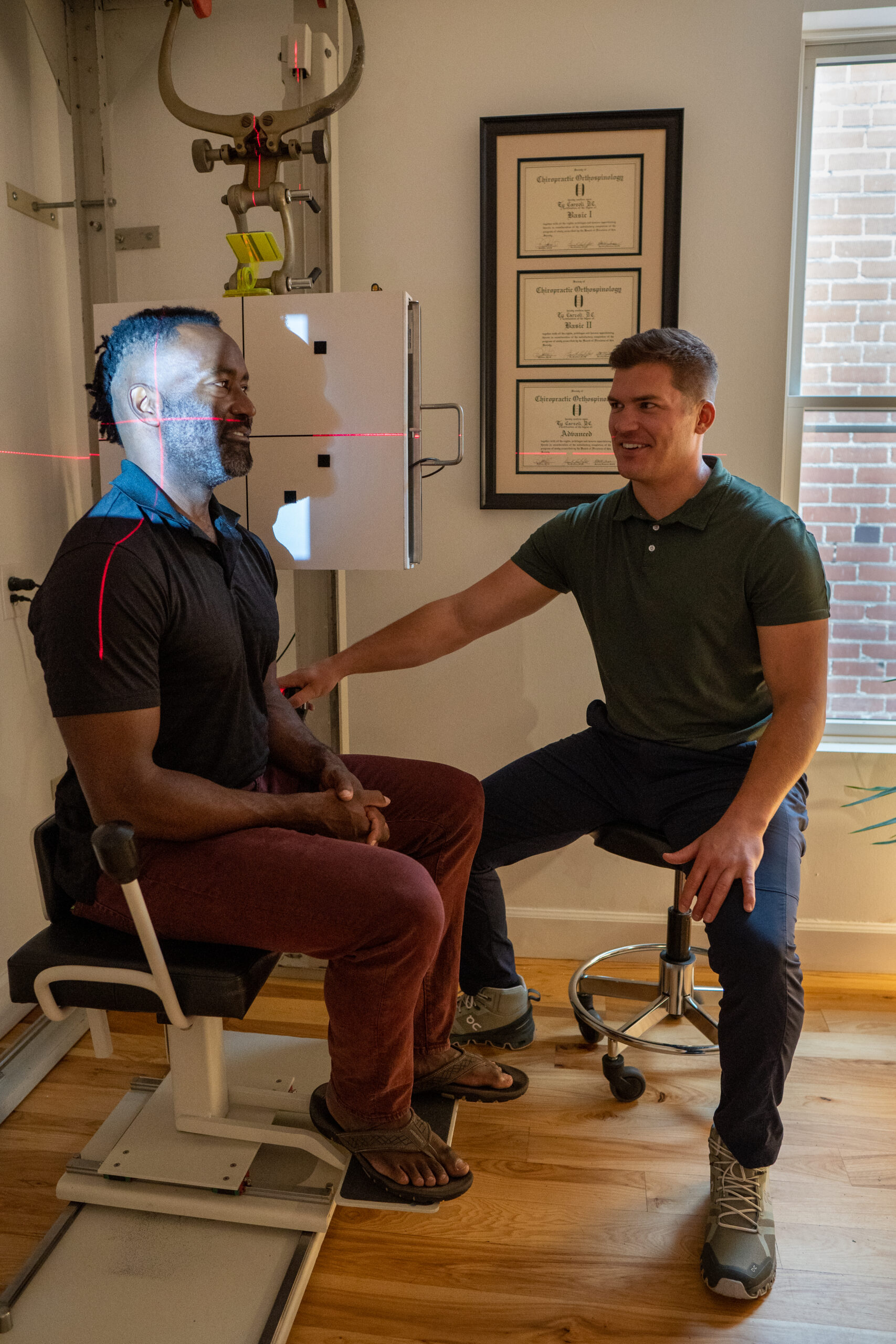
Upper cervical chiropractic care is a specialized approach focused specifically on correcting misalignment in the atlas and axis.
Treatment typically involves:
- Precise analysis of spinal alignment
- Gentle, targeted adjustments
- Avoidance of forceful twisting or cracking techniques
- Follow-up imaging or assessments to monitor progress
The goal is to restore proper alignment so the body can heal and function more efficiently.
Physical therapy can help strengthen supporting muscles and improve posture after alignment correction. A therapist may recommend:
- Neck stabilization exercises
- Postural training
- Mobility and flexibility work
- Shoulder and upper back strengthening
This helps maintain long-term spinal stability.
Massage therapy and myofascial release techniques can help reduce muscle tension caused by misalignment. While not a standalone cure, it can support recovery by improving circulation and reducing stiffness.
Improving daily posture is essential for preventing recurrence. Helpful changes include:
- Adjusting screen height to eye level
- Using supportive chairs and pillows
- Reducing forward head posture
- Taking regular breaks from sitting
In cities like Denver, where many people work desk-based jobs, ergonomic improvements are especially important.
Stress can increase muscle tension in the neck and shoulders, worsening symptoms. Effective strategies include:
- Regular exercise such as walking or yoga
- Breathing exercises or meditation
- Adequate sleep and hydration
- Limiting prolonged device use
These habits support overall recovery and spinal health.
When to Seek Professional Evaluation
You should consider professional evaluation if you experience:
- Chronic neck pain lasting more than several weeks
- Frequent headaches or migraines
- Dizziness or balance issues
- Symptoms following an injury or accident
- Persistent stiffness or reduced mobility
- Neurological symptoms such as tingling or weakness
Early assessment can help prevent symptoms from becoming long-term or more complex.
Final Thoughts
Upper neck misalignment is a condition that can affect far more than just the neck. Because of its connection to the nervous system and posture, even small misalignments may lead to widespread symptoms including pain, headaches, dizziness, and fatigue.
With proper evaluation and a combination of upper cervical chiropractic care, rehabilitation, and lifestyle changes, many individuals can experience significant improvement in both symptoms and overall quality of life.
© 2026 Denver Upper Cervical Chiropractic