

How Upper Cervical Chiropractic Care Can Help Relieve Chronic Headaches
Exploring the Unique Causes of Headaches in Denver and How Chiropractic Care Provides Relief
Headaches are among the most common health complaints worldwide, affecting people of all ages. While occasional headaches are usually temporary and manageable, chronic headaches can interfere with work, family life, sleep, and overall well-being. For individuals who experience headaches several times a month—or even daily—finding lasting relief often becomes a priority.
Many people rely on pain medications to manage symptoms, but these treatments may only provide temporary relief without addressing underlying mechanical issues that may contribute to recurring headaches. For some individuals, upper cervical chiropractic care offers a conservative, drug-free approach that focuses on the alignment and function of the upper neck.
This article explores the relationship between the upper cervical spine and chronic headaches, how upper cervical chiropractic care works, and when it may be appropriate to consider this type of treatment.
Understanding Chronic Headaches
A headache is generally considered chronic when it occurs on 15 or more days per month for at least three months. Chronic headaches can vary in intensity, duration, and underlying causes.
Some of the most common types include:
Tension Headaches
Tension headaches are the most frequently reported type of headache. They often produce:
- A dull, aching sensation
- Pressure around the forehead
- Tightness in the scalp or neck muscles
- Chronic stiffness
- Shoulder stiffness
These headaches are commonly associated with stress, muscle tension, poor posture, or prolonged sitting.
Cervicogenic Headaches
Unlike primary headaches, cervicogenic headaches originate from problems within the cervical spine (neck).
Symptoms often include:
- Pain that begins at the base of the skull
- Neck stiffness
- Pain on one side of the head
- Reduced neck mobility
- Headaches triggered by neck movement
Because these headaches arise from neck dysfunction, addressing the underlying mechanical issue may help reduce symptoms.
Migraine Headaches
Migraines are neurological headaches that may involve:
- Moderate to severe throbbing pain
- Sensitivity to light and sound
- Nausea
- Visual disturbances (aura)
- Dizziness
While chiropractic care is not a cure for migraines, some patients report improvements in headache frequency or associated neck discomfort as part of a comprehensive treatment plan.

The Role of the Upper Cervical Spine
The upper cervical spine consists of the first two vertebrae:
- Atlas (C1)
- Axis (C2)
These vertebrae support the weight of the head while allowing a wide range of motion. They also protect the brainstem, an area responsible for many essential neurological functions.
Because the upper cervical spine is highly mobile and structurally unique, even subtle dysfunction in this region may influence muscle tension, joint mechanics, and normal movement patterns.
For some people, this dysfunction may contribute to headaches that originate in the neck.
Common Causes of Upper Cervical Dysfunction
Several factors can affect the alignment and movement of the upper cervical spine, including:
Auto Accidents
Whiplash injuries can place significant stress on the ligaments, muscles, and joints of the upper neck.
Even relatively minor collisions may lead to lingering neck pain and recurring headaches.
Falls
A slip, fall, or sports injury can alter normal spinal mechanics, even if symptoms do not appear immediately.
Poor Posture
Hours spent using computers, smartphones, or tablets often encourage a forward head posture.
Over time, this posture increases strain on the upper cervical spine and surrounding muscles.
Repetitive Stress
Jobs requiring prolonged sitting, repetitive neck movement, or awkward positions may contribute to chronic neck tension and headache development.
How Upper Cervical Chiropractic Care Works
Upper cervical chiropractic is a specialized form of chiropractic care that focuses specifically on the alignment and function of the upper neck.
Unlike traditional chiropractic techniques that may involve multiple areas of the spine, upper cervical care targets the atlas and axis using gentle, precise adjustments tailored to each patient’s anatomy.
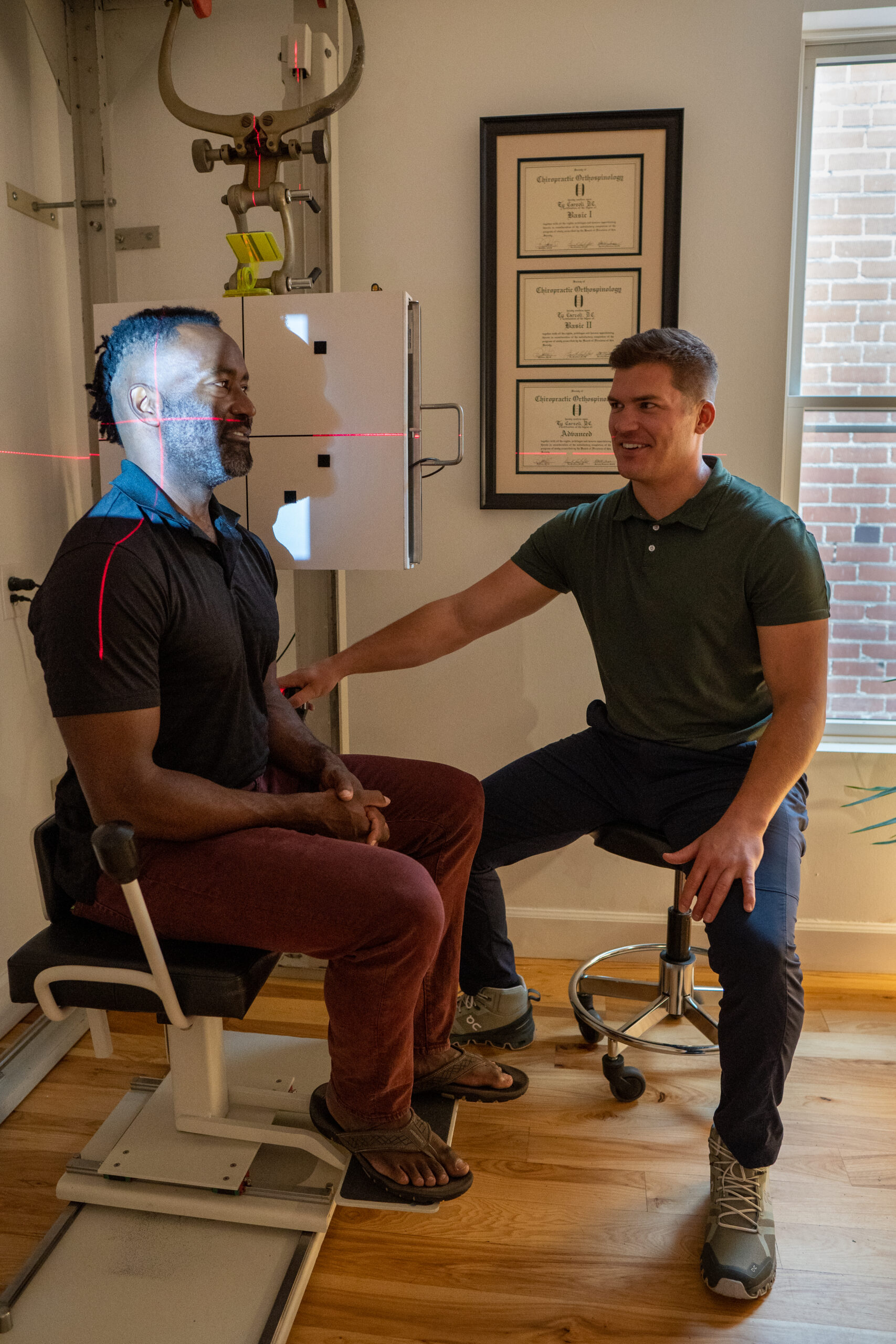
Many upper cervical chiropractors use advanced imaging, posture analysis, and detailed physical examinations to determine whether upper cervical dysfunction may be contributing to a patient’s symptoms.
Treatment is individualized rather than based on a one-size-fits-all approach.
Potential Benefits for Chronic Headache Sufferers
While results vary from person to person, some individuals report improvements in headache symptoms after receiving upper cervical chiropractic care.
Potential benefits may include:
Reduced Neck Tension
Improving joint mechanics in the upper cervical spine may help decrease muscle tightness that contributes to tension headaches.
Improved Range of Motion
Patients often experience increased neck mobility, making everyday movements more comfortable.
Better Postural Balance
Correcting postural imbalances may reduce ongoing stress placed on the cervical spine.
Fewer Headache Triggers
For headaches associated with neck dysfunction, addressing underlying mechanical issues may help decrease the frequency or intensity of episodes.
Drug-Free Conservative Care
Upper cervical chiropractic offers a non-surgical, non-pharmaceutical option that may be appropriate as part of a broader headache management strategy.
What to Expect During an Evaluation
A thorough evaluation typically includes:
- Comprehensive health history
- Review of previous injuries
- Discussion of headache patterns
- Physical examination
- Neurological screening when appropriate
- Posture assessment
Consistency is often the key to reducing recurring symptoms.
Lifestyle Habits That Support Headache Relief
In addition to chiropractic care, healthy daily habits may help reduce headache frequency.
These include:
- Maintaining proper posture while working
- Taking regular breaks from screens
- Staying hydrated
- Getting adequate sleep
- Exercising regularly
- Managing stress through relaxation techniques
Combining conservative care with healthy lifestyle choices often produces the best long-term results.
Is Upper Cervical Chiropractic Right for You?
Upper cervical chiropractic care may be worth considering if you:
- Experience chronic headaches accompanied by neck pain
- Have recurring headaches after a car accident or fall
- Notice headaches triggered by certain neck movements
- Want to explore conservative, drug-free treatment options
- Have not achieved satisfactory relief through self-care alone
A qualified upper cervical chiropractor can determine whether this approach is appropriate based on your individual condition and overall health.
Final Thoughts
Chronic headaches can have a significant impact on quality of life, affecting productivity, relationships, and daily comfort. While headaches have many possible causes, dysfunction in the upper cervical spine may contribute to symptoms in some individuals.
Upper cervical chiropractic care focuses on improving the alignment and movement of the upper neck through gentle, precise adjustments tailored to each patient. Although it is not a cure for every type of headache, it may provide meaningful relief for individuals whose headaches are related to neck dysfunction as part of a comprehensive care plan.
If recurring headaches continue to interfere with your daily activities, scheduling a professional evaluation can help identify potential contributing factors and determine the most appropriate course of treatment.
© 2026 Denver Upper Cervical Chiropractic