
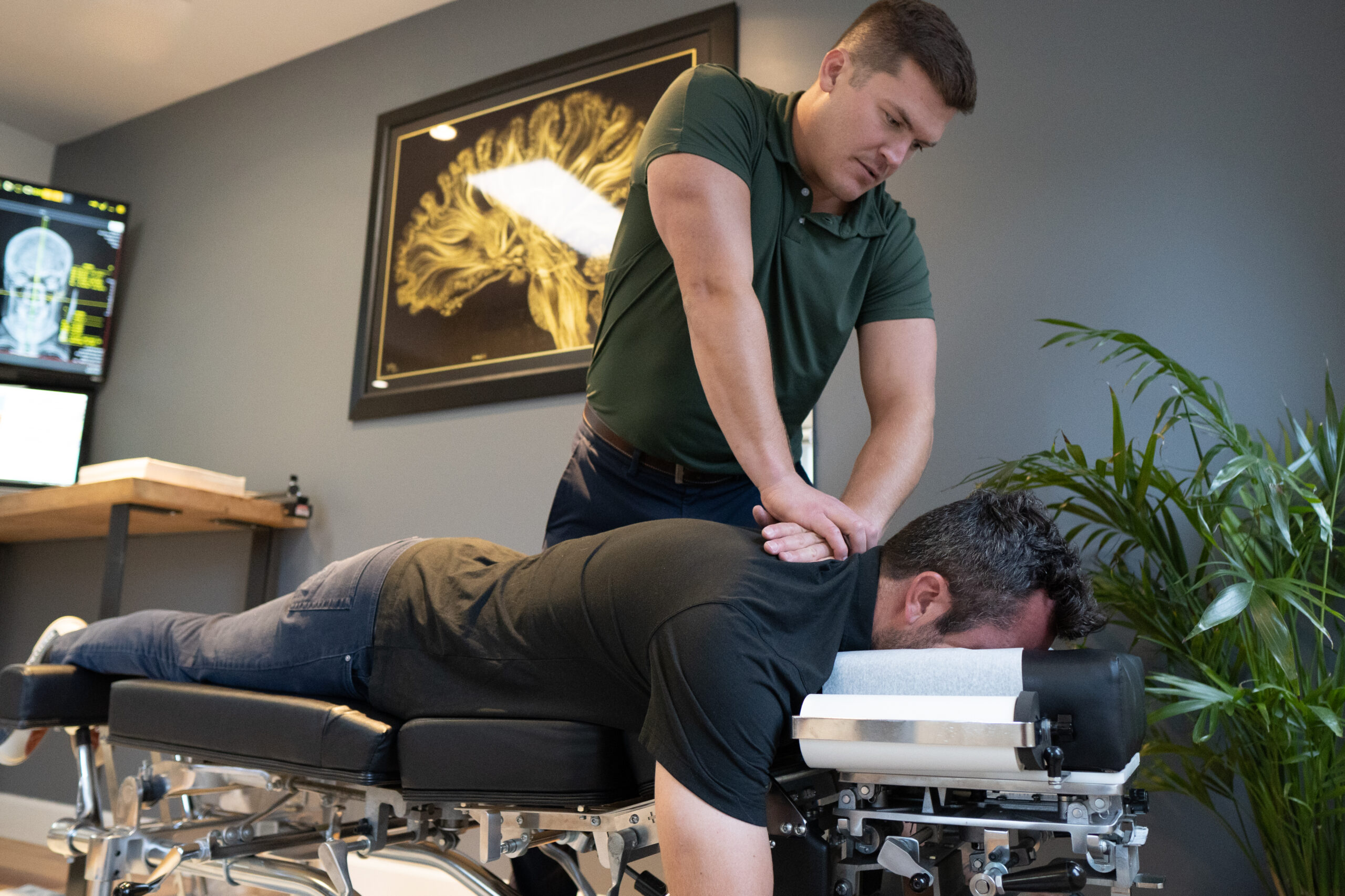
Non-Invasive Therapy in Denver: How Natural, Gentle Care Can Reduce Pain and Improve Function Exploring the Unique Causes of Headaches in Denver and How Chiropractic Care Provides Relief For many people in Denver, Colorado, chronic pain, stiffness, joint limitations, and mobility issues can interfere with daily life, work, and active lifestyles — whether it’s hiking the Front Range, cycling through Wash Park, or simply getting through a long workday. While medications, injections, and surgery are well-known treatment options, there’s a wide range of non-invasive therapies that help reduce pain, restore function, and support lasting results without the risks or downtime associated with invasive procedures. In this comprehensive guide, you’ll discover: What non-invasive therapy really means How these therapies reduce pain and improve mobility Top non-invasive therapy options available in Denver Conditions that respond well to non-invasive approaches How to choose the right provider Practical tips to get started today Let’s dive in. What Is Non-Invasive Therapy? Non-invasive therapy refers to treatment approaches that do not involve surgery, needles, incisions, implanted devices, or other internal procedures. Instead, these therapies work externally or through natural mechanisms to: Reduce pain Improve flexibility and range of motion Support tissue healing Encourage proper muscle balance Restore joint function Because they don’t involve cutting into the body or introducing foreign objects, non-invasive therapies are generally safer, more comfortable, and better suited for ongoing health maintenance. Why Non-Invasive Therapy Matters for Denver Residents Denver’s landscape — from urban living to outdoor recreation — places unique demands on the body. Whether you’re training for a 10K, enjoying a bike ride along Cherry Creek Trail, hitting the slopes at Winter Park, or working long hours at a desk downtown, your musculoskeletal system is under constant movement stress. Non-invasive therapies are especially valuable in Denver because they: Help active individuals recover faster Provide alternatives to medication and surgery Support long-term functional improvements Reduce pain while encouraging improved strength and movement Promote wellness, not just symptom management For many Denver residents, non-invasive therapy becomes a preferred first line of care — especially for chronic or recurring pain. How Non-Invasive Therapy Reduces Pain and Enhances Function Pain is the body’s signal that something isn’t working optimally — often due to dysfunction in the muscles, joints, nerves, or connective tissue. Non-invasive therapies relieve pain by addressing the underlying mechanical and functional causes rather than simply masking symptoms. Here’s how they work: 1. Reducing Muscle Tension Tight muscles can pull joints out of alignment and restrict movement. Therapies like massage and soft-tissue release reduce this tension so the body can move more freely. 2. Restoring Joint Mobility When joints don’t move correctly, surrounding tissues compensate in ways that cause pain. Manual therapy and guided movement exercises help restore proper joint mechanics. 3. Improving Circulation Increased blood flow supports healing, reduces inflammation, and helps break up adhesions in muscles and fascia. 4. Enhancing Nervous System Function The nervous system coordinates movement. When muscles and joints function better, nerve signaling improves — often leading to decreased pain. 5. Strengthening Supportive Structures Strengthening muscles around joints increases stability — reducing stress on vulnerable areas and preventing future pain. Common Non-Invasive Therapies Available in Denver Here are some of the most effective non-invasive therapies offered by local Denver providers: Physical Therapy (PT) One of the most widely recognized non-invasive treatments, physical therapy focuses on restoring mobility, strength, and functional movement. A trained physical therapist assesses body mechanics and creates customized exercise programs to correct dysfunction and reduce pain. Benefits of Physical Therapy: Individualized movement plans Pain reduction without medication Injury prevention guidance Functional improvement for daily activities Chiropractic Care (Non-Adjustive Included) Chiropractic care helps enhance spinal and joint function to reduce pain and improve mobility. While many people associate chiropractic with spinal adjustments, non-invasive chiropractic services can also include: Soft tissue therapies Posture training Movement correction exercises This makes chiropractic care a valuable non-invasive option for people with back pain, neck pain, headaches, and more. Massage Therapy & Myofascial Release Massage therapy targets muscle tension and connective tissue restrictions, which frequently contribute to pain and movement limitations. Types of Techniques Used: Deep tissue massage Trigger point therapy Myofascial release Sports massage Massage is particularly effective for tension-related conditions, recovery from workouts, and everyday stiffness. Manual Therapy Manual therapy involves hands-on techniques to improve joint and soft tissue mobility. Therapists use specialized approaches like: Joint mobilization Manual stretching Tissue release techniques These therapies help restore movement quality and reduce discomfort. Therapeutic Exercise Programs These structured exercise programs are tailored to enhance mobility, balance, and strength. Unlike general gym workouts, therapeutic exercise focuses on correcting imbalances and improving movement patterns. Aquatic Therapy Using water’s buoyancy and resistance, aquatic therapy provides a gentle environment for movement — making it ideal for people with significant pain, arthritis, balance issues, or post-injury stiffness. Ultrasound and Electrical Stimulation These modalities can expedite pain reduction and healing in injured soft tissues. They support circulation and reduce inflammation without invasive intervention. Conditions That Respond Well to Non-Invasive Therapy Non-invasive therapy can be effective for a wide range of conditions commonly seen among Denver patients: Chronic Lower Back Pain One of the most reported pain issues affecting Denver adults — often related to posture, sitting, and active lifestyles. Neck Pain & Headaches Frequently experienced due to screen time, poor sleeping positions, or minor injuries. Joint Pain (Knees, Shoulders, Hips) Overuse, aging, and movement imbalance contribute to joint discomfort that benefits from non-invasive care. Sciatica or Nerve-Irritation Symptoms Pain, numbness, or tingling down the leg often responds well when underlying mechanics are addressed. Post-Injury Rehabilitation Non-invasive therapy supports recovery from accidents, sports injuries, or repetitive stress trauma. Muscle Tightness or Restrictions Especially common among athletes, runners, cyclists, and outdoor enthusiasts. One of the most reported pain issues affecting Denver adults — often related to posture, sitting, and active lifestyles. Frequently experienced due to screen time, poor sleeping positions, or minor injuries. Overuse, aging, and movement imbalance contribute to joint discomfort that benefits from non-invasive care. Pain, numbness,

Improved Mobility in Denver: Your Guide to Moving Better and Living Pain-Free
Improved Mobility in Denver: Your Guide to Moving Better and Living Pain-Free Exploring the Unique Causes of Headaches in Denver and How Chiropractic Care Provides Relief Whether you’re an athlete, a weekend warrior, an office worker, or someone who just wants to feel more comfortable getting through each day, improved mobility is the foundation of a healthy, active lifestyle. In a vibrant, outdoor-oriented city like Denver, Colorado, mobility — the ability to move freely, comfortably, and without pain — is essential for everything from hiking and cycling to everyday tasks like bending, lifting, and walking. But what exactly is mobility, why does it decline, and how can you improve yours? In this article, we’ll explore the science of mobility, the most common causes of mobility issues in Denver residents, practical strategies to increase range of motion, and local care options that can help you regain flexibility, stability, and confidence in your movement. What Is Improved Mobility — Really? In simple terms, mobility refers to how well your joints and muscles work together to allow movement. Good mobility means joints move through their full range of motion with stability and without pain. Mobility differs from flexibility. Flexibility is the ability of muscles and tendons to stretch. Mobility includes flexibility, plus strength, control, coordination, and joint function. Mobility isn’t just about touching your toes — it’s about moving throughout your daily life without pain, stiffness, or limitation. Why Mobility Matters — Especially in Denver Denver’s active lifestyle — including skiing, mountain biking, climbing, running, yoga, and more — requires a body that can move well in multiple directions and adapt to a variety of surfaces and activities. But even if you don’t participate in intense physical activities, mobility still matters for daily living: Easier walking without stiffness Smooth bending, lifting, and reaching Better posture while working or commuting Reduced risk of pain or injury Enhanced athletic performance Better sleep and less tension Lack of mobility — especially in the hips, spine, shoulders, and ankles — can increase stress on other parts of the body, leading to pain, weakness, and compensatory movement patterns. Common Causes of Reduced Mobility in Denver Mobility challenges can arise from a variety of sources, including lifestyle habits, physical stressors, and the natural aging process. 1. Sedentary Lifestyle and Desk Work Many Denver professionals spend long hours sitting — whether it’s in an office space in Downtown Denver, Cherry Creek, or along the Tech Center Corridor. Prolonged sitting leads to tight hip flexors, weak glutes, and stiff lower backs, which all limit mobility. 2. Repetitive Motion and Overuse Activities like running, cycling, or snowboarding are common in Denver — but overrepeting the same movement patterns without proper recovery or cross-training can create imbalances and mobility restrictions. 3. Muscle Imbalances When certain muscles are tight and others are weak, the body compensates by restricting movement or shifting mechanics — which can lead to pain and reduced mobility. 4. Injury and Trauma Previous injuries — even from years ago — can leave scar tissue and affect how the joints move. Without proper rehabilitation, mobility may remain lost long after the injury has healed. 5. Aging As we age, muscle mass declines and connective tissues lose elasticity, contributing to stiffness and limited range of motion. The Benefits of Improved Mobility The benefits of improved mobility reach far beyond just being able to move more easily. They include: Reduced pain — Better mobility takes pressure off joints and muscles that may be compensating for poor movement patterns. Better balance and stability — This is especially important for aging adults and athletes alike. Enhanced performance — Improved mobility allows you to move more efficiently and with more power. Greater flexibility with control — Each joint can move with strength throughout its range. Improved posture — Good mobility supports healthy alignment of the spine and shoulders. Lower injury risk — When the body moves well, tissues are less likely to suffer damage. This is why precise atlas care is essential: small shifts can have large, systemic effects. Practical Strategies to Improve Mobility in Denver Here are proven ways to increase mobility that any Denver resident can start doing today — whether at home, at the gym, or on the trail. 1. Regular Stretching Routine Stretching should be targeted and purposeful. Focus on areas where tightness inhibits mobility, such as: Hip flexors Hamstrings Calves Shoulders Thoracic spine Stretching increases flexibility and reduces tension, allowing joints to move more freely. 2. Strength Training for Mobility Strength training isn’t just for muscle gain — it’s essential for supporting mobility. Strong muscles help stabilize joints through their range of motion. Key mobility strength-building exercises include: Glute bridges Deep squats Lunges Core strengthening Thoracic rotations Strong, balanced muscles allow you to move better and reduce trapping movement compensation. 3. Break Up Long Periods of Sitting If your daily routine involves extended sitting — whether working from home or commuting — take breaks every 30–45 minutes. Simple mobility movements like standing hip openers or walking breaks can drastically reduce stiffness. 4. Myofascial Release and Self-Care Tools Self-massage using foam rollers, massage balls, or trigger point therapy tools helps release tight fascia and muscle knots that limit movement. 5. Hydration and Joint Health Hydration plays a major role in mobility. Proper hydration maintains joint lubrication and disc health — especially vital in Denver’s dry climate. Stretching should be targeted and purposeful. Focus on areas where tightness inhibits mobility, such as: Hip flexors Hamstrings Calves Shoulders Thoracic spine Stretching increases flexibility and reduces tension, allowing joints to move more freely. Strength training isn’t just for muscle gain — it’s essential for supporting mobility. Strong muscles help stabilize joints through their range of motion. Key mobility strength-building exercises include: Glute bridges Deep squats Lunges Core strengthening Thoracic rotations Strong, balanced muscles allow you to move better and reduce trapping movement compensation. If your daily routine involves extended sitting — whether working from home or commuting — take breaks every 30–45 minutes. Simple mobility

Pain Reduction in Denver: How Targeted Care Can Help You Live Better
Pain Reduction in Denver: How Targeted Care Can Help You Live Better Exploring the Unique Causes of Headaches in Denver and How Chiropractic Care Provides Relief If you live in Denver, Colorado, and struggle with chronic aches, stiffness, or sudden pain flares, you’re part of a large group of residents seeking effective ways to reduce pain and regain mobility. Whether the discomfort stems from everyday activity, repetitive strain, old injuries, poor posture, or aging joints, the goal is the same: lasting pain reduction without heavy reliance on medications or invasive procedures. In Denver’s active, outdoor-oriented lifestyle — with skiing, biking, hiking, running, and long commute days — pain can easily develop in the back, neck, joints, and muscles. Fortunately, there are proven strategies and local healthcare options that focus on restoring function and easing pain sustainably. In this article, we’ll explore: Common causes of chronic pain in Denver residents The science of pain reduction Practical at-home and lifestyle approaches Professional care options in the Denver area How to choose the right treatment for you Let’s dive in. What Is Pain, Really? Pain is a signal from the nervous system that something isn’t functioning optimally. Although it’s often associated with tissue damage, pain doesn’t always come from physical injury alone — it can also be triggered by inflammation, nerve irritation, muscle tension, joint stress, or sustained poor posture. Pain can be: Acute — sudden and short-term Chronic — lasting weeks, months, or longer Recurrent — comes and goes regularly Understanding the type and source of pain is key to reducing it effectively. Typical Sources of Pain in Denver Residents 1. Back Pain and Lower Back Strain Back pain is one of the most common complaints among adults. In Denver, sitting long hours at a desk, driving through rush-hour traffic, or repetitive lifting at work can all contribute to lower back strain. 2. Neck Pain and Headaches Extended screen time, forward head posture, and improper sleeping positions are frequent culprits behind neck pain and related headaches. 3. Joint Pain (Knees, Shoulders, Hips) Active lifestyles often mean pressure and wear on weight-bearing joints. From trail runs on Red Rocks to daily urban walking, joint stress is a frequent cause of discomfort. 4. Muscle Tension and Stiffness Stress, poor posture, and repetitive movements can cause muscle tension — especially in the traps, hamstrings, calves, and forearms. 5. Pain Following Injury Accidents — whether sports-related, work-related, or slips on icy sidewalks — can leave lingering pain that affects daily life. Back pain is one of the most common complaints among adults. In Denver, sitting long hours at a desk, driving through rush-hour traffic, or repetitive lifting at work can all contribute to lower back strain. Extended screen time, forward head posture, and improper sleeping positions are frequent culprits behind neck pain and related headaches. Active lifestyles often mean pressure and wear on weight-bearing joints. From trail runs on Red Rocks to daily urban walking, joint stress is a frequent cause of discomfort. Stress, poor posture, and repetitive movements can cause muscle tension — especially in the traps, hamstrings, calves, and forearms. Accidents — whether sports-related, work-related, or slips on icy sidewalks — can leave lingering pain that affects daily life. The Science of Pain Reduction To reduce pain effectively, it helps to understand what happens inside the body when pain is present. Pain involves the nervous system, which includes: The brain Spinal cord Peripheral nerves Pain signals travel from the site of irritation (like a joint or muscle) up through nerves to the spinal cord and then the brain. There, the signal is interpreted as pain. Pain reduction involves: Decreasing inflammation Reducing nerve irritation Improving movement and circulation Restoring balanced muscle function Supporting healthy biomechanics Instead of only masking symptoms with medication, the most effective pain reduction approaches address why the pain exists. Practical Ways to Reduce Pain at Home While professional care is valuable, many people find significant relief through consistent self-care practices. 1. Improve Posture Poor posture increases stress on spinal discs and muscles. Stand tall, keep head aligned with shoulders, and avoid slouching. 2. Gentle Stretching Daily stretching can reduce muscle tension and increase mobility: Hamstring stretch Chest opener Calf stretch Neck release stretches 3. Move Regularly Long periods of sitting or standing increase pain risk. Take short movement breaks throughout the day. 4. Apply Heat or Cold Heat can relax tight muscles; ice can reduce inflammation after activity. 5. Hydrate Water supports joint health and disc hydration — especially important in Denver’s dry climate. 6. Sleep Support Proper pillows and mattress support help your body regenerate without added strain. When to See a Doctor Consult a medical doctor if: Pain is severe or sudden Pain persists longer than a few weeks Pain follows a traumatic injury There is numbness, tingling, or weakness Mixing professional medical assessment with conservative therapies often yields the best pain-reduction outcomes. Professional Pain Reduction Options in Denver When pain persists despite self-care, professional intervention can make a profound difference. Below are several local care options that Denver residents commonly turn to for pain reduction: Chiropractic Care Chiropractors focus on the musculoskeletal system — including joints, spine, and nervous system function. Their goal is to restore proper alignment and movement, which can significantly reduce pain by improving nerve communication and joint mechanics.Benefits include: Relief from back and neck pain Reduced nerve irritation Improved joint function Increased mobility Supportive exercise guidance Chiropractic care is a natural, non-pharmaceutical option that many Denver patients prefer for long-term pain reduction. Physical Therapy Physical therapists develop individualized programs to: Strengthen weak muscles Correct movement patterns Improve flexibility Support rehabilitation after injury PT helps not only reduce pain but also prevent future problems by improving overall function. Massage and Soft Tissue Therapy Massage therapy increases circulation and reduces muscle tension — which can relieve persistent knots and stiffness that contribute to pain. Acupuncture and Alternative Therapies Acupuncture — a centuries-old practice — can help relieve pain by stimulating the body’s nervous system and

How to Relieve Pressure in Your Spine: A Local Denver Guide to Lasting Pain Relief
How to Relieve Pressure in Your Spine: A Local Denver Guide to Lasting Pain Relief Exploring the Unique Causes of Headaches in Denver and How Chiropractic Care Provides Relief If you’re living in Denver, Colorado, and you’re struggling with back pain, neck stiffness, headaches, or ongoing tension, you’re not alone. One of the most common complaints people bring to chiropractors and spine specialists is the feeling of pressure — whether in the neck, mid-back, lower back, or radiating through the limbs. Understanding how to relieve pressure in your spine and nervous system can be life-changing. This article explores the causes of spinal pressure, practical strategies to ease discomfort, and why Denver residents are seeking targeted, professional care for sustainable relief. What Does It Mean to Relieve Pressure in the Spine? When most people talk about experiencing pressure in their back or neck, they’re referring to a sensation caused by: Compressed spinal joints Tight muscles and fascia Nerve irritation or impingement Misaligned vertebrae affecting normal spinal mechanics In simple terms, pressure in the spine refers to abnormal stress on spinal structures that leads to pain or discomfort. This pressure can be localized (such as between the shoulder blades) or referred (felt in areas like the arms or legs). Relieving this pressure is not just about feeling better in the moment — it’s about restoring the spine’s natural alignment and function so that your nervous system can operate without interference. Why Residents of Denver Experience Spinal Pressure Pressure in the spine isn’t random — it usually develops due to lifestyle habits or physical stresses that add up over time. Here are the most common causes seen in Denver patients: 1. Prolonged Sitting & Poor Posture Whether you’re working in LoDo, Capitol Hill, Cherry Creek, or the Highlands, many Denver commuters spend long hours seated — often with suboptimal posture. Sitting puts uneven pressure on spinal discs and can tighten muscles, contributing to chronic pressure and pain. 2. Physical Activity Without Support Denver is a city that loves outdoor workouts, skiing, cycling, and running. While physical activity is healthy, improper form, insufficient recovery, and repetitive strain can add pressure to the spine and joints. 3. Everyday Life Stress Emotional stress can physically manifest as muscle tension in the neck and shoulders, increasing pressure around the spine and creating pain that feels deeper than just sore muscles. 4. Previous Injury or Micro-Trauma Minor injuries — even from years ago — can change how your body moves. Scar tissue, compensation patterns, and uneven muscle recruitment can all contribute to spinal pressure over time. 5. Aging & Degeneration As we age, spinal discs lose hydration and height, which alters how forces are distributed along the spine. This change can increase pressure sensations, especially in the lower back. How Pressure Develops in the Spine To truly relieve pressure, it helps to understand how the spine normally functions: The spinal column protects the spinal cord and allows flexible movement. Vertebrae articulate in coordination with muscles, ligaments, and discs. When everything is in alignment, weight is distributed evenly and nerves are free from interference. But when even one vertebra shifts out of optimal alignment, the biomechanics of the whole spine can change. This shift alters how forces travel through your back — often increasing pressure on joints or compressing nearby nerves. When to Seek Professional Help You may consider seeing a spine specialist or chiropractor in Denver if: Pressure builds gradually and doesn’t improve with rest Pain interferes with daily activities You experience numbness or tingling Stiffness persists for weeks or months There’s a known injury or recurrent flare-ups A professional assessment can reveal whether pressure is coming from muscle tension, joint dysfunction, nerve compression, or poor alignment — and guide you toward the most effective treatment. Local Chiropractic Options in Denver Denver offers a range of specialists who focus on spinal health, pressure relief, and long-term recovery. When choosing a practitioner, consider: Experience with spinal biomechanics Personalized treatment plans A focus on relieving pressure, not just masking symptoms Patient testimonials and reviews A holistic approach that includes exercise, posture training, and self-care guidance Finding the right provider can make all the difference in your recovery journey. Top Strategies to Relieve Pressure in the Spine Whether you’re experiencing subtle tension or intense discomfort, here are effective ways Denver residents can relieve pressure in the spine and nervous system. 1. Posture Correction and Spinal Awareness Improving posture relieves undue pressure on spinal joints and discs. Simple practices include: Keeping ears aligned over shoulders Avoiding forward head posture Using ergonomic chairs or lumbar supports Standing and moving every 30–45 minutes Posture awareness prevents pressure buildup and trains your body to maintain balance and alignment throughout the day. 2. Stretching to Reduce Muscle Tension Tight muscles — especially in the neck, shoulders, and hips — can pull the spine out of its optimal alignment, increasing pressure. Effective stretches include: Hamstring releases Hip flexor stretches Chest opening postures Neck mobilization exercises These stretches help release tension and restore balanced muscle function. 3. Strengthening the Core and Support Muscles Strong core muscles reduce pressure on the lower back by improving spinal support and balance. Key strengthening exercises include: Planks Bridges Pelvic tilts Functional movements like squats and lunges These exercises help maintain proper spinal alignment and reduce repetitive strain. 4. Professional Chiropractic Assessment & Care One of the most effective ways to relieve pressure in the spine — especially persistent or chronic pressure — is through professional care from a chiropractor or spine specialist. A trained chiropractor can: Assess spinal alignment and movement patterns Identify areas of pressure buildup and nerve irritation Deliver precise adjustments to restore normal joint motion Provide supportive therapies like soft tissue work and corrective exercises For many Denver residents, a tailored chiropractic plan brings the kind of relief that at-home care alone cannot. 5. Hydration and Disc Health Spinal discs thrive on hydration. Drinking enough water helps preserve disc height and resilience, which in turn reduces pressure on
Realign the Vertebrae: How Precision Chiropractic Care in Denver Can Transform Your Health
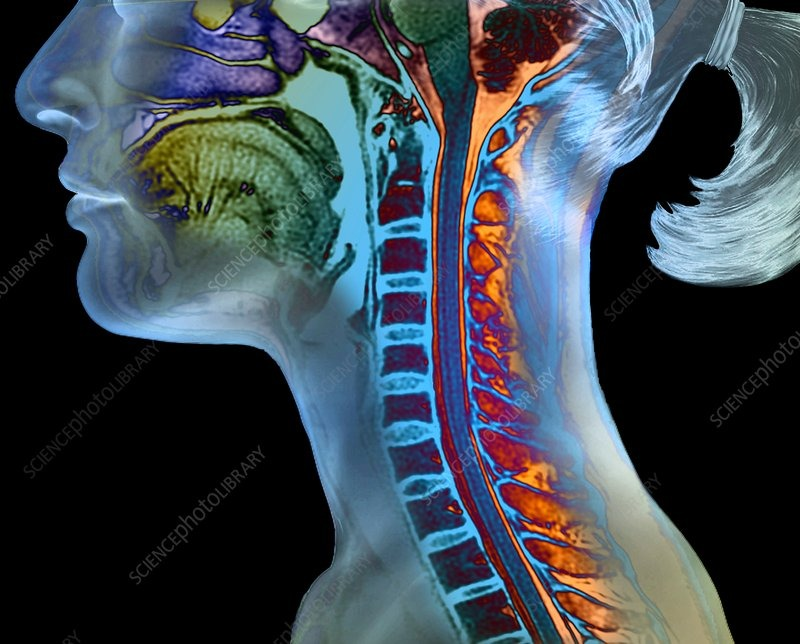
Realign the Vertebrae: How Precision Chiropractic Care in Denver Can Transform Your Health Exploring the Unique Causes of Headaches in Denver and How Chiropractic Care Provides Relief If you’re in Denver, Colorado, and you’ve been dealing with chronic pain, headaches, neck stiffness, or reduced mobility, there’s a natural approach that many residents are turning to — chiropractic care that helps realign the vertebrae. Realigning the vertebrae isn’t just about “cracking backs” — it’s about restoring proper spinal alignment so your nervous system can function at its best. In this article, we’ll explore what vertebral realignment is, how it works, why it matters, and how Denver chiropractors specialize in helping people just like you regain health and vitality. What Does It Mean to Realign the Vertebrae? Your vertebral column — or spine — is made up of 24 small bones called vertebrae. These bones protect your spinal cord, support your body weight, and serve as a foundation for your head and neck. When even one vertebra shifts out of optimal alignment, it can interfere with nerve communication, posture, and musculoskeletal balance. “Realigning the vertebrae” means correcting these misalignments so that the spine is positioned as close as possible to its natural, functional alignment. This restoration of alignment has a direct impact on the nervous system, which controls everything from muscle function to immune response. Why Spinal Alignment Matters for Your Health Most people don’t realize how much a misaligned spine can affect their well-being. A misaligned vertebra can: Put pressure on spinal nerves Alter muscle balance and posture Lead to inflammation and stiffness Cause referred pain in other parts of the body Interfere with normal nerve signaling When the vertebrae are aligned properly, the nervous system can work without interruption — and the body is better able to heal itself. Common Causes of Vertebral Misalignment Several lifestyle factors and health conditions can contribute to vertebrae shifting out of alignment, including: 1. Poor Posture Slouching at a desk or hunching over a phone puts extra strain on the spine. Over time, this can cause structural changes that lead to misalignment. 2. Auto Accidents and Falls Even minor collisions or slips can jolt the spine and shift vertebrae out of place. 3. Repetitive Motion Whether it’s lifting weights, sitting for long hours, or carrying heavy bags, repetitive stress can affect spinal alignment. 4. Aging As we age, spinal discs lose hydration and height, making the spine more prone to misalignment. 5. Improper Exercise Form Workouts done without proper form can put uneven pressure on the spine, creating imbalances. Conditions Commonly Helped by Vertebral Realignment Realigning the vertebrae can play a major role in relieving or improving symptoms associated with: Chronic Neck Pain Whether from posture issues or whiplash, spinal misalignment is a key factor in persistent neck discomfort. Lower Back Pain One of the most common reasons people seek chiropractic care. Proper alignment distributes body weight evenly and reduces pressure on spinal discs and muscles. Headaches & Migraines Misalignment in the cervical spine (neck area) can contribute to tension headaches and migraines by irritating nerves and muscles. Sciatica Nerve compression in the lower spine can lead to pain, tingling, or numbness down the leg — and realignment often helps alleviate these symptoms. Muscle Stiffness and Limited Range of Motion Aligning the vertebrae relieves tension and unlocks mobility. Postural Problems Improved alignment enhances posture, which reduces strain on muscles and joints. How Chiropractors in Denver Realign the Vertebrae Chiropractic care focuses on identifying and correcting vertebral misalignment to restore optimal function. Here’s a step-by-step look at what a typical chiropractic realignment process might involve: 1. Thorough Evaluation A chiropractor begins with a complete health assessment, including your medical history, posture analysis, and spinal movement evaluation. 2. Spinal Assessment Using hands-on techniques or imaging tools, the chiropractor evaluates which vertebrae are misaligned and how this misalignment may be affecting your health. 3. Personalized Adjustment Plan Not all adjustments are the same. A chiropractor customizes a plan based on your body, symptoms, and lifestyle. This ensures realignment is precise and effective. 4. Gentle Chiropractic Adjustments With skillful and controlled movements, the chiropractor applies pressure to specific vertebrae to bring them back into alignment. These adjustments are usually quick, safe, and non-invasive. 5. Supportive Therapy and Lifestyle Advice In addition to adjustments, chiropractors often provide stretches, exercises, ergonomic tips, and lifestyle recommendations to help maintain alignment and prevent future issues. Realigning the Vertebrae vs. General Chiropractic Care Not all chiropractic adjustments are designed for the same purpose. While general chiropractic care may include full-body adjustments, spinal realignment zeroes in on the precision adjustment of the vertebrae themselves. Think of it like tuning the frame of a house — you don’t just focus on cosmetic fixes; you repair the structure so everything else can function properly. This approach makes vertebral realignment especially beneficial for: People with long-term, recurring pain Individuals who haven’t experienced relief from traditional treatments Patients looking for a drug-free, non-surgical alternative Those focused on overall wellness and nervous system health What to Expect After Vertebral Realignment Most people notice some level of improvement right after an adjustment — but the degree of relief varies from person to person. Benefits may include: Reduced pain and discomfort Better posture Improved sleep quality Increased range of motion Enhanced energy and focus Faster recovery from injuries While some people feel immediate change, others may require a series of adjustments to re-train muscles and support structures. Why Denver Residents Choose Local Chiropractors for Vertebral Realignment Denver residents have access to some of the most experienced chiropractic professionals in Colorado. Local chiropractors are known for: Personalized, patient-centered care Comprehensive evaluation and realignment techniques Focus on long-term functional improvement Convenient locations throughout Denver metro Safe, natural, drug-free treatment options Whether you live in Capitol Hill, Highlands Ranch, Cherry Creek, or Aurora, a qualified local chiropractor can help you address the source of your pain — not just the symptoms. Tips to Help Maintain Vertebral Alignment at Home Your chiropractor may also

Healthy Nerve Function in Denver: How Proper Alignment Supports Your Nervous System
Healthy Nerve Function in Denver: How Proper Alignment Supports Your Nervous System Exploring the Unique Causes of Headaches in Denver and How Chiropractic Care Provides Relief The nervous system is the body’s communication superhighway, controlling everything from movement and sensation to organ function and reflexes. Healthy nerve function is essential for overall wellness, yet many people in Denver experience issues that interfere with their nervous system due to spinal misalignments, injuries, or chronic lifestyle stressors. Maintaining optimal nerve function can prevent pain, improve mobility, enhance organ function, and support long-term health. This comprehensive guide explores the importance of healthy nerve function, factors that disrupt it, early warning signs, and local treatment options in Denver to restore and maintain proper nervous system health. Understanding Nerve Function The nervous system is divided into two main components: Central Nervous System (CNS): Includes the brain and spinal cord, which process information and control body functions. Peripheral Nervous System (PNS): Comprises nerves that extend from the spinal cord to the rest of the body, transmitting sensory information and motor commands. Healthy nerve function ensures: Proper communication between the brain and muscles Efficient sensory processing (touch, pain, temperature) Regulation of internal organs and systems Coordination of balance, posture, and reflexes Even minor disruptions to nerve pathways, especially in the cervical spine, can affect multiple body systems and overall wellness. Causes of Nerve Dysfunction Several factors can impair healthy nerve function: 1. Spinal Misalignments Misalignments in the cervical spine (neck) or upper cervical region (C1 and C2 vertebrae) can: Compress or irritate nerves Interfere with brainstem communication Trigger pain, numbness, or weakness in the arms, shoulders, or back 2. Chronic Inflammation Inflammation from injuries, autoimmune conditions, or poor lifestyle habits can damage nerve tissues over time. 3. Degenerative Disc Disease Degeneration of spinal discs may reduce space for nerves, leading to compression and impaired signaling. 4. Previous Injuries Whiplash, falls, or sports-related injuries can cause lasting nerve interference if not properly addressed. 5. Poor Posture and Muscle Imbalances Forward head posture, rounded shoulders, and weak supporting muscles can strain the spine, irritating nerves and reducing healthy nerve function. 6. Lifestyle Factors Smoking, poor nutrition, and lack of exercise can reduce circulation, depriving nerves of essential nutrients needed for optimal function. Preventing Nerve Dysfunction Maintaining healthy nerve function is proactive work: Schedule regular upper cervical checkups to ensure proper alignment Strengthen supportive muscles in the neck, back, and core Maintain proper posture during work and daily activities Avoid repetitive strain and improper lifting techniques Stay active with low-impact exercise to improve circulation and spinal flexibility Eat a balanced, anti-inflammatory diet to nourish nerves Denver residents can reduce long-term complications by combining preventive care with regular check-ins with a qualified upper cervical specialist. Living with Optimized Nerve Function Healthy nerves impact every aspect of life: Active residents: Enhanced coordination, balance, and endurance for hiking, skiing, and outdoor sports Office workers: Reduced neck, back, and shoulder strain during long workdays Older adults: Improved mobility, balance, and independence Restoring and maintaining nerve function helps the body communicate efficiently, ensuring optimal performance, reduced pain, and better quality of life. When to Seek Professional Care Seek evaluation if you experience: Persistent numbness, tingling, or weakness in extremities Chronic neck, shoulder, or back pain Headaches or migraines associated with spinal misalignment Difficulty with coordination or balance Symptoms that worsen despite rest or home care Early intervention prevents long-term nerve damage and supports full body function. Long-Term Benefits of Maintaining Healthy Nerves Effective care and lifestyle strategies provide lasting benefits: Improved spinal and joint function Reduced pain and muscle tension Enhanced coordination and balance Increased energy and overall wellness Prevention of secondary complications like chronic pain or postural imbalances Targeted care that focuses on upper cervical alignment, physical therapy, and anti-inflammatory lifestyle habits addresses the root causes of nerve dysfunction. Signs Your Nerve Function May Be Compromised Healthy nerves are essential for pain-free movement, sensation, and organ function. Signs of nerve dysfunction include: Chronic neck, shoulder, or back pain Tingling, numbness, or weakness in arms or legs Headaches or migraines linked to spinal misalignment Muscle spasms or cramping Balance issues or frequent falls Reduced coordination or fine motor control Fatigue and decreased overall energy Early detection of nerve issues allows for targeted treatment to restore communication pathways and prevent long-term complications. How Spinal Alignment Supports Healthy Nerve Function The spine protects the spinal cord, which transmits signals between the brain and body. Misalignments, particularly in the upper cervical spine, can interfere with nerve function: Altered vertebral positioning can compress nerve roots Brainstem function may be impaired, affecting autonomic nervous system control Postural imbalances create compensatory muscle tension, further irritating nerves Restoring proper spinal alignment improves nerve signal transmission, reduces pain, and enhances overall body function. Local Treatment Options in Denver Denver residents seeking to optimize nerve function have access to specialized local care: 1. Upper Cervical Chiropractic Care Upper cervical chiropractic focuses on precise adjustments of the atlas (C1) and axis (C2) vertebrae: Restores proper alignment of the upper cervical spine Reduces nerve compression affecting shoulders, arms, and back Enhances brain-to-body communication Promotes natural healing and improved organ function Gentle, specific adjustments target the root cause of nerve interference rather than masking symptoms. 2. Physical Therapy Therapy helps strengthen muscles, improve posture, and relieve nerve irritation: Postural retraining exercises to reduce spinal strain Core and back strengthening to support vertebral alignment Stretching tight muscles to relieve nerve pressure Balance and coordination training for safer movement 3. Anti-Inflammatory Lifestyle Strategies Lifestyle modifications support healthy nerve function: Nutrition: Include anti-inflammatory foods such as leafy greens, berries, nuts, and omega-3-rich fish Exercise: Engage in low-impact aerobic activity to improve circulation Stress management: Meditation, yoga, and deep-breathing exercises reduce cortisol-induced nerve inflammation Sleep: Adequate rest allows nerve repair and regeneration 4. Pain Management For temporary relief during flare-ups: Heat or cold therapy to reduce swelling and muscle tension Non-steroidal anti-inflammatory drugs (NSAIDs) under professional guidance Activity modification to reduce stress on irritated nerves 5. Advanced Medical Interventions For

Minimizing Inflammation in Denver: Protect Your Body and Improve Wellness
Minimizing Inflammation in Denver: Protect Your Body and Improve Wellness Exploring the Unique Causes of Headaches in Denver and How Chiropractic Care Provides Relief Inflammation is the body’s natural response to injury, infection, or stress, but chronic inflammation can contribute to a range of health issues, including joint pain, nerve irritation, digestive problems, and cardiovascular concerns. For residents of Denver, understanding how to minimize inflammation is crucial for maintaining mobility, improving overall wellness, and enjoying an active lifestyle in the Rockies. This comprehensive guide explores the causes and effects of inflammation, practical strategies to reduce it, and local treatment options available in Denver for long-term health benefits. Understanding Inflammation Inflammation is a protective mechanism by which the body responds to injury or harmful stimuli. It can be classified into two types: 1. Acute Inflammation 2. Chronic Inflammation A short-term response to injury or infection Characterized by redness, heat, swelling, pain, and sometimes loss of function Helps the body heal and fight infection Long-term, low-grade inflammation that persists even without injury Often linked to lifestyle factors, autoimmune conditions, or poor diet Can lead to joint degeneration, nerve damage, and other health complications A short-term response to injury or infection Characterized by redness, heat, swelling, pain, and sometimes loss of function Helps the body heal and fight infection Long-term, low-grade inflammation that persists even without injury Often linked to lifestyle factors, autoimmune conditions, or poor diet Can lead to joint degeneration, nerve damage, and other health complications While acute inflammation is beneficial, chronic inflammation can silently affect spinal health, joint function, and overall wellness if left unaddressed. Causes of Chronic Inflammation Several factors contribute to ongoing inflammation: Poor diet – high in sugar, processed foods, and unhealthy fats Sedentary lifestyle – lack of movement leads to weakened muscles and poor circulation Stress – prolonged stress increases cortisol levels, which can exacerbate inflammation Spinal misalignments – particularly in the upper cervical spine (C1 and C2 vertebrae) can irritate nerves and trigger inflammatory responses Previous injuries – unresolved trauma can create chronic inflammation in affected areas Autoimmune conditions – the immune system mistakenly attacks healthy tissues Understanding these triggers is essential for developing an effective inflammation management plan. Symptoms of Inflammation Chronic inflammation can manifest in subtle or obvious ways, depending on which parts of the body are affected: Persistent joint or muscle pain Swelling in the hands, feet, or other joints Headaches, migraines, or brain fog Digestive issues such as bloating or discomfort Stiffness, particularly in the morning or after inactivity Fatigue or low energy Numbness, tingling, or weakness if nerves are involved For Denver residents, especially those with active lifestyles, inflammation can reduce mobility and performance, making preventive care crucial. How Spinal Health Impacts Inflammation The spine plays a central role in minimizing inflammation because it houses the spinal cord, which connects the brain to every part of the body. Misalignments, especially in the upper cervical spine (C1 and C2), can lead to: Nerve interference – irritation of spinal nerves increases localized inflammation Muscle tension – compensatory postural strain creates chronic inflammatory responses in soft tissues Reduced circulation – improper alignment can impair blood and lymphatic flow, slowing the removal of inflammatory chemicals Addressing spinal misalignments helps regulate nerve function and reduces chronic inflammatory stress on the body. Local Treatment Options for Minimizing Inflammation in Denver Residents searching for “chiropractic care near me” or “upper cervical specialist Denver” have access to effective local strategies to reduce inflammation and restore function: 1. Upper Cervical Chiropractic Care Targeted chiropractic adjustments focus on aligning the atlas (C1) and axis (C2) vertebrae: Reduces nerve interference that contributes to inflammation Promotes natural healing and improved blood flow Alleviates pain in the neck, shoulders, back, and extremities Supports posture and spinal stability to prevent further inflammatory stress Gentle, precise adjustments restore proper nervous system function, which is critical for controlling chronic inflammation. 2. Physical Therapy Therapy complements chiropractic care by reducing inflammation through movement and strengthening: Stretching tight muscles and ligaments Strengthening core, neck, and back muscles to stabilize the spine Postural retraining to reduce stress on inflamed joints Low-impact aerobic exercise to improve circulation and lymphatic drainage 3. Anti-Inflammatory Lifestyle Habits Lifestyle modifications are essential for long-term inflammation control: Nutrition: Incorporate anti-inflammatory foods such as leafy greens, berries, fatty fish, nuts, and olive oil while avoiding processed foods and excess sugar Exercise: Engage in low-impact activities like walking, swimming, yoga, or cycling Stress Management: Practices such as meditation, deep breathing, and mindfulness can reduce cortisol-driven inflammation Sleep: Adequate rest supports tissue repair and immune function 4. Pain and Symptom Management For acute flare-ups, residents may use: Heat or cold therapy to reduce swelling and pain Non-steroidal anti-inflammatory drugs (NSAIDs) under professional guidance Activity modification to prevent further irritation of inflamed areas 5. Medical Interventions In severe cases, medical management may include corticosteroid injections, biologics, or prescription anti-inflammatories, often combined with chiropractic and physical therapy for holistic care. Preventing Chronic Inflammation Proactive strategies help Denver residents prevent or reduce the progression of chronic inflammation: Maintain spinal alignment through regular upper cervical checkups Strengthen supportive muscles to reduce postural strain Avoid repetitive stress on joints and muscles Incorporate anti-inflammatory foods and hydration into daily routines Engage in regular low-impact exercise to boost circulation and joint health Manage stress and prioritize adequate sleep By addressing inflammation at its source, residents can maintain mobility, reduce pain, and improve overall wellness. The Benefits of Minimizing Inflammation Effectively managing inflammation provides numerous long-term benefits: Reduced joint and muscle pain Improved range of motion and spinal flexibility Enhanced nerve function and reduced nerve-related symptoms Better posture and body mechanics Increased energy, focus, and overall quality of life For Denver residents, controlling inflammation means fewer limitations during outdoor adventures, sports, or daily activities. When to Seek Professional Care Seek evaluation if inflammation is accompanied by: Persistent pain or swelling in joints or muscles Tingling, numbness, or weakness in arms or legs Headaches, migraines, or dizziness linked to neck misalignment Limited mobility or difficulty performing

Arthritis in Denver: Understanding Joint Health and Effective Local Care
Arthritis in Denver: Understanding Joint Health and Effective Local Care Exploring the Unique Causes of Headaches in Denver and How Chiropractic Care Provides Relief Arthritis is a common condition that affects millions of people worldwide, including residents of Denver. It involves inflammation of the joints, leading to pain, stiffness, and reduced mobility. While arthritis is often associated with aging, it can affect individuals of all ages, caused by wear and tear, autoimmune conditions, or previous injuries. Understanding the types, causes, symptoms, and treatment options for arthritis is essential for maintaining joint health and preserving an active lifestyle in Denver. This comprehensive guide explores arthritis in depth, focusing on local solutions to manage symptoms, improve mobility, and enhance overall quality of life. What Is Arthritis? Arthritis is a broad term describing inflammation in one or more joints. The two most common types include: 1. Osteoarthritis (OA) 2. Rheumatoid Arthritis (RA) Caused by wear and tear on the cartilage that cushions joints Leads to joint stiffness, pain, and reduced range of motion Most commonly affects knees, hips, hands, and spine An autoimmune condition where the body’s immune system attacks joint tissue Causes inflammation, swelling, and pain in multiple joints Can affect other systems in the body, including the eyes, lungs, and heart Caused by wear and tear on the cartilage that cushions joints Leads to joint stiffness, pain, and reduced range of motion Most commonly affects knees, hips, hands, and spine An autoimmune condition where the body’s immune system attacks joint tissue Causes inflammation, swelling, and pain in multiple joints Can affect other systems in the body, including the eyes, lungs, and heart Other forms of arthritis include psoriatic arthritis, gout, and juvenile arthritis. Understanding the type of arthritis is essential for developing an effective treatment plan. Causes and Risk Factors Several factors contribute to the development of arthritis: Aging – natural wear and tear increase risk for osteoarthritis Genetics – family history can predispose individuals to rheumatoid arthritis Previous injuries – joint trauma can accelerate degeneration Obesity – extra weight places additional stress on joints, particularly the knees and hips Repetitive strain – repetitive movements or occupational stress can contribute to joint degeneration Autoimmune conditions – an overactive immune response can target joint tissue, causing inflammation Residents of Denver who enjoy high-impact outdoor activities like skiing, hiking, or mountain biking may be at higher risk of developing joint injuries that contribute to arthritis later in life. Symptoms of Arthritis Arthritis symptoms vary depending on the type and severity of the condition, but common signs include: Joint pain and tenderness Swelling and warmth around affected joints Stiffness, especially in the morning or after inactivity Reduced range of motion Fatigue and overall discomfort Numbness or tingling if nerve compression occurs In severe cases, arthritis can significantly limit mobility, making everyday activities such as walking, climbing stairs, or lifting objects challenging. How Arthritis Affects the Spine and Nerves Arthritis in the cervical spine (neck) or lumbar spine (lower back) can impact nerve function, leading to symptoms that extend beyond the joints: Cervical arthritis – may compress spinal nerves, causing pain, tingling, or weakness in shoulders, arms, and hands Lumbar arthritis – can irritate the sciatic nerve, leading to pain, numbness, or weakness in the lower back, hips, and legs Postural imbalances – chronic joint degeneration can alter posture, creating secondary pain and muscle tension Proper management of arthritis not only alleviates joint pain but also protects nerve function and overall mobility. Diagnosing Arthritis A thorough evaluation is critical to accurately identify the type and severity of arthritis: Medical history – examining previous injuries, family history, and symptom patterns Physical examination – assessing joint tenderness, swelling, range of motion, and posture Imaging studies – X-rays, MRI, or CT scans to evaluate cartilage loss, bone spurs, and joint degeneration Laboratory tests – blood tests may detect autoimmune markers for conditions like rheumatoid arthritis Accurate diagnosis ensures a treatment plan that addresses the root cause rather than only managing symptoms. Treatment Options for Arthritis in Denver Residents have access to a variety of local treatment options designed to reduce pain, restore mobility, and improve quality of life: 1. Upper Cervical Chiropractic Care Specialized chiropractic care targeting the cervical spine can be beneficial, especially for patients with arthritis affecting the neck: Restores proper spinal alignment to relieve nerve compression Reduces chronic pain and stiffness Improves posture and joint function Supports the body’s natural healing process Gentle, precise adjustments are preferred over forceful techniques, ensuring safety for patients with joint degeneration. 2. Physical Therapy Physical therapy strengthens muscles surrounding affected joints, improves flexibility, and reduces stress on arthritic joints: Range-of-motion exercises Strengthening of supporting muscles around the spine, hips, and knees Balance and coordination training to prevent falls Postural retraining for everyday activities 3. Lifestyle and Home Care Daily habits can help manage arthritis symptoms and slow progression: Maintain a healthy weight to reduce joint stress Engage in low-impact activities like swimming, cycling, or walking Use ergonomic seating and supportive shoes Apply heat or cold therapy to reduce inflammation and stiffness 4. Medications Medication can help control inflammation and relieve pain: Non-steroidal anti-inflammatory drugs (NSAIDs) Analgesics for pain management Disease-modifying anti-rheumatic drugs (DMARDs) for autoimmune arthritis Medication should always be used under the supervision of a healthcare professional. 5. Surgical Intervention In severe cases, surgical procedures may be recommended: Joint replacement for hips, knees, or shoulders Spinal decompression for nerve compression caused by arthritis Arthroscopic procedures to repair or remove damaged cartilage Surgery is usually considered only when conservative treatments do not provide sufficient relief. Preventing Arthritis Flare-Ups While some risk factors cannot be changed, preventive strategies can reduce the severity of arthritis symptoms and slow progression: Strengthen muscles surrounding joints to support proper alignment Practice proper posture and ergonomics in daily activities Avoid repetitive stress on vulnerable joints Engage in regular, low-impact exercise Maintain a balanced diet rich in anti-inflammatory foods Denver residents who incorporate preventive care into their lifestyle are better equipped to maintain mobility and
Degenerative Changes in Denver: Understanding Spinal Wear and How to Protect Your Health
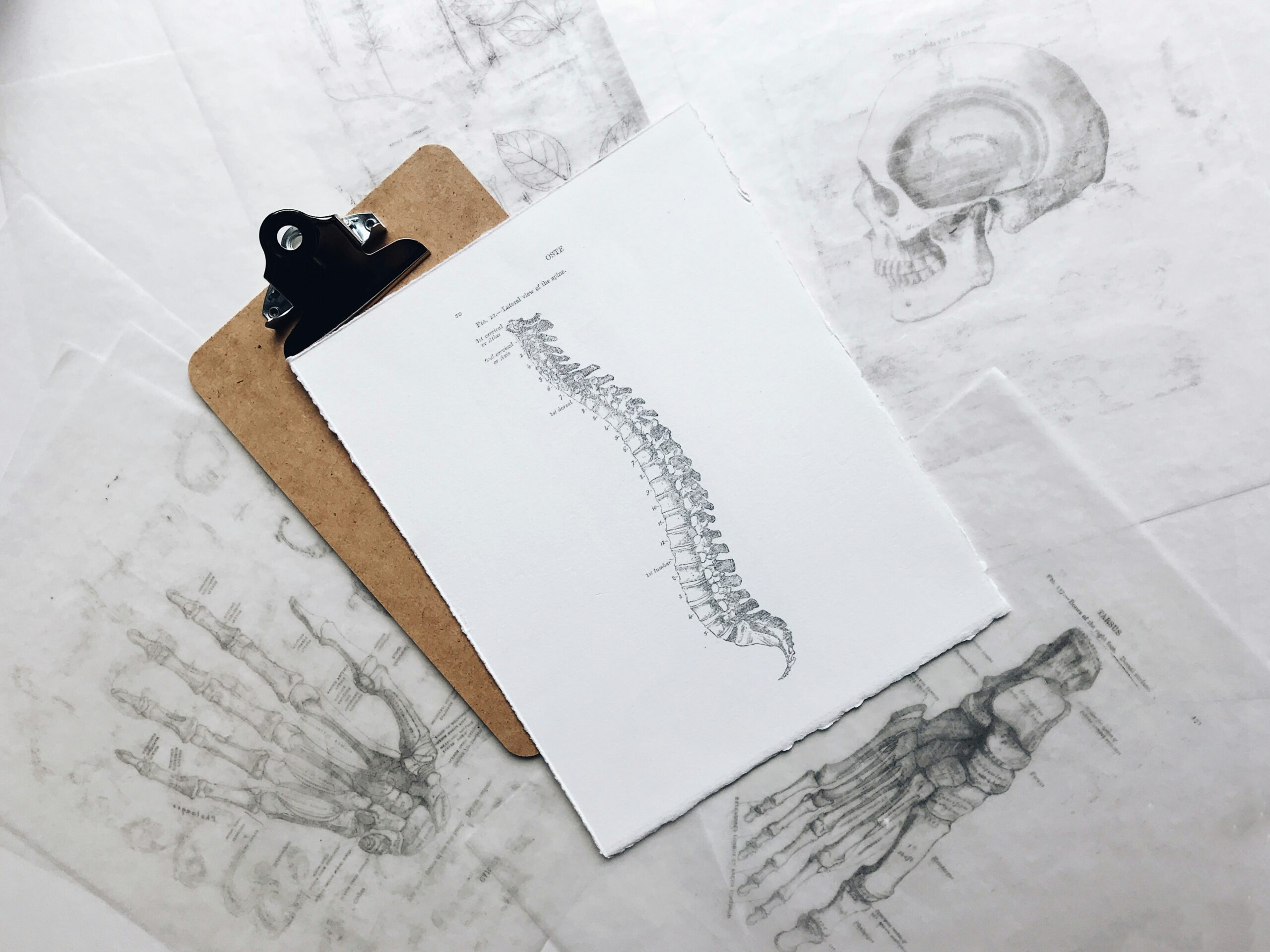
Degenerative Changes in Denver: Understanding Spinal Wear and How to Protect Your Health Exploring the Unique Causes of Headaches in Denver and How Chiropractic Care Provides Relief Degenerative changes in the spine are a natural part of aging, but when left untreated, they can lead to chronic pain, nerve compression, reduced mobility, and a lower quality of life. For residents of Denver, maintaining spinal health is essential for staying active, whether enjoying the Rockies, cycling through city trails, or navigating daily routines. This comprehensive guide explores the causes, symptoms, effects, and treatment options for degenerative changes, with a focus on local solutions to support long-term spinal health. What Are Degenerative Changes? Degenerative changes refer to the gradual wear and tear of the spine, particularly in the intervertebral discs, vertebrae, ligaments, and facet joints. Common types of degenerative changes include: Disc degeneration – loss of hydration and elasticity in spinal discs Osteoarthritis – breakdown of cartilage in spinal joints Ligament thickening – loss of flexibility in spinal ligaments Bone spurs (osteophytes) – bony growths that can develop due to joint stress These changes can affect any part of the spine, but they are particularly impactful in the cervical (neck) and lumbar (lower back) regions, where mobility and nerve function are critical. Causes of Degenerative Changes Several factors contribute to spinal degeneration: 1. Aging Natural wear and tear over time reduces disc height and joint flexibility, leading to stiffness and reduced mobility. 2. Repetitive Stress Frequent lifting, bending, or repetitive movements can accelerate spinal degeneration, especially in physically active individuals. 3. Previous Injuries Whiplash, falls, or sports-related trauma can destabilize the spine, promoting degenerative changes over time. 4. Poor Posture Forward-head posture, slouching, and prolonged sitting can increase stress on the cervical spine, accelerating degeneration. 5. Genetics Some individuals are genetically predisposed to faster degeneration, particularly in the discs and joints. 6. Lifestyle Factors Smoking, inactivity, and obesity can reduce spinal resilience and accelerate wear and tear. Diagnosing Degenerative Changes A thorough evaluation is essential to determine the severity and location of degenerative changes: Medical history review – documenting previous injuries, symptoms, and lifestyle factors Physical examination – assessing posture, range of motion, muscle strength, and neurological function Imaging studies – X-rays, MRI, or CT scans to detect disc degeneration, osteoarthritis, or bone spurs Functional assessments – identifying compensatory patterns and postural imbalances Accurate diagnosis allows for targeted treatment rather than only managing symptoms. Preventing Progression of Degenerative Changes Preventive measures help slow degeneration and maintain spinal health: Strengthen postural and core-supporting muscles regularly Maintain proper ergonomic setups at work and home Avoid repetitive strain and high-impact trauma Schedule routine chiropractic or physical therapy evaluations Stay active with low-impact exercises that maintain flexibility and spinal resilience Denver residents who enjoy outdoor activities benefit from proactive spinal care to prevent injury and maintain mobility. Living with Degenerative Changes With proper care, individuals can manage degenerative changes and maintain an active, pain-free lifestyle: Active residents: Improved alignment and strength support hiking, skiing, and cycling Office workers: Better posture reduces neck and back strain from prolonged sitting Older adults: Reduced risk of falls and improved balance enhance independence Combining spinal care, targeted therapy, and lifestyle adjustments addresses the root cause of degeneration and improves overall quality of life. Symptoms of Degenerative Changes Degenerative changes may develop slowly and cause a range of symptoms, including: Chronic neck or back pain Stiffness and limited range of motion Radiating pain to shoulders, arms, or legs due to nerve compression Tingling, numbness, or weakness in extremities Headaches or migraines linked to cervical spine changes Muscle spasms and postural imbalances Difficulty standing, walking, or performing daily activities Early recognition is key, as untreated degeneration can lead to more severe nerve damage and loss of mobility. How Degenerative Changes Affect Nerves The spine houses the spinal cord, and spinal nerves exit through small openings between vertebrae. Degenerative changes can reduce these spaces, leading to nerve compression, which may result in: Cervical nerve compression – pain, tingling, or weakness radiating into the shoulders, arms, and hands Lumbar nerve compression (sciatica) – pain, numbness, or weakness in the lower back, hips, or legs Impaired coordination – difficulty with balance or precise movements Addressing degeneration early helps prevent chronic nerve interference and long-term discomfort. Treatment Options in Denver Residents seeking relief from degenerative changes have several local treatment options: 1. Upper Cervical Chiropractic Care Chiropractic care, particularly upper cervical-focused, helps restore proper spinal alignment and nerve function: Realigns the atlas (C1) and axis (C2) to relieve cervical nerve pressure Reduces systemic discomfort affecting shoulders, arms, and upper back Supports improved posture and spinal mobility Promotes the body’s natural healing mechanisms Specialized clinics in Denver offer precise, gentle adjustments targeting the root cause of degeneration-related symptoms. 2. Physical Therapy Therapy strengthens supporting muscles, improves flexibility, and reduces stress on degenerated areas: Core, neck, and back strengthening exercises Stretching tight muscles and ligaments Postural retraining for daily activities Balance and functional movement training 3. Lifestyle Modifications Daily habits significantly impact the progression of degeneration: Maintain proper posture at work and home Engage in low-impact activities like swimming, yoga, or Pilates Use supportive seating and ergonomic equipment Maintain a healthy weight and avoid smoking 4. Pain Management Acute pain may require temporary relief strategies: Heat or cold therapy to reduce inflammation Non-steroidal anti-inflammatory medications (NSAIDs) Activity modification to reduce stress on affected spinal segments 5. Surgical Intervention Surgery is typically reserved for severe degeneration with nerve compression or structural instability. Conservative care often provides significant relief without the need for invasive procedures. When to Seek Professional Care Residents should consult a specialist if they experience: Persistent neck or back pain Numbness, tingling, or weakness in the arms or legs Headaches or migraines linked to cervical spine issues Difficulty performing daily activities or maintaining posture Early intervention helps prevent long-term nerve damage and preserves mobility. Long-Term Outlook With consistent treatment and lifestyle management, degenerative changes can be effectively controlled: Reduced chronic pain and muscle tension Improved spinal

Poor Posture in Denver: How Misalignment Affects Your Health and How to Fix It
Poor Posture in Denver: How Misalignment Affects Your Health and How to Fix It Exploring the Unique Causes of Headaches in Denver and How Chiropractic Care Provides Relief Poor posture is more than just standing or sitting awkwardly—it can be a root cause of chronic pain, fatigue, and even nerve issues that impact your overall health. For residents of Denver, long hours at desks, active lifestyles, and repetitive motions can all contribute to posture problems. Understanding the causes, consequences, and solutions for poor posture is key to restoring spinal alignment, improving nerve function, and enhancing overall well-being. This comprehensive guide explores how poor posture develops, its effects on the body, and effective strategies to improve posture locally in Denver. Understanding Poor Posture Poor posture occurs when the spine is out of its natural alignment, placing uneven stress on muscles, joints, and ligaments. Common postural misalignments include: Forward head posture – the head juts forward, straining the neck and shoulders Rounded shoulders – shoulders roll forward, compressing the chest and upper back Slouched upper back – thoracic spine curves excessively Pelvic tilt or swayback – hips and lower spine misaligned Even subtle misalignments in the cervical spine, such as issues in the atlas (C1) or axis (C2) vertebrae, can have ripple effects throughout the body, affecting nerve function, muscle tension, and overall balance. Common Causes of Poor Posture Several factors contribute to posture problems in modern life: 1. Sedentary Lifestyle Extended periods of sitting—especially at computers or on smartphones—promote forward head posture and rounded shoulders. 2. Weak Muscles Weakness in the core, upper back, and neck muscles can reduce spinal support, leading to slouching and fatigue. 3. Injury or Previous Trauma Whiplash, falls, or sports injuries can misalign the spine, leading to compensatory posture patterns that place additional stress on muscles and joints. 4. Repetitive Movements Repeated motions, such as lifting, typing, or carrying heavy bags, can cause muscular imbalances that encourage poor posture. 5. Degenerative Spinal Changes Age-related changes like disc degeneration or arthritis can affect spinal alignment, making it harder to maintain proper posture naturally. Effects of Poor Posture on Health Poor posture is not just cosmetic—it has significant physical and neurological consequences: 1. Neck Pain and Headaches Forward head posture increases stress on cervical vertebrae, leading to tension headaches, migraines, and chronic neck pain. 2. Shoulder and Upper Back Pain Rounded shoulders and a hunched upper back can compress muscles and nerves, resulting in shoulder tension, pain, or numbness that sometimes radiates to the arms. 3. Nerve Compression Misalignments in the cervical spine can irritate nerves, leading to tingling, numbness, or weakness in the arms and hands. 4. Fatigue and Reduced Energy Poor posture forces muscles to work harder to maintain balance, causing fatigue, decreased endurance, and impaired physical performance. 5. Digestive and Respiratory Issues Slouching can compress the chest and abdomen, limiting lung capacity and potentially affecting digestion over time. 6. Impaired Balance and Coordination Cervical misalignments can interfere with nerve signals controlling balance, increasing the risk of falls or injury during daily activities. Recognizing Poor Posture Identifying poor posture early is critical for prevention and treatment. Look for: Forward head or rounded shoulders Visible slouching while standing or sitting Uneven shoulders or hips Chronic neck, shoulder, or back pain Difficulty maintaining balance or coordination Muscle fatigue during routine activities Postural assessment by a trained specialist can pinpoint the root cause of misalignment and guide corrective strategies. Treatment Options in Denver For residents seeking to correct posture problems, local solutions focus on restoring alignment, reducing nerve irritation, and strengthening supportive muscles. 1. Upper Cervical Chiropractic Care Specialized chiropractic care targets the atlas (C1) and axis (C2) vertebrae, addressing the root causes of misalignment: Gently corrects upper cervical misalignments Reduces nerve interference affecting shoulders, arms, and upper back Improves posture, balance, and spinal function Alleviates chronic neck pain and headaches Precision techniques focus on subtle adjustments rather than forceful twisting, supporting long-term spinal health. 2. Physical Therapy Therapy complements chiropractic care by retraining muscles and improving posture: Strengthening exercises for neck, back, and core Postural retraining for daily activities Stretching tight muscles in the shoulders, chest, and neck Balance and coordination training 3. Ergonomic and Lifestyle Adjustments Small changes in daily habits can support proper posture: Adjust desk height and chair support for optimal ergonomics Use supportive pillows for proper neck alignment during sleep Take regular breaks to move and stretch Practice mindful posture awareness during activities 4. Pain Management Temporary interventions may be necessary for acute discomfort: Heat or cold therapy to reduce muscle tension Non-steroidal anti-inflammatory medications (NSAIDs) Activity modification to reduce strain Preventing Poor Posture Prevention is the best strategy for maintaining the body’s natural alignment: Strengthen core, neck, and back muscles regularly Maintain proper ergonomics at work and home Avoid prolonged sitting or forward-head positions Schedule routine postural evaluations Engage in low-impact physical activity to promote flexibility and spinal health For Denver residents who hike, cycle, ski, or participate in other recreational activities, proactive posture care is especially important to prevent injury and chronic pain. Living with Improved Posture Correcting poor posture has profound effects on daily life: Enhanced mobility and flexibility – easier movement and reduced stiffness Reduced pain – less strain on the neck, shoulders, and back Better energy and endurance – muscles work more efficiently Improved balance and coordination – reduced risk of falls and injuries Overall wellness – better breathing, digestion, and body mechanics Addressing spinal misalignments, strengthening supportive muscles, and maintaining proper ergonomics empowers Denver residents to live an active, pain-free lifestyle. When to Seek Professional Care Residents should seek evaluation if they experience: Chronic neck, shoulder, or back pain Tingling, numbness, or weakness in the arms Dizziness or balance problems Persistent headaches or migraines Difficulty maintaining proper posture despite conscious effort Early intervention helps prevent long-term nerve, joint, or muscular issues. Long-Term Benefits of Correcting Poor Posture With consistent care and attention, correcting posture can provide: Reduced pain and muscle tension Improved spinal alignment and nerve function