

Body’s Natural Balance in Denver: How Alignment Impacts Health and Wellness Exploring the Unique Causes of Headaches in Denver and How Chiropractic Care Provides Relief Maintaining the body’s natural balance is crucial for overall health, mobility, and longevity. Balance is not just about standing upright or preventing falls — it’s the result of proper alignment, strong musculoskeletal support, and optimal nervous system function. For residents of Denver, understanding how the body’s natural balance works, how misalignments disrupt it, and how to restore it is essential for preventing pain, enhancing performance, and supporting long-term wellness. This comprehensive guide explores the factors influencing the body’s balance, the consequences of spinal and postural misalignments, strategies to restore natural equilibrium, and local treatment options in Denver. Understanding the Body’s Natural Balance The human body maintains balance through a complex interplay between: Musculoskeletal system – bones, joints, and muscles that support posture and movement Nervous system – the brain and spinal cord that coordinate motor control and reflexes Vestibular system – inner ear structures that detect motion and orientation Visual system – eyes providing spatial awareness and positioning cues When all these systems work together harmoniously, the body maintains its natural balance, allowing smooth, coordinated movement and reducing strain on joints, muscles, and the spine. How Spinal Alignment Affects Balance The spine is central to the body’s natural balance. Proper alignment ensures: Even weight distribution across the body Optimal posture and muscular coordination Efficient nerve signal transmission from the brain to muscles Reduced risk of compensatory strain in the shoulders, back, hips, and legs Misalignments, particularly in the cervical spine (neck) or upper cervical region (C1 and C2 vertebrae), can disrupt these processes. Even slight vertebral shifts can: Alter head positioning, affecting the vestibular and visual systems Increase tension in surrounding muscles, reducing coordination Impair nerve communication, leading to pain, weakness, or numbness For Denver residents who enjoy hiking, skiing, or other active pursuits, spinal misalignments can compromise performance and increase the risk of injury. Signs Your Body’s Balance May Be Off Recognizing the early signs of imbalance allows for timely intervention: Frequent falls or near-falls Dizziness, vertigo, or unsteady gait Chronic neck, back, or shoulder pain Muscle tension in multiple areas of the body Fatigue or difficulty coordinating movements Headaches or migraines linked to posture These symptoms often stem from misalignments or nerve interference that disrupt communication between the brain, spine, and muscles. How the Nervous System Contributes to Balance The nervous system plays a central role in maintaining the body’s equilibrium: Nerves from the cervical spine communicate with muscles to control head and trunk position Proper brainstem function ensures timely reflexes and coordination Misalignments in the upper cervical region can distort nerve signaling, resulting in compensatory tension and postural instability Addressing nerve interference through precise spinal care restores communication pathways, enhancing natural balance throughout the body. Preventing Balance Issues Prevention is key to maintaining the body’s natural equilibrium: Strengthen neck, back, and core muscles regularly Maintain proper posture throughout daily activities Avoid prolonged sitting or repetitive strain Schedule routine upper cervical or chiropractic evaluations Stay active to enhance flexibility, coordination, and proprioception Denver residents engaged in outdoor activities benefit from proactive balance care to prevent injury and support long-term mobility. Living with Restored Balance Restoring the body’s natural balance positively affects daily life: Active residents: Improved stability enhances performance in skiing, hiking, cycling, and fitness activities Office workers: Better posture and spinal alignment reduce chronic tension and fatigue Older adults: Enhanced balance decreases fall risk and improves confidence in movement By targeting spinal alignment, nervous system function, and muscular support, residents can maintain optimal balance for both daily activities and recreational pursuits. Common Causes of Disrupted Body Balance Several factors can disturb the body’s natural balance: 1. Upper Cervical Misalignments Misalignments in the atlas (C1) and axis (C2) vertebrae interfere with brainstem function and nerve signaling, potentially causing dizziness, headaches, and postural instability. 2. Previous Injuries Car accidents, falls, or sports-related trauma can leave lingering effects on spinal alignment, leading to compensatory movement patterns and loss of equilibrium. 3. Poor Posture Extended periods of slouching, forward-head posture, or improper ergonomics can weaken postural muscles and reduce balance efficiency. 4. Muscle Weakness or Imbalance Weak or tight muscles in the core, back, and legs can impair the body’s ability to stabilize itself, particularly during movement or on uneven surfaces. 5. Neurological Conditions Certain neurological conditions, including peripheral neuropathy or vestibular disorders, can directly affect balance and coordination. Treatment Options to Restore Natural Balance in Denver Residents searching for “balance restoration near me” or “Denver chiropractor for postural alignment” have access to several effective treatment options: 1. Upper Cervical Chiropractic Care Upper cervical care focuses on realigning the atlas (C1) and axis (C2) to restore optimal nervous system function: Reduces nerve interference affecting the entire body Improves posture and spinal alignment Alleviates dizziness, headaches, and systemic tension Supports natural musculoskeletal balance Local clinics like Denver Upper Cervical Chiropractic specialize in precise, gentle adjustments that target root causes rather than just symptoms. 2. Physical Therapy and Strength Training Physical therapy reinforces balance by strengthening key muscles and improving coordination: Core stabilization exercises Postural retraining and alignment correction Stretching tight muscles in the neck, back, and legs Balance and proprioception training for functional movement 3. Lifestyle and Ergonomic Adjustments Maintaining natural balance requires consistent habits: Proper desk ergonomics to prevent forward-head posture Supportive footwear and footwear adjustments for outdoor activities Regular low-impact exercise, such as yoga, Pilates, or swimming Mindful movement during hiking, climbing, or sports 4. Pain Management Temporary interventions may be necessary for flare-ups: Heat or cold therapy Non-steroidal anti-inflammatory medications (NSAIDs) Activity modification to reduce strain on muscles and joints When to Seek Professional Care Seek evaluation if you experience: Frequent dizziness or imbalance Chronic neck, back, or shoulder pain Difficulty performing routine movements Headaches or migraines associated with postural issues Early intervention ensures that the nervous system, spine, and muscles work in harmony, supporting the body’s natural balance and preventing long-term complications.

Axis Vertebrae (C1 and C2) in Denver: Understanding the Backbone of Neck Health
Axis Vertebrae (C1 and C2) in Denver: Understanding the Backbone of Neck Health Exploring the Unique Causes of Headaches in Denver and How Chiropractic Care Provides Relief The axis vertebrae, comprising C1 (atlas) and C2 (axis), are the top two vertebrae in the cervical spine and play a critical role in supporting the head, facilitating movement, and protecting the spinal cord. Misalignments or dysfunction in these vertebrae can have far-reaching effects, including chronic neck pain, headaches, nerve compression, and postural issues. For residents of Denver, understanding the importance of the C1 and C2 vertebrae is essential for maintaining spinal health and overall wellness. This comprehensive guide explores the anatomy and function of the axis vertebrae, common issues, symptoms, diagnosis, treatment options in Denver, and strategies for prevention and recovery. Anatomy and Function of C1 and C2 The Atlas (C1) The Axis (C2) The C1 vertebra, known as the atlas, is the first cervical vertebra and directly supports the skull. Its primary functions include: Supporting the weight of the head – allowing the nodding motion (“yes” movement) Protecting the brainstem and upper spinal cord Facilitating nerve signal transmission – ensuring communication between the brain and body The C2 vertebra, known as the axis, sits directly below the atlas and provides a pivot point for the head: Enables rotation of the head (“no” movement) Maintains cervical stability Protects nerves and the spinal cord The C1 vertebra, known as the atlas, is the first cervical vertebra and directly supports the skull. Its primary functions include: Supporting the weight of the head – allowing the nodding motion (“yes” movement) Protecting the brainstem and upper spinal cord Facilitating nerve signal transmission – ensuring communication between the brain and body The C2 vertebra, known as the axis, sits directly below the atlas and provides a pivot point for the head: Enables rotation of the head (“no” movement) Maintains cervical stability Protects nerves and the spinal cord Together, C1 and C2 form a complex joint that allows smooth head movement while ensuring that the nervous system remains protected. Misalignment or injury to these vertebrae can disrupt spinal mechanics and cause nerve interference. Common Issues Affecting the Axis Vertebrae Several factors can lead to dysfunction in the C1 and C2 vertebrae: 1. Trauma and Whiplash Car accidents and sudden impacts Falls or sports-related injuries Physical trauma to the head or neck Even minor trauma can shift these vertebrae slightly out of alignment, creating pain and nerve irritation. 2. Poor Posture Forward-head posture from prolonged computer or phone use Slouching during sitting or sleeping Chronic neck strain from daily activities Over time, poor posture can cause misalignment in the upper cervical spine, affecting C1 and C2. 3. Degenerative Changes Age-related wear and tear, such as disc degeneration or osteoarthritis, can impact the function of C1 and C2, leading to stiffness, nerve compression, and reduced range of motion. 4. Previous Injuries Past neck or spinal injuries can destabilize the upper cervical region, making the axis vertebrae more prone to misalignment and chronic discomfort. Symptoms of Axis Vertebrae Dysfunction Misalignments or issues with C1 and C2 can produce symptoms beyond the neck due to nerve involvement and postural compensation. Common signs include: Chronic neck pain or stiffness Headaches and migraines Dizziness or balance problems Pain radiating to the shoulders, arms, or upper back Fatigue or difficulty concentrating Muscle tension in the upper back and shoulders Tingling, numbness, or weakness in the arms or hands Because these vertebrae protect the brainstem and facilitate nerve communication, even minor misalignments can lead to systemic symptoms that seem unrelated to the neck itself. How C1 and C2 Misalignments Affect the Nervous System The atlas and axis encase and protect the brainstem, the hub of nerve signal transmission between the brain and body. Misalignment can: Compress or irritate spinal nerves Impair nerve signaling to the shoulders, arms, and upper back Trigger muscle imbalances and postural strain Contribute to chronic pain, headaches, or neurological symptoms This explains why patients often experience discomfort in areas distant from the cervical spine. Addressing C1 and C2 misalignments is critical for whole-body relief. Diagnosing Issues with the Axis Vertebrae Accurate diagnosis is essential because misalignments can be subtle and difficult to detect on standard imaging. Denver specialists typically use: Specialized upper cervical X-rays – precise measurement of vertebral alignment Postural and movement analysis – identifying compensatory patterns Neurological assessment – testing reflexes, muscle strength, and sensation Comprehensive patient history – reviewing trauma, lifestyle factors, and symptom patterns Early diagnosis ensures targeted treatment, reducing the risk of chronic nerve or musculoskeletal complications. Prevention of Axis Vertebrae Dysfunction Preventive measures help maintain upper cervical health and reduce systemic symptoms: Strengthen neck, shoulder, and upper back muscles Maintain proper posture during work and daily activities Avoid repetitive strain or trauma Schedule routine upper cervical evaluations Stay active with low-impact exercises to maintain flexibility and spinal health For Denver residents, proactive care is especially beneficial for those engaging in hiking, skiing, cycling, and other high-impact activities. Living with C1 and C2 Issues in Denver The function of the atlas and axis affects not only neck health but overall quality of life. Residents can experience improved wellness through targeted care: Outdoor enthusiasts: Proper alignment enhances balance and mobility for skiing, hiking, and cycling. Office workers: Correcting misalignments relieves tension from prolonged desk work. Active adults: Maintaining C1 and C2 alignment reduces the risk of secondary spinal issues and improves performance. Addressing upper cervical dysfunction early can prevent chronic pain and systemic symptoms, allowing residents to enjoy Denver’s active lifestyle. When to Seek Professional Care Residents should seek evaluation if they experience: Persistent neck pain or stiffness Chronic headaches or migraines Tingling, numbness, or weakness in the arms or shoulders Dizziness or balance issues Early intervention restores C1 and C2 alignment, relieves nerve interference, and improves overall function and comfort. Treatment Options in Denver For residents searching for “upper cervical care near me” or “Denver chiropractor for C1 and C2 alignment,” several conservative treatment options are
Atlas Vertebra in Denver: The Key to Spinal Health and Nervous System Function
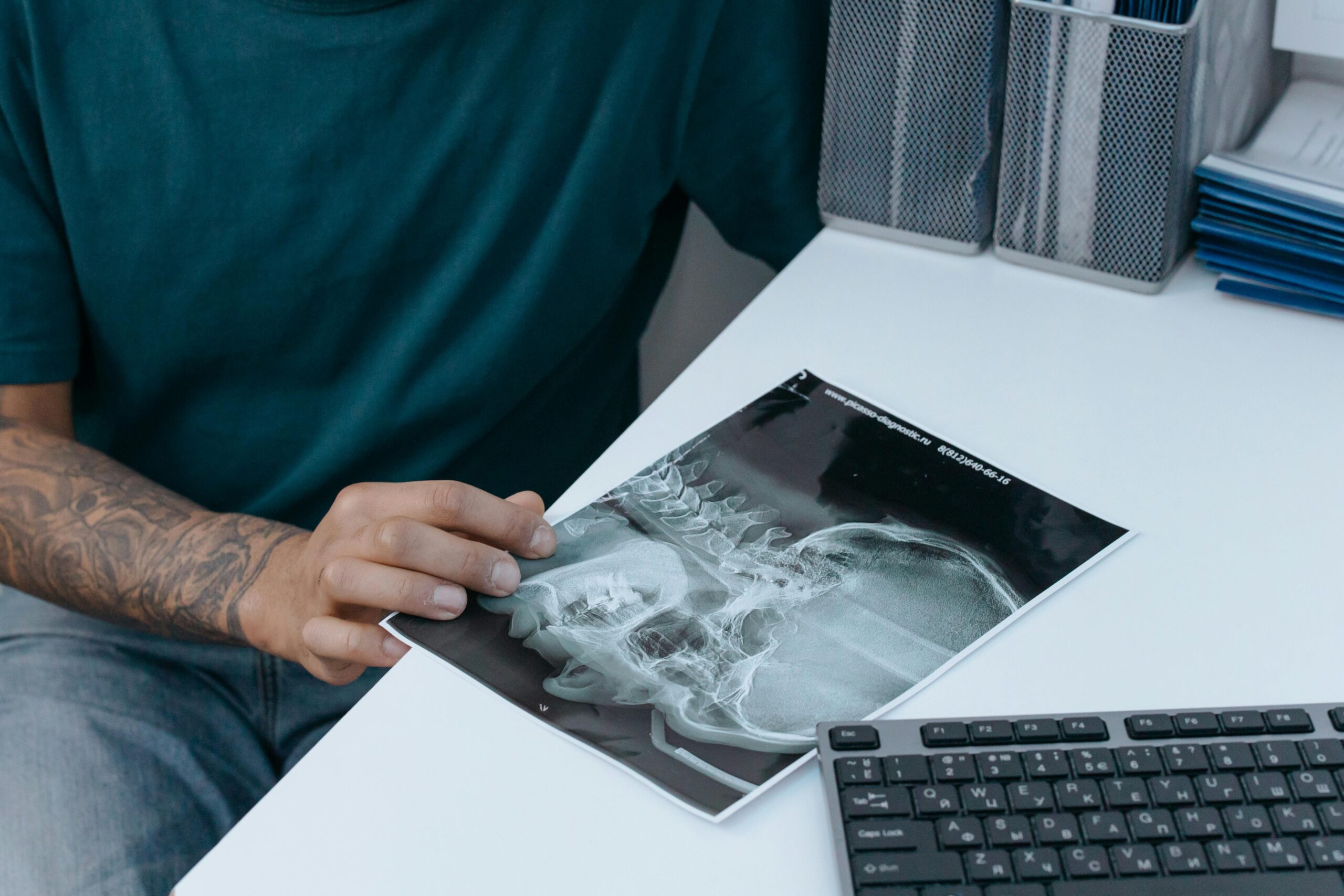
Atlas Vertebra in Denver: The Key to Spinal Health and Nervous System Function Exploring the Unique Causes of Headaches in Denver and How Chiropractic Care Provides Relief The atlas vertebra, also known as C1, is the first vertebra in the cervical spine and plays a pivotal role in supporting the head, protecting the brainstem, and maintaining proper nervous system communication. Despite its small size, misalignments or dysfunctions in the atlas can lead to widespread issues throughout the body — from chronic neck pain to nerve-related symptoms in the shoulders, arms, and back. For residents of Denver, understanding the importance of the atlas is essential for maintaining long-term spinal health and overall wellness. This comprehensive guide explores the anatomy and function of the atlas, common issues that affect it, symptoms, local treatment options, and strategies for prevention. What Is the Atlas Vertebra? The atlas (C1) is the topmost vertebra of the cervical spine. Its primary functions include: Supporting the skull – it carries the weight of the head and allows for nodding motion (“yes” movement) Protecting the brainstem – which is responsible for vital nerve signaling Facilitating nervous system communication – nerves from C1 connect to various parts of the body, including the neck, shoulders, and arms Maintaining proper spinal alignment – it ensures that the rest of the cervical spine and body are properly balanced Because of its critical location and function, even minor misalignments of the atlas can have significant consequences throughout the body. Common Atlas-Related Issues Several factors can affect the function and alignment of the atlas, including: 1. Trauma and Injuries Car accidents or whiplash injuries Sports injuries such as falls, skiing, or cycling accidents Physical trauma to the head or neck Trauma can shift the atlas slightly out of alignment, irritating nerves and affecting posture. 2. Poor Posture Forward-head posture from prolonged computer use Slouching or improper sleeping positions Chronic neck strain from daily activities Over time, poor posture can stress the atlas and contribute to misalignments. 3. Previous Neck or Back Injuries Prior injuries can destabilize the cervical spine, making the atlas more susceptible to misalignment and nerve interference. 4. Degenerative Changes Age-related disc degeneration or arthritis in the cervical spine can alter the position of the atlas, reducing mobility and increasing nerve pressure. Symptoms of Atlas Misalignment Because the atlas protects the brainstem and communicates with the nervous system, misalignments can produce symptoms throughout the body: Chronic neck pain or stiffness Headaches or migraines Shoulder or arm pain Tingling or numbness in the extremities Muscle weakness in the upper body Dizziness, balance issues, or vertigo Fatigue or difficulty concentrating Often, patients are surprised to learn that symptoms in the shoulders, arms, or back may originate from a misaligned atlas rather than the areas where pain is felt. How Atlas Misalignments Affect the Nervous System The atlas encases and protects the brainstem — the critical pathway for nerve signals traveling between the brain and the body. Misalignment can: Interfere with communication between the brain and spinal nerves Cause nerve compression or irritation Affect posture, creating secondary pain in the thoracic or lumbar spine Trigger muscular imbalances and tension throughout the shoulders, back, and arms This is why precise atlas care is essential: small shifts can have large, systemic effects. Diagnosing Atlas Misalignments Proper diagnosis is critical because standard imaging may not always reveal subtle misalignments. Specialists in Denver typically use: Specialized upper cervical X-rays – precise measurements of the atlas position Postural analysis – identifying compensatory patterns in the spine and body Neurological evaluation – checking muscle strength, reflexes, and nerve function Patient history review – assessing previous trauma, lifestyle factors, and symptom patterns Accurate assessment ensures that treatment targets the root cause rather than only addressing symptoms. Treatment Options in Denver For residents searching for “atlas adjustment near me” or “Denver upper cervical chiropractor,” several effective treatment options are available: 1. Upper Cervical Chiropractic Care Upper cervical chiropractic focuses specifically on the atlas and axis (C1 and C2). These techniques are gentle and precise, avoiding twisting or cracking motions: Realigns the atlas to restore proper nerve communication Reduces neck pain, headaches, and systemic discomfort Improves posture and spinal stability Supports the body’s natural healing processes Clinics such as Denver Upper Cervical Chiropractic specialize in atlas care, ensuring precise corrections for long-term results. 2. Physical Therapy Physical therapy complements chiropractic care by strengthening supportive muscles and improving range of motion: Cervical and upper back strengthening Postural retraining exercises Balance and coordination training Stretching tight muscles in the neck and shoulders 3. Lifestyle Adjustments Daily habits can help maintain atlas alignment and spinal health: Ergonomic setup for workstations Proper sleeping positions with supportive pillows Regular movement breaks and stretching Avoiding prolonged forward-head posture 4. Pain Management For acute flare-ups, non-invasive interventions may include: Heat or cold therapy Non-steroidal anti-inflammatory drugs (NSAIDs) Activity modification 5. Surgical Intervention Surgery is rarely required for atlas misalignments and is typically reserved for severe trauma or structural issues. Most patients achieve relief with conservative care. Prevention of Atlas-Related Issues Preventive strategies can reduce the risk of misalignment and associated symptoms: Strengthen neck, shoulder, and upper back muscles Maintain good posture during daily activities Avoid repetitive trauma or strain Schedule regular upper cervical check-ups Stay active with low-impact exercises to maintain spinal flexibility Residents of Denver who enjoy hiking, skiing, or cycling benefit from proactive atlas care to prevent misalignment-related pain and nerve irritation. Living with Atlas Misalignment in Denver Atlas misalignment can impact daily life, but with proper care, residents can maintain function and comfort: Outdoor enthusiasts: Proper alignment enhances balance, mobility, and performance in activities like skiing or hiking. Office workers: Correcting atlas misalignments relieves tension from prolonged sitting or computer work. Active adults: Improved posture and nerve function reduce the risk of secondary spinal issues. By addressing atlas misalignments early, patients can prevent chronic pain and maintain an active, healthy lifestyle. When to Seek Professional Care Seek evaluation if you notice: Persistent neck pain or stiffness Frequent headaches

Issues Beyond Neck Pain in Denver: How Cervical Problems Affect Your Whole Body
Issues Beyond Neck Pain in Denver: How Cervical Problems Affect Your Whole Body Exploring the Unique Causes of Headaches in Denver and How Chiropractic Care Provides Relief Neck pain is a common complaint, but for many residents of Denver, the effects of cervical spine issues extend far beyond the neck itself. When the upper spine is misaligned or when nerves are compressed, discomfort can radiate throughout the body, impacting shoulders, arms, back, and even overall health. Understanding the broader consequences of cervical issues is essential for effective treatment, long-term relief, and maintaining an active Denver lifestyle. This comprehensive guide explores the systemic effects of neck problems, the warning signs of nerve involvement, treatment options in Denver, and strategies for prevention. Understanding How Neck Problems Affect the Body The cervical spine, consisting of the first seven vertebrae (C1–C7), supports the head and protects the spinal cord while housing nerve pathways that extend to the shoulders, arms, and back. When the cervical vertebrae become misaligned, injured, or affected by degenerative changes, it can lead to: Nerve compression – disrupting communication between the brain and body Muscle tension – causing discomfort in areas beyond the neck Postural imbalances – leading to secondary pain in the mid-back or lower back Decreased range of motion – affecting daily activities and physical performance In Denver, where outdoor activities like hiking, skiing, and cycling are common, cervical issues can significantly limit mobility and overall quality of life if left unaddressed. Common Causes of Cervical-Related Issues Beyond Neck Pain Several factors can lead to symptoms that extend beyond the neck: 1. Upper Cervical Misalignments The atlas (C1) and axis (C2) vertebrae at the top of the cervical spine play a crucial role in posture and nerve function. Misalignments in this area can: Cause headaches and dizziness Irritate nerves that radiate pain to shoulders and arms Contribute to back pain through compensatory posture changes 2. Herniated or Bulging Discs Discs between the cervical vertebrae act as cushions. When a disc herniates or bulges, it can press on nearby nerves, resulting in radiating pain, tingling, or numbness that may affect the arms, shoulders, and back. 3. Muscle Strain and Ligament Injury Repeated strain from poor posture, sports, or work activities can cause chronic tension in neck muscles, which often radiates to surrounding areas. 4. Previous Injuries Whiplash from car accidents, falls, or sports injuries can create long-term cervical instability, nerve compression, and chronic pain patterns that extend to the upper body. 5. Degenerative Disc Disease Age-related changes in cervical discs reduce flexibility and shock absorption, often leading to nerve irritation that manifests beyond the neck. Symptoms of Cervical Issues Beyond Neck Pain While neck discomfort is common, other systemic symptoms often indicate more complex cervical involvement: Shoulder pain or stiffness Upper or mid-back discomfort Headaches and migraines Balance issues or dizziness Muscle weakness in the upper body Radiating pain, numbness, or tingling in arms and hands Recognizing these symptoms early allows for timely intervention before secondary complications develop. How Nerve Compression Extends Beyond the Neck The spinal nerves exiting the cervical region are responsible for transmitting signals to the shoulders, arms, and upper back. When these nerves are compressed due to misalignment, herniated discs, or degeneration, it can lead to: Radiating pain – often described as shooting, burning, or tingling sensations Muscle weakness – affecting grip, lifting, or arm movement Loss of coordination – sometimes making daily activities difficult Chronic tension – as muscles compensate for misalignment or weakness Cervical nerve compression can also indirectly affect posture, causing tension and discomfort in the thoracic and lumbar spine, further illustrating that neck problems can create a chain reaction throughout the body. Diagnosing Cervical Issues A thorough evaluation is critical to identifying the root cause of symptoms beyond neck pain. Diagnostic steps may include: Medical history review – noting previous injuries, lifestyle habits, and symptom patterns Physical examination – assessing posture, flexibility, muscle strength, and neurological function Imaging studies – X-rays, MRI, or CT scans to detect misalignments, disc herniation, or degenerative changes Functional assessments – evaluating movement patterns and compensations Early diagnosis is key to addressing the underlying cause rather than only managing symptoms. Treatment Options in Denver For residents searching for “chronic neck pain relief near me” or “Denver chiropractor for nerve pain,” several conservative treatments are available: 1. Upper Cervical Chiropractic Care Specialized chiropractic techniques focus on gently realigning the atlas (C1) and axis (C2), improving nerve communication and overall spinal function. Reduces nerve compression affecting shoulders, arms, and back Improves posture and mobility Alleviates chronic headaches and systemic discomfort Clinics such as Denver Upper Cervical Chiropractic specialize in precise, non-invasive adjustments targeting the root cause of cervical dysfunction. 2. Physical Therapy Physical therapy complements chiropractic care by strengthening supportive muscles and improving flexibility: Core and upper back strengthening Neck and shoulder mobility exercises Postural retraining Nerve glide techniques 3. Lifestyle Adjustments Simple modifications can prevent worsening symptoms: Proper ergonomic setup at work and home Regular movement breaks Maintaining an active lifestyle with low-impact exercise Using supportive pillows and maintaining good sleep posture 4. Pain Management For acute symptoms, providers may recommend: Heat or cold therapy Non-steroidal anti-inflammatory medications (NSAIDs) Activity modification to reduce stress on the cervical spine 5. Surgical Intervention Surgery is typically a last resort, reserved for severe nerve compression or structural damage not resolved by conservative care. Preventing Further Complications Even after initial treatment, proactive measures help prevent secondary issues: Maintain good posture during work, sports, and daily activities Strengthen neck, back, and core muscles Avoid prolonged inactivity or repetitive strain Schedule routine cervical evaluations to detect misalignments early Residents of Denver who are active outdoors benefit from consistent cervical care to reduce the risk of systemic effects from neck problems. Living with Cervical-Related Issues Beyond Neck Pain Cervical dysfunction affects more than the neck — it can influence everyday comfort, athletic performance, and quality of life: Active residents: Hiking, skiing, and cycling can aggravate misalignments if untreated Office workers: Extended computer use can

Upper Cervical Misalignments in Denver: The Hidden Cause of Chronic Pain and Nerve Issues
Upper Cervical Misalignments in Denver: The Hidden Cause of Chronic Pain and Nerve Issues Exploring the Unique Causes of Headaches in Denver and How Chiropractic Care Provides Relief Upper cervical misalignments are often overlooked, yet they can profoundly affect the entire body. Located at the very top of the spine, the upper cervical region — consisting of the first two vertebrae, the atlas (C1) and axis (C2) — plays a crucial role in supporting the head, protecting the brainstem, and maintaining nervous system communication. For residents of Denver, understanding upper cervical misalignments is vital for addressing chronic pain, headaches, neck discomfort, and nerve-related issues that may radiate throughout the body. This article explores the causes, symptoms, and treatment options for upper cervical misalignments, emphasizing local resources and solutions in Denver. What Are Upper Cervical Misalignments? Upper cervical misalignments occur when the C1 (atlas) or C2 (axis) vertebrae shift out of their normal alignment. Even a slight misalignment in this region can: Disrupt spinal alignment and posture Affect the nervous system and brainstem communication Cause chronic pain, headaches, and balance issues Lead to nerve irritation that radiates to the shoulders, arms, or back Because the upper cervical spine directly supports the skull and protects critical neural pathways, misalignments can have far-reaching consequences throughout the body. Common Causes of Upper Cervical Misalignments Several factors can contribute to misalignments in the upper cervical region: 1. Trauma or Accidents Car accidents (whiplash) Sports injuries (skiing, cycling, or contact sports) Falls or slips Trauma can shift the delicate vertebrae, leading to misalignment and nerve irritation. 2. Poor Posture Forward-head posture, slouching, or prolonged computer use can gradually alter the position of the atlas and axis, creating chronic spinal stress. 3. Previous Neck or Back Injuries Past injuries can weaken muscles and ligaments that support the cervical spine, making the upper cervical vertebrae more susceptible to misalignment. 4. Degenerative Changes Age-related disc degeneration and joint wear can influence the alignment of the upper cervical vertebrae, contributing to nerve compression and chronic pain. Symptoms of Upper Cervical Misalignments Symptoms of upper cervical misalignments can vary widely but often include: Neck pain or stiffness Headaches or migraines Dizziness or balance problems Tingling or numbness in the arms or hands Radiating pain in the shoulders or back Jaw pain or temporomandibular joint (TMJ) discomfort Fatigue, difficulty sleeping, or concentration issues Because upper cervical misalignments affect the brainstem and nervous system, symptoms may appear in seemingly unrelated parts of the body, making diagnosis challenging without a trained specialist. How Misalignments Affect Nerve Function The upper cervical spine surrounds and protects the brainstem, which controls the flow of nerve signals between the brain and the body. Misalignment in C1 or C2 can: Interfere with nerve communication to the arms, shoulders, and back Reduce blood flow and oxygen to the brain and spinal cord Cause muscular imbalances and postural issues Trigger chronic pain and inflammation This is why patients often experience symptoms far from the neck itself — such as shoulder pain, arm weakness, or back tension — that stem from a single misaligned vertebra. Diagnosing Upper Cervical Misalignments Accurate diagnosis is critical because standard X-rays or MRIs may not always detect subtle upper cervical shifts. Specialists in Denver often use: Digital or specialized upper cervical X-rays for precise measurements Postural analysis to identify compensatory patterns Physical and neurological assessments to check range of motion, muscle function, and nerve health Patient history review to identify past trauma or contributing factors Early and precise diagnosis ensures that treatment targets the root cause rather than just alleviating symptoms. Treatment Options in Denver For residents searching for “upper cervical care near me” or “Denver chiropractor for neck misalignment,” several effective and conservative treatments exist: 1. Upper Cervical Chiropractic Care Specialized chiropractic techniques focus on gently correcting misalignments in the atlas (C1) and axis (C2) without forceful twisting or cracking. Restores proper alignment to reduce nerve interference Improves posture and spinal stability Reduces pain, headaches, and radiating symptoms Supports the body’s natural healing processes Clinics such as Denver Upper Cervical Chiropractic provide precise, non-invasive corrections that target the root cause of chronic pain and nerve issues. 2. Physical Therapy Therapy supports upper cervical care by strengthening surrounding muscles, improving posture, and restoring range of motion: Neck and upper back strengthening Postural retraining exercises Balance and coordination exercises Stretching tight muscles and releasing tension 3. Lifestyle Modifications Simple daily adjustments can help maintain upper cervical alignment: Ergonomic workstation setup Regular movement and stretching breaks Proper sleeping positions with supportive pillows Avoiding prolonged forward-head posture during screen time 4. Pain Management For flare-ups or severe discomfort, pain management strategies may include: Heat or cold therapy Non-steroidal anti-inflammatory medications (NSAIDs) Activity modification Prevention of Upper Cervical Misalignments Preventing misalignments is crucial for long-term spinal health. Effective strategies include: Strengthening neck and upper back muscles Maintaining good posture during sitting, standing, and movement Avoiding repetitive trauma or strain Using supportive equipment for sports and daily activities Scheduling routine upper cervical check-ups Denver residents who are active outdoors, hike, cycle, or ski benefit from proactive care to minimize the risk of misalignments affecting performance and comfort. Living with Upper Cervical Misalignments in Denver The active lifestyle in Denver can both contribute to and benefit from proper upper cervical care: Sports enthusiasts: Skiing, biking, and running place stress on the cervical spine, but proper alignment improves performance and reduces injury risk. Office workers: Long hours at a desk or computer can strain the neck; upper cervical adjustments combined with posture correction relieve tension and nerve compression. Outdoor adventurers: Hiking or climbing with upper cervical misalignment can increase fatigue and discomfort; realignment restores balance and comfort. When to Seek Immediate Care Residents should seek prompt evaluation if they experience: Severe neck pain or stiffness Persistent headaches or migraines Dizziness or balance issues Numbness or tingling in arms or hands Weakness or loss of coordination Early intervention can prevent long-term nerve damage, chronic pain, and postural complications. Long-Term Outlook With proper care, upper

Previous Injuries in Denver: How Past Trauma Impacts Your Spine and Nervous System
Previous Injuries in Denver: How Past Trauma Impacts Your Spine and Nervous System Exploring the Unique Causes of Headaches in Denver and How Chiropractic Care Provides Relief Previous injuries may seem like a thing of the past, but they often leave lasting effects on your body, especially the spine and nervous system. For residents of Denver, understanding how old injuries can contribute to chronic pain, nerve irritation, and spinal misalignment is key to maintaining long-term health, mobility, and an active lifestyle. Whether you’ve had a sports injury, car accident, fall, or work-related trauma, past injuries can create weaknesses in muscles, ligaments, and joints, potentially leading to recurring pain, reduced flexibility, and even nerve-related symptoms. This comprehensive guide explores the impact of previous injuries, how they affect the spine and nerves, treatment options in Denver, and strategies for prevention and recovery. How Previous Injuries Affect Your Spine The spine is a complex structure of vertebrae, discs, muscles, and nerves. Any injury to this system — or nearby structures — can create long-term effects. Previous injuries may: Alter spinal alignment, creating vertebral misalignments Cause scar tissue that reduces flexibility and movement Lead to muscle imbalances, making certain areas more prone to strain Contribute to degenerative changes over time Compress nerves, resulting in radiating pain or numbness Even minor injuries that were thought to have “healed” can create subtle shifts in posture or movement patterns that stress the cervical, thoracic, or lumbar spine. Over time, these changes can lead to chronic pain, limited range of motion, or nerve-related symptoms in the arms, shoulders, or back. Common Types of Previous Injuries That Affect the Spine 1. Sports Injuries Denver residents are active, enjoying skiing, hiking, mountain biking, and running. High-impact sports or repetitive movements can injure the spine, shoulders, or hips, leaving lasting structural and muscular imbalances. 2. Car Accidents and Whiplash Whiplash or other trauma from collisions can misalign cervical vertebrae, irritate nerves, and create chronic neck and back pain that may radiate into arms or shoulders. 3. Workplace Injuries Repetitive lifting, prolonged sitting, or heavy labor can strain the spine and lead to micro-injuries that accumulate over time, weakening supporting muscles and ligaments. 4. Falls and Fractures Falls, even minor, can damage vertebrae, discs, or surrounding soft tissues. Scar tissue and improper healing can create chronic stiffness and imbalance. 5. Previous Surgeries Spinal surgeries or orthopedic procedures can alter the mechanics of the spine, leading to compensatory movement patterns that stress adjacent areas. Symptoms to Watch For Symptoms stemming from previous injuries often appear gradually and may include: Persistent neck, shoulder, or back pain Pain radiating to the arms or legs Tingling, burning, or numbness in extremities Reduced range of motion in the neck, back, or shoulders Muscle weakness or imbalance Stiffness that worsens after activity or prolonged rest If these symptoms interfere with daily activities, sports, or work, it’s important to seek professional evaluation. How Old Injuries Lead to Chronic Pain Previous injuries can have a lasting effect due to several mechanisms: 1. Vertebral Misalignments Even small shifts in spinal alignment can place pressure on nerves, reducing signal efficiency and leading to radiating pain in the arms, shoulders, or legs. 2. Muscle Imbalances When muscles weaken on one side or overcompensate for injury, they create tension in surrounding areas. Over time, this can increase the risk of disc degeneration, nerve compression, or repetitive strain injuries. 3. Scar Tissue Formation Scar tissue from previous injuries can limit joint mobility, creating stiffness and chronic discomfort. 4. Nerve Irritation Old injuries can narrow spaces where nerves exit the spine (foramina), compressing nerves and causing symptoms such as: Tingling or numbness Radiating pain Muscle weakness Reduced reflexes 5. Degenerative Changes Over time, previous injuries can accelerate disc degeneration, arthritis, or joint wear, contributing to long-term spinal issues. Preventing Complications from Previous Injuries Even after healing, proactive care can prevent recurring pain or new injuries: Maintain strong postural and core muscles Practice proper ergonomics at work and home Avoid prolonged inactivity Stay active with low-impact exercises Schedule routine spinal assessments Early intervention can prevent old injuries from becoming chronic problems and minimize nerve damage. When to Seek Immediate Care Seek professional evaluation if you notice: Sudden numbness or weakness in arms or legs Loss of coordination Severe or worsening pain Pain following trauma or accident Prompt care can prevent long-term nerve damage and restore function more effectively. Diagnosis of Injury-Related Spinal Issues Healthcare providers use a combination of techniques to assess the impact of previous injuries: Medical History Review – Understanding past injuries, surgeries, and trauma Physical Examination – Testing flexibility, strength, and neurological function Imaging Studies – X-rays, MRI, or CT scans to assess discs, vertebrae, and soft tissues Postural Assessment – Evaluating misalignments and compensatory movement patterns Accurate diagnosis is critical for designing an effective treatment plan that addresses the root cause rather than just the symptoms. Treatment Options in Denver For residents searching for chronic pain or injury-related spine care near me, several conservative treatment options exist: 1. Chiropractic Care Chiropractors specialize in restoring spinal alignment, reducing nerve compression, and improving mobility. Upper cervical care can relieve neck and head tension caused by old injuries. Lumbar or thoracic adjustments address back pain and nerve compression resulting from past trauma. Local clinics such as Denver Upper Cervical Chiropractic provide precise, gentle adjustments that target long-term effects of previous injuries. 2. Physical Therapy Physical therapy strengthens weakened muscles, improves flexibility, and restores proper movement patterns. Core stabilization exercises Stretching tight or overcompensating muscles Posture retraining and balance exercises Nerve gliding and mobility techniques 3. Lifestyle and Ergonomic Adjustments Simple adjustments in daily life can prevent further injury and reduce chronic pain: Ergonomic workstation setups Proper lifting techniques Regular stretching and movement breaks Low-impact exercise to maintain strength and mobility 4. Pain Management For flare-ups, providers may recommend: Non-steroidal anti-inflammatory drugs (NSAIDs) Heat or cold therapy Activity modification 5. Surgery Surgery is typically a last resort and may include spinal fusion or disc replacement, only
Herniated Discs in Denver: Causes, Symptoms, and Local Treatment Options
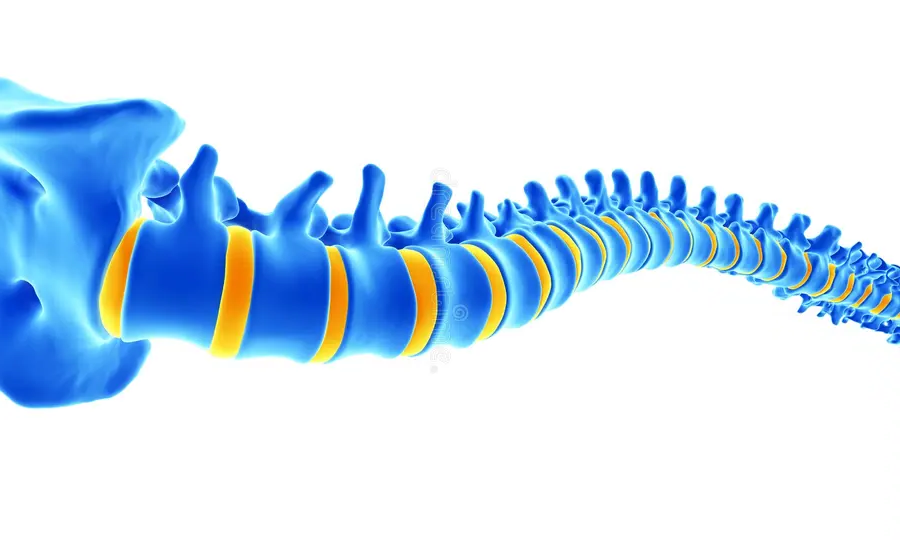
Herniated Discs in Denver: Causes, Symptoms, and Local Treatment Options Exploring the Unique Causes of Headaches in Denver and How Chiropractic Care Provides Relief Herniated discs are one of the most common causes of back, neck, and nerve-related pain. While often associated with aging, herniated discs can affect adults of all ages, especially those with physically demanding jobs, active lifestyles, or poor spinal habits. For residents of Denver, where outdoor activities like hiking, skiing, and cycling are popular, understanding herniated discs, their symptoms, and available treatment options is crucial for maintaining mobility and comfort. This comprehensive guide explores herniated discs, including causes, warning signs, local treatment options, and strategies for recovery and prevention. What Is a Herniated Disc? The spine is composed of vertebrae separated by soft, gel-like discs. These intervertebral discs act as cushions, absorbing shock and allowing flexibility. A herniated disc occurs when the inner gel (nucleus pulposus) protrudes through the outer layer (annulus fibrosus). When the disc material presses on surrounding nerves, it can cause pain, numbness, tingling, or weakness in areas served by the affected nerves. Herniated discs can occur in: Cervical spine (neck) – causing radiating pain into shoulders, arms, and hands Thoracic spine (mid-back) – less common, but may affect chest and mid-back Lumbar spine (lower back) – causing sciatica, leg pain, and numbness Causes of Herniated Discs Several factors contribute to disc herniation, including: 1. Age-Related Degeneration As people age, discs lose hydration and elasticity, making them more prone to herniation. 2. Trauma or Injury Falls, car accidents, sports injuries, or sudden lifting of heavy objects can cause discs to bulge or rupture. 3. Repetitive Stress Jobs or activities involving twisting, bending, or heavy lifting repeatedly place stress on discs, increasing the risk of herniation. 4. Poor Posture Forward-head posture, slouched sitting, and improper lifting techniques strain the spine, contributing to disc injury. 5. Genetic Predisposition Some individuals inherit weaker disc structures, making them more prone to herniation. 6. Smoking Nicotine restricts blood flow to spinal discs, impairing their ability to repair and increasing vulnerability. Symptoms of Herniated Discs Symptoms depend on the location and severity of the herniation. Common signs include: Neck or back pain – localized or radiating Radiating nerve pain – down the arms (cervical herniation) or legs (lumbar herniation) Tingling or “pins and needles” sensations in extremities Numbness in the affected area Muscle weakness – making lifting, gripping, or walking difficult Loss of reflexes or coordination in severe cases In Denver residents, symptoms are often aggravated by outdoor activities, skiing, hiking, or long periods of sitting at a desk. How Herniated Discs Affect Nerve Function Herniated discs can press on spinal nerves, disrupting communication between the brain and body. This pressure can result in: Pain radiating from the neck or back to the shoulders, arms, or legs Weakness in muscles controlled by the compressed nerve Numbness and tingling in hands, arms, feet, or legs Reduced flexibility and mobility Ignoring nerve compression can lead to permanent nerve damage and long-term functional impairment. Diagnosing Herniated Discs Proper diagnosis involves: Detailed medical history and symptom discussion Physical examination to assess flexibility, strength, and neurological function Imaging studies such as X-rays, MRI, or CT scans to confirm disc herniation Early diagnosis is crucial for preventing further nerve damage and chronic pain. Herniated Disc Treatment Options in Denver For residents searching for “herniated disc treatment near me” or “Denver chiropractor for herniated discs,” several conservative and effective treatment options exist before considering surgery. 1. Chiropractic Care Chiropractic adjustments aim to restore proper spinal alignment, reduce nerve compression, and improve mobility. Upper cervical care may relieve neck-related herniation symptoms radiating to the arms. Lower cervical or lumbar adjustments target herniated discs affecting back and leg nerves. Clinics such as Denver Upper Cervical Chiropractic specialize in gentle, precise techniques for herniated disc patients, promoting natural healing and nerve relief. 2. Physical Therapy Customized physical therapy can strengthen supporting muscles, improve posture, and reduce disc stress. Techniques include: Core and spinal stabilization Stretching tight muscles Strengthening weak muscles Nerve mobilization and gliding exercises 3. Lifestyle Modifications Simple adjustments can support disc healing and prevent further herniation: Maintain proper posture while sitting and standing Use ergonomic chairs and desks Avoid prolonged inactivity Engage in low-impact exercises like walking, swimming, or cycling 4. Pain Management For acute flare-ups, temporary interventions may include: Non-steroidal anti-inflammatory drugs (NSAIDs) Heat or cold therapy Activity modification 5. Surgical Intervention Surgery is considered only in severe cases or when conservative care fails, including procedures like: Microdiscectomy Spinal fusion Artificial disc replacement Most herniated discs improve with conservative care and lifestyle management. Preventing Herniated Discs While aging and genetics cannot be changed, steps to reduce the risk of herniated discs include: Strengthening postural and core muscles Maintaining a healthy weight to reduce spinal stress Practicing safe lifting techniques Avoiding smoking Regular stretching and mobility exercises Routine spinal evaluations with a chiropractor or specialist Living with Herniated Discs in Denver Denver residents face unique challenges and opportunities in managing herniated discs: Active lifestyles – skiing, hiking, and cycling can strain discs but strengthen supportive muscles when done correctly Altitude factors – can increase muscle fatigue and tension, requiring mindful activity pacing Access to local care – chiropractic, physical therapy, and rehabilitation specialists understand Denver’s lifestyle demands When to Seek Immediate Medical Attention Seek prompt evaluation if you experience: Sudden loss of strength in limbs Severe numbness or tingling Loss of bladder or bowel control Pain following trauma or accident These may indicate serious nerve or spinal cord involvement requiring urgent care. Long-Term Outlook for Herniated Discs Most herniated discs respond well to early, conservative treatment. Benefits include: Reduced pain and inflammation Improved spinal mobility and posture Relief from radiating nerve symptoms Enhanced quality of life for work, sports, and daily activities Prevention of chronic nerve damage Ignoring herniated disc symptoms can lead to prolonged pain, functional limitations, and permanent nerve damage. Final Thoughts: Protect Your Spine and Nerves Herniated discs are a common but manageable
Degenerative Disc Disease in Denver: Understanding, Managing, and Preventing Chronic Spine Pain
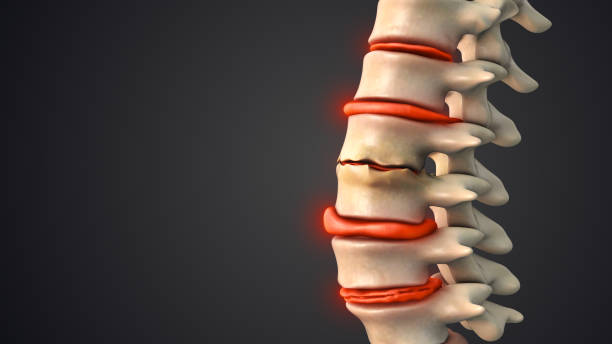
Degenerative Disc Disease in Denver: Understanding, Managing, and Preventing Chronic Spine Pain Exploring the Unique Causes of Headaches in Denver and How Chiropractic Care Provides Relief Degenerative Disc Disease (DDD) is a common condition that affects millions of adults, often leading to chronic neck or back pain, reduced mobility, and discomfort that impacts daily life. While the term may sound alarming, DDD is part of the natural aging process, though lifestyle, posture, and activity levels can accelerate its effects. For residents of Denver, where active outdoor lifestyles meet demanding work schedules, understanding DDD is critical for prevention, early detection, and effective treatment. This comprehensive guide explores the causes, symptoms, treatment options, and local resources for managing Degenerative Disc Disease in Denver. What is Degenerative Disc Disease? Degenerative Disc Disease occurs when one or more of the discs between your vertebrae begin to break down or lose their natural cushioning ability. Spinal discs act as shock absorbers, supporting weight and allowing flexibility. Over time, discs can dry out, flatten, or herniate, leading to nerve irritation, inflammation, and pain. Key facts about DDD include: It commonly affects the cervical (neck) and lumbar (lower back) regions. Severity varies: some people experience mild discomfort, while others develop chronic pain. DDD is often age-related but can be influenced by genetics, injury, or lifestyle. Symptoms of Degenerative Disc Disease DDD symptoms can range from subtle to debilitating. Recognizing them early can prevent further deterioration: Chronic neck or back pain that worsens with movement Pain radiating into the shoulders, arms, hips, or legs Numbness or tingling in extremities due to nerve compression Muscle weakness Reduced flexibility or range of motion Pain that intensifies during prolonged sitting, standing, or bending In Denver residents, symptoms often appear in combination with lifestyle factors such as prolonged computer use, skiing, cycling, or hiking. Causes and Risk Factors Several factors contribute to the development and progression of Degenerative Disc Disease: 1. Natural Aging Discs lose hydration and elasticity over time, reducing their ability to absorb shock and maintain spinal spacing. 2. Genetics Some individuals inherit a predisposition to weaker discs or earlier onset of degeneration. 3. Injury or Trauma Falls, sports injuries, or car accidents can accelerate disc degeneration. Whiplash injuries are particularly impactful on cervical discs. 4. Repetitive Stress Jobs or activities that involve heavy lifting, twisting, or prolonged sitting can strain spinal discs. 5. Poor Posture Forward head posture, slouched sitting, and improper ergonomics increase spinal load, contributing to disc wear over time. 6. Smoking Nicotine reduces blood flow to spinal discs, impairing their ability to repair naturally. How DDD Affects Nerve Function Degenerating discs may lose height or bulge, reducing space for nerves in the spinal canal or foramina. This can lead to nerve compression, which may cause: Radiating pain into the arms, shoulders, or legs Tingling or numbness Muscle weakness Reflex changes in affected limbs Addressing the underlying disc degeneration can reduce nerve irritation and prevent chronic pain patterns. Diagnosing Degenerative Disc Disease Diagnosis typically involves a combination of: Medical history and symptom assessment Physical examination to test flexibility, strength, and neurological function Imaging studies such as X-rays, MRI, or CT scans to visualize disc health Early diagnosis is key to managing DDD before severe degeneration occurs. Degenerative Disc Disease Treatment Options in Denver For residents seeking relief from DDD, several conservative and non-invasive options are available before considering surgery. 1. Chiropractic Care 2. Physical Therapy 3. Lifestyle Modifications 4. Pain Management 5. Surgical Intervention Chiropractic adjustments help restore proper spinal alignment, reduce nerve compression, and improve mobility. Upper cervical care may relieve neck-related symptoms that radiate into the arms. Lumbar and thoracic adjustments can support lower back discs and alleviate sciatic symptoms. Clinics such as Denver Upper Cervical Chiropractic specialize in precise, gentle corrections for DDD patients. Targeted exercises strengthen supporting muscles, improve posture, and reduce disc stress: Core and spinal stabilization Stretching tight muscles Strengthening weakened muscles Nerve mobilization techniques Simple daily changes can slow DDD progression and reduce pain: Maintain proper posture while sitting and standing Use ergonomic chairs and desks Avoid prolonged periods of inactivity Incorporate low-impact exercises like swimming, walking, or cycling For acute flare-ups, doctors may recommend: Non-steroidal anti-inflammatory drugs (NSAIDs) Heat or cold therapy Activity modification Surgery is generally considered a last resort for severe cases, including: Spinal fusion Artificial disc replacement Most patients achieve relief with conservative care before surgical options are necessary. Chiropractic adjustments help restore proper spinal alignment, reduce nerve compression, and improve mobility. Upper cervical care may relieve neck-related symptoms that radiate into the arms. Lumbar and thoracic adjustments can support lower back discs and alleviate sciatic symptoms. Clinics such as Denver Upper Cervical Chiropractic specialize in precise, gentle corrections for DDD patients. Targeted exercises strengthen supporting muscles, improve posture, and reduce disc stress: Core and spinal stabilization Stretching tight muscles Strengthening weakened muscles Nerve mobilization techniques Simple daily changes can slow DDD progression and reduce pain: Maintain proper posture while sitting and standing Use ergonomic chairs and desks Avoid prolonged periods of inactivity Incorporate low-impact exercises like swimming, walking, or cycling For acute flare-ups, doctors may recommend: Non-steroidal anti-inflammatory drugs (NSAIDs) Heat or cold therapy Activity modification Surgery is generally considered a last resort for severe cases, including: Spinal fusion Artificial disc replacement Most patients achieve relief with conservative care before surgical options are necessary. Preventing Further Degeneration While aging cannot be stopped, the progression of DDD can be slowed with preventive measures: Strengthen postural and core muscles Maintain a healthy weight to reduce spinal load Avoid smoking Use proper lifting techniques Practice regular stretching and mobility exercises Schedule routine spinal evaluations When to Seek Professional Care Seek evaluation from a spinal specialist or chiropractor if you experience: Persistent neck or back pain that does not improve with rest Radiating pain, numbness, or tingling Muscle weakness Reduced ability to perform daily tasks Early intervention helps manage symptoms and prevents further degeneration. Living with Degenerative Disc Disease in Denver Residents of Denver face unique challenges and

Arm Pain in Denver: How Nerve Damage from the Neck Radiates and What You Can Do About It
Arm Pain in Denver: How Nerve Damage from the Neck Radiates and What You Can Do About It Exploring the Unique Causes of Headaches in Denver and How Chiropractic Care Provides Relief Persistent pain, tingling, or weakness in your arms can be frustrating, especially when it affects your ability to work, exercise, or enjoy daily activities. While many people assume arm discomfort originates in the arm itself, the truth is that nerve damage in the neck — specifically the cervical spine — is often the hidden culprit. For residents of Denver, understanding this connection is key to effective treatment and long-term relief. If you are searching for arm pain or nerve compression treatment in Denver, this in-depth guide explains the causes, symptoms, and treatment options for nerve-related arm pain. Understanding the Neck-to-Arm Nerve Connection The arms receive nerve signals from the cervical spine, which houses seven vertebrae labeled C1 through C7. Nerves exit the spine at specific levels and form the brachial plexus, which controls sensation and movement in the shoulders, arms, and hands. When a nerve is compressed, irritated, or misaligned in the neck, signals may not transmit correctly, leading to: Pain radiating down the arm Tingling or “pins and needles” sensations Numbness in the fingers or forearm Muscle weakness Burning or stabbing sensations This is often referred to as cervicogenic arm pain, meaning the arm symptoms originate in the cervical spine rather than in the arm itself. Common Causes of Nerve-Related Arm Pain Several factors can lead to nerve compression or irritation in the neck that radiates into the arms: 1. Cervical Spine Misalignment Even minor shifts in vertebrae can compress nerve roots that exit the spine at C5–C8, which directly affect arm function. Misalignments can result from poor posture, trauma, or repetitive strain. 2. Herniated or Bulging Discs Discs in the cervical spine act as cushions. If a disc protrudes outward, it can press on nearby nerves, producing pain, tingling, or weakness that radiates into the arm. 3. Degenerative Disc Disease As discs lose hydration and flexibility over time, nerve passageways can narrow, increasing the risk of compression. 4. Trauma or Whiplash Falls, skiing accidents, cycling crashes, or car collisions may suddenly shift vertebrae or damage soft tissue, leading to nerve compression. 5. Repetitive Stress and Poor Posture Long hours at a desk, frequent smartphone use, or overhead lifting can strain the cervical spine and irritate arm nerves. Symptoms of Nerve Compression Radiating into the Arms Arm discomfort caused by nerve issues in the neck often differs from injuries within the arm itself. Warning signs include: Pain traveling from the neck into the arm Tingling or numbness in the forearm or hand Weak grip or difficulty lifting objects Muscle fatigue during normal tasks Symptoms worsened by neck movement Chronic shoulder or arm stiffness Persistent symptoms that don’t improve with rest, stretching, or over-the-counter pain medication may indicate nerve involvement. How Nerve Compression Affects Arm Function Nerves in the cervical spine control both movement and sensation in the arms. When compressed: Muscle activation may be reduced Coordination may decline Fine motor skills in the hands may be impaired Chronic pain or inflammation may develop If left untreated, severe nerve compression can cause lasting weakness or muscle atrophy in the affected arm. Arm Pain Treatment Options in Denver If you are searching for “arm pain treatment near me” or “Denver chiropractor for nerve compression,” conservative care is usually the first step. 1. Chiropractic Care Chiropractic adjustments aim to restore proper cervical alignment and relieve pressure on affected nerve roots. Upper cervical care focuses on C1 and C2 alignment, indirectly supporting arm function. Lower cervical adjustments (C5–C8) target the nerve roots that directly control the arm. Clinics such as Denver Upper Cervical Chiropractic specialize in precise, gentle techniques that reduce nerve irritation and improve overall arm function. 2. Physical Therapy Targeted exercises strengthen supporting muscles, improve posture, and relieve nerve stress. Common approaches include: Neck and upper back strengthening Core stabilization exercises Shoulder and arm mobility drills Nerve gliding and stretching techniques 3. Ergonomic and Lifestyle Adjustments Small daily changes can significantly reduce cervical strain: Adjust computer monitors to eye level Use chairs with proper lumbar support Avoid prolonged overhead lifting Take regular breaks to move and stretch Prevention of Cervical Nerve-Related Arm Pain Maintaining cervical health and preventing nerve compression is essential for long-term arm function. Strengthen Postural Muscles: Strong neck, shoulder, and upper back muscles stabilize the cervical spine and reduce nerve stress. Maintain Ergonomic Workstations: Proper desk setup reduces repetitive strain on the neck and arm nerves. Stretch Regularly: Gentle neck, shoulder, and arm stretches reduce muscular tension and maintain flexibility. Stay Active: Aerobic and resistance exercises improve circulation, reduce stiffness, and support nerve health. Schedule Routine Evaluations: Periodic spinal check-ups can detect early misalignments before they result in chronic arm pain. When to Seek Immediate Care Seek urgent evaluation if you experience: Sudden loss of strength in the arm or hand Severe numbness or tingling Loss of coordination or fine motor skills Pain following trauma or an accident These symptoms may indicate severe nerve compression or spinal cord involvement. Why Local Denver Care Matters Choosing a local provider ensures: Personalized evaluation and treatment Convenient follow-up visits Providers familiar with Denver’s active lifestyle demands Care tailored to skiing, hiking, cycling, and office work Denver’s altitude, outdoor activities, and active culture can affect posture, fatigue, and cervical spine stress. Local specialists understand these factors when addressing nerve-related arm pain. Long-Term Outlook for Cervical Nerve-Related Arm Pain Most cases of nerve-related arm discomfort respond well to early, conservative care. Long-term benefits of addressing the cervical spine include: Reduced pain and inflammation Improved arm strength and mobility Better posture Enhanced coordination and daily function Prevention of chronic nerve damage Neglecting symptoms can allow nerve compression to worsen, potentially resulting in permanent weakness or reduced range of motion. Final Thoughts: Treat the Neck, Heal the Arms Arm pain is often more than a local problem — it may be a

Shoulder Pain in Denver: When Nerve Damage from the Neck Radiates to Your Shoulders
Shoulder Pain in Denver: When Nerve Damage from the Neck Radiates to Your Shoulders Exploring the Unique Causes of Headaches in Denver and How Chiropractic Care Provides Relief Shoulder pain is one of the most common musculoskeletal complaints, but did you know that it often originates from the neck? Nerve damage or compression in the cervical spine can radiate pain, numbness, or weakness directly into the shoulders, arms, and even hands. For residents of Denver, where active outdoor lifestyles and long office hours coexist, understanding the connection between the neck and shoulders is crucial for prevention, diagnosis, and effective treatment. If you are searching for shoulder pain treatment in Denver or wondering whether your neck is contributing to your shoulder discomfort, this comprehensive guide explains the causes, symptoms, and solutions for shoulder pain linked to nerve damage. Understanding the Shoulder-Neck Connection The shoulder is a complex joint made up of bones, muscles, ligaments, and tendons that allow a wide range of motion. However, the shoulder doesn’t exist in isolation. The nerves supplying the shoulder, including the brachial plexus, originate from the cervical spine — specifically the C5, C6, and C7 nerve roots. When these nerves are compressed, irritated, or misaligned, the symptoms often present as: Pain radiating from the neck to the shoulder Tingling or “pins and needles” in the shoulder or arm Weakness in shoulder muscles Reduced range of motion Burning sensations This condition is often called cervicogenic shoulder pain, meaning the source is in the cervical spine rather than the shoulder itself. Common Causes of Shoulder Pain Radiating from the Neck Several factors can lead to nerve irritation or compression that radiates into the shoulder. 1. Cervical Spine Misalignment Even minor misalignments in the cervical vertebrae (C1–C7) can place pressure on nerve roots that travel to the shoulder. Upper cervical misalignment (C1–C2) can influence posture and muscle balance, indirectly increasing shoulder strain. Lower cervical misalignment (C5–C7) may directly compress nerves that supply shoulder muscles. 2. Herniated or Bulging Discs Discs in the cervical spine act as cushions between vertebrae. A herniated disc can press on a nerve, causing pain to radiate into the shoulder. 3. Degenerative Disc Disease Age-related wear and tear can narrow nerve passageways (foramina), contributing to chronic nerve irritation and shoulder discomfort. 4. Whiplash or Trauma Car accidents or falls can misalign the cervical spine and create sudden nerve compression, often resulting in immediate shoulder pain. 5. Repetitive Stress and Poor Posture Prolonged desk work, smartphone use, and overhead lifting place chronic stress on both the neck and shoulder muscles, increasing the likelihood of nerve irritation. Symptoms to Watch For Shoulder pain caused by nerve damage often presents differently than pain originating directly from the shoulder joint. Key warning signs include: Pain radiating from the neck into the shoulder Tingling or numbness in the upper arm, forearm, or hand Weakness when lifting or rotating the arm Frequent shoulder stiffness that doesn’t respond to stretching Pain that worsens with neck movement Muscle atrophy in chronic cases If these symptoms persist for more than a few weeks, it’s important to seek professional evaluation. How Nerve Compression Causes Shoulder Dysfunction The nerves that supply the shoulder muscles control movement and sensation. When compressed or irritated, these nerves may fail to transmit signals efficiently, leading to: Weakness in rotator cuff muscles Imbalance between shoulder stabilizers Reduced coordination Increased risk of tendon injuries or rotator cuff strain Over time, untreated nerve compression can lead to chronic dysfunction and reduced shoulder mobility. Shoulder Pain Treatment Options in Denver If you are searching for “shoulder pain relief in Denver” or “Denver chiropractor for nerve pain,” conservative care is often the first line of treatment. 1. Chiropractic Care Chiropractic adjustments aim to restore proper cervical spine alignment, reducing pressure on nerve roots. Upper cervical care focuses on C1 and C2 alignment, which can influence shoulder function indirectly. Lower cervical adjustments (C5–C7) may directly relieve nerve compression affecting the shoulder. Clinics such as Denver Upper Cervical Chiropractic specialize in gentle, precise techniques that target nerve-related shoulder pain. 2. Physical Therapy Therapeutic exercises strengthen supporting muscles, improve posture, and relieve nerve stress. Core and upper back strengthening Rotator cuff stabilization Neck mobility exercises Nerve glide techniques 3. Ergonomic and Lifestyle Adjustments Simple changes can significantly reduce shoulder pain related to nerve compression: Adjust desk setup to maintain neutral neck posture Take regular movement breaks Avoid prolonged overhead lifting Use supportive sleeping positions Prevention of Nerve-Related Shoulder Pain Preventing nerve compression and shoulder pain requires ongoing attention to posture, strength, and movement habits. Strengthen Postural Muscles: Strong upper back and neck muscles support the cervical spine and reduce nerve strain. Maintain Ergonomic Workstations: Monitor height, chair support, and keyboard position should promote neutral spinal alignment. Stretch Regularly: Daily neck and shoulder stretches reduce muscle tension and maintain nerve mobility. Stay Active: Aerobic and resistance exercises support overall spinal and shoulder health. Early Evaluation: Routine spinal assessments can detect subtle misalignments before they progress into chronic shoulder issues. When to Seek Immediate Care Seek urgent evaluation if shoulder pain is accompanied by: Severe numbness or weakness in the arm Sudden loss of coordination Inability to lift the arm Pain following a traumatic injury These symptoms may indicate significant nerve or spinal cord involvement. Why Local Shoulder & Nerve Care in Denver Matters Choosing a local provider ensures: Personalized evaluation and treatment plans Convenient follow-up appointments Knowledge of Denver’s active lifestyle demands Care tailored to skiing, hiking, cycling, and office work Denver’s altitude and outdoor activity culture place unique physical stress on the cervical spine and shoulders. Local specialists understand how these factors contribute to nerve-related shoulder pain. Long-Term Outlook for Shoulder Pain from Nerve Damage Most nerve-related shoulder pain responds well to early conservative care. Long-term benefits of treatment include: Reduced pain and inflammation Improved shoulder strength and mobility Enhanced posture Better coordination Prevention of chronic nerve damage Ignoring symptoms can allow nerve compression to worsen, potentially leading to lasting shoulder weakness or reduced range of