

Understanding Upper Cervical Misalignments: Causes, Symptoms, and Natural Correction
Exploring the Unique Causes of Headaches in Denver and How Chiropractic Care Provides Relief
Upper cervical misalignments are a specialized topic within spinal health that focus on the top two vertebrae in the neck. While many people think of back pain when they hear the word “misalignment,” the upper cervical spine plays a uniquely important role in overall body function. Even slight shifts in this region can influence posture, nerve communication, balance, and long-term wellness.
This article explores what upper cervical misalignments are, what causes them, how they affect the body, and how precise corrective care can help restore proper alignment and function.
The Upper Cervical Spine: Why It Matters
The upper cervical spine consists primarily of the first two vertebrae :
- C1 (Atlas): The top vertebra that supports the skull
- C2 (Axis): The vertebra directly beneath the atlas that allows head rotation
Unlike other vertebrae, the atlas does not have a traditional disc above it. It cradles the skull and protects the brainstem, which is responsible for regulating vital body functions such as breathing, heart rate, and balance.
Because of this unique structure, even a small misalignment in the upper cervical region can have widespread effects throughout the nervous system.
What Is an Upper Cervical Misalignment?
An upper cervical misalignment occurs when the atlas (C1) or axis (C2) shifts out of its optimal position. This shift may be extremely subtle—sometimes just millimeters—but it can still interfere with nerve signaling and biomechanics.
When misalignment occurs:
- The head may tilt slightly to one side
- The shoulders and hips may become uneven
- Muscle tension may increase
- The nervous system may function less efficiently
The body often compensates for this imbalance, which can create a chain reaction of stress along the spine.
Symptoms Associated with Upper Cervical Misalignment
Because the upper cervical spine surrounds the brainstem and supports the head, symptoms may extend beyond neck pain.
Common symptoms include:
- Chronic headaches or migraines
- Neck stiffness
- Dizziness or vertigo
- Balance problems
- Shoulder tension
- Jaw discomfort
- Uneven posture
- Lower back pain
Some individuals also report fatigue or difficulty concentrating, potentially linked to nervous system stress.
It’s important to note that symptoms may not appear immediately. In some cases, the body compensates for years before noticeable discomfort develops.
Common Causes of Upper Cervical Misalignments
Upper cervical misalignments typically develop from physical stress, but other factors can contribute.
Sudden forward-and-back motion places intense stress on the neck. Even low-speed collisions can cause the atlas to shift.
Contact sports, falls, or repetitive impacts can disrupt alignment in the upper neck.


A fall—especially one involving the head or shoulders—can create rotational forces in the upper cervical spine.
Chronic forward head posture, often associated with prolonged device use, increases strain on the upper neck. Over time, this can contribute to structural imbalance.
In some cases, difficult deliveries or early childhood falls may influence upper cervical alignment.
How Misalignment Affects the Nervous System
The brainstem, located just above the atlas, acts as a communication highway between the brain and body. When upper cervical alignment is compromised, subtle pressure or tension may influence nerve transmission.
Potential effects include:
- Altered muscle tone
- Postural compensation
- Increased muscular guarding
- Reduced mobility
Because the nervous system coordinates nearly every function in the body, optimizing spinal alignment may support improved overall balance and coordination.
The Body’s Compensation Pattern
When the head shifts off-center due to upper cervical misalignment, the body compensates to keep the eyes level. This compensation may result in:
- Shoulder imbalance
- Pelvic tilt
- Functional leg length differences
- Spinal curvature changes
Over time, these adaptations can contribute to chronic tension and joint stress.
How Upper Cervical Care Differs from General Chiropractic
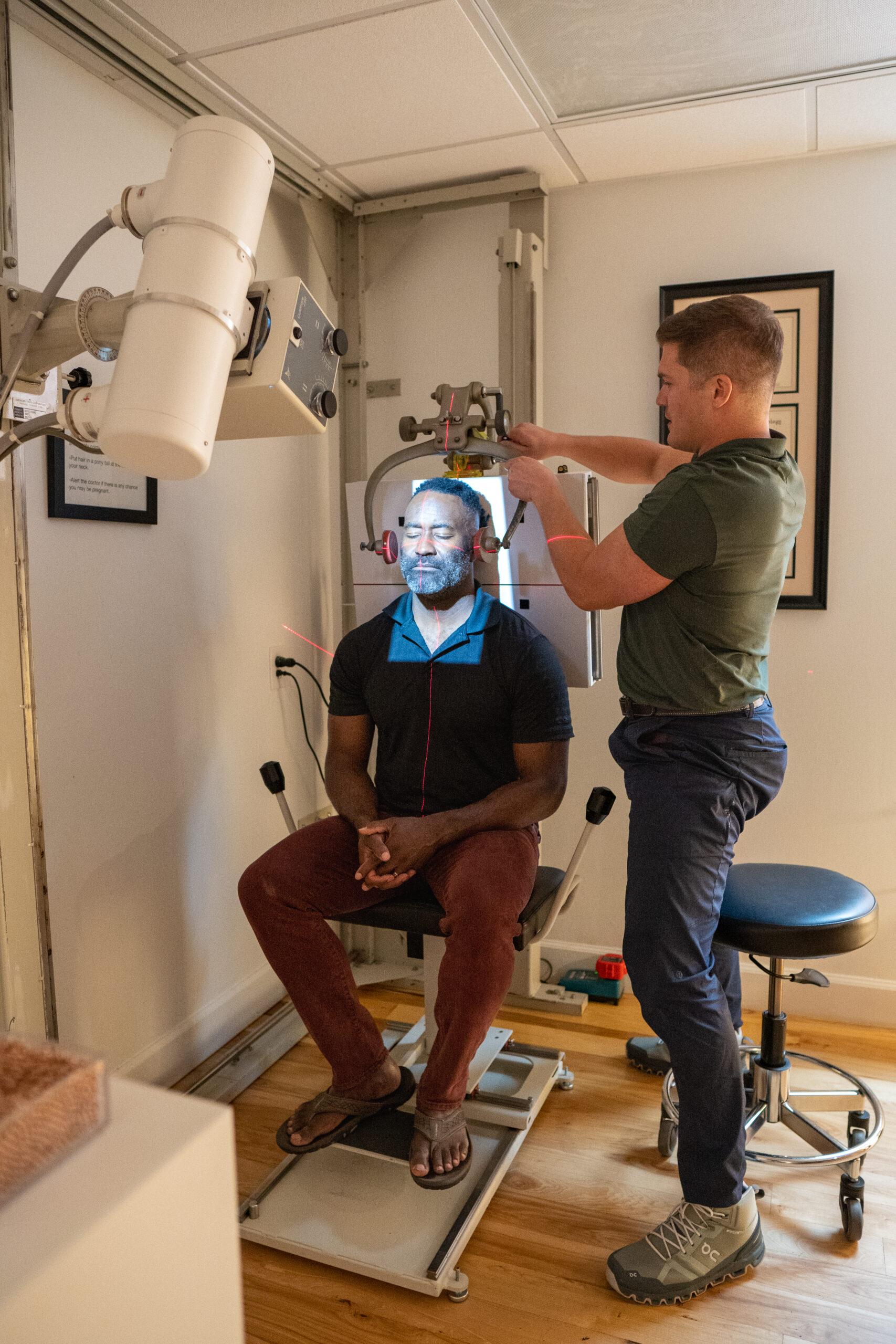
Upper cervical care is a specialized approach focusing specifically on precise correction of C1 and C2. Unlike traditional spinal adjustments that may involve twisting or multiple manipulations, upper cervical corrections are typically:
- Highly specific
- Gentle
- Precise
- Based on detailed imaging or measurements
The goal is not repeated forceful adjustments but restoring alignment and allowing the body to stabilize naturally.
After correction, the body often needs time to adapt. In many cases, fewer adjustments are needed over time as stability improves.
The Correction Process
While each practitioner may use slightly different methods, the process often includes:
Posture analysis, health history, and possibly imaging studies.
Determining the exact direction and degree of misalignment.
A controlled, low-force correction specific to the patient’s anatomy.
Follow-up visits to ensure the alignment holds and the body stabilizes
The Importance of Precision in Spinal Health
The upper cervical region is one of the most delicate and influential areas of the spine. Because it protects the brainstem and supports the skull, proper alignment is essential for neurological integrity and biomechanical balance.
Small corrections in this area can have ripple effects throughout the body. By restoring alignment at the top of the spine, the body may regain improved structural symmetry and functional efficiency.
Benefits of Correcting Upper Cervical Misalignment
While results vary from person to person, potential benefits may include:
- Reduced headaches
- Improved neck mobility
- Better posture
- Decreased muscle tension
- Improved balance
- Enhanced overall well-being
Long-Term Alignment and Maintenance
Correcting misalignment is only part of the solution. Long-term stability requires:
- Good posture habits
- Ergonomic workspace setup
- Regular movement and stretching
- Stress management
- Proper sleep positioning
Building supportive habits helps protect the upper cervical spine from recurring stress.
Who May Benefit from Upper Cervical Evaluation?
Individuals who may consider evaluation include:
- Those with recurring headaches
- People recovering from car accidents
- Individuals experiencing chronic neck tension
- Patients with balance issues
- Those who have not found relief through other treatments
Final Thoughts: Protect the Upper Seven Vertebrae for Lifelong Wellness
Upper cervical misalignments may seem subtle, but their impact can be significant. From posture and balance to headaches and muscular tension, the alignment of the atlas and axis influences how the entire body functions.
Through precise, gentle corrective care and supportive lifestyle habits, many individuals experience improved comfort and stability. Addressing the root cause of misalignment—rather than only managing symptoms—offers a proactive path toward long-term wellness.
If you’ve experienced persistent neck discomfort, recurring headaches, or unexplained imbalance, an upper cervical evaluation may provide valuable insight into your spinal health and overall well-being.
© 2026 Denver Upper Cervical Chiropractic