

Pain Reduction in Denver: How Targeted Care Can Help You Live Better
Exploring the Unique Causes of Headaches in Denver and How Chiropractic Care Provides Relief
If you live in Denver, Colorado, and struggle with chronic aches, stiffness, or sudden pain flares, you’re part of a large group of residents seeking effective ways to reduce pain and regain mobility. Whether the discomfort stems from everyday activity, repetitive strain, old injuries, poor posture, or aging joints, the goal is the same: lasting pain reduction without heavy reliance on medications or invasive procedures.
In Denver’s active, outdoor-oriented lifestyle — with skiing, biking, hiking, running, and long commute days — pain can easily develop in the back, neck, joints, and muscles. Fortunately, there are proven strategies and local healthcare options that focus on restoring function and easing pain sustainably.
In this article, we’ll explore:
- Common causes of chronic pain in Denver residents
- The science of pain reduction
- Practical at-home and lifestyle approaches
- Professional care options in the Denver area
- How to choose the right treatment for you
Let’s dive in.
What Is Pain, Really?
Pain is a signal from the nervous system that something isn’t functioning optimally. Although it’s often associated with tissue damage, pain doesn’t always come from physical injury alone — it can also be triggered by inflammation, nerve irritation, muscle tension, joint stress, or sustained poor posture.
Pain can be:
- Acute — sudden and short-term
- Chronic — lasting weeks, months, or longer
- Recurrent — comes and goes regularly
Understanding the type and source of pain is key to reducing it effectively.
Typical Sources of Pain in Denver Residents
1. Back Pain and Lower Back Strain
Back pain is one of the most common complaints among adults. In Denver, sitting long hours at a desk, driving through rush-hour traffic, or repetitive lifting at work can all contribute to lower back strain.
2. Neck Pain and Headaches
Extended screen time, forward head posture, and improper sleeping positions are frequent culprits behind neck pain and related headaches.
3. Joint Pain (Knees, Shoulders, Hips)
Active lifestyles often mean pressure and wear on weight-bearing joints. From trail runs on Red Rocks to daily urban walking, joint stress is a frequent cause of discomfort.
4. Muscle Tension and Stiffness
Stress, poor posture, and repetitive movements can cause muscle tension — especially in the traps, hamstrings, calves, and forearms.
5. Pain Following Injury
Accidents — whether sports-related, work-related, or slips on icy sidewalks — can leave lingering pain that affects daily life.
The Science of Pain Reduction
To reduce pain effectively, it helps to understand what happens inside the body when pain is present.
Pain involves the nervous system, which includes:
- The brain
- Spinal cord
- Peripheral nerves
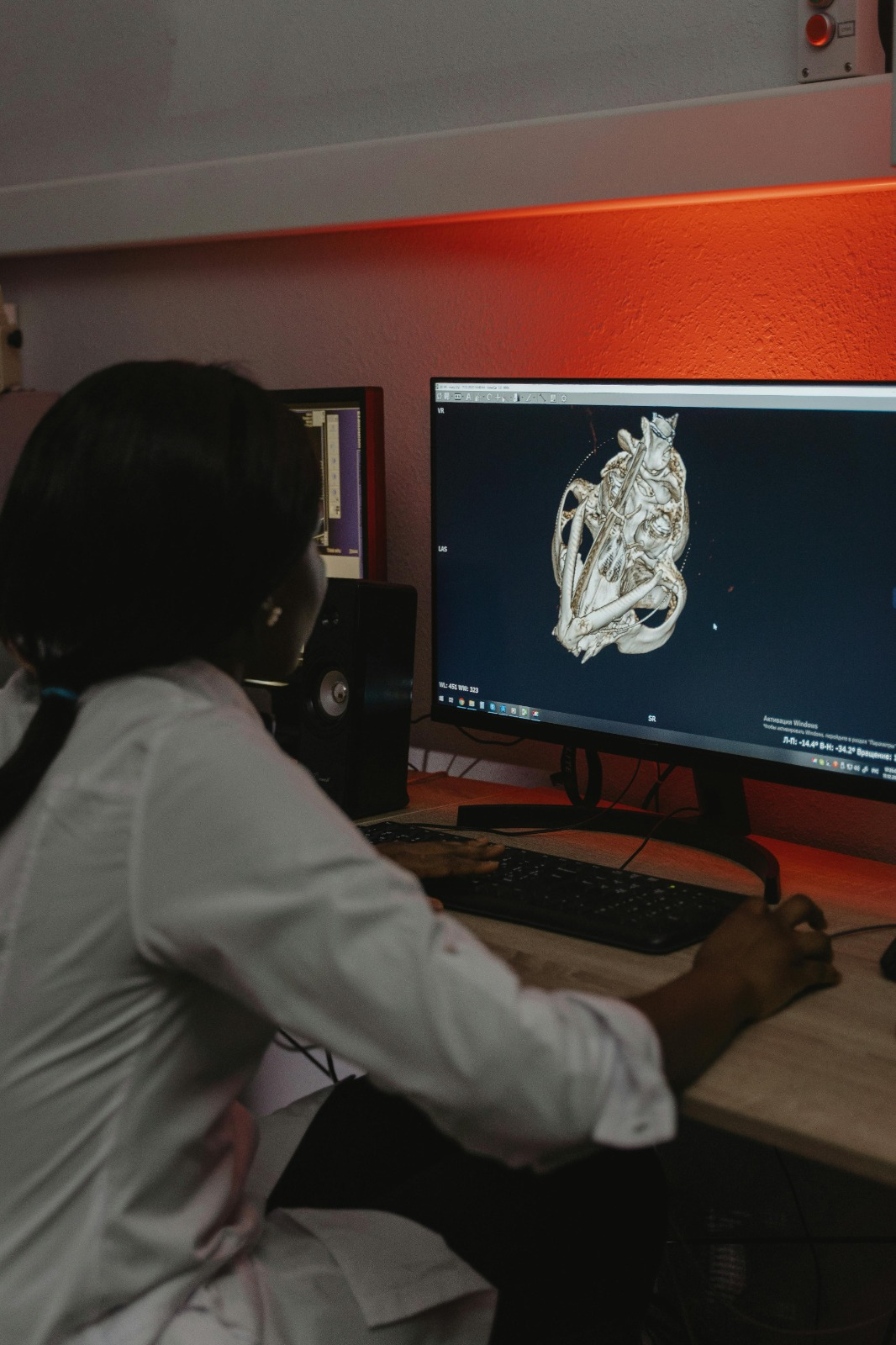
Pain signals travel from the site of irritation (like a joint or muscle) up through nerves to the spinal cord and then the brain. There, the signal is interpreted as pain.
Pain reduction involves:
- Decreasing inflammation
- Reducing nerve irritation
- Improving movement and circulation
- Restoring balanced muscle function
- Supporting healthy biomechanics
Instead of only masking symptoms with medication, the most effective pain reduction approaches address why the pain exists.
Practical Ways to Reduce Pain at Home
While professional care is valuable, many people find significant relief through consistent self-care practices.
Poor posture increases stress on spinal discs and muscles. Stand tall, keep head aligned with shoulders, and avoid slouching.
Daily stretching can reduce muscle tension and increase mobility:
- Hamstring stretch
- Chest opener
- Calf stretch
- Neck release stretches
Long periods of sitting or standing increase pain risk. Take short movement breaks throughout the day.
Heat can relax tight muscles; ice can reduce inflammation after activity.
Water supports joint health and disc hydration — especially important in Denver’s dry climate.
Proper pillows and mattress support help your body regenerate without added strain.
When to See a Doctor
Consult a medical doctor if:
- Pain is severe or sudden
- Pain persists longer than a few weeks
- Pain follows a traumatic injury
- There is numbness, tingling, or weakness
Mixing professional medical assessment with conservative therapies often yields the best pain-reduction outcomes.
Professional Pain Reduction Options in Denver
When pain persists despite self-care, professional intervention can make a profound difference. Below are several local care options that Denver residents commonly turn to for pain reduction:
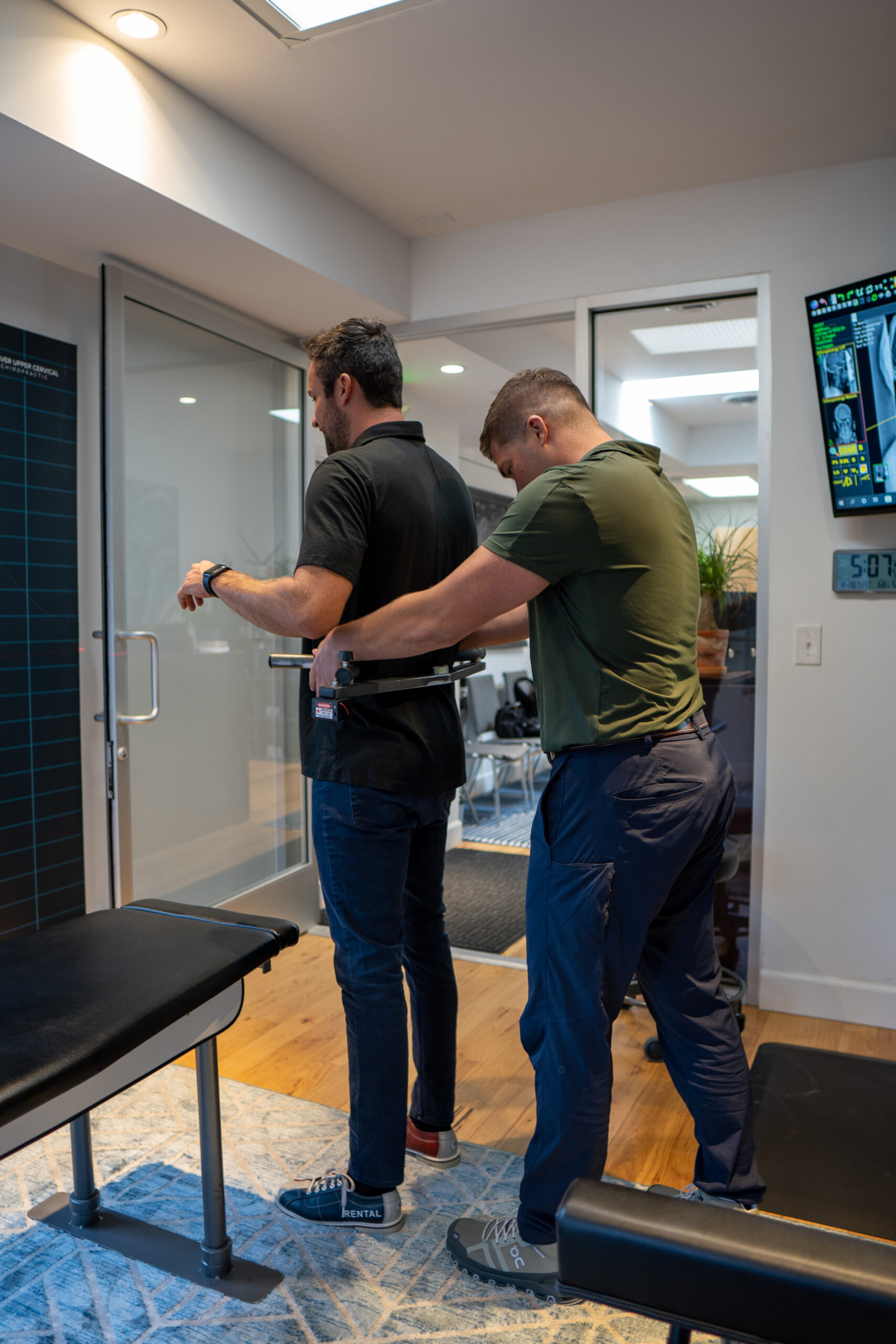
Chiropractors focus on the musculoskeletal system — including joints, spine, and nervous system function. Their goal is to restore proper alignment and movement, which can significantly reduce pain by improving nerve communication and joint mechanics.
Benefits include:
- Relief from back and neck pain
- Reduced nerve irritation
- Improved joint function
- Increased mobility
- Supportive exercise guidance
Chiropractic care is a natural, non-pharmaceutical option that many Denver patients prefer for long-term pain reduction.
Physical therapists develop individualized programs to:
- Strengthen weak muscles
- Correct movement patterns
- Improve flexibility
- Support rehabilitation after injury
PT helps not only reduce pain but also prevent future problems by improving overall function.
Massage therapy increases circulation and reduces muscle tension — which can relieve persistent knots and stiffness that contribute to pain.
Acupuncture — a centuries-old practice — can help relieve pain by stimulating the body’s nervous system and supporting natural pain-relief mechanisms.
Inflammation can play a major role in chronic pain. Nutrition and lifestyle changes guided by a functional medicine practitioner help reduce inflammatory triggers.
Pain Reduction for Different Denver Lifestyles
Pain doesn’t look the same for everyone. Depending on your lifestyle in Denver — whether you’re an athlete, an office worker, a parent, or a retiree — strategies can vary.
Denver’s proximity to mountains, trails, and fitness culture means many active people strain joints and muscles. Pain reduction may focus on:
- Running gait analysis
- Load-balancing across joints
- Recovery strategies
- Activity-specific strength training
Long days at a computer can tighten hip flexors, weaken core muscles, and create neck tension. Pain reduction here often targets:
- Ergonomic workstations
- Frequent mobility breaks
- Postural retraining
- Core stability exercises
As we age, joint wear and inflammation can cause ongoing discomfort. Pain reduction may emphasize:
- Joint-friendly strength training
- Low-impact movement
- Balance and flexibility
- Anti-inflammatory nutrition
Long-Term Pain Reduction: A Sustainable Approach
The most successful pain reduction plans aren’t short-lived. Instead, they prioritize:
- Consistency
- Movement quality
- Strength and flexibility balance
- Healthy lifestyle habits
- Professional guidance when needed
Pain reduction is not just about ending discomfort — it’s about empowering your body to function well now and in the future.
Choosing the Right Pain Reduction Provider in Denver
When selecting a chiropractor, physical therapist, or pain specialist in Denver, look for:
- Professionals with experience working with your specific pain type
- Thorough evaluations (not quick fixes)
- Personalized care plans
- Positive patient reviews
- Clear communication and education
Don’t hesitate to ask questions about techniques, expectations, and how your care will support long-term pain reduction.
Final Thoughts: You Can Reduce Pain and Live Better
Pain doesn’t have to control your life — whether it’s mild daily discomfort or intense chronic pain. With the right combination of self-care, targeted professional support, and pain-reducing habits, Denver residents can enjoy an active, pain-managed lifestyle.
Take the first step today by observing your movement patterns, staying active, and considering professional evaluation if pain persists. With patience and the right strategy, lasting pain reduction is within reach.
© 2026 Denver Upper Cervical Chiropractic