

Injury Treatment in Denver: Causes, Symptoms & Natural Recovery Solutions for Lasting Relief
Exploring the Unique Causes of Headaches in Denver and How Chiropractic Care Provides Relief
Injuries can happen when you least expect them — during a workout, at work, on the slopes, or even while performing simple daily tasks. Whether minor or severe, injuries disrupt routines, limit mobility, and impact overall quality of life. For residents of Denver, where outdoor recreation and active living are part of the culture, fast and effective injury recovery is essential.
If you’re searching for injury treatment in Denver, this comprehensive guide explains common types of injuries, symptoms to watch for, recovery options, and how local care can help you return to full function safely and naturally.
Understanding Injuries: What Happens in the Body?
An injury occurs when tissues in the body — including muscles, ligaments, tendons, bones, or nerves — are damaged due to trauma, overuse, or sudden force. The body responds immediately with inflammation, swelling, and pain to protect the affected area.
While inflammation is part of the natural healing process, improper treatment or ignoring symptoms can delay recovery and increase the risk of chronic pain.
In an active city like Denver, injuries frequently occur during:
- Skiing and snowboarding
- Hiking and trail running
- Cycling
- Strength training
- Workplace lifting
- Auto accidents
- Everyday slips and falls
Because of these varied causes, injury treatment must be personalized.
Common Types of Injuries in Denver
Muscle strains occur when fibers overstretch or tear. They often affect the lower back, hamstrings, shoulders, and neck.
Sprains happen when ligaments are stretched or torn, commonly affecting ankles, knees, and wrists.
Sudden acceleration or deceleration — such as in car accidents — can cause whiplash, leading to neck pain, stiffness, headaches, and reduced mobility.
Athletes and weekend adventurers frequently experience joint strains, tendonitis, and repetitive stress injuries.
Repetitive motion from work or exercise can gradually damage tissues without a single traumatic event.
Symptoms That Shouldn’t Be Ignored
Injury symptoms vary depending on severity and location, but common signs include:
- Swelling
- Bruising
- Sharp or throbbing pain
- Reduced range of motion
- Muscle weakness
- Numbness or tingling
- Joint instability
If pain persists longer than a few days or worsens with activity, professional evaluation is recommended. Early intervention prevents minor injuries from becoming chronic conditions.
The Stages of Injury Healing
Understanding the healing process helps guide proper treatment.
- Inflammation
- Swelling
- Pain
- Limited movement
During this stage, rest and controlled care are critical.
- Tissue repair begins
- Pain gradually decreases
- Gentle movement becomes beneficial
- Tissue strengthens
- Function gradually returns
- Rehabilitation focuses on restoring full strength and flexibility
Skipping or rushing these phases increases the risk of reinjury.
Initial At-Home Injury Care
For many minor injuries, the R.I.C.E. method is effective:
- Rest: Avoid stressing the injured area.
- Ice: Apply cold packs for 15–20 minutes to reduce swelling.
- Compression: Use supportive wraps when appropriate.
- Elevation: Elevate the injured area to minimize swelling.
However, if symptoms persist or if the injury involves the spine, joints, or nervous system, professional care is essential.
Why Professional Injury Treatment in Denver Matters
Searching for “injury treatment near me” connects you with local providers who understand the physical demands unique to Denver residents.
Local injury care offers:
- Personalized assessments
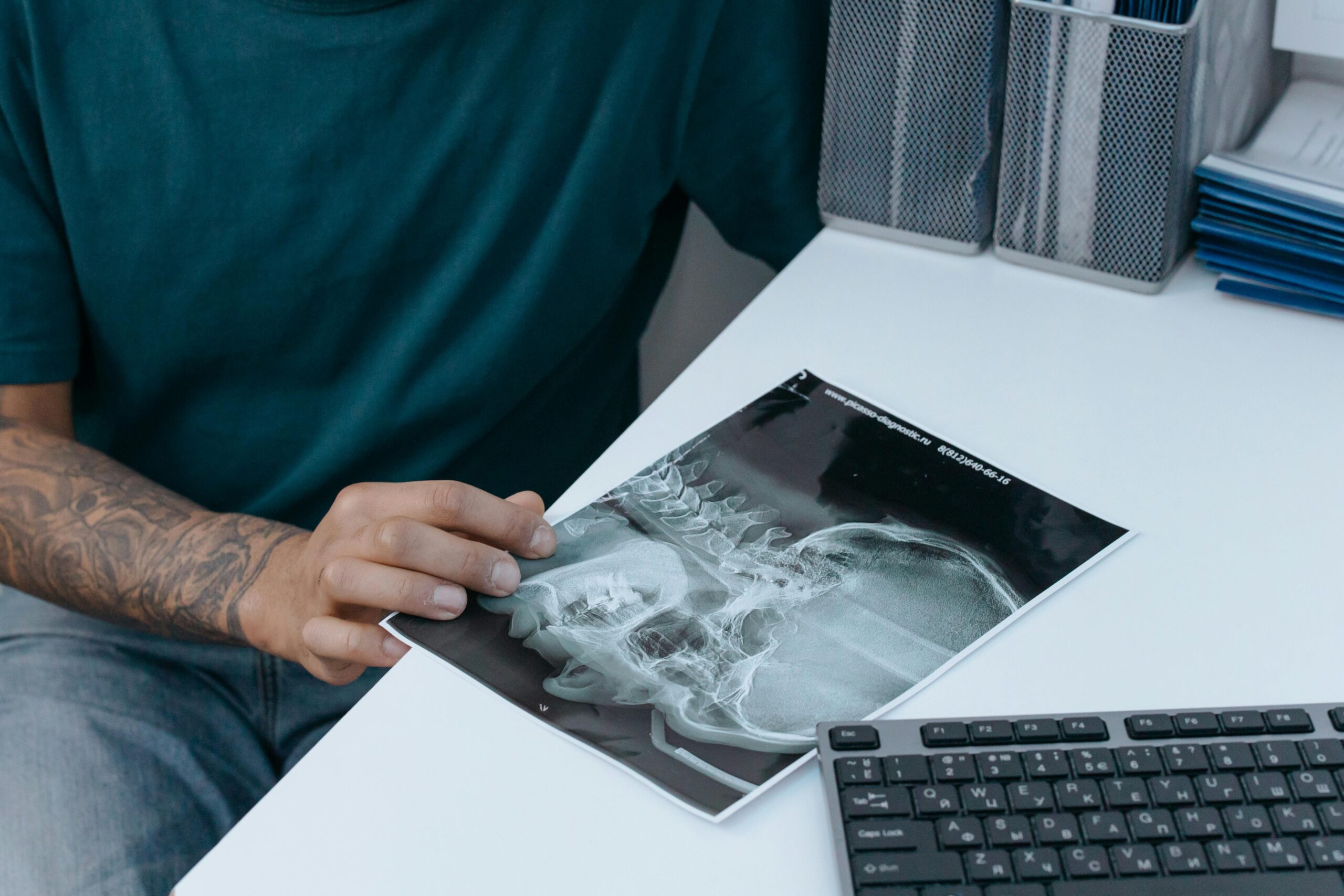
- Access to advanced imaging if needed
- Structured rehabilitation programs
- Ongoing monitoring
- Prevention strategies tailored to active lifestyles
Because Denver’s elevation and terrain contribute to unique injury patterns, working with a provider familiar with local activity trends can improve outcomes.

Chiropractic Care for Injury Recovery
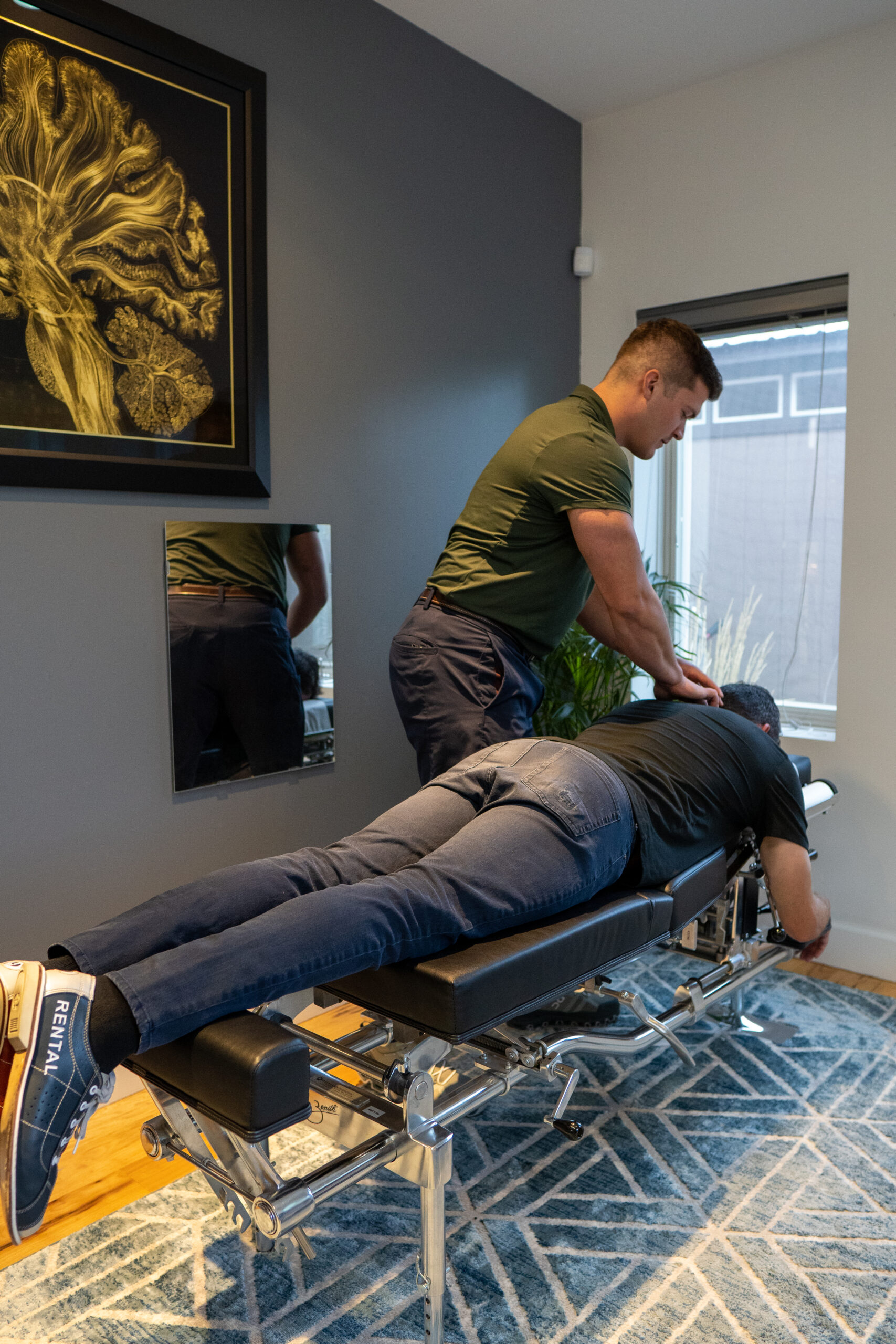
Many individuals seek conservative, non-invasive care for injury recovery. Clinics such as Denver Upper Cervical Chiropractic focus on structural alignment and nervous system function as part of injury rehabilitation.
When joints become misaligned due to trauma, surrounding muscles tighten to compensate. This can prolong pain and limit mobility. Chiropractic evaluation may help:
- Restore proper spinal alignment
- Reduce nerve irritation
- Improve joint mobility
- Support natural healing
- Decrease muscle tension
Upper cervical evaluation specifically examines the alignment of the top vertebrae (C1 and C2), which can influence head position, posture, and muscular balance after injury.
Physical Therapy and Rehabilitation
In moderate to severe injuries, rehabilitation exercises are essential for full recovery. Physical therapy typically includes:
- Range-of-motion exercises
- Strength rebuilding
- Balance and coordination training
- Soft tissue mobilization
- Functional movement correction
Rehabilitation reduces scar tissue formation and restores normal biomechanics, lowering the risk of reinjury.
Auto Accident Injuries in Denver
Car accidents are a leading cause of spinal injuries. Even low-speed collisions can cause:
- Whiplash
- Concussion symptoms
- Back strain
- Shoulder dysfunction
Symptoms sometimes appear days after the incident. Prompt evaluation ensures that hidden injuries are identified before becoming chronic.
If you’ve been involved in an accident in Denver, seeking injury treatment immediately helps document the injury and begin recovery early.
When to Seek Immediate Medical Attention
Certain injuries require urgent medical evaluation:
- Severe swelling or deformity
- Inability to bear weight
- Loss of consciousness
- Persistent numbness or weakness
- Severe spinal pain after trauma
In these cases, emergency care should be prioritized.
The Role of Alignment in Injury Recovery
After trauma, the body often compensates to protect injured tissues. While this is a natural response, compensation patterns can create secondary pain elsewhere.
For example:
- An ankle injury may alter gait and cause hip pain
- A shoulder injury may contribute to neck tension
- A lower back strain may affect posture
Correcting structural imbalances supports full-body recovery.
Sports Injury Prevention Tips
Active Denver residents can reduce injury risk by:
- Warming up properly before activity
- Using appropriate footwear and gear
- Gradually increasing workout intensity
- Maintaining core strength
- Staying hydrated
- Listening to early warning signs of fatigue
Preventative care is just as important as treatment.
Long-Term Effects of Untreated Injuries
Ignoring injuries may lead to:
- Chronic pain
- Reduced flexibility
- Muscle imbalance
- Joint degeneration
- Recurrent injury
- Decreased physical performance
Early treatment often shortens recovery time and improves long-term outcomes.
Injury Treatment in Denver
If you’re searching online for:
- “Denver injury treatment”
- “Sports injury chiropractor Denver”
- "Auto accident injury care in Denver”
- “Back injury treatment near me”
Choosing a trusted local provider ensures personalized care and convenient follow-ups.
Local clinics offer continuity, familiarity with Denver’s active population, and long-term prevention strategies.
Returning to Activity Safely
One of the biggest mistakes people make is returning to activity too soon. Even if pain subsides, tissues may still be healing internally.
Before resuming full activity:
- Ensure full range of motion
- Restore strength to pre-injury levels
- Eliminate swelling
- Correct movement imbalances
Gradual progression reduces the risk of setbacks.
Final Thoughts: Take Control of Your Injury Recovery
Injuries can disrupt your life — but with the right care, most individuals recover fully and return stronger than before. Whether your injury occurred on the ski slopes, hiking trails, in the gym, or at work, early evaluation and personalized treatment make all the difference.
If you live in Denver and are experiencing pain, swelling, limited mobility, or lingering discomfort after an injury, seeking professional injury treatment in Denver can help restore function and prevent long-term complications.
With a combination of conservative care, structural evaluation, rehabilitation, and preventative strategies, you can safely return to the active Colorado lifestyle you enjoy.
© 2026 Denver Upper Cervical Chiropractic