

How Misalignment Can Negatively Impact the Nervous System
The human body’s nervous system is a marvel of biological engineering — a complex communication network that conveys signals from the brain to every cell, organ, and tissue. This system controls movement, sensation, organ function, balance, and even emotional responses. At its core is the spinal column, which protects the spinal cord — the major nerve “superhighway” between the brain and the rest of the body. When spinal alignment is compromised, especially in the upper cervical region (the top of the neck), this delicate communication network can become disrupted, potentially leading to a cascade of health symptoms and dysfunction.
At Denver Upper Cervical Chiropractic, patients regularly report how misalignment negatively impacts the nervous system — and how restoring proper alignment in the upper spine helps reduce interference and promote healing.
In this article, we’ll explore:
- What spinal misalignment is
- How it affects the nervous system
- Specific mechanisms of interruption
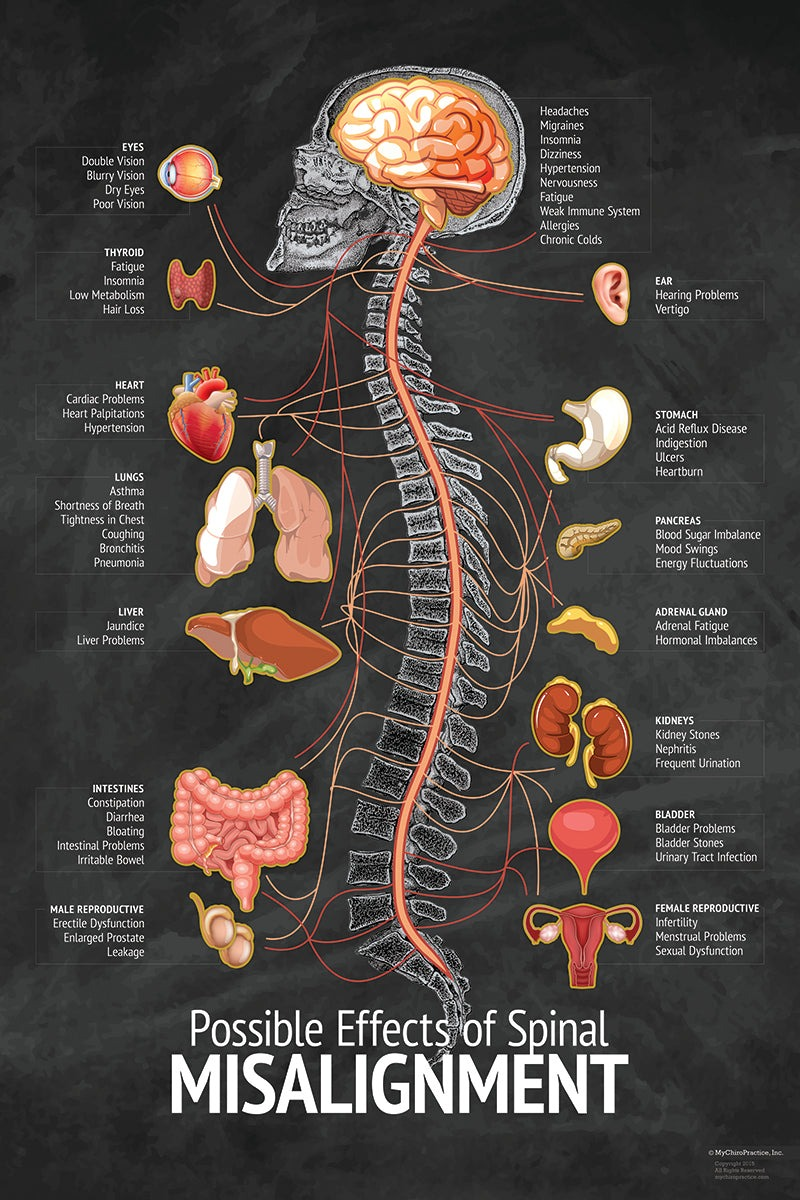
- Symptoms associated with nervous system disruption
- Why the upper cervical spine is especially important
- How upper cervical chiropractic care may help
- Scientific perspectives and controversies
Practical takeaways for health and wellness
1. What Is Spinal Misalignment?
Spinal misalignment — often called subluxation in chiropractic — refers to a vertebra that has shifted out of its ideal position. These shifts can be subtle yet still significant enough to interfere with normal joint motion and neural communication. Misalignments can occur due to:
- Falls, sports injuries, auto accidents
- Repetitive movements or poor posture
- Stress and muscle tension
- Childhood falls or traumatic birth experiences
- Everyday activities that strain the neck and back
When vertebrae are misaligned, it changes the normal spacing and movement of spinal joints. That in turn affects how the spinal cord and exiting spinal nerves function. These nerves carry vital signals from the brain to muscles, organs, and tissues throughout the body. When their pathways are altered, communication becomes less efficient — similar to static or interference on a phone call.
2. Why the Nervous System Depends on Correct Spinal Alignment
The nervous system consists of the central nervous system (brain and spinal cord) and the peripheral nervous system (nerves branching outward). This intricate system depends on clear, unobstructed pathways to transmit electrical impulses that regulate everything from breathing and heartbeat to movement and sensation.
The spinal cord is the physical link between the brain and peripheral nerves. Spinal nerves exit between vertebrae — tiny gaps that are precisely calibrated for protection and freedom of movement. Misalignment can reduce that space or change the relationship between bones and tissues, increasing the chance of irritation or interference with nerve function.
3. How Misalignment Disrupts Nervous System Function
There are several mechanisms by which misalignment can negatively affect the nervous system:
a) Direct Mechanical Interference
Misaligned vertebrae can place pressure or tension on spinal nerves or the spinal cord itself. Even small changes in alignment can alter how nerves exit the spine, potentially distorting or compressing neural tissue. This is especially critical in areas where nerve fibers are densely packed and responsible for vital functions.
b) Interference with Brainstem Pathways
The upper cervical spine — specifically the atlas (C1) and axis (C2) — sits immediately below the skull and surrounds the brainstem, the part of the central nervous system responsible for regulating fundamental functions like respiration, heart rate, digestion, and basic motor patterns. Slight misalignment here can lead to tension or irritation of tissues around the brainstem, potentially disrupting signal transmission in ways that affect body function far beyond the neck.
c) Corticospinal and Proprioceptive Disruption
Proper spinal alignment facilitates accurate proprioception — the nervous system’s sense of body position. Misalignment can skew proprioceptive feedback, affecting balance, coordination, and even reflexive responses. This is one reason misalignment can contribute to symptoms such as dizziness, balance disturbances, or coordination problems.
d) Abnormal Muscle and Soft Tissue Tension
When the spine is misaligned, muscles and connective tissues compensate to maintain balance. This often results in chronic muscle tension, stiffness, and muscular imbalance that feed back into the nervous system as sustained stress signals, further contributing to dysfunctional neural communication.
4. What the Scientific Perspective Says
Scientific research directly linking upper cervical chiropractic adjustments to wide‑ranging nervous system outcomes is still emerging. Some research supports the idea that vertebral misalignments (generally termed “subluxations” in chiropractic) can affect neural pathways and organ function. For example, a review published in PMC describes how misalignments may contribute to dysfunctional nerve signaling, increased sympathetic nervous system arousal, and chronic stress responses that affect overall physiology.
Medical and chiropractic scientists agree that the spine and nerves are interconnected — and that alignment affects how nerves are mechanically protected and how they communicate. However, the degree to which realignment impacts systemic health outcomes continues to be studied in more rigorous clinical research.
5. Why the Upper Cervical Spine Matters More Than Most People Realize
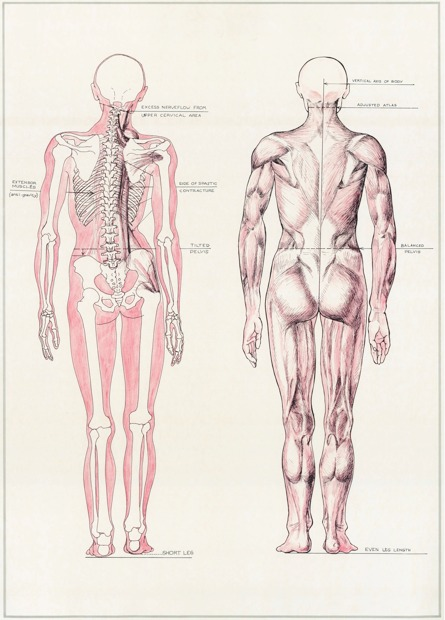
The upper cervical region — the bones at the very top of the spine — plays a disproportionately large role in nervous system function compared to other regions. These vertebrae:
- Are the most mobile in the entire spinal column
- Have relatively little bony interlocking protection
- Surround and protect the brainstem, spinal cord, and vertebral arteries
- Allow critical movement between the head and neck
Misalignment in this region can alter how the skull balances on the neck, placing strain on the spinal cord and nerves. Because the brainstem is such a critical control center — managing breathing, heart rate, digestion, and motor output — even minor disturbances in this area can lead to disproportionate dysfunction.
Denver Upper Cervical Chiropractic notes that patients are often surprised how misalignment can negatively impact the nervous system — and how much realigning the upper spine promotes healing.
6. How Upper Cervical Chiropractic May Help
Upper cervical chiropractic is a specialized approach within the chiropractic profession that focuses on gently correcting misalignments in the top two vertebrae of the spine (C1 and C2). This subspecialty uses precise diagnostics and targeted adjustments to reduce interference on the nervous system.
a) Precise Identification of Misalignment
Practitioners often use advanced imaging like 3‑D digital X‑rays to identify misalignment patterns and how they impact the neural canal and nervous system.
b) Gentle, Targeted Adjustments
Instead of forceful manipulation, upper cervical chiropractors deliver instrument‑assisted, direction‑specific adjustments designed to restore normal alignment with minimal discomfort.
c) Restoring Neural Communication
By aligning the upper cervical vertebrae, the goal is to reduce irritation or pressure on the spinal cord and nerve roots, allowing information to flow more clearly between the brain and body.
d) Broader Functional Improvements
Patients often report not only pain relief but improvements in balance, mood, energy levels, and overall health — outcomes that stem from better nervous system function.
Upper cervical chiropractic care aims to support the body’s natural healing abilities by reducing interference and allowing the nervous system to operate more effectively.
7. Symptoms of Nervous System Dysfunction from Misalignment
When misalignment interferes with nervous system signaling, the effects can be widespread. Symptoms may include:
• Chronic Pain
When spinal nerves are irritated or compressed, pain can occur locally in the neck or back, or radiate elsewhere in the body along nerve pathways (e.g., down the arms or legs).
• Headaches and Migraines
Misalignment in the upper cervical spine is frequently associated with tension‑related headaches and migraines. These headaches can stem from nerve irritation, muscle tension, and altered blood flow.
• Dizziness & Balance Problems
Interference around the brainstem or vestibular pathways can contribute to sensation of dizziness, vertigo, or balance irregularities.
• Muscle Weakness or Fatigue
Disrupted nerve signals can lead to weakness, fatigue, or reduced muscle control. Prolonged misalignment may exacerbate these symptoms.
• Sensory Disturbances
Tingling, numbness, or altered sensation may occur if nerves are irritated or compressed by nearby misaligned vertebrae.
• Brain Fog and Cognitive Symptoms
Some people describe mental cloudiness, difficulty concentrating, or “brain fog,” which may relate to disrupted signaling or compromised function in areas regulated by brainstem and cervical neural networks.
• Autonomic Nervous System Symptoms
Misalignment near the brainstem can affect the autonomic nervous system — responsible for regulating heart rate, digestion, immune responses, and stress reactions. Chronic interference can contribute to symptoms like anxiety, poor digestion, and dysregulated breathing patterns.
8. Practical Insights and Takeaways
Whether you’re experiencing neck pain, headaches, dizziness, or inexplicable fatigue, understanding how spinal alignment affects the nervous system may empower you to seek comprehensive evaluation and treatment. Here are key takeaways:
• Misalignment Is More Than Painful — It Can Disrupt Communication
Even subtle shifts in vertebral alignment can change how nerves fire, how muscles engage, and how organs function.
• The Upper Cervical Spine Is a Critical Zone
Because of its proximity to the brainstem and high degree of mobility, misalignment here can have outsized effects on nervous system function.
• Nervous System Interference Has Many Manifestations
Symptoms aren’t always limited to pain — they can include balance issues, sensory disturbances, cognitive fog, and autonomic dysregulation.
• Chiropractic Care Aims to Reduce Interference
Upper cervical chiropractic emphasizes gentle, precise alignment to help restore intact neural communication.
• Research Is Ongoing but Promising
While more data is needed to fully explain all mechanisms, both clinical observation and emerging research support the connection between spinal misalignment and nervous system function.
Conclusion
The spinal column is more than a structural support — it is a critical gateway for nervous system communication. Misalignment, particularly in the upper cervical spine, can interfere with how nerve signals travel between the brain and body. This interference may contribute to a broad range of symptoms, from pain and mobility issues to balance problems and cognitive complaints.
Upper cervical chiropractic care — with its emphasis on gentle, precise alignment — offers one pathway to reduce interference and help the nervous system function more clearly. While scientific research continues to develop, many patients and practitioners alike report profound improvements in symptoms and overall health when spinal alignment is restored.
Understanding this connection can help you make informed decisions about your care and pursue interventions that support the nervous system — the body’s central command network — rather than just treating symptoms in isolation.
© 2026 Denver Upper Cervical Chiropractic