
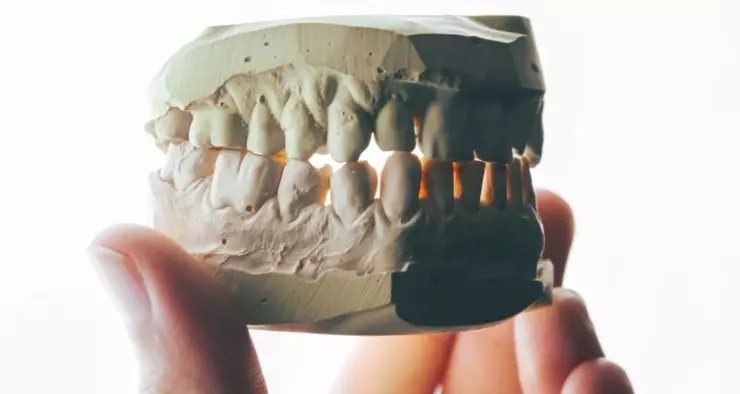
Trigeminal Neuralgia vs TMJ, What Are They? Exploring the Unique Causes of Headaches in Denver and How Chiropractic Care Provides Relief TMJ and trigeminal neuralgia are related conditions that can cause pain throughout your jaw and cheek, but they are not the same. The magnitude of pain for TN is usually much greater than TMJ. Trigeminal neuralgia (TN) is when the trigeminal nerve, which is divided into 3 main branches, is irritated or compressed, resulting in pain on one side of the head. TMJ is a jaw condition that can cause trigeminal compression as well as other painful symptoms. Let’s go over the key differences in more detail below. Trigeminal neuralgia and TMJ can both be treated with targeted chiropractic adjustments of the upper spine. Dr. Ty Cazoli of Denver Upper Cervical Chiropractic has years of experience helping folks like you reverse these painful conditions . Schedule an appointment today! How to Tell the Difference Between TN & TMJ Here’s a quick breakdown of each condition: Trigeminal neuralgia (AKA tic douloureux) is a painful condition in which headaches or upper neck pain emanates from the trigeminal nerve on one side of the face, including the jaw. Trigeminal pain feels like an electric shock throughout one cheek. Blood vessel abnormalities, TMJ, or spine misalignment can lead to irritation of the trigeminal nerve. TMJ — sometimes called TMD — stands for temporomandibular joint disorder. This condition means your jaw joint, which connects the jaw to the skull, is not properly functioning, resulting in a locked jaw or jaw pain. Causes of TMJ include abnormal bite, arthritis of the jaw, teeth grinding, stress, injury, and spinal misalignment . According to David Chen, DDS, the most common cause of TMJ pain is overuse and stress of the jaw (such as what happens when you clench your jaw all night long). Can TMJ feel like trigeminal neuralgia? Yes, TMJ can cause pain that feels like trigeminal neuralgia because TMJ can directly trigger trigeminal nerve irritation. Both conditions can lead to face pain or migraines . However, TMJ causes other symptoms besides trigeminal pain, such as locking and popping of the jaw. Symptoms of Trigeminal Neuralgia Symptoms of TN include: Electric shock-like type of pain on one side of your head Burning sensation in the cheek or jaw Pain duration of a few seconds to several minutes Sudden pain after chewing, smiling, speaking, brushing teeth, or touching your face Can jaw clenching cause trigeminal neuralgia? Yes, jaw clenching is a trigger for trigeminal neuralgia pain. Clenching, a common cause of TMJ disorders, can also irritate the trigeminal nerve. Other triggers for trigeminal neuralgia include touching your face, injury, multiple sclerosis, stroke, or tumor. Symptoms of TMJ Symptoms of TMJ include: Chronic pain in and around your jaw muscles Pain while chewing, swallowing, talking, or yawning Clicking or popping in the jaw Locking of the jaw joint, limited jaw movement Tinnitus (ringing in the ear) Treatment Options for Trigeminal Neuralgia What are the treatments for trigeminal neuralgia ? Below are 7 treatment options for trigeminal neuralgia, including medication, surgery, and alternative therapies. Self-care — Self-care for trigeminal neuralgia mainly involves knowing and avoiding your TN triggers. Triggers may include touching your face, eating on one side of your mouth, and stressful situations. Chiropractic care — Recent case reports show that chiropractic care can help with trigeminal neuralgia. It makes sense since the trigeminal nerve travels through the upper spine , making spinal misalignment a common cause of trigeminal irritation. Upper cervical chiropractors are qualified to address this underlying cause and help reverse TN. Medication — Conventional doctors typically prescribe anticonvulsants or muscle relaxants to block trigeminal pain. The first-line treatment has been carbamazepine for decades, even though it is dangerous for some. This does not treat the root cause of TN but does mask the symptoms. Botox — Your doctor may prescribe botox injections. Botulinum toxin A is a safe, effective treatment for trigeminal neuralgia, with maximum efficacy “noticed between 6 weeks and 3 months after the procedure.” This is a commonly prescribed treatment, but we recommended it as a last resort. Acupuncture — Acupuncture can treat trigeminal neuralgia. This 2021 scientific review concludes that acupuncture is more effective, safer, and less costly than medication- or surgery-based treatment of trigeminal neuralgia. Microvascular decompression — This surgical procedure involves relocating or removing blood vessels that may irritate the trigeminal nerve. During microvascular decompression, your surgeon may place a cushion between the nerve and the blood vessels. It is safe for the elderly. Potential side effects of microvascular decompression include facial numbness or weakness, reduced hearing, or, in very rare cases, a stroke. This is a good option for people who haven’t responded to less invasive treatments, and has MRI evidence that you’re a candidate for this procedure, many TN patients are not. Neurectomy — If other options aren’t working, a neurosurgeon may remove the trigeminal nerve or cut out part of the nerve to eliminate the nerve pain signals. The partial or complete removal of any nerve is called a neurectomy. This is a viable option as well, but is recommended as an absolute last resort. Rhizotomy — Your healthcare provider may recommend a rhizotomy , in which a surgeon destroys nerve fibers to dull the pain. Rhizotomy can be achieved via a glycerol injection into your trigeminal nerve, balloon compression of the nerve, or radiofrequency thermal lesioning (heat damaging). This procedure is recommended as a last resort option. For safe, effective, conservative treatment of trigeminal neuralgia or other headache disorders, try upper cervical chiropractic care today. Our non-invasive treatment methods are based on science and decades of real people getting better. Contact us online or call us at 303-955-8270 . Treatment Options for TMJ How do you treat TMJ ? TMJ treatments include chiropractic care, physical therapy, dental corrective procedures, medications, or surgery. Self-care — Self-care for TMJ disorders involves avoiding triggers of jaw pain, including touching your jaw, opening your mouth wide, or resting your chin on your hand. Soft foods may help you avoid a TMJ episode. If TMJ pain flares up, gently apply an ice pack to your affected area or practice jaw stretches okayed by your healthcare provider. Chiropractic adjustment — Chiropractic care is shown to relieve pain and resolve root causes of TMJ disorders. As little as 1 visit per month may significantly improve

The Neck’s Role in Trigeminal Neuralgia
The Neck’s Role in Trigeminal Neuralgia Exploring the Unique Causes of Headaches in Denver and How Chiropractic Care Provides Relief Neck problems may cause trigeminal pain. Medication can mask the pain, but chiropractic adjustment of the neck can address the root cause of your trigeminal neuralgia . Trigeminal neuralgia is a nervous system disorder that leads to severe head or neck pain that may feel like an electric shock on one side of your head (occasionally both sides). This debilitating pain can be triggered by eating, smiling, or even a strong breeze. If you want help with your trigeminal neuralgia or other neck conditions, schedule your appointment with Denver Upper Cervical Chiropractic today ! What is Trigeminal Neuralgia? Trigeminal neuralgia (TN) is a painful condition where face pain or upper neck pain radiates from one, two, or all three branches of the trigeminal nerve — usually on one side of the face, but potentially on both sides. This nervous system condition results in electric shock-like pain where the brainstem and the C1 vertebra (atlas) meet the fifth cranial nerve, also called the trigeminal nerve. Compression of this nerve leads to trigeminal pain. The trigeminal nerve is a set of several branching cranial nerves each of which control various facial sensations: Ophthalmic nerve (V1): eye, forehead, upper eyelid Maxillary nerve (V2): lower eyelid, cheek, nostril, upper lip, upper gum Mandibular nerve (V3): upper and lower jaw, lower lip, lower gum, certain chewing muscles Trigeminal neuralgia is also known as: TN TGN Tic douloureux Suicide disease Fothergill’s disease Prosopalgia Facial neuralgia Trifacial neuralgia Cranial neuralgia (one of multiple types) Conventional doctors may prescribe medications to mask trigeminal facial pain. However, the side effects are numerous, the drug’s efficacy quickly wanes, and this treatment does nothing to address the root cause. Chiropractors help treat the root cause of trigeminal neuralgia with precise spinal adjustments to actually reverse trigeminal neuralgia. How Neck Problems Cause Trigeminal Neuralgia Various neck problems can lead to trigeminal neuralgia (or other cranial neuralgias ), including a compressed nerve due to spinal misalignment in the neck. Non-neck problems which are common causes of TN include multiple sclerosis, blood vessel dysfunction, certain disorders which damage the nerve’s protective myelin sheath, tumors, or aging. These kinds of TN causes are unlikely to respond to chiropractic care, and should be treated with other methods. If your TN is caused by a neck problem, it is likely to be one of the following. Let’s go over each in a little detail. Compressed Nerve There are multiple ways your trigeminal nerve could get compressed, leading to trigeminal neuralgia: Upper cervical spine misalignment means the vertebrae may be compressing the nerve and result in trigeminal pain. Irritated or abnormally-located blood vessels could compress a nerve in the neck area. Spinal injury could lead to a compressed nerve and TN. Either way, that compressed nerve will greatly impact your quality of life. Chiropractic neck adjustment should relieve the pressure on the compressed nerve and eliminate the root cause of your TN. Cranial Instability Trigeminal neuralgia can be caused by instability of the head, due to upper cervical spinal fracture or overstretching. Cranial instability (or cervical instability ) is when the neck vertebrae can move beyond their typical range of motion. Instability is often caused by ligaments becoming loose or too stretched out. It is sometimes the result of a genetic condition called Ehlers-Danlos syndrome. Cranial instability may irritate the trigeminal nerve since the head and upper neck are moving beyond their typical range of motion, increasing the chance of pinching that nerve and causing TN pain. Decreased Flow of Cerebrospinal Fluid Stasis of the cerebrospinal fluid can greatly impact your health and happens more frequently than many have believed. Misalignment is usually the cause for the decrease in flow rate. The Atlas acts like a pressure valve at the top. If your neck is misaligned, that can disrupt the normal flow. The fluid doesn’t slow on its own in the absence of a misalignment or other physical or physiological issue. Cerebrospinal fluid is a complex substance which is fundamental to the nervous system’s proper functioning. This fluid, which circulates throughout your central nervous system, may be particularly vulnerable to stasis, or inactivity, in the spinal canal. Reduction in the flow rate of cerebrospinal fluid may lead to: Vertebral subluxation, potentially irritating the trigeminal nerve Tension in the spinal cord Limited function of lungs and respiratory system Reduced cranial rhythm (natural expanding and contracting of the skull 8-14 times per minute) Intracranial Hypertension Excess pressure within the skull can lead to trigeminal pain. This can also be caused by decreased cerebrospinal fluid flow. Intracranial hypertension (ICH) and TN seem to be connected, but researchers have concluded ICH could be an independent cause of TN. Idiopathic intracranial hypertension is a build-up of pressure around the brain, which happens suddenly and without any identifiable cause. You are more likely to experience ICH if you experience hypothyroidism or irregular red blood cell count. Women account for 19 out of 20 ICH patients. Read more: TMJ vs. Trigeminal Neuralgia: How To Tell The Difference Determining the Cause of Your Trigeminal Neuralgia Identifying the root cause of your trigeminal neuralgia is critical to determining a precise treatment plan that works for you. A doctor may diagnose whether you have TN by asking about pain triggers, identifying where on your head and neck the pain emanates , or possibly with an MRI. To figure out the exact cause of your trigeminal neuralgia, your healthcare provider may inquire about your personal medical history — searching for times of head or neck injury, or perhaps a family history of certain conditions such as Ehlers-Danlos syndrome. X-rays may be required to examine your upper spine for subluxations or other abnormalities that could be irritating the trigeminal nerve. Treatment Options There are several treatment methods for trigeminal neuralgia. Whereas conventional healthcare providers may prescribe medications to mask the pain, chiropractors aim to address the root cause and reverse your TN. Chiropractic Care Upper cervical chiropractors are highly qualified to address trigeminal neuralgia’s underlying causes and help reverse TN, instead of just masking the pain with expensive drugs that come with crazy side

Trigeminal and Occipital Neuralgia: How To Tell the Difference
Trigeminal and Occipital Neuralgia: How To Tell the Difference Exploring the Unique Causes of Headaches in Denver and How Chiropractic Care Provides Relief Trigeminal neuralgia and occipital neuralgia are both uncommon but severe headache disorders that can often be treated with chiropractic care. Trigeminal neuralgia (TN) is when a compressed trigeminal nerve sends severe pain through your jaw or the side of your face. Touching your cheek, brushing your teeth, and even smiling can trigger TN. Some confuse TN with cluster or migraine headaches , but migraines and cluster headaches do not share the same triggers or treatments. Occipital neuralgia (ON) is when a compressed nerve in the occipital region sends severe pain up the back of your head and neck. Most ON cases occur due to the irritation of the greater occipital nerve, which originates from the 2nd cervical nerve in the back of your upper spine. However, 10% of cases are due to lesser occipital nerve compression. Neuralgias are a relatively recent classification , but more and more people are discovering they have these serious nervous system conditions. They’re often diagnosed as “idiopathic,” meaning there’s no direct cause (such as trauma from a car accident or fall). Even though TN and ON are rare, if you have either, you will want more than anything to get effective treatment. Below, we’ll discuss detailed differences and similarities between trigeminal and occipital neuralgia. If you’re looking for a non-medical, non-surgical treatment that addresses the root cause of these chronic pain conditions, consider upper cervical chiropractic care . What’s the Difference Between Occipital and Trigeminal Neuralgia? The main difference between occipital neuralgia and trigeminal neuralgia is the nerve causing your pain. ON is caused by the inflammation or compression of the occipital nerve, while TN is caused by the inflammation or compression of the trigeminal nerve (the largest cranial nerve). These nerve clusters are in different places around your head and upper spine. (See images below.) More differences between ON and TN include the root causes, symptoms, and treatment options. However, all of these aspects have similarities and differences: Root causes Symptoms Treatments Occipital neuralgia is caused by inflammation or irritation of the occipital nerves, usually due to the greater occipital nerve specifically. TN is caused by inflammation or irritation of the trigeminal nerves. Although both sets of nerves are situated near your upper spine, trigeminal and occipital nerves are different. Secondary Headaches Secondary headaches are caused by an underlying medical condition instead of just an abnormality in your blood vessels. These are less common, but still important to understand. Since it is important to treat the root cause of your headache — not just mask the symptoms — it can be helpful to see all the possible secondary causes laid out for you. Here are the twelve common types of headaches (secondary) you need to understand : Occipital neuralgia typically affects the back of the head and neck, while trigeminal neuralgia often affects one side of the face. TN has been described as the most severe pain one can experience, but ON can also present as severe. Chiropractic care , acupuncture , botox injections , nerve block injections, and a neurectomy can reduce symptoms in both occipital and trigeminal neuralgia. Anti-inflammatories, antidepressants like amitriptyline, and anticonvulsants are common medications for ON, while only anticonvulsants are common for TN. Separate surgeries are employed for ON versus TN, as are different self-care strategies. Occipital neuralgia is caused by inflammation or irritation of the occipital nerves, usually due to the greater occipital nerve specifically. TN is caused by inflammation or irritation of the trigeminal nerves. Although both sets of nerves are situated near your upper spine, trigeminal and occipital nerves are different. Secondary Headaches Secondary headaches are caused by an underlying medical condition instead of just an abnormality in your blood vessels. These are less common, but still important to understand. Since it is important to treat the root cause of your headache — not just mask the symptoms — it can be helpful to see all the possible secondary causes laid out for you. Here are the twelve common types of headaches (secondary) you need to understand : Occipital neuralgia typically affects the back of the head and neck, while trigeminal neuralgia often affects one side of the face. TN has been described as the most severe pain one can experience, but ON can also present as severe. Chiropractic care , acupuncture , botox injections , nerve block injections, and a neurectomy can reduce symptoms in both occipital and trigeminal neuralgia. Anti-inflammatories, antidepressants like amitriptyline, and anticonvulsants are common medications for ON, while only anticonvulsants are common for TN. Separate surgeries are employed for ON versus TN, as are different self-care strategies. Henry Gray (1825–1861). Anatomy of the Human Body. 1918. Trigeminal Neuralgia Symptoms Stabbing pain, typically on one side of the head (though both sides are occasionally impacted) Short bursts of severe pain ( usually lasting seconds , occasionally minutes) Numbness, burning, or tingling in the cheek or jaw Pain triggered by touching the cheek, speaking, or even a strong breeze Occipital Neuralgia Symptoms Brief, paroxysmal pain in the back of the head and neck (could spread to the top of the head ) Long-lasting, dull headache pain Sensitivity to light Sensitivity to touch Treatment Options for Trigeminal and Occipital Neuralgia Although there are different treatment interventions for trigeminal neuralgia versus occipital neuralgia, below are the common treatment options that may address both: Chiropractic care — A qualified chiropractor aligns your spine, which may reverse nerve compression. A misaligned upper spine is a likely cause of your trigeminal or occipital area getting compressed or irritated. Blood vessel (vascular) inflammation may also be triggering occipital or trigeminal pain, but a misaligned upper spine may also be the reason your blood vessels are inflamed. Talk to a chiropractor who specializes in orthospinology about your trigeminal or occipital pain. Acupuncture — It sounds too good to be true, but scientific studies have shown acupuncture is an effective treatment for both TN symptoms and ON symptoms. This is a better option than medication or surgery, but chiropractic care is the only direct treatment for TN and ON root causes. Botox injection — Botulinum toxin A (Botox) has been shown to manage both ON symptoms and TN symptoms. This is not

Can Chiropractic Care Treat Trigeminal Neuralgia?
Can Chiropractic Care Treat Trigeminal Neuralgia? Exploring the Unique Causes of Headaches in Denver and How Chiropractic Care Provides Relief Chiropractic care is a safe, effective treatment for trigeminal neuralgia (TN), an uncommon headache disorder that causes sharp pain on one side of the face. Highly-qualified chiropractors will adjust your upper spine to alleviate nerve pain and reduce your risk of future TN flare-ups. Many cases of TN are caused by upper spinal compression. This is because the upper cervical spine is where the spinal trigeminal tract and nucleus exist. Chiropractic treatment is the most effective way to relieve trigeminal neuralgia pain and improve your quality of life. Pain-free chiropractic adjustment and decompression address the root cause of nerve pain and will never lose effectiveness. Visit an upper cervical chiropractor as soon as possible for chronic pain relief treatment options . Contact us at Denver Upper Cervical Chiropractic or call us at 303-955-8270 . New patients are welcome! What is trigeminal neuralgia? Trigeminal neuralgia (TN) is a painful condition in which headaches or upper neck pain emanates from the trigeminal nerve on one side of the face. TN pain feels like an electric shock or a sharp, stabbing headache throughout one cheek. This nervous system disorder causes intense pain where the brainstem and the C1 vertebra meet the fifth cranial nerve, the trigeminal nerve. Compression of the nerve where it enters the brain causes the nerve to misfire and send pain signals to the brain. The trigeminal nerve is a set of cranial nerves, one that goes to the right side of your head, and the other to the right. Each of these nerves branches into 3 parts that control sensations on different parts of the face (any or all of which can be irritated and lead to TN symptoms): Ophthalmic nerve (V1): Eye, upper eyelid, and forehead Maxillary nerve (V2): Lower eyelid, cheek, nostril, upper lip, and upper gum Mandibular nerve (V3): Jaw, lower lip, lower gum, and some of the chewing muscles Trigeminal neuralgia is also known as: TN TGN Tic douloureux Suicide disease Fothergill’s disease Facial neuralgia Trifacial neuralgia Cranial neuralgia Prosopalgia Conventional doctors often prescribe medication to mask the pain symptoms. The medication comes with a long list of side effects, and the effectiveness of the drug wanes with time. Chiropractors aim to treat the root cause of trigeminal neuralgia with targeted spinal adjustments . Causes & Triggers Conventional medicine has not agreed on a singular cause of trigeminal neuralgia. However, TN pain generally occurs when the trigeminal nerve is somehow compressed or irritated and its protective myelin coating is worn down. Causes of trigeminal neuralgia include: Compression of the trigeminal nerve or spinal cord Upper cervical spinal misalignment Spinal injury, such as whiplash Facial injury Tumor An abnormal tangle of blood vessels Blood vessel compression of the trigeminal nerve Cyst (fluid-filled sac) Multiple sclerosis Trauma after surgery Activities that can trigger TN pain: Touching your face Injury to face Eating Drinking Smiling Talking Brushing your teeth Flossing Strong wind against the cheek Signs & Symptoms Signs and symptoms of trigeminal neuralgia include: Severe, stabbing pain on one side of your head Numbness, burning, or tingling in the cheek or jaw Sudden pain after chewing, talking, smiling, or touching your face Pain duration of a few seconds to several minutes Multiple attacks lasting days, weeks, months, or longer Pain in the cheek , jaw, lips, teeth, gums, eyes, or forehead Chiropractic Care for Trigeminal Neuralgia Relief Upper cervical chiropractic care can relieve trigeminal nerve compression, therefore treating the underlying cause of trigeminal neuralgia. This 2022 case study finds that chiropractic treatment not only treats trigeminal neuralgia, but it can also treat all sorts of low back pain and even Bell’s palsy. Treatment plans may also include prevention strategies, at-home stretches, and even acupuncture (which is actually a scientifically-supported treatment for TN ). Schedule your appointment with Denver Upper Cervical Chiropractic today! Our experts have helped hundreds relieve their pesky headaches and migraine pain — whether medication has failed you or you don’t want to take pharmaceuticals with lots of adverse side effects. Sources: Korabelnikova, E. A., Danilov, A. B., Danilov, A. B., Vorobyeva, Y. D., Latysheva, N. V., & Artemenko, A. R. (2020). Sleep disorders and headache: A review of correlation and mutual influence. Pain and therapy , 9 (2), 411-425. Full text: https://www.ncbi.nlm.nih.gov/pmc/articles/PMC7648824/ Elizagaray-Garcia, I., Beltran-Alacreu, H., Angulo-Díaz, S., Garrigos-Pedron, M., & Gil-Martinez, A. (2020). Chronic primary headache subjects have greater forward head posture than asymptomatic and episodic primary headache sufferers: Systematic review and meta-analysis. Pain medicine , 21 (10), 2465-2480. Full text: https://www.researchgate.net/profile/Ignacio-Elizagaray-Garcia-2/publication/345144818_Chronic_Primary_Headache_Subjects_Have_Greater_Forward_Head_Posture_than_Asymptomatic_and_Episodic_Primary_Headache_Sufferers_Systematic_Review_and_Meta-analysis/links/61c44cd7c99c4b37eb1878af/Chronic-Primary-Headache-Subjects-Have-Greater-Forward-Head-Posture-than-Asymptomatic-and-Episodic-Primary-Headache-Sufferers-Systematic-Review-and-Meta-analysis.pdf Fischer, M. A., & Jan, A. (2019). Medication-overuse headache. Full text: https://www.ncbi.nlm.nih.gov/books/NBK538150/ Jovel, C. E., & Mejía, F. S. (2017). Caffeine and headache: specific remarks. Neurología (English Edition) , 32 (6), 394-398. Full text: https://www.sciencedirect.com/science/article/pii/S2173580817300858 Leung, A. (2020). Addressing chronic persistent headaches after MTBI as a neuropathic pain state. The Journal of Headache and Pain , 21 (1), 77. Full text: https://www.ncbi.nlm.nih.gov/pmc/articles/PMC7304149/ Kaur, A., & Singh, A. (2013). Clinical study of headache in relation to sinusitis and its management. Journal of Medicine and Life , 6 (4), 389. Full text: https://www.ncbi.nlm.nih.gov/pmc/articles/PMC3973877/ Kikkeri, N. S., & Nagalli, S. (2022). Migraine with aura. In StatPearls [Internet]. StatPearls Publishing. Full text: https://www.ncbi.nlm.nih.gov/books/NBK554611/ Ruschel, M. A. P., & De Jesus, O. (2023). Migraine headache. In StatPearls [Internet]. StatPearls Publishing. Full text: https://www.ncbi.nlm.nih.gov/books/NBK560787/ Al Khalili, Y., & Chopra, P. (2020). Hypnic Headache. Full text: https://www.ncbi.nlm.nih.gov/books/NBK557598/ Arca, K. N., & Halker Singh, R. B. (2019). The hypertensive headache: a review. Current pain and headache reports , 23 , 1-8. Full text: https://www.iranheadache.ir/wp-content/uploads/2020/04/The-Hypertensive-Headache-a-Review.pdf Jersey, A. M., & Foster, D. M. (2018). Cerebral aneurysm. Full text: https://www.ncbi.nlm.nih.gov/books/NBK507902/ Vernon, H., Borody, C., Harris, G., Muir, B., Goldin, J., & Dinulos, M. (2015). A randomized pragmatic clinical trial of chiropractic care for headaches with and without a self-acupressure pillow. Journal of manipulative and physiological therapeutics , 38 (9), 637-643. Abstract: https://pubmed.ncbi.nlm.nih.gov/26548737/ Al Khalili, Y., Ly, N., & Murphy, P. B. (2018). Cervicogenic headache. Full text: https://www.ncbi.nlm.nih.gov/books/NBK507862/ Urits, I., Patel, M., Putz, M. E., Monteferrante, N. R., Nguyen, D., An, D., … & Viswanath, O. (2020). Acupuncture and its role in the treatment of migraine headaches. Neurology and therapy , 9 , 375-394. Full text: https://www.ncbi.nlm.nih.gov/pmc/articles/PMC7606388/ Jimenez, M. P., DeVille, N. V., Elliott, E. G., Schiff, J. E., Wilt, G. E., Hart, J. E., & James, P. (2021). Associations between nature exposure and health: a review of the evidence. International Journal of Environmental Research and