

Our Bodies Are Capable of Healing Themselves: How Denver Upper Cervical Chiropractic Supports Natural Wellness Every day, our bodies perform countless tasks without us thinking about them: our hearts pump blood, our lungs oxygenate tissues, and our immune system fights off infections. In essence, our bodies are remarkable self-regulating, self-repairing machines. This incredible ability to heal is innate, but modern lifestyles, stress, injuries, and spinal misalignments can interfere with the body’s natural healing processes. At Denver Upper Cervical Chiropractic, we focus on restoring the conditions necessary for your body to function at its highest potential. By addressing the alignment of the upper cervical spine—the top two vertebrae in your neck—we help remove interference from the nervous system, allowing your body to do what it does best: heal itself. Understanding the Body’s Innate Healing Ability The human body is equipped with a sophisticated network of systems designed to maintain balance and respond to injury or stress. This natural healing process occurs on many levels: Cellular Repair: Cells constantly repair themselves and replace damaged components. Immune Response: The immune system identifies threats, fights infection, and facilitates tissue repair. Nervous System Regulation: The brain and spinal cord coordinate organ function, muscle activity, and the body’s response to stress. Inflammatory Response: Inflammation signals the body to repair damaged tissues and fight pathogens. When these systems work harmoniously, even minor injuries can heal naturally without medical intervention. For example, small cuts, bruises, and muscle strains often resolve on their own because the body has all the resources it needs to repair itself. What Can Interfere with the Body’s Healing? Despite our innate healing ability, modern life can create barriers to recovery: Spinal Misalignment: Misalignments in the upper cervical spine can create nerve interference, affecting communication between the brain and the rest of the body. Chronic Stress: Persistent stress releases hormones like cortisol, which can suppress the immune system and slow recovery. Poor Sleep: Sleep is crucial for tissue repair, cognitive function, and immune regulation. Lack of restorative sleep hinders healing. Inflammation and Toxins: Poor diet, sedentary lifestyle, and environmental toxins can increase inflammation and impede the body’s natural repair processes. Injury or Trauma: Car crashes, falls, or repetitive strain injuries can disrupt the nervous system and musculoskeletal alignment, making healing slower or incomplete. Addressing these factors is essential for creating an environment where the body can fully utilize its self-healing capabilities. The Role of the Nervous System in Healing The nervous system acts as the body’s control center, regulating everything from heart rate to digestion to immune function. Central to this system is the brainstem, which passes through the upper cervical spine (the atlas and axis vertebrae). Even a small misalignment in this area can: Reduce communication between the brain and body Contribute to chronic pain or fatigue Affect immune response Impair balance, coordination, and posture Essentially, if the nervous system cannot function optimally, the body’s natural healing processes may be compromised. How Upper Cervical Chiropractic Supports Self-Healing Upper cervical chiropractic focuses on the precise alignment of the atlas (C1) and axis (C2). These vertebrae protect the brainstem and facilitate communication between the brain and the body. Misalignments can occur due to: Car accidents or whiplash Falls or sports injuries Poor posture or long-term ergonomic strain Repetitive motions or chronic tension Even minor misalignments can create nervous system interference, affecting how your body heals itself. By gently and precisely restoring alignment, upper cervical chiropractic can: Reduce nerve interference and improve communication between the brain and body Support proper posture and musculoskeletal function Enhance blood flow and oxygen delivery to tissues Facilitate better sleep and stress response Allow the body’s natural repair mechanisms to operate more efficiently This approach emphasizes that the body already has what it needs to heal—it just requires the right conditions. Real-Life Examples of the Body Healing Itself Muscle Recovery: After minor strains or overuse, muscles repair themselves by forming new fibers. Adequate nervous system function and circulation accelerate recovery. Joint and Ligament Healing: Ligaments and joints respond to alignment and movement. A properly aligned spine reduces compensatory tension and allows injured tissues to stabilize and strengthen. Immune Response: The body fights infections and inflammation continuously. Nerve interference from upper cervical misalignment can blunt immune efficiency, but correcting alignment allows the body to respond more effectively. Headache Relief: Many headaches are linked to tension or misalignment in the neck. When the upper cervical spine is restored, nerve communication improves, and the body can reduce pain naturally. These examples show that when the nervous system and musculoskeletal system are supported, the body has remarkable self-repair capabilities. Why Restoring Alignment Is Important for Chronic Conditions Even in chronic conditions—like persistent fatigue, migraines, or low back pain—the body retains an innate ability to heal. However, chronic nerve interference or misalignment may prevent full recovery. Addressing these issues through upper cervical chiropractic care can: Reduce chronic stress on muscles and joints Improve blood flow and oxygenation Enhance immune system efficiency Support neurological function for better overall health By restoring alignment, the body is better equipped to respond to treatment, therapy, and lifestyle improvements, effectively leveraging its self-healing potential. The Denver Upper Cervical Chiropractic Approach At Denver Upper Cervical Chiropractic, patient care begins with a thorough assessment to identify upper cervical misalignments. This includes: Detailed health history and evaluation of symptoms Advanced imaging to precisely measure spinal alignment Gentle, precise adjustments tailored to each individual Unlike traditional chiropractic methods, upper cervical adjustments are subtle and targeted, minimizing strain and maximizing long-term results. The goal is not just symptom relief, but supporting the body’s natural ability to heal from the inside out. Supporting the Body’s Healing Beyond Chiropractic Care While upper cervical chiropractic helps optimize the nervous system, self-healing is enhanced when combined with healthy lifestyle practices: Nutrition: A diet rich in anti-inflammatory foods supports tissue repair and immune function. Hydration: Water is essential for cellular function and detoxification. Sleep: Restorative sleep allows the body to repair tissues and regulate hormones. Exercise: Gentle movement and stretching maintain

Car Crash Injuries: How Upper Cervical Chiropractic Care in Denver Can Support Healing and Recovery
Car Crash Injuries: How Upper Cervical Chiropractic Care in Denver Can Support Healing and Recovery A car crash can change your life in a matter of seconds. Even accidents that seem minor at first can lead to lingering pain, stiffness, and neurological symptoms that affect your daily routine. In Denver, where busy highways, changing weather conditions, and heavy traffic increase the risk of motor vehicle accidents, many individuals are left searching for answers long after the initial shock of a crash has faded. At Denver Upper Cervical Chiropractic, car crash recovery is approached with an understanding that injuries are not always immediately visible. Subtle damage to the upper cervical spine can occur during a collision, potentially disrupting the nervous system and contributing to ongoing symptoms. Addressing these hidden injuries early and precisely may play an important role in long-term healing. Why Car Crash Injuries Are Often Overlooked These symptoms are often linked to soft tissue injuries or spinal misalignments that are not always detected through standard imaging.One of the most challenging aspects of recovering from a car crash is that symptoms do not always appear right away. Adrenaline and shock can mask pain in the hours or even days following an accident. Many people walk away believing they are “fine,” only to experience discomfort weeks later. Common delayed symptoms after a car crash include: Neck and shoulder pain Headaches or migraines Dizziness or balance issues Fatigue Brain fog or difficulty concentrating Lower back pain Numbness or tingling The Nervous System’s Role in Post-Accident Symptoms The nervous system controls every function in the body, from movement and sensation to balance and energy levels. When the upper cervical spine is misaligned, it may place stress on the brainstem and surrounding nerves, disrupting communication between the brain and body. This disruption may contribute to post-accident symptoms such as: Chronic headaches Neck stiffness and muscle tension Dizziness or vertigo Sleep disturbances Heightened stress responses These symptoms can persist even after other injuries appear to have healed. Understanding Whiplash and the Upper Cervical Spine One of the most common car crash injuries is whiplash, which occurs when the head is suddenly forced forward and backward. This rapid motion places significant stress on the neck, particularly the upper cervical spine. The atlas (C1) and axis (C2) vertebrae are uniquely shaped to allow for a wide range of head movement. However, this mobility also makes them vulnerable during a collision. Even a low-speed impact can cause subtle misalignments in this area. Because the upper cervical spine protects the brainstem, any misalignment can have widespread effects throughout the body. Why Rest Alone May Not Be Enough After a car crash, rest is often recommended. While rest is important, it may not address structural or neurological issues caused by spinal misalignment. If the upper cervical spine remains out of alignment, the body may continue to compensate, leading to ongoing discomfort or dysfunction. This is why some individuals continue to experience symptoms months or even years after an accident. What Is Upper Cervical Chiropractic Care? Upper cervical chiropractic care is a specialized form of chiropractic that focuses exclusively on the top two vertebrae of the spine. Unlike traditional chiropractic adjustments, upper cervical care is: Gentle and precise Customized to each patient’s anatomy Focused on long-term correction rather than frequent manipulation At Denver Upper Cervical Chiropractic, advanced imaging is used to identify even slight misalignments in the upper cervical spine. Adjustments are carefully calculated and delivered with minimal force, making them suitable for individuals recovering from car crash injuries. How Upper Cervical Chiropractic May Help After a Car Crash Upper cervical chiropractic care does not treat car crash injuries directly, but it may help support the body’s natural healing processes by improving nervous system function. Improved Neck Stability and Comfort Restoring alignment can reduce abnormal stress on neck muscles and ligaments, helping to ease stiffness and tension. Reduced Headaches and Migraines Many post-accident headaches are linked to upper cervical misalignment. Correcting this area may reduce the frequency and intensity of headaches. Better Balance and Coordination By reducing interference in the brainstem, the body may better regulate balance and spatial awareness. Enhanced Sleep and Energy When the nervous system functions more efficiently, patients often report improved sleep quality and energy levels. Long-Term Recovery Support Upper cervical care focuses on maintaining correction, helping to prevent chronic issues from developing years after the accident. The Importance of Early Evaluation After a Car Crash Even if you feel relatively well after an accident, having your upper cervical spine evaluated can be beneficial. Early detection of misalignment may help prevent minor issues from becoming chronic problems. This is especially important for individuals who: Were rear-ended or experienced whiplash Hit their head during the crash Had previous neck injuries Are experiencing delayed symptoms Car Crash Recovery and the Denver Lifestyle Denver residents often rely on physical activity to stay healthy, from hiking and skiing to cycling and yoga. Lingering car crash injuries can interfere with these activities and reduce quality of life. Upper cervical chiropractic care offers a non-invasive, drug-free option for those who want to return to their active lifestyle without relying solely on pain medications. A Whole-Body Approach to Healing Upper cervical chiropractic care works best when combined with supportive lifestyle practices such as: Gentle movement and stretching Proper hydration Stress management Good posture habits Adequate rest By supporting nervous system health, these habits can be more effective in promoting recovery. What to Expect at Denver Upper Cervical Chiropractic Patients recovering from car crash injuries can expect: A comprehensive health history Advanced imaging of the upper cervical spine Gentle, precise adjustments Ongoing monitoring to ensure stability The goal is to help the body heal efficiently while minimizing unnecessary interventions. Is Upper Cervical Chiropractic Right After a Car Crash? If you have been in a car crash—recently or in the past—and continue to experience symptoms, upper cervical chiropractic may be worth considering. This approach looks beyond surface injuries and focuses on
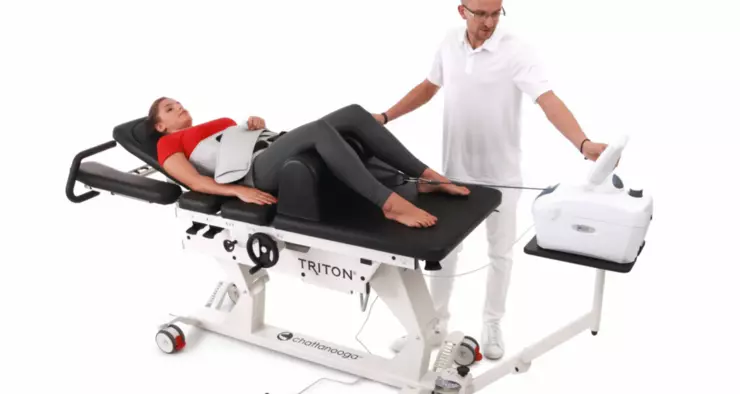
Dizziness: How Upper Cervical Chiropractic Care in Denver May Help Restore Balance and Confidence
Dizziness: How Upper Cervical Chiropractic Care in Denver May Help Restore Balance and Confidence Dizziness can be unsettling, disruptive, and even frightening. For some people, it comes and goes as a mild sensation of lightheadedness. For others, it feels like the room is spinning, the ground is unsteady, or their body is suddenly disconnected from its surroundings. In Denver, where altitude changes, active lifestyles, and stress are common, dizziness affects many individuals seeking answers beyond temporary solutions. At Denver Upper Cervical Chiropractic, dizziness is approached not as an isolated symptom, but as a signal that the body’s balance systems may not be working together as they should. Understanding how the upper cervical spine influences balance and neurological function may help explain why so many people with dizziness find relief through this specialized form of chiropractic care. Understanding Dizziness Dizziness is a broad term used to describe sensations such as: Lightheadedness Feeling faint Loss of balance Disorientation Spinning or vertigo These sensations can occur suddenly or develop gradually over time. Some people experience dizziness occasionally, while others live with it daily. Because balance involves multiple systems in the body, dizziness can be challenging to diagnose and treat. Common Causes of Dizziness Dizziness can arise from a variety of sources, including: Inner ear dysfunction Nervous system imbalance Blood pressure changes Dehydration Medication side effects Head or neck injuries Poor posture While many treatments focus on managing symptoms, they may not always address the underlying cause—especially when the nervous system is involved. The Body’s Balance Systems Balance is maintained through the coordination of three main systems: The vestibular system in the inner ear, which detects movement and spatial orientation The visual system, which provides visual cues about position and motion The nervous system, which integrates information from the inner ear, eyes, and muscles The brainstem plays a crucial role in integrating these signals. When communication between these systems is disrupted, dizziness can occur. The Role of the Upper Cervical Spine The upper cervical spine consists of the atlas (C1) and axis (C2), the top two vertebrae that support the head and protect the brainstem. This area is especially vulnerable to misalignment due to its mobility and the weight of the head. Even a slight misalignment in the upper cervical spine can place stress on the brainstem and nearby nerves. Because the brainstem is responsible for processing balance information, this stress may interfere with the body’s ability to maintain equilibrium. How Upper Cervical Misalignment May Contribute to Dizziness Upper cervical misalignments can result from: Car accidents or whiplash Sports injuries Falls or slips Poor posture Repetitive strain When misalignment occurs, it may affect: Communication between the brain and inner ear Blood flow to balance-related centers of the brain Muscle coordination in the neck and upper body As a result, the body may struggle to accurately interpret movement and position, leading to dizziness or vertigo-like symptoms. What Is Upper Cervical Chiropractic Care? Upper cervical chiropractic is a highly specialized form of chiropractic care that focuses exclusively on the alignment of the atlas and axis vertebrae. Unlike traditional chiropractic techniques, upper cervical care is: Gentle and precise Based on detailed imaging and measurements Designed to promote long-term stability rather than frequent adjustments At Denver Upper Cervical Chiropractic, each patient receives a personalized evaluation to determine whether an upper cervical misalignment is present and how it may be affecting their symptoms. How Upper Cervical Chiropractic May Help with Dizziness Upper cervical chiropractic care does not treat dizziness directly. Instead, it aims to reduce interference in the nervous system so the body can function more effectively. Many patients with dizziness report improvements in both the frequency and intensity of their symptoms. Improved Balance and Coordination By restoring proper alignment, the nervous system may better integrate information from the inner ear, eyes, and muscles. Reduced Nervous System Stress When pressure on the brainstem is reduced, the body may regulate balance and movement more efficiently. Better Neck Function Improved alignment can help neck muscles and joints move more naturally, supporting better head positioning and balance. Enhanced Confidence in Movement As dizziness decreases, many patients feel more secure walking, driving, or engaging in daily activities. Dizziness and the Denver Lifestyle Living in Denver often involves hiking, skiing, biking, and other activities that require good balance and coordination. Dizziness can make these activities difficult or unsafe. Additionally, altitude changes and dehydration can exacerbate balance issues when the nervous system is already under stress. Upper cervical chiropractic care can be especially beneficial for individuals who: Experience dizziness after head or neck injuries Feel unsteady during physical activity Have recurring dizziness with no clear diagnosis Want a natural, drug-free approach A Whole-Body Approach to Managing Dizziness While upper cervical chiropractic care addresses structural and neurological factors, it works best when combined with healthy lifestyle habits such as: Staying hydrated Managing stress Maintaining good posture Getting adequate rest Engaging in gentle movement When the nervous system is balanced, these habits may be more effective in supporting overall health. What to Expect at Denver Upper Cervical Chiropractic Patients seeking help for dizziness can expect a thoughtful and thorough process, including: A detailed health history Advanced imaging of the upper cervical spine Gentle, precise adjustments Ongoing monitoring of alignment and progress The focus is on helping the body maintain correction, not constant manipulation. Is Upper Cervical Chiropractic Right for Dizziness? If dizziness has become a regular part of your life and conventional approaches have not provided lasting relief, upper cervical chiropractic may be worth considering. By addressing alignment at the top of the spine, this approach focuses on the nervous system’s ability to regulate balance naturally. While individual results vary, many patients report meaningful improvements in comfort, stability, and quality of life. Final Thoughts Dizziness can take away confidence and limit independence, but it does not have to be a permanent condition. Understanding the connection between the upper cervical spine and the nervous system opens the door to new possibilities for relief. For individuals in Denver
Muscle Aches: How Upper Cervical Chiropractic Care in Denver Can Support Lasting Relief
Muscle Aches: How Upper Cervical Chiropractic Care in Denver Can Support Lasting Relief Muscle aches are one of the most common reasons people seek healthcare. From dull, persistent soreness to sharp discomfort that limits movement, aching muscles can interfere with daily life in ways that are both frustrating and exhausting. In a city like Denver—where residents balance active lifestyles, demanding careers, and the effects of altitude—muscle pain is an issue many people face regularly. While muscle aches are often treated with stretching, massage, pain relievers, or rest, these approaches may not always address the underlying cause. At Denver Upper Cervical Chiropractic, a different perspective is offered—one that looks at how the alignment of the upper cervical spine may influence muscle tension, balance, and overall body function. Understanding Muscle Aches Muscle aches, also known as myalgia, can affect a single area or the entire body. They may develop suddenly after physical activity or gradually over time without a clear trigger. Some muscle aches are short-lived, while others become chronic and difficult to manage. Common causes of muscle aches include: Physical overuse or repetitive movements Poor posture or ergonomics Stress and tension Dehydration or nutritional imbalances Past injuries or accidents Nervous system dysfunction For many individuals, muscle pain is not just a local issue. Instead, it may be a sign that the body is compensating for an imbalance elsewhere. How Upper Cervical Misalignment May Contribute to Muscle Pain Upper cervical misalignment can occur due to: Car accidents or whiplash injuries Slips and falls Sports injuries Long-term poor posture Repetitive strain When the upper cervical spine is misaligned, the head’s center of gravity shifts. To compensate, muscles throughout the neck, shoulders, back, and even hips may tighten unevenly. This imbalance can place excessive strain on certain muscle groups while weakening others. Over time, this pattern may result in: Chronic neck and shoulder tension Upper and lower back muscle aches Hip and leg discomfort Reduced range of motion Frequent muscle tightness despite stretching Why Muscle Aches Often Persist One of the reasons muscle aches can linger is that muscles rarely act alone. They are part of a complex system involving joints, nerves, and the brain. When communication within this system is disrupted, muscles may remain tight or inflamed even after rest or treatment. Chronic muscle tension often develops as the body attempts to stabilize itself. When alignment is off—particularly in the spine—muscles may contract unevenly to keep the head and body balanced. Over time, this constant tension can lead to soreness, fatigue, and reduced flexibility. This is where the role of the nervous system becomes especially important. The Connection Between Muscle Aches and the Nervous System The nervous system controls muscle contraction, relaxation, and coordination. Signals from the brain travel through the spinal cord and nerves to instruct muscles when to move and when to rest. If these signals are disrupted, muscles may not function as intended. The upper cervical spine, which includes the atlas (C1) and axis (C2), plays a critical role in protecting the brainstem. The brainstem helps regulate muscle tone, posture, balance, and stress responses. Even a slight misalignment in this area can create widespread effects throughout the body. What Is Upper Cervical Chiropractic Care? Upper cervical chiropractic care is a specialized form of chiropractic that focuses exclusively on the top two vertebrae of the spine. Unlike traditional chiropractic methods that may involve frequent or forceful adjustments, upper cervical care is: Highly precise Gentle and controlled Tailored to each individual’s anatomy At Denver Upper Cervical Chiropractic, detailed imaging and assessments are used to identify misalignments in the upper cervical spine. Adjustments are carefully calculated to restore alignment and allow the nervous system to function more efficiently. How Upper Cervical Chiropractic May Help Muscle Aches While upper cervical chiropractic care does not treat muscle aches directly, many patients experience improvements in muscle comfort and function as their nervous system balance improves. Reduced Muscle Tension When spinal alignment is restored, muscles may no longer need to compensate for imbalance. This often leads to reduced tightness and soreness. Improved Posture Correct upper cervical alignment can help the head sit properly over the spine, reducing strain on neck, shoulder, and back muscles. Better Coordination and Balance With improved communication between the brain and body, muscles may work together more efficiently, decreasing overuse and fatigue. Enhanced Recovery By reducing nervous system stress, the body may be better equipped to heal and recover from physical activity or injury. Decreased Reliance on Temporary Solutions Many patients appreciate a natural approach that focuses on long-term correction rather than constant symptom management. Muscle Aches and the Active Denver Lifestyle Denver residents often enjoy hiking, skiing, cycling, yoga, and fitness training. While these activities are beneficial, they can also expose the body to repetitive stress and injury—especially when alignment issues are present. Upper cervical chiropractic care can be particularly helpful for individuals who: Experience muscle aches after exercise Have recurring pain despite stretching or massage Sit for long hours at a desk Have a history of injuries or accidents By addressing the structural and neurological aspects of muscle pain, upper cervical care supports both performance and recovery. A Whole-Body Approach to Muscle Health Upper cervical chiropractic works best as part of a comprehensive approach to wellness. Patients often see the greatest benefits when care is combined with: Proper hydration and nutrition Ergonomic work setups Stress management techniques Gentle movement and stretching Adequate rest and sleep When the nervous system is functioning optimally, these healthy habits can have a more profound and lasting impact. What to Expect at Denver Upper Cervical Chiropractic Patients seeking help for muscle aches can expect a thorough and personalized experience. Care typically includes: A detailed health history Advanced imaging of the upper cervical spine Precise, gentle adjustments Ongoing evaluations to monitor progress The goal is not frequent adjustments, but long-term stability and improved nervous system function. Is Upper Cervical Chiropractic Right for Muscle Aches? If you struggle with muscle aches that seem to return despite treatment,
Chronic Fatigue: How Upper Cervical Chiropractic Care in Denver May Help Restore Energy and Quality of Life
Chronic Fatigue: How Upper Cervical Chiropractic Care in Denver May Help Restore Energy and Quality of Life Exploring the Unique Causes of Headaches in Denver and How Chiropractic Care Provides Relief Chronic fatigue is more than just feeling tired after a long day. For many people, it is a persistent, overwhelming lack of energy that interferes with work, relationships, and everyday activities. In Denver and across Colorado, individuals struggling with chronic fatigue are searching for answers beyond temporary fixes like caffeine, supplements, or sleep medications. At Denver Upper Cervical Chiropractic, a growing number of patients are discovering a different approach—one that focuses on the alignment of the upper cervical spine and its impact on the nervous system. Understanding how chronic fatigue affects the body and how upper cervical chiropractic care may help requires looking deeper than surface symptoms. Fatigue is often a signal that something in the body is not functioning optimally, and the nervous system plays a critical role in regulating energy, sleep, and overall vitality. Understanding Chronic Fatigue Chronic fatigue is commonly described as extreme tiredness that lasts for months or even years and does not improve with rest. Some people are diagnosed with Chronic Fatigue Syndrome (CFS) or Myalgic Encephalomyelitis (ME), while others experience long-term fatigue without a specific diagnosis. Common symptoms associated with chronic fatigue include: Persistent exhaustion not relieved by sleep Brain fog or difficulty concentrating Headaches or migraines Muscle and joint pain Sleep disturbances Sensitivity to light or noise Dizziness or balance issues These symptoms can vary from person to person and may fluctuate in intensity. Many individuals feel frustrated after normal lab tests come back “normal,” leaving them without clear explanations or solutions. Why Chronic Fatigue Can Be So Complex One of the challenges of chronic fatigue is that it rarely has a single cause. Instead, it often results from a combination of factors such as: Nervous system imbalance Poor sleep quality Chronic stress Past injuries or trauma Inflammation Hormonal or immune system dysfunction The nervous system is the control center of the body. When it is under stress or interference, communication between the brain and body can become compromised. This can affect energy production, sleep cycles, immune response, and the body’s ability to recover. This is where upper cervical chiropractic care offers a unique perspective. The Upper Cervical Spine and the Nervous System The upper cervical spine consists of the top two vertebrae in the neck, known as the atlas (C1) and axis (C2). These vertebrae protect the brainstem, a vital part of the nervous system that controls essential functions such as: Sleep regulation Energy levels Heart rate and breathing Balance and coordination Stress response Even a slight misalignment in the upper cervical spine—often caused by accidents, falls, poor posture, or repetitive strain—can place stress on the brainstem and surrounding nerves. This stress may disrupt how signals travel between the brain and body, potentially contributing to symptoms like fatigue, brain fog, and poor sleep. How Upper Cervical Misalignment May Contribute to Chronic Fatigue When the upper cervical spine is misaligned, the body may constantly work harder to compensate. This ongoing effort can drain energy reserves over time. Potential effects of upper cervical misalignment include: Increased nervous system stress Altered blood flow to the brain Disrupted sleep patterns Reduced ability to adapt to physical and emotional stress For someone already dealing with chronic fatigue, these added stressors can make recovery more difficult. Instead of healing and restoring energy, the body remains in a state of imbalance. What Is Upper Cervical Chiropractic Care? Upper cervical chiropractic is a specialized form of chiropractic care that focuses exclusively on the alignment of the atlas and axis vertebrae. Unlike traditional chiropractic adjustments, upper cervical care is: Precise and gentle Customized to each patient’s anatomy Focused on long-term correction rather than frequent adjustments At Denver Upper Cervical Chiropractic, advanced imaging and detailed assessments are used to determine if an upper cervical misalignment is present. Adjustments are carefully calculated and delivered with minimal force, making them suitable for people who may be sensitive or dealing with chronic conditions. How Upper Cervical Chiropractic May Help Chronic Fatigue While upper cervical chiropractic care does not treat chronic fatigue directly, many patients report improvements in symptoms that often accompany fatigue. By reducing interference in the nervous system, the body may function more efficiently and begin to heal itself. Potential benefits patients often experience include: Improved Sleep Quality When nervous system stress is reduced, the body may find it easier to enter deeper, more restorative sleep. Better sleep often leads to improved energy during the day. Reduced Brain Fog Clearer communication between the brain and body may support improved focus, mental clarity, and cognitive function. Increased Energy Levels As the body expends less energy compensating for misalignment, patients often report feeling more balanced and energized. Better Stress Regulation Upper cervical care may help the nervous system respond more appropriately to stress, reducing the “wired but tired” feeling common in chronic fatigue. Improved Overall Well-Being Many patients notice improvements in posture, balance, and comfort, which can contribute to a higher quality of life. Why Choose Upper Cervical Chiropractic in Denver? Denver residents lead active lifestyles, but altitude, stress, old injuries, and long hours at work can take a toll on the body. Upper cervical chiropractic offers a drug-free, non-invasive approach that aligns well with holistic and wellness-focused values. At Denver Upper Cervical Chiropractic, care is centered on: Thorough evaluations Personalized care plans Gentle, precise adjustments Ongoing monitoring to ensure lasting results Rather than masking symptoms, the goal is to help the body function at its highest potential. A Whole-Body Approach to Healing Many patients with chronic fatigue benefit most when upper cervical chiropractic care is combined with healthy lifestyle choices such as: Consistent sleep routines Balanced nutrition Stress management Gentle physical activity Mind-body practices like meditation or breathing exercises Upper cervical care can serve as a foundation, helping the nervous system better adapt to these positive changes. Is