

5 Signs You May Benefit from Upper Cervical Chiropractic Care
Exploring the Unique Causes of Headaches in Denver and How Chiropractic Care Provides Relief
Many people live with chronic pain, headaches, dizziness, or limited mobility without realizing that the root of their symptoms may be related to the upper cervical spine. While occasional discomfort is common, persistent symptoms shouldn’t be ignored. The upper cervical region—the top two vertebrae in your neck—plays a vital role in supporting your head, protecting your brainstem, and maintaining proper communication between your brain and body.
Even a slight misalignment in this area may affect your posture, balance, nervous system function, and overall well-being. That’s why more people in Denver, Colorado, are turning to upper cervical chiropractic care as a gentle, non-invasive approach to improving spinal health.
At Denver Upper Cervical, we specialize in evaluating and correcting upper cervical misalignments using precise, individualized techniques. If you’ve been searching for natural solutions to ongoing discomfort, here are five signs that you may benefit from upper cervical chiropractic care.
What Is Upper Cervical Chiropractic Care?
Upper cervical chiropractic care is a specialized branch of chiropractic focused on the alignment of the atlas (C1) and axis (C2), the two uppermost bones of the spine. These vertebrae surround and protect the brainstem, making their position important for healthy nervous system function.
Unlike traditional chiropractic adjustments that may involve multiple areas of the spine, upper cervical care uses detailed examinations, advanced imaging when needed, and gentle, precise corrections tailored to each patient. The goal is to restore proper alignment, reduce stress on the nervous system, and support the body’s natural healing process.
1. You Experience Frequent Headaches or Migraines
Tension headaches are the most frequently reported type. They often cause a constant, dull ache or pressure around the forehead, temples, or back of the head. Stress, poor posture, muscle tension, and fatigue are common triggers.
Migraine Headaches
Migraines are neurological conditions that often cause intense, throbbing pain on one side of the head. Symptoms may also include:
- Nausea or vomiting
- Sensitivity to light and sound
- Blurred vision
- Dizziness
- Visual disturbances (auras)
Migraine attacks can last from several hours to multiple days and significantly impact daily life.
Cervicogenic Headaches
Cervicogenic headaches originate from problems in the cervical spine, especially the upper neck. Pain often begins at the base of the skull and radiates toward the forehead, temples, or behind the eyes.
These headaches are commonly associated with neck stiffness, reduced mobility, and previous neck injuries.
Cluster Headaches
Cluster headaches are less common but extremely painful. They usually occur in cycles and cause severe pain around one eye, often accompanied by tearing, nasal congestion, or facial sweating.

Common Causes of Headaches
Headaches can develop for many reasons. Some of the most common include:
- Poor posture
- Neck injuries such as whiplash
- Muscle tension
- Stress and anxiety
- Dehydration
- Lack of sleep
- Hormonal changes
- Eye strain
- Upper cervical spinal misalignment
For many individuals, headaches are not caused by a single factor but rather a combination of physical and lifestyle issues.
How Chiropractic Care May Help Reduce Headaches
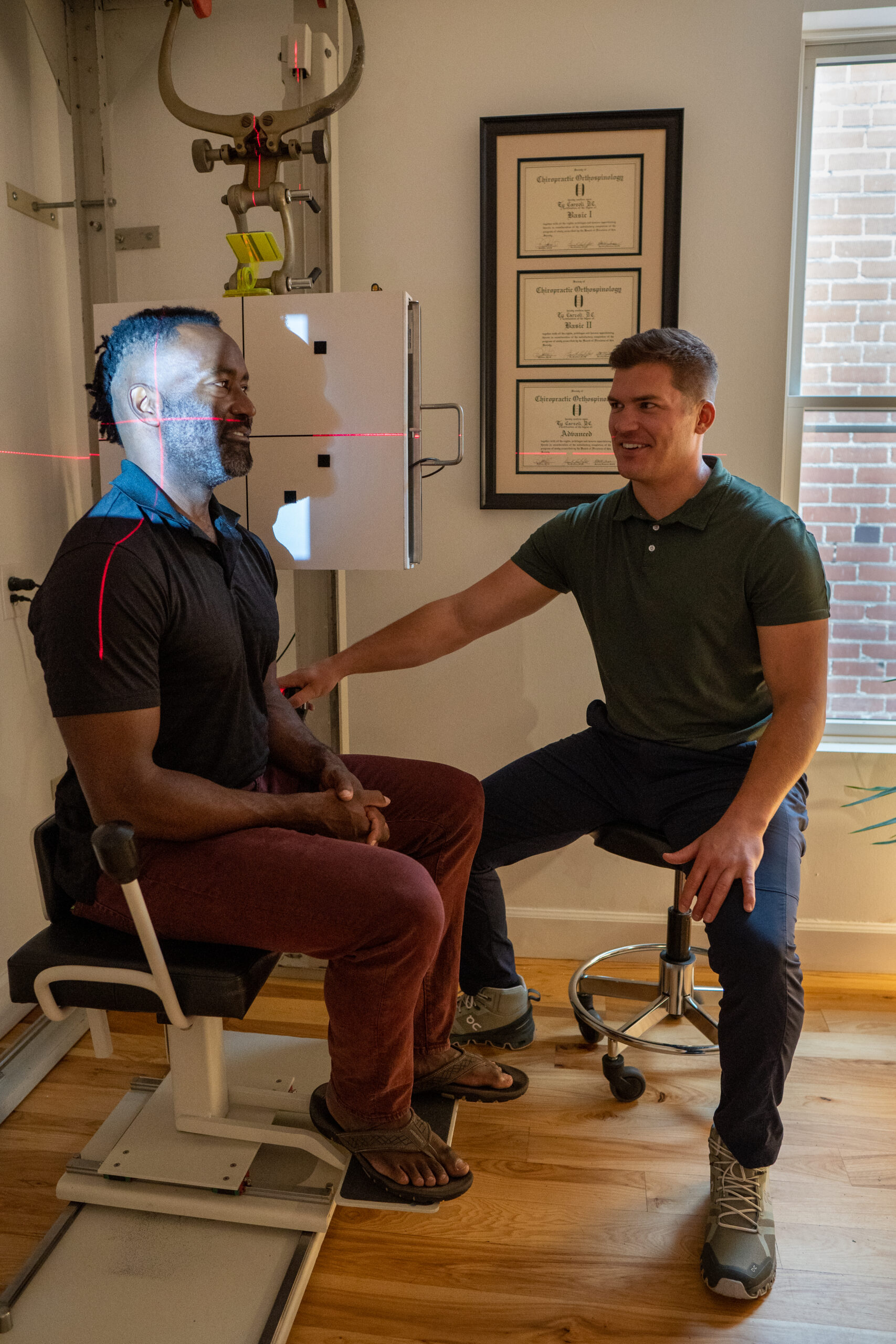
Chiropractic care focuses on improving spinal function and supporting the body’s natural healing abilities. Upper cervical chiropractic care specifically evaluates the alignment of the upper neck using detailed assessments and advanced imaging when appropriate.
Treatment plans are customized based on each patient’s condition and overall health.
Potential benefits of chiropractic care may include:
Improving Spinal Alignment
Gentle upper cervical adjustments aim to restore proper alignment of the cervical spine. Improved spinal mechanics may reduce stress placed on muscles, joints, and surrounding tissues.
Reducing Muscle Tension
Many headaches are linked to tight muscles in the neck and shoulders. Improving spinal function may help decrease muscle tension that contributes to headache pain.
Supporting Healthy Nervous System Function
The upper cervical spine surrounds the brainstem, an essential part of the nervous system. Proper spinal alignment may help support normal communication between the brain and body.
Improving Neck Mobility
Restricted neck movement often accompanies cervicogenic headaches and tension headaches. Chiropractic care may help improve flexibility and range of motion.
Reducing Dependence on Pain Medication
Many patients seek chiropractic care because they want to reduce frequent use of pain medications. While medication may temporarily relieve symptoms, chiropractic care focuses on addressing possible structural contributors to recurring headaches.
The Connection Between the Neck and Headaches
The upper cervical spine consists of the first two vertebrae, known as the atlas (C1) and axis (C2). These bones support the head and help protect the brainstem, which plays a vital role in communication between the brain and the body.
Even small changes in the alignment of the upper cervical spine may affect surrounding muscles, joints, and nerves. This can contribute to neck tension, restricted movement, and headaches in some individuals.
People who have experienced car accidents, sports injuries, falls, or years of poor posture may develop dysfunction in this area that contributes to recurring head pain.
Why Colorado Residents Choose Chiropractic Care
Colorado residents often enjoy active lifestyles that include hiking, skiing, cycling, and outdoor recreation. While these activities promote health, they can also place stress on the neck and spine through falls, repetitive movements, or overuse.
Many individuals choose chiropractic care because it offers a conservative, drug-free approach to managing musculoskeletal conditions. Upper cervical chiropractic care focuses on precision and individualized treatment plans designed to address each patient’s unique needs.
Lifestyle Tips to Help Prevent Headaches
In addition to chiropractic care, healthy daily habits can help reduce headache frequency.
Maintain Good Posture
Keep your ears aligned over your shoulders while sitting and standing. Avoid looking down at phones for extended periods.
Stay Hydrated
Even mild dehydration can trigger headaches in some individuals.
Manage Stress
Relaxation techniques such as deep breathing, meditation, stretching, and regular exercise may help reduce tension headaches.
Improve Sleep Habits
Aim for consistent sleep schedules and use a supportive pillow that keeps your neck in a neutral position.
Exercise Regularly
Regular physical activity improves circulation, reduces muscle tension, and supports overall spinal health.
Frequently Asked Questions
Can chiropractic care help migraines?
Some patients report improvements in migraine frequency or intensity after chiropractic care. Results vary depending on the individual and the underlying cause of their migraines.
Are headaches always caused by neck problems?
No. Headaches may result from many different factors, including stress, dehydration, hormonal changes, sinus issues, or neurological conditions. A professional evaluation can help determine the underlying cause.
Is upper cervical chiropractic care safe?
Upper cervical chiropractic care uses gentle, precise techniques based on a thorough examination. Your chiropractor will determine whether this approach is appropriate for your specific condition.
When should I seek professional care for headaches?
You should seek evaluation if headaches become frequent, severe, interfere with daily life, occur after an injury, or are accompanied by symptoms such as numbness, weakness, confusion, vision changes, or difficulty speaking.
What to Expect During an Upper Cervical Evaluation
Your first visit at Denver Upper Cervical typically includes:
- A detailed health history
- Review of headache symptoms
- Physical examination
- Neurological assessment
- Posture evaluation
- Advanced imaging if necessary
Based on these findings, your chiropractor will determine whether upper cervical chiropractic care is appropriate for your condition.
Why Choose Denver Upper Cervical?
At Denver Upper Cervical, we understand that no two headache cases are alike. Our team performs comprehensive evaluations to determine whether upper cervical dysfunction may be contributing to your symptoms.
Using gentle, precise techniques, we strive to improve spinal alignment, reduce stress on the nervous system, and support your body’s natural healing process. Our patient-centered approach emphasizes personalized care and long-term wellness rather than simply treating symptoms.
Find Natural Headache Relief at Denver Upper Cervical
Recurring headaches don’t have to control your life. If you’re looking for a natural, non-invasive approach to headache management in Denver, Colorado, the team at Denver Upper Cervical is here to help. Through comprehensive evaluations and personalized upper cervical chiropractic care, we aim to identify the underlying cause of your symptoms and support lasting relief. Contact our office today to schedule a consultation and learn whether chiropractic care may be right for you.
© 2026 Denver Upper Cervical Chiropractic