

Chronic Neck Pain: Common Causes and When to See an Upper Cervical Chiropractor
Exploring the Unique Causes of Headaches in Denver and How Chiropractic Care Provides Relief
Neck pain is one of the most common musculoskeletal complaints among adults. Whether it develops gradually from years of poor posture or appears suddenly after an accident, chronic neck pain can interfere with nearly every aspect of daily life. It may make it difficult to work, sleep, exercise, or even perform simple tasks like driving or looking over your shoulder.
While many people rely on pain medications or temporary treatments to manage symptoms, these approaches often fail to address the underlying cause. For individuals experiencing ongoing discomfort, an evaluation by an upper cervical chiropractor may provide another conservative treatment option focused on spinal alignment and nervous system function.
In this article, we’ll explore the most common causes of chronic neck pain, warning signs that shouldn’t be ignored, and when it may be appropriate to consult an upper cervical chiropractor.
What Is Chronic Neck Pain?
Neck pain is generally considered chronic when it lasts for more than 12 weeks, even after the initial injury or irritation has healed. Unlike acute neck pain, which usually resolves within a few days or weeks, chronic pain often fluctuates in intensity and may become a recurring problem.
Symptoms can include:
- Persistent stiffness
- Reduced range of motion
- Frequent headaches
- Muscle tightness or spasms
- Tingling or numbness in the arms or hands
- Pain that worsens after sitting or working at a computer
Because the neck supports the weight of the head while protecting the upper portion of the spinal cord, even small mechanical problems can have a significant impact on comfort and mobility.
Common Causes of Chronic Neck Pain
1. Poor Posture
Modern lifestyles often involve hours spent looking at computers, tablets, and smartphones. This forward-head posture places additional stress on the cervical spine and surrounding muscles.
Over time, poor posture can lead to:
- Muscle fatigue
- Joint irritation
- Ligament strain
- Chronic stiffness
- Headaches
Improving workstation ergonomics and taking regular movement breaks can help reduce this strain.
2. Whiplash and Auto Accidents
Even low-speed vehicle collisions can cause injuries to the muscles, ligaments, and joints of the neck.
Some people recover quickly, while others continue experiencing symptoms for months or even years, including:
- Neck pain
- Dizziness
- Headaches
- Reduced mobility
- Shoulder pain
An unresolved injury may alter the normal mechanics of the upper cervical spine.
3. Degenerative Changes
As we age, the discs and joints of the cervical spine naturally undergo wear and tear.
Common age-related conditions include:
- Cervical osteoarthritis
- Degenerative disc disease
- Bone spurs
- Facet joint degeneration
These changes can contribute to chronic pain, stiffness, and nerve irritation.
4. Stress and Muscle Tension
Emotional stress frequently manifests as physical tension, particularly in the neck and shoulders.
People under chronic stress may unknowingly tighten their muscles throughout the day, leading to:
- Muscle knots
- Limited movement
- Tension headaches
- Ongoing soreness
Addressing both physical and lifestyle factors often produces better long-term outcomes.
5. Repetitive Activities
Jobs or hobbies involving repetitive neck movements can overload the muscles and joints over time.
Examples include:
- Office work
- Construction
- Hair styling
- Dentistry
- Driving
- Assembly line work
Without proper recovery, repetitive strain can eventually become chronic.
6. Herniated Discs or Pinched Nerves
The cervical discs act as cushions between the vertebrae. When a disc bulges or herniates, it can compress nearby nerves.
Symptoms may include:
- Sharp neck pain
- Pain radiating into the arm
- Tingling
- Numbness
- Muscle weakness
These symptoms should always be evaluated by a healthcare professional.

How the Upper Cervical Spine Influences Neck Pain
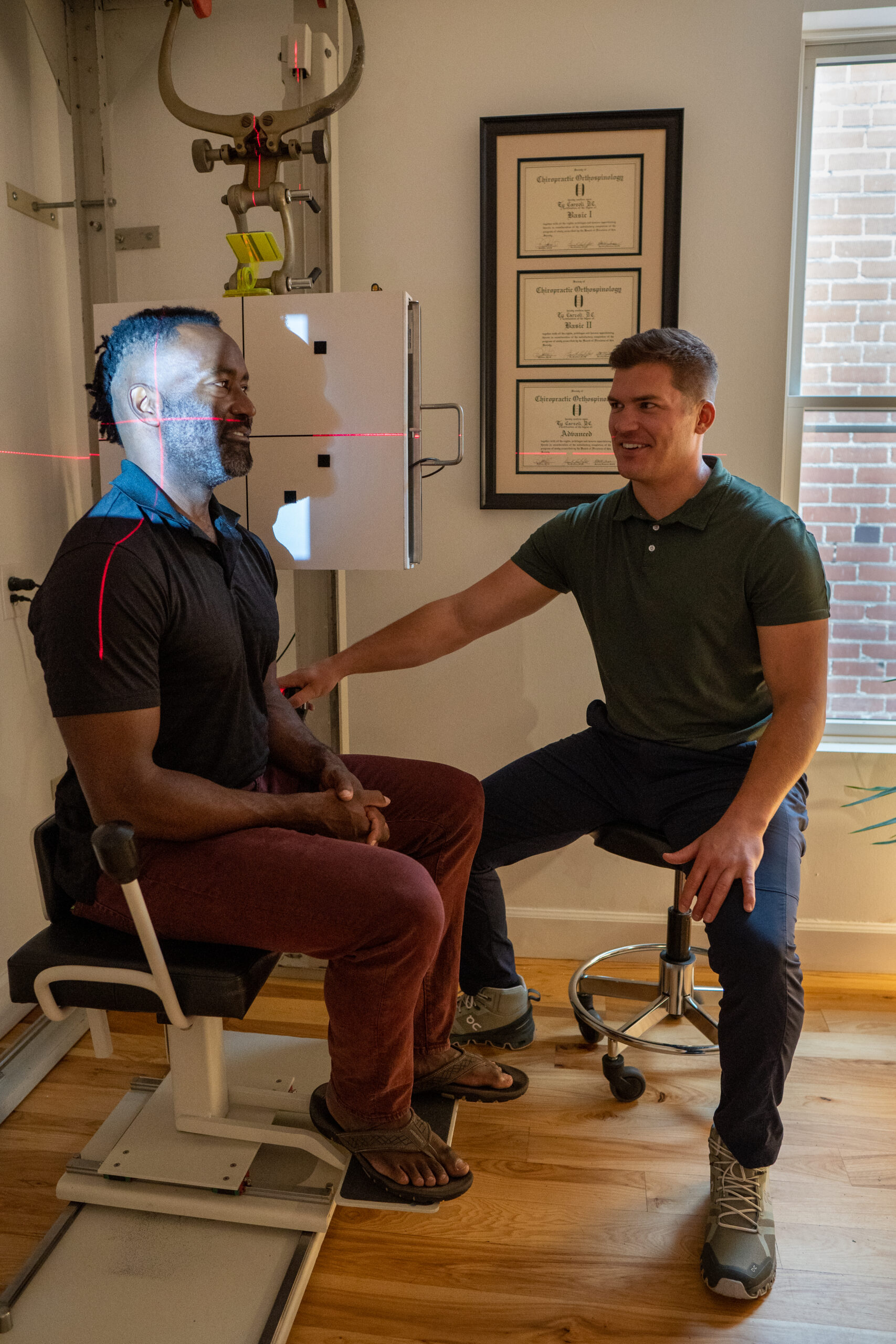
The upper cervical spine consists primarily of the first two vertebrae—the atlas (C1) and axis (C2). These vertebrae support the head while allowing a wide range of movement.
Upper cervical chiropractic focuses specifically on this region using precise, gentle adjustments designed to improve spinal alignment without forceful twisting or cracking. Many practitioners use detailed imaging and individualized assessments to determine whether upper cervical dysfunction may be contributing to a patient’s symptoms. This approach aims to restore proper joint mechanics and reduce stress on surrounding muscles and nerves rather than simply masking pain. Treatment plans are typically customized after a comprehensive evaluation that may include physical, neurological, and imaging assessments.
When Should You See an Upper Cervical Chiropractor?
While occasional neck stiffness often resolves with rest and self-care, certain situations may warrant a professional evaluation.
Consider scheduling an assessment if you experience:
Pain Lasting More Than Several Weeks
Persistent neck pain that doesn’t improve despite rest, stretching, or over-the-counter medications may indicate an underlying mechanical issue.
Recurring Headaches
Many chronic headaches originate from structures in the neck. If headaches frequently accompany neck stiffness or pain, a thorough evaluation may help identify contributing factors.
Reduced Range of Motion
Difficulty turning your head while driving or looking up and down comfortably can affect daily activities and quality of life.
Symptoms After an Accident
Even if symptoms appear mild initially, injuries from car accidents or falls can have lasting effects on spinal function.
Pain Radiating into the Shoulders or Arms
Radiating pain, numbness, or tingling may suggest nerve involvement and should be evaluated promptly.
Chronic Muscle Tightness
If massages and stretching provide only temporary relief, the underlying cause may require further assessment.
What to Expect During an Upper Cervical Evaluation
A comprehensive upper cervical assessment often includes:
- A detailed health history
- Review of previous injuries
- Physical examination
- Neurological testing when appropriate
- Posture analysis
- Advanced imaging if clinically indicated
Based on these findings, the chiropractor determines whether upper cervical care is appropriate or whether referral to another healthcare provider is recommended.
Red Flags That Require Immediate Medical Attention
Although many cases of neck pain are not emergencies, seek immediate medical care if neck pain occurs with:
- Severe trauma
- Sudden arm or leg weakness
- Loss of bowel or bladder control
- Difficulty walking
- Fever accompanied by neck stiffness
- Unexplained weight loss
- Persistent numbness or paralysis
These symptoms may indicate a serious medical condition requiring urgent treatment.
Supporting Your Recovery
Whether you’re receiving chiropractic care or another form of treatment, healthy lifestyle habits can complement your recovery.
Helpful strategies include:
- Maintaining good posture
- Taking regular breaks from screens
- Strengthening neck and upper back muscles
- Staying physically active
- Sleeping with proper neck support
- Managing stress through relaxation techniques
Consistency is often the key to reducing recurring symptoms.
Final Thoughts
Chronic neck pain can significantly affect work, sleep, and overall quality of life, but it doesn’t have to become a permanent part of your routine. Identifying the underlying cause is an important first step toward effective management.
If your symptoms have persisted for weeks, keep returning despite self-care, or are interfering with your daily activities, an upper cervical chiropractor may be able to evaluate whether dysfunction in the upper neck is contributing to your discomfort. A careful assessment, individualized treatment plan, and conservative approach may help improve mobility and support long-term spinal health when appropriate.
Early evaluation often provides more options for managing chronic neck pain before symptoms become increasingly difficult to address.
© 2026 Denver Upper Cervical Chiropractic