

Non-Invasive Therapy in Denver: How Natural, Gentle Care Can Reduce Pain and Improve Function
Exploring the Unique Causes of Headaches in Denver and How Chiropractic Care Provides Relief
For many people in Denver, Colorado, chronic pain, stiffness, joint limitations, and mobility issues can interfere with daily life, work, and active lifestyles — whether it’s hiking the Front Range, cycling through Wash Park, or simply getting through a long workday. While medications, injections, and surgery are well-known treatment options, there’s a wide range of non-invasive therapies that help reduce pain, restore function, and support lasting results without the risks or downtime associated with invasive procedures.
In this comprehensive guide, you’ll discover:
- What non-invasive therapy really means
- How these therapies reduce pain and improve mobility
- Top non-invasive therapy options available in Denver
- Conditions that respond well to non-invasive approaches
- How to choose the right provider
- Practical tips to get started today
Let’s dive in.
What Is Non-Invasive Therapy?
Non-invasive therapy refers to treatment approaches that do not involve surgery, needles, incisions, implanted devices, or other internal procedures. Instead, these therapies work externally or through natural mechanisms to:
- Reduce pain
- Improve flexibility and range of motion
- Support tissue healing
- Encourage proper muscle balance
- Restore joint function
Because they don’t involve cutting into the body or introducing foreign objects, non-invasive therapies are generally safer, more comfortable, and better suited for ongoing health maintenance.
Why Non-Invasive Therapy Matters for Denver Residents
Denver’s landscape — from urban living to outdoor recreation — places unique demands on the body. Whether you’re training for a 10K, enjoying a bike ride along Cherry Creek Trail, hitting the slopes at Winter Park, or working long hours at a desk downtown, your musculoskeletal system is under constant movement stress.
Non-invasive therapies are especially valuable in Denver because they:
- Help active individuals recover faster
- Provide alternatives to medication and surgery
- Support long-term functional improvements
- Reduce pain while encouraging improved strength and movement
- Promote wellness, not just symptom management
For many Denver residents, non-invasive therapy becomes a preferred first line of care — especially for chronic or recurring pain.
How Non-Invasive Therapy Reduces Pain and Enhances Function
Pain is the body’s signal that something isn’t working optimally — often due to dysfunction in the muscles, joints, nerves, or connective tissue. Non-invasive therapies relieve pain by addressing the underlying mechanical and functional causes rather than simply masking symptoms.
Here’s how they work:
Tight muscles can pull joints out of alignment and restrict movement. Therapies like massage and soft-tissue release reduce this tension so the body can move more freely.
When joints don’t move correctly, surrounding tissues compensate in ways that cause pain. Manual therapy and guided movement exercises help restore proper joint mechanics.
Increased blood flow supports healing, reduces inflammation, and helps break up adhesions in muscles and fascia.
The nervous system coordinates movement. When muscles and joints function better, nerve signaling improves — often leading to decreased pain.
Strengthening muscles around joints increases stability — reducing stress on vulnerable areas and preventing future pain.
Common Non-Invasive Therapies Available in Denver
Here are some of the most effective non-invasive therapies offered by local Denver providers:
One of the most widely recognized non-invasive treatments, physical therapy focuses on restoring mobility, strength, and functional movement. A trained physical therapist assesses body mechanics and creates customized exercise programs to correct dysfunction and reduce pain.
Benefits of Physical Therapy:
- Individualized movement plans
- Pain reduction without medication
- Injury prevention guidance
- Functional improvement for daily activities
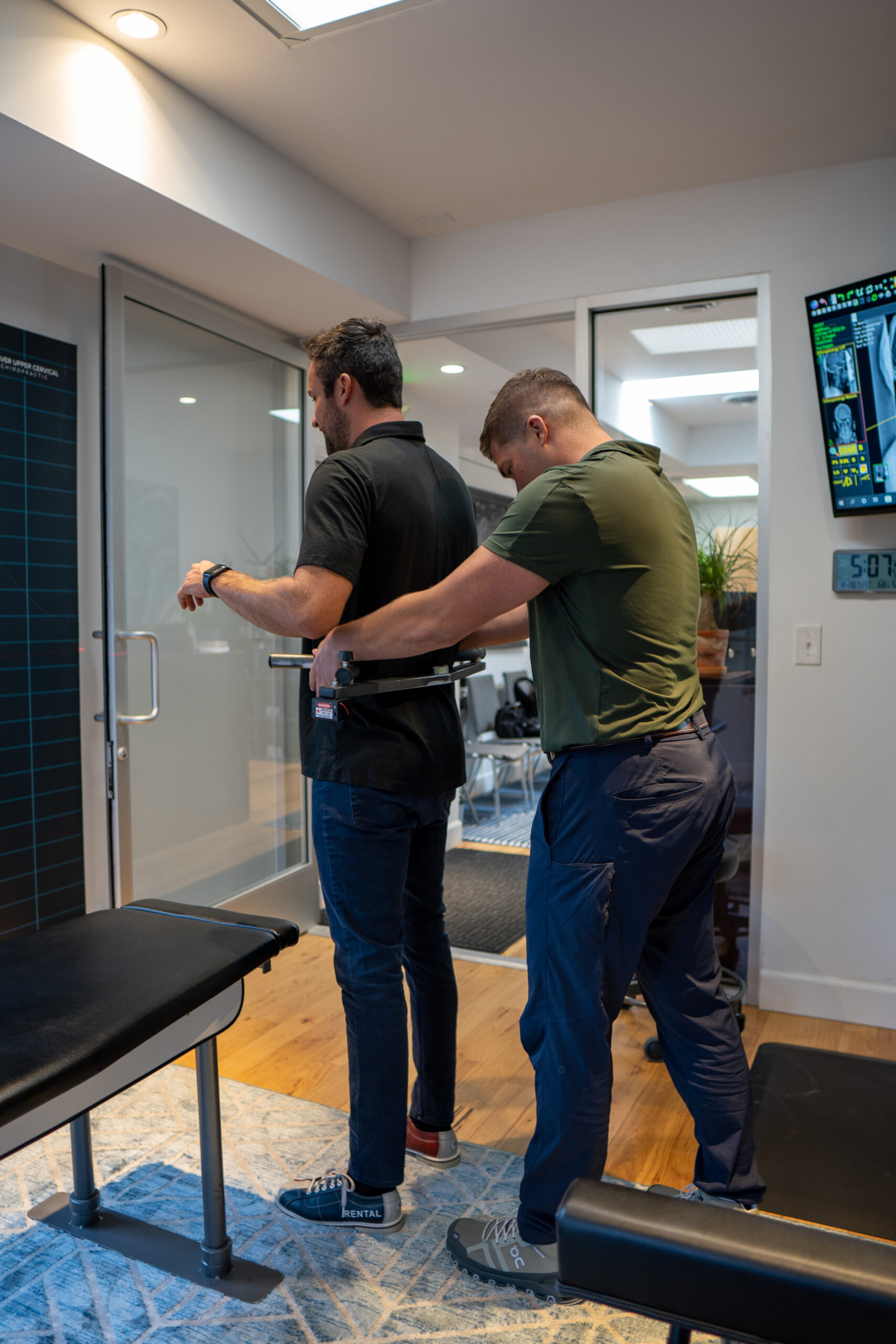
Chiropractic care helps enhance spinal and joint function to reduce pain and improve mobility. While many people associate chiropractic with spinal adjustments, non-invasive chiropractic services can also include:
- Soft tissue therapies
- Posture training
- Movement correction exercises
This makes chiropractic care a valuable non-invasive option for people with back pain, neck pain, headaches, and more.
Massage therapy targets muscle tension and connective tissue restrictions, which frequently contribute to pain and movement limitations.
Types of Techniques Used:
- Deep tissue massage
- Trigger point therapy
- Myofascial release
- Sports massage
Massage is particularly effective for tension-related conditions, recovery from workouts, and everyday stiffness.
Manual therapy involves hands-on techniques to improve joint and soft tissue mobility. Therapists use specialized approaches like:
- Joint mobilization
- Manual stretching
- Tissue release techniques
These therapies help restore movement quality and reduce discomfort.
These structured exercise programs are tailored to enhance mobility, balance, and strength. Unlike general gym workouts, therapeutic exercise focuses on correcting imbalances and improving movement patterns.
Using water’s buoyancy and resistance, aquatic therapy provides a gentle environment for movement — making it ideal for people with significant pain, arthritis, balance issues, or post-injury stiffness.
These modalities can expedite pain reduction and healing in injured soft tissues. They support circulation and reduce inflammation without invasive intervention.
Conditions That Respond Well to Non-Invasive Therapy
Non-invasive therapy can be effective for a wide range of conditions commonly seen among Denver patients:
Chronic Lower Back Pain
One of the most reported pain issues affecting Denver adults — often related to posture, sitting, and active lifestyles.
Neck Pain & Headaches
Frequently experienced due to screen time, poor sleeping positions, or minor injuries.
Joint Pain (Knees, Shoulders, Hips)
Overuse, aging, and movement imbalance contribute to joint discomfort that benefits from non-invasive care.
Sciatica or Nerve-Irritation Symptoms
Pain, numbness, or tingling down the leg often responds well when underlying mechanics are addressed.
Post-Injury Rehabilitation
Non-invasive therapy supports recovery from accidents, sports injuries, or repetitive stress trauma.
Muscle Tightness or Restrictions
Especially common among athletes, runners, cyclists, and outdoor enthusiasts.
Conditions That Respond Well to Non-Invasive Therapy
Many traditional pain management approaches focus on symptoms alone — reducing pain in the moment but not addressing the cause. Non-invasive therapy emphasizes functional improvement, which means:
- Better movement quality
- Lower risk of recurring pain
- Less reliance on pain medications
- Improved overall quality of life
- Better performance in activity and sport
This makes it particularly appealing for Denver residents with active lifestyles or ongoing pain concerns.
What to Expect in a Non-Invasive Therapy Session
Here’s what a typical experience might look like:
Your therapist spends time understanding your pain, daily activities, goals, and movement limitations.
Rather than generic treatment, you receive a customized plan designed for your specific needs.
Your sessions include hands-on care, movement exercises, therapeutic tools, or guided stretching depending on your condition.
You’ll be given safe exercises and tips to continue your progress outside of therapy sessions.
Making Non-Invasive Therapy Part of Everyday Life in Denver
Non-invasive therapy isn’t just for people with significant pain — it’s ideal for anyone who wants:
- Improved flexibility
- Better posture
- More comfortable movement
- Faster recovery after activity
- Greater overall physical function
Whether you hike Red Rocks, bike through Washington Park, jog the Cherry Creek trails, or simply want an easier daily routine, non-invasive therapy supports your goals.
Tips for Choosing a Local Non-Invasive Therapy Provider in Denver
If you’re considering non-invasive therapy in Denver, here are some tips to help you find the right provider:
Choose providers licensed in physical therapy, chiropractic care, massage therapy, or related fields.
Some clinics specialize in back pain, while others are focused more on sports injury or functional movement.
Past patient experiences can give insight into results and customer care.
Avoid clinics that rely solely on cookie-cutter treatment programs.
Many non-invasive therapies are partially covered by health insurance plans.
Final Thoughts: A Better Path to Pain Relief and Function
You don’t have to live with pain or limited mobility — and you don’t have to jump straight to surgery or medications to find meaningful relief. Non-invasive therapy gives Denver residents a natural, effective, and proven way to reduce pain, improve movement, and enhance overall well-being.
Whether you’re dealing with chronic pain, injury recovery, or daily stiffness that limits your life, non-invasive therapy offers real, functional solutions without the risks of invasive procedures.
Start today by consulting a qualified non-invasive therapy provider in Denver — and take a meaningful step toward a more active, comfortable, and mobile life.
© 2026 Denver Upper Cervical Chiropractic