

Realign the Vertebrae: How Precision Chiropractic Care in Denver Can Transform Your Health
Exploring the Unique Causes of Headaches in Denver and How Chiropractic Care Provides Relief
If you’re in Denver, Colorado, and you’ve been dealing with chronic pain, headaches, neck stiffness, or reduced mobility, there’s a natural approach that many residents are turning to — chiropractic care that helps realign the vertebrae. Realigning the vertebrae isn’t just about “cracking backs” — it’s about restoring proper spinal alignment so your nervous system can function at its best. In this article, we’ll explore what vertebral realignment is, how it works, why it matters, and how Denver chiropractors specialize in helping people just like you regain health and vitality.
What Does It Mean to Realign the Vertebrae?
Your vertebral column — or spine — is made up of 24 small bones called vertebrae. These bones protect your spinal cord, support your body weight, and serve as a foundation for your head and neck. When even one vertebra shifts out of optimal alignment, it can interfere with nerve communication, posture, and musculoskeletal balance.
“Realigning the vertebrae” means correcting these misalignments so that the spine is positioned as close as possible to its natural, functional alignment. This restoration of alignment has a direct impact on the nervous system, which controls everything from muscle function to immune response.
Why Spinal Alignment Matters for Your Health
Most people don’t realize how much a misaligned spine can affect their well-being. A misaligned vertebra can:
- Put pressure on spinal nerves
- Alter muscle balance and posture
- Lead to inflammation and stiffness
- Cause referred pain in other parts of the body
- Interfere with normal nerve signaling
When the vertebrae are aligned properly, the nervous system can work without interruption — and the body is better able to heal itself.
Common Causes of Vertebral Misalignment
Several lifestyle factors and health conditions can contribute to vertebrae shifting out of alignment, including:
Slouching at a desk or hunching over a phone puts extra strain on the spine. Over time, this can cause structural changes that lead to misalignment.
Even minor collisions or slips can jolt the spine and shift vertebrae out of place.
Whether it’s lifting weights, sitting for long hours, or carrying heavy bags, repetitive stress can affect spinal alignment.
As we age, spinal discs lose hydration and height, making the spine more prone to misalignment.
Workouts done without proper form can put uneven pressure on the spine, creating imbalances.
Conditions Commonly Helped by Vertebral Realignment
Realigning the vertebrae can play a major role in relieving or improving symptoms associated with:
Whether from posture issues or whiplash, spinal misalignment is a key factor in persistent neck discomfort.
One of the most common reasons people seek chiropractic care. Proper alignment distributes body weight evenly and reduces pressure on spinal discs and muscles.
Misalignment in the cervical spine (neck area) can contribute to tension headaches and migraines by irritating nerves and muscles.
Nerve compression in the lower spine can lead to pain, tingling, or numbness down the leg — and realignment often helps alleviate these symptoms.
Aligning the vertebrae relieves tension and unlocks mobility.
Improved alignment enhances posture, which reduces strain on muscles and joints.
How Chiropractors in Denver Realign the Vertebrae
Chiropractic care focuses on identifying and correcting vertebral misalignment to restore optimal function. Here’s a step-by-step look at what a typical chiropractic realignment process might involve:
A chiropractor begins with a complete health assessment, including your medical history, posture analysis, and spinal movement evaluation.
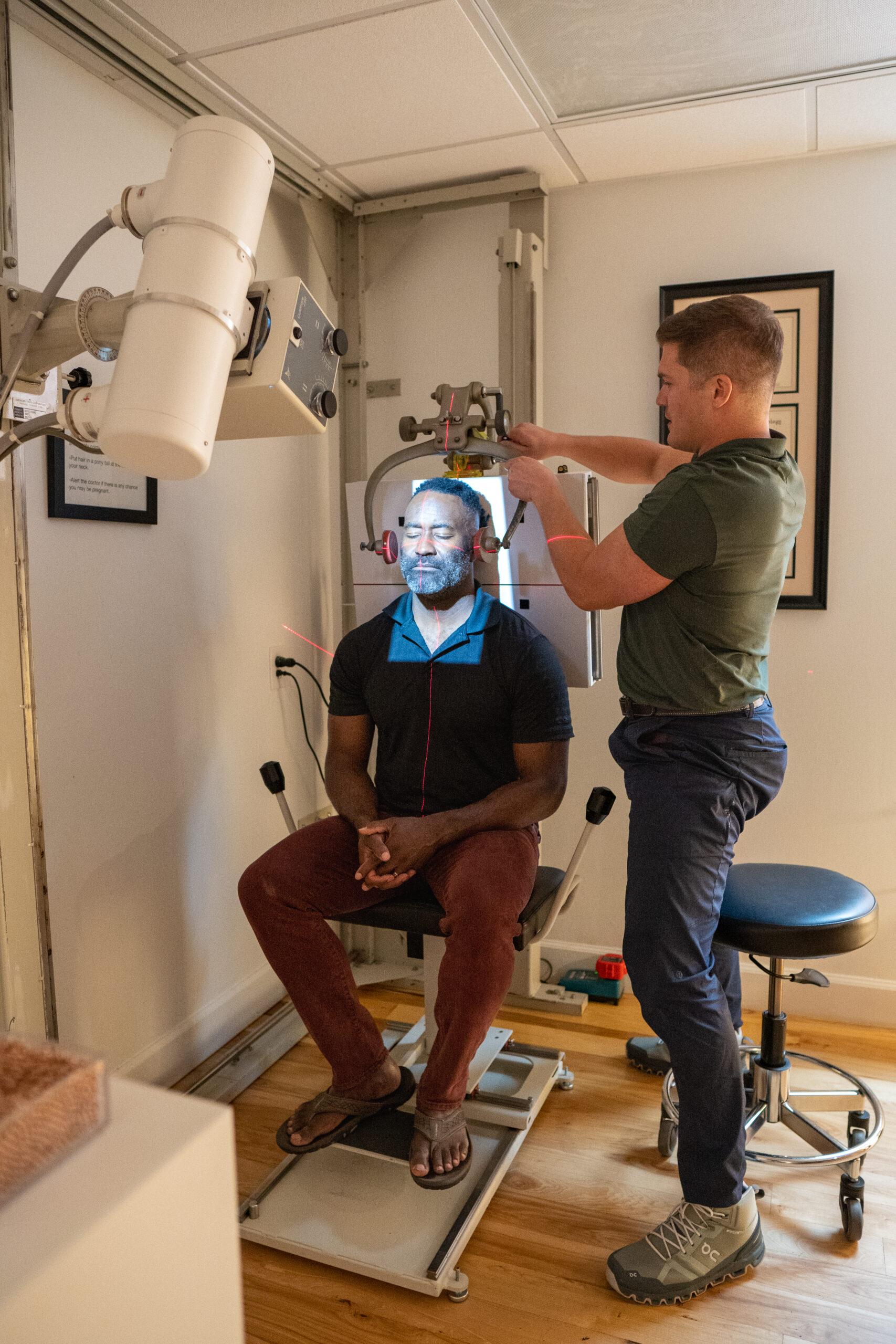
Using hands-on techniques or imaging tools, the chiropractor evaluates which vertebrae are misaligned and how this misalignment may be affecting your health.
Not all adjustments are the same. A chiropractor customizes a plan based on your body, symptoms, and lifestyle. This ensures realignment is precise and effective.
With skillful and controlled movements, the chiropractor applies pressure to specific vertebrae to bring them back into alignment. These adjustments are usually quick, safe, and non-invasive.
In addition to adjustments, chiropractors often provide stretches, exercises, ergonomic tips, and lifestyle recommendations to help maintain alignment and prevent future issues.
Realigning the Vertebrae vs. General Chiropractic Care
Not all chiropractic adjustments are designed for the same purpose. While general chiropractic care may include full-body adjustments, spinal realignment zeroes in on the precision adjustment of the vertebrae themselves.
Think of it like tuning the frame of a house — you don’t just focus on cosmetic fixes; you repair the structure so everything else can function properly. This approach makes vertebral realignment especially beneficial for:
- People with long-term, recurring pain
- Individuals who haven’t experienced relief from traditional treatments
- Patients looking for a drug-free, non-surgical alternative
- Those focused on overall wellness and nervous system health
What to Expect After Vertebral Realignment
Most people notice some level of improvement right after an adjustment — but the degree of relief varies from person to person. Benefits may include:
- Reduced pain and discomfort
- Better posture
- Improved sleep quality
- Increased range of motion
- Enhanced energy and focus
- Faster recovery from injuries
While some people feel immediate change, others may require a series of adjustments to re-train muscles and support structures.
Why Denver Residents Choose Local Chiropractors for Vertebral Realignment
Denver residents have access to some of the most experienced chiropractic professionals in Colorado. Local chiropractors are known for:
- Personalized, patient-centered care
- Comprehensive evaluation and realignment techniques
- Focus on long-term functional improvement
- Convenient locations throughout Denver metro
- Safe, natural, drug-free treatment options
Whether you live in Capitol Hill, Highlands Ranch, Cherry Creek, or Aurora, a qualified local chiropractor can help you address the source of your pain — not just the symptoms.
Tips to Help Maintain Vertebral Alignment at Home
Your chiropractor may also recommend lifestyle practices you can do between visits:
Keep ears aligned over shoulders and shoulders over hips when sitting or standing.
Use a standing desk, supportive chair, or lumbar cushion to maintain proper spinal curves.
Avoid prolonged sitting. Take short movement breaks every hour.
Incorporate spinal stretches and core strengthening exercises into your routine.
Choose a pillow that supports the natural curve of your neck — not one that pushes your head too far forward.

When to Seek Realignment Care
Consider reaching out to a Denver chiropractor if you experience:
- Pain lasting longer than a few weeks
- Recurring headaches or neck tension
- Limited mobility
- Pain that interferes with daily life
- Postural issues you can’t fix on your own
Chiropractic care is gentle, safe, and tailored to your body’s needs — and many patients finally get relief after years of trying other treatments.
Final Thoughts: A Natural Path to Better Health
Realigning the vertebrae isn’t just a chiropractic buzzword — it’s a scientifically grounded approach to restoring function and helping your body communicate more effectively. When your spine is aligned, your nervous system thrives, and your quality of life can improve.
If you’re in Denver and ready to make a change, chiropractic realignment might be the solution you’ve been searching for.
© 2026 Denver Upper Cervical Chiropractic