

The Upper Two Vertebrae Are the Most Mobile Parts of the Spine: Why It Matters and How It Impacts Your Health
When people think of the spine, they often imagine a rigid structure that simply supports the body. But the spine is far from rigid — it’s an extraordinary combination of strength, flexibility, and precision engineered to protect the nervous system while allowing a remarkable range of motion. Nowhere is that balance more evident than in the upper cervical spine, where the top two vertebrae — the atlas (C1) and the axis (C2) — provide the greatest mobility of any region in the spinal column.
This mobility is not merely a mechanical marvel; it has profound implications for posture, movement, nervous system communication, and overall health. In this article, we’ll explore:
- The unique anatomy of the upper cervical spine
- Why C1 and C2 are so mobile
- How this mobility supports function — and creates vulnerability
- What happens when alignment is disrupted
- How chiropractic / upper cervical care approaches these issues
By the end, you’ll understand why the phrase “the upper two vertebrae are the most mobile parts of the spine” is not just true — but clinically significant for anyone seeking better movement, pain relief, and nervous system health.
1. The Unique Anatomy of the Spine: A Quick Overview
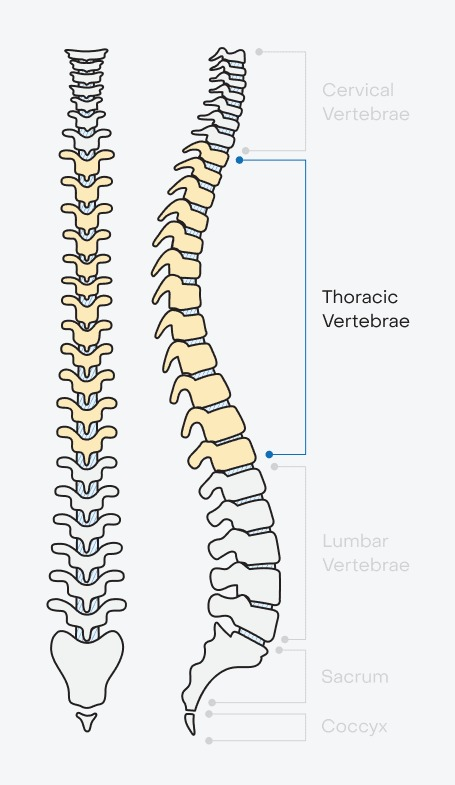
The human spine contains 33 vertebrae, grouped into regions:
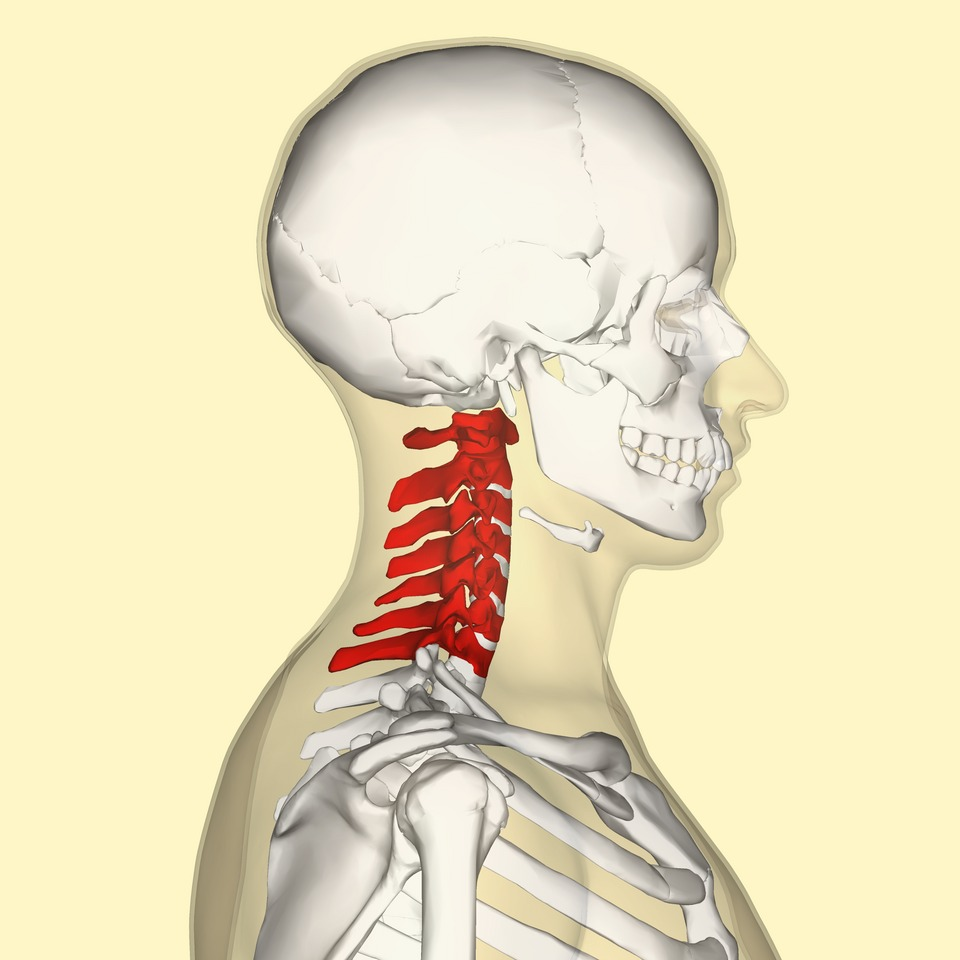
- Cervical (neck): C1–C7
- Thoracic (mid‑back): T1–T12
- Lumbar (lower back): L1–L5
- Sacral (pelvis) and coccygeal (tailbone)
Each region has different structural characteristics and functions. The cervical spine is the most flexible overall, allowing movement in all directions — flexion, extension, rotation, and lateral flexion — because it must support head movement while protecting the spinal cord and nerves.
Within the cervical region, however, the upper two vertebrae — atlas (C1) and axis (C2) — are distinct from the rest of the spine because of their specialized structure and motion capabilities.
2. Atlas and Axis: The Most Mobile Twins of the Spine
Atlas (C1): The Head’s Cradle
The atlas sits directly beneath the skull, forming the joint between the head and the spine. Its design is unique among vertebrae:
- It has no vertebral body — instead, it’s a ring‑like structure.
- It supports the skull much like a cradle.
- It forms the atlanto‑occipital joint with the base of the skull, enabling the nodding motion of the head (as in saying “yes”).
This ring design gives the atlas a wide range of motion without the constraints that typical vertebrae experience.
Axis (C2): The Pivot Point of Rotation
The axis lies right below the atlas and features a prominent upward projection called the odontoid process, or dens. This peg‑like structure fits into the atlas ring and acts as a pivot point around which the atlas — and thus the head — can rotate.
Together, the atlanto‑axial joint formed by C1 and C2 allows more rotation than any other spinal joint. In fact:
- Approximately 50% of all cervical rotation occurs at this joint.
This means that when you turn your head left or right, much of that motion happens between these two vertebrae rather than through the rest of the neck.
3. Why the Upper Two Vertebrae Are the Most Mobile Parts of the Spine
Several key anatomical and functional factors explain why C1 and C2 are so mobile:
a. Structural Specialization
Unlike most vertebrae, C1 and C2 do not have intervertebral discs between them or between the skull and C1. Discs act like shock absorbers but also restrict movement. The absence of discs in the upper cervical spine means less structural restraint and greater freedom of motion.
Additionally:
- The atlas supports the skull in a ring‑like fashion, facilitating flexion and extension without bone‑to‑bone contact.
- The axis provides a pivot (dens) around which the atlas rotates.
This anatomy is unique and specialized for movement, not just support.
b. Joint Types and Range of Motion
Two major joints contribute to the upper cervical spine’s mobility:
- Atlanto‑Occipital Joint — between the skull and atlas, this joint allows nodding up and down.
- Atlanto‑Axial Joint — between atlas and axis, this is the main rotational joint that allows side‑to‑side head turning. Multiple facets within these vertebrae produce rotation around a central pivot.
This unique combination enables multi‑planar movement — far more than other spinal regions.
c. Ligament and Muscle Support
Although highly mobile, C1 and C2 are stabilized by a sophisticated system of ligaments and muscles that keep the head balanced and protect the spinal cord. This includes structures such as:
- Alar ligaments
- Transverse ligament
- Suboccipital muscles
These elements allow controlled movement while minimizing the chance of instability — as long as alignment is maintained.
4. The Upper Two Vertebrae’s Critical Role in Function
The high degree of motion at C1 and C2 isn’t just interesting anatomy — it’s functionally essential.
a. Head and Neck Movement
Because nearly all head rotation occurs at this segment, the upper cervical spine plays a major role in everyday movement:
- Looking over your shoulder
- Nodding “yes” and shaking “no”
- Tilting your head during activities like reading or driving
Without this mobility, daily tasks would feel stiff and awkward.
b. Nervous System Communication
The upper cervical area sits at the craniocervical junction, where the skull, brainstem, and spinal cord meet. Misalignments (often called subluxations in chiropractic) here can exert pressure or tension on sensitive neural tissues.
Because C1 and C2 are so mobile, they are more susceptible to misalignment from trauma — like falls, sports injuries, or car accidents — as well as chronic postural strain.
These misalignments can interfere with the nervous system’s ability to communicate, contributing to pain, headaches, muscle tension, and more widespread symptoms.
c. Posture and Balance
The position of the head influences the entire spine:
- A forward head posture increases stress on the neck and back.
- Compensation patterns elsewhere in the spine can develop when the upper cervical spine is misaligned.
Because the head is heavy relative to the neck, small shifts in the upper cervical alignment can dramatically change how the rest of the spinal column balances.
5. Risks and Vulnerabilities of High Mobility
High mobility is a strength — but also a vulnerability:
a. Susceptibility to Misalignment
As the most mobile part of the spine, C1 and C2 are more likely to become misaligned from sudden trauma or gradual postural stress.
Even minor misalignments can change how the head sits on the neck, influence muscle tension, and alter nerve signaling.
b. Chronic Pain and Dysfunction
When the upper cervical vertebrae are misaligned, symptoms can manifest in multiple ways, such as:
- Headaches
- Neck stiffness
- Shoulder tension
- Reduced range of motion
- Nervous system dysregulation
These symptoms often persist because standard treatments — like painkillers or physical therapy alone — don’t always address the underlying structural cause.
6. How Upper Cervical Chiropractic Care Addresses Mobility and Misalignment
Upper cervical chiropractic — such as the care provided at Denver Upper Cervical Chiropractic — focuses specifically on restoring alignment in C1 and C2 using precise, gentle adjustments. (denveruppercervical.com/chiropractic-care/?utm_source=chatgpt.com)
a. Gentle, Precision‑Based Adjustments
Because the atlas and axis are so critical and sensitive, upper cervical chiropractors use targeted, low‑force techniques designed to gently coax vertebral alignment back into place without high‑velocity thrusts. (turn0search5)
This precision matters because:
- High mobility requires careful correction
- Even tiny misalignments can affect function
- The goal is long‑lasting alignment, not temporary movement
b. Diagnostic Imaging and Customized Care
Practices like Denver Upper Cervical Chiropractic often use advanced imaging (like 3‑D digital X‑ray analysis) to accurately map vertebral position and plan adjustments that respect each person’s unique biomechanics.
This tailored approach increases the likelihood of restoring proper motion and reducing symptoms.
7. Everyday Life and Upper Cervical Mobility
The high mobility of C1 and C2 affects daily life in numerous ways:
- Driving — quick head turns for safety
- Work — posture from screens influences alignment
- Exercise — head movement and balance depend on C1/C2 motion
- Sleep — head position can affect cervical alignment
Because these vertebrae are central to movement and balance, their alignment can make or break comfort and function during everyday activities.
8. Summary: Why the Upper Two Vertebrae Matter Most
The upper two vertebrae — the atlas and axis — are the most mobile parts of the spine due to their:
✨ Unique anatomy (ring‑shaped C1, pivoting C2)
✨ Absence of typical discs, allowing greater freedom
✨ Role in nearly all head movement
✨ Central position in nervous system communication
Their mobility is essential for normal function but also makes them especially vulnerable to misalignment. When alignment is lost, symptoms like pain, stiffness, headaches, and dysfunction can arise — often requiring specialized care to restore normal biomechanics. Upper cervical chiropractic care focuses precisely on this part of the spine, using gentle adjustments and advanced diagnostics to help the body regain natural motion and healthy nervous system communication.
Conclusion: Mobility + Stability = Health
The truth about the spine is this: mobility and stability must coexist. The upper cervical spine achieves this balance exquisitely — offering an extraordinary range of motion while protecting the most vital communication pathways in the body. Recognizing the importance of the atlas and axis isn’t just anatomy — it’s the first step toward understanding why precise spinal alignment is so powerful for overall health, movement, and pain relief.
If you’re experiencing neck pain, headaches, or reduced movement, consider how the mobility — and potential misalignment — of the upper two vertebrae might be involved. Restoring their proper alignment could be the key to better function, comfort, and quality of life.
© 2026 Denver Upper Cervical Chiropractic