

Nerve Compression in Denver: The Hidden Cause of Radiating Pain, Numbness & Weakness
Exploring the Unique Causes of Headaches in Denver and How Chiropractic Care Provides Relief
Nerve compression is a common yet often misunderstood condition that can cause persistent pain, tingling, numbness, and muscle weakness. Whether it affects your neck, back, shoulders, or legs, compressed nerves can significantly impact your ability to work, exercise, and enjoy daily life. For residents of Denver, where active living and outdoor recreation are part of the lifestyle, addressing nerve compression early is critical for long-term health and mobility.
If you are searching for nerve compression treatment in Denver, this comprehensive guide explains what nerve compression is, common causes, symptoms, and the conservative treatment options available locally.
What Is Nerve Compression?
Nerve compression occurs when surrounding tissues — such as bones, discs, muscles, or ligaments — place excessive pressure on a nerve. This pressure interferes with the nerve’s ability to send signals properly between the brain and body.
When a nerve is compressed, you may experience:
- Sharp or radiating pain
- Tingling sensations (“pins and needles”)
- Numbness
- Muscle weakness
- Burning discomfort
- Reduced coordination
Depending on the location of the compression, symptoms can travel into the arms, hands, legs, or feet.
Common Areas Where Nerve Compression Occurs
Compression in the neck can cause pain that radiates into the shoulders, arms, and hands. This is often related to disc issues or spinal misalignment.
Nerve compression in the lower back may cause sciatica, where pain radiates down one leg.
Compression of the median nerve in the wrist can cause hand numbness and weakness.
Muscle tightness or joint misalignment in the upper back can irritate nearby nerves.
For many Denver residents, cervical and lumbar nerve compression are especially common due to desk work combined with recreational strain.
Causes of Nerve Compression
Nerve compression can develop gradually or suddenly. Common causes include:
Spinal discs act as cushions between vertebrae. If a disc bulges outward, it may press against a nearby nerve.
When vertebrae shift out of proper alignment, they may narrow nerve passageways.
Age-related changes can reduce disc height, increasing pressure on spinal nerves.
Repeated movements at work or during sports may irritate nerves over time.
Auto accidents, sports collisions, and falls are frequent causes of sudden nerve irritation.
In an active city like Denver, skiing accidents, cycling crashes, and hiking falls can all contribute to spinal nerve compression.
Symptoms You Shouldn’t Ignore
While occasional tingling may seem minor, persistent nerve compression symptoms often worsen without treatment.
Warning signs include:
- Radiating pain down the arm or leg
- Persistent numbness
- Weak grip strength
- Difficulty lifting objects
- Muscle atrophy
- Sharp pain when turning the neck
- Lower back pain with leg weakness
If these symptoms last longer than a few days or progressively worsen, professional evaluation is recommended.
How Nerve Compression Affects the Body
Nerves transmit signals that control muscle movement, sensation, and coordination. When compressed, communication between the brain and body becomes disrupted.
This may lead to:
- Reduced muscle activation
- Slower reflexes
- Impaired balance
- Chronic inflammation
- Increased risk of injury
Over time, untreated nerve compression can cause lasting nerve damage.
Nerve Compression Treatment in Denver
If you are searching online for “nerve pain treatment near me” or “Denver chiropractor for nerve compression,” conservative treatment is often the first step.
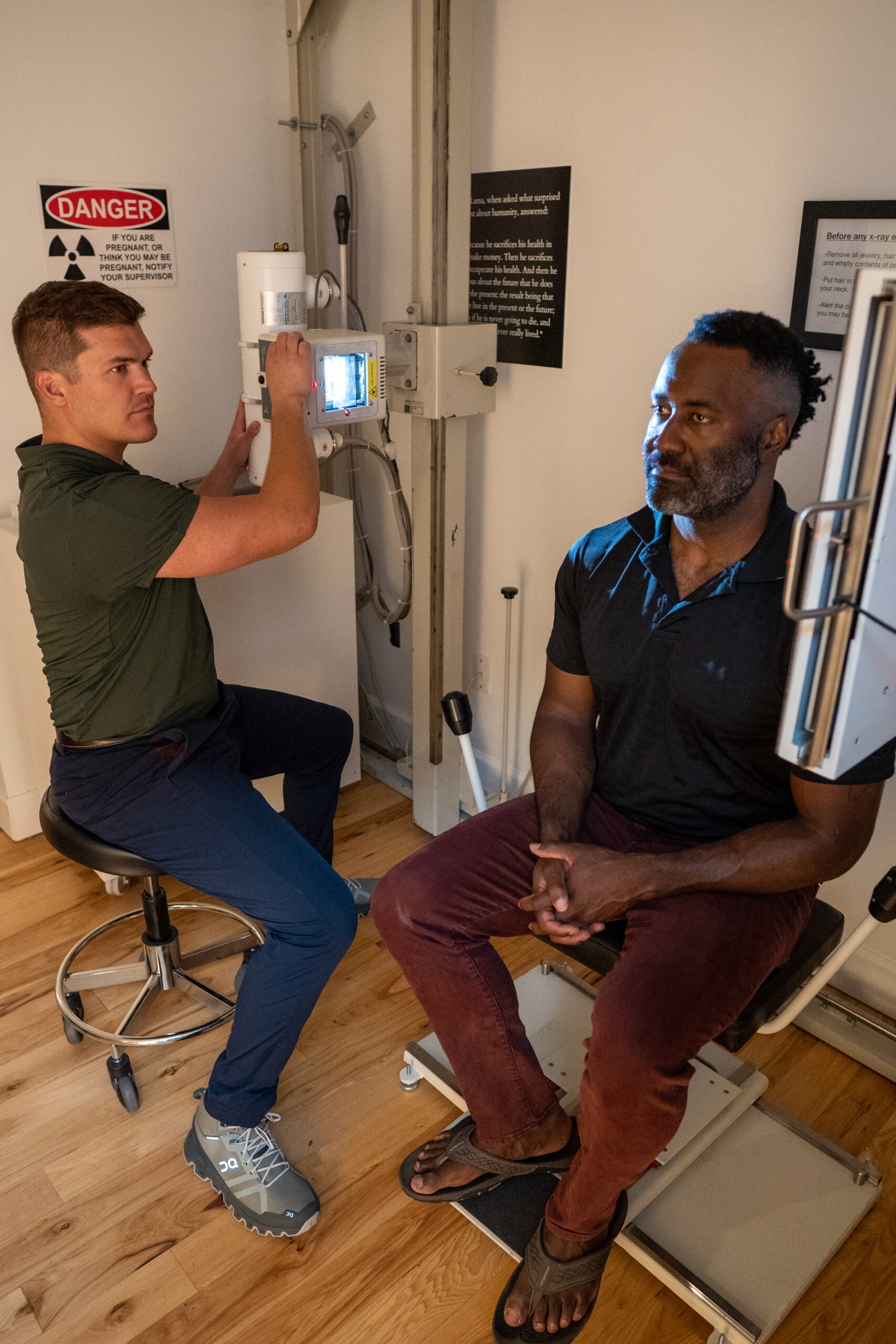
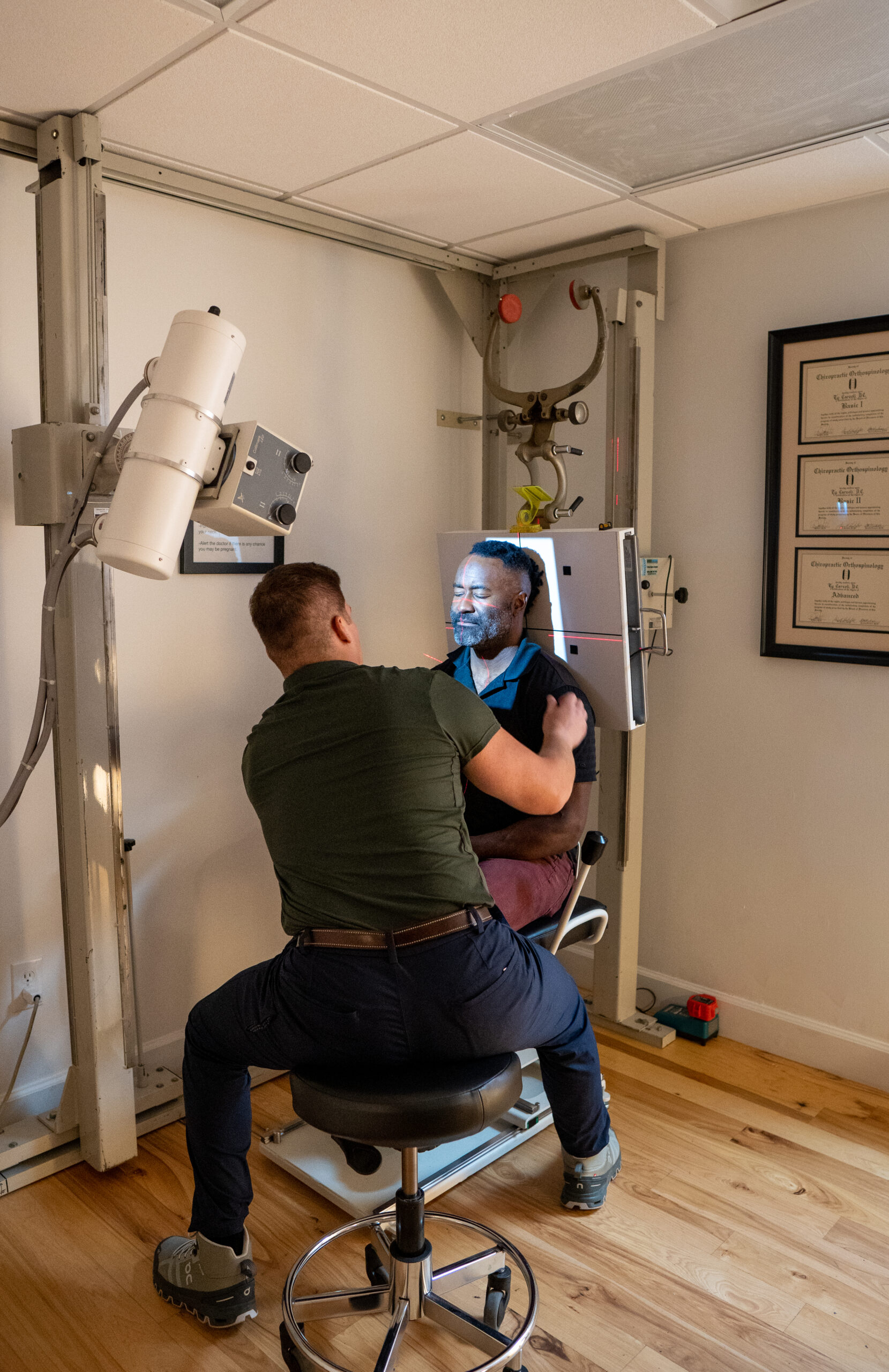
Chiropractic adjustments aim to restore spinal alignment and reduce pressure on affected nerves. By improving joint mobility and spinal balance, nerve irritation may decrease naturally.
Clinics such as Denver Upper Cervical Chiropractic focus on upper cervical alignment, which may influence nerve communication throughout the body.
Precise, gentle corrections are designed to:
- Improve spinal alignment
- Reduce inflammation
- Restore normal nerve function
- Improve posture
Rehabilitation exercises strengthen supporting muscles and relieve stress on compressed nerves.
Therapy may include:
- Core strengthening
- Postural retraining
- Stretching tight muscles
- Nerve glide exercises
Small daily changes can significantly reduce nerve irritation:
- Maintain proper desk posture
- Use supportive footwear
- Avoid prolonged sitting
- Lift objects with proper form
- Take frequent movement breaks
Why Choose Local Nerve Compression Treatment in Denver?
Selecting a local provider ensures:
- Personalized assessments
- Convenient follow-up visits
- Familiarity with Denver’s active population
- Care tailored to skiing, hiking, cycling, and office work
Denver’s altitude and outdoor activities may increase fatigue and muscular strain, which can influence spinal health. Local providers understand these unique factors.
When to Seek Immediate Medical Attention
Certain nerve compression symptoms require urgent care:
- Loss of bladder or bowel control
- Severe weakness in arms or legs
- Progressive numbness
- Sudden loss of coordination
These symptoms may indicate serious spinal cord involvement.
The Role of Upper Cervical Alignment in Nerve Health
The upper cervical spine (C1 and C2 vertebrae) surrounds the brainstem, a critical area for nervous system communication.
Even small misalignments in this region may contribute to:
- Headaches
- Dizziness
- Neck pain
- Radiating arm symptoms
Upper cervical chiropractic care focuses on restoring precise alignment without aggressive manipulation, supporting optimal nerve communication.
Preventing Nerve Compression
Preventative strategies are essential for long-term nerve health.
- Strengthen Core Muscles: A strong core stabilizes the spine and reduces disc pressure.
- Maintain Good Posture: Keep your head aligned over your shoulders when sitting or standing.
- Stay Active: Movement keeps joints lubricated and reduces stiffness.
- Stretch Regularly: Daily stretching reduces muscle tightness that may compress nerves.
- Address Injuries Promptly: Early evaluation prevents minor issues from progressing into chronic compression.
Long-Term Outlook for Nerve Compression
Most cases of mild to moderate nerve compression improve with conservative treatment when addressed early.
Successful recovery often includes:
- Correcting structural imbalances
- Strengthening weak muscles
- Reducing inflammation
- Improving posture habits
- Maintaining spinal alignment
Ignoring symptoms can lead to chronic nerve irritation or muscle weakness.
Final Thoughts: Relieve Nerve Pressure & Restore Comfort
Nerve compression can disrupt your daily life — from simple tasks to outdoor adventures. Radiating pain, numbness, and weakness are signals that your body needs attention.
If you are experiencing persistent nerve-related symptoms, seeking nerve compression treatment in Denver can help identify the root cause and provide natural, conservative solutions. Through spinal alignment correction, rehabilitation exercises, and lifestyle modifications, long-term relief is possible.
Protecting your nervous system protects your overall health. With proper care and early intervention, you can return to the active Colorado lifestyle you enjoy — comfortably and confidently.
© 2026 Denver Upper Cervical Chiropractic