

Muscle Strain Treatment in Denver: Causes, Symptoms & Natural Relief Options for Lasting Recovery
Exploring the Unique Causes of Headaches in Denver and How Chiropractic Care Provides Relief
Muscle strain is one of the most common injuries affecting adults of all ages. Whether you’re an athlete, an office worker, a weekend hiker, or someone simply lifting groceries, a strained muscle can disrupt your routine and limit mobility. For residents of Denver, where active lifestyles are part of daily life, muscle strain can interfere with work, recreation, and overall wellness.
If you are searching for muscle strain treatment in Denver, this comprehensive guide will help you understand the causes, symptoms, recovery options, and when to seek professional care. With the right approach, most muscle strains heal effectively — and you can reduce the risk of future injury.
What Is a Muscle Strain?
A muscle strain occurs when muscle fibers are overstretched or torn. This can happen suddenly during physical activity or gradually due to repetitive stress and overuse. Strains commonly affect the lower back, neck, shoulders, hamstrings, and calves.
Muscle strains are sometimes confused with sprains, but there’s a difference:
- Strain: Injury to muscle or tendon
- Sprain: Injury to ligaments (which connect bones to bones)
Understanding the difference is important because treatment approaches can vary.
Common Causes of Muscle Strain
In a physically active city like Denver, muscle strain can result from many everyday activities. Some of the most common causes include:
Repeating the same movement — whether typing at a desk, swinging a golf club, or lifting at work — can fatigue muscles over time. Without adequate rest, small tears may develop and worsen.
Quick acceleration, twisting, or lifting heavy objects improperly can cause immediate strain. This is common during sports, gym workouts, or even moving furniture.

Prolonged sitting with improper ergonomics places excess tension on neck, shoulder, and lower back muscles. Over time, this imbalance can lead to chronic strain.
Jumping into intense activity without warming up reduces flexibility and increases injury risk. Cold muscles are less elastic and more prone to tearing.
Weak supporting muscles can force other muscles to overcompensate, increasing strain risk. For example, weak core muscles often contribute to lower back strain.
Types of Muscle Strains
Muscle strains are categorized by severity:
- Minor stretching or small tears
- Mild discomfort
- Little or no loss of strength
- Partial tear
- Noticeable swelling or bruising
- Reduced strength and mobility
- Minor stretching or small tears
- Mild discomfort
- Little or no loss of strength
Severe strains may require advanced medical evaluation and, in rare cases, surgical intervention.
Common Symptoms of Muscle Strain
Muscle strain symptoms can vary depending on severity and location. Typical signs include:
- Sudden sharp pain at the time of injury
- Ongoing soreness or stiffness
- Swelling or inflammation
- Muscle weakness
- Limited range of motion
- Bruising (in moderate to severe cases)
- Muscle spasms
If symptoms persist beyond a few days or worsen, professional evaluation is recommended.
Muscle Strain in Active Denver Lifestyles
Living in Denver means access to hiking trails, ski slopes, cycling paths, and fitness communities. While these activities promote health, they also increase the risk of muscle injuries — especially if conditioning, warm-up, or recovery practices are inadequate.
High altitude can also contribute to faster fatigue for those not acclimated, which may increase strain risk during exertion. Additionally, colder weather months can tighten muscles, making proper warm-up even more essential.
Because of these factors, seeking local muscle strain treatment in Denver ensures care providers understand the environmental and lifestyle factors unique to the area.


Initial Treatment: The R.I.C.E. Method
For most mild to moderate muscle strains, the first step is conservative self-care:
Avoid activities that worsen pain. Continuing to stress an injured muscle can delay healing.
Apply ice for 15–20 minutes every few hours during the first 48 hours to reduce inflammation.
Use elastic bandages when appropriate to minimize swelling.
If possible, elevate the injured area to reduce swelling.
After the initial inflammatory phase, gentle stretching and gradual movement can help restore mobility.
When to Seek Professional Care in Denver
While many muscle strains improve with rest and home care, certain situations require professional evaluation:
- Pain lasting longer than 1–2 weeks
- Severe swelling or bruising
- Inability to bear weight
- Recurring strain in the same area
- Numbness or tingling
Persistent muscle strain may indicate underlying biomechanical imbalance, poor joint alignment, or compensatory movement patterns that need correction.
Chiropractic and Musculoskeletal Care for Muscle Strain
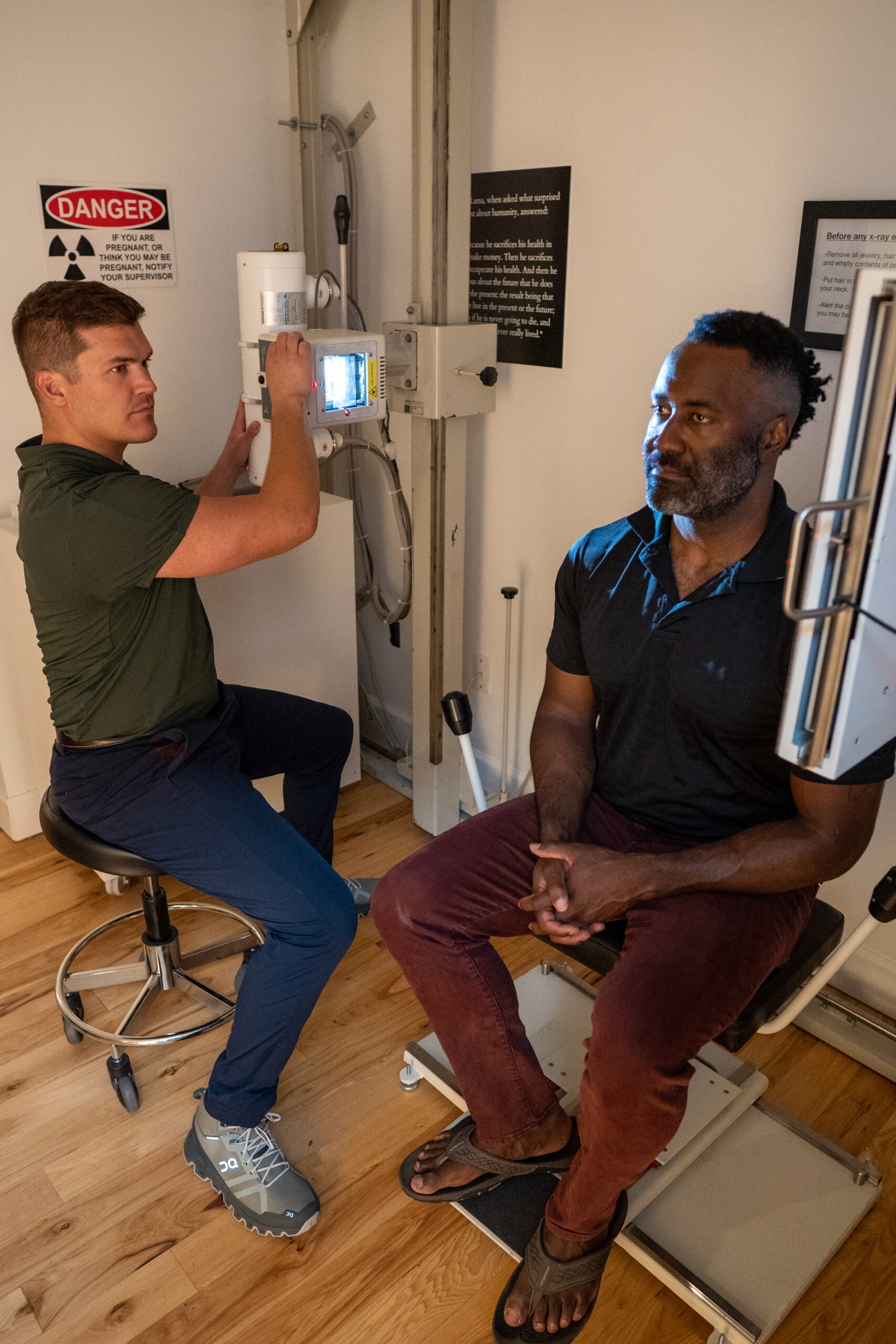
Many patients in Denver seek conservative, non-invasive care options for muscle strain recovery. Clinics such as Denver Upper Cervical Chiropractic focus on structural alignment and nervous system function.
While muscle strain primarily affects soft tissue, spinal alignment can influence muscle tension patterns throughout the body. When joints are misaligned, surrounding muscles may overwork to compensate. Over time, this can increase the risk of repeated strain.
Chiropractic evaluation may help:
- Identify postural imbalances
- Improve spinal alignment
- Reduce nerve irritation
- Restore balanced muscle function
- Support long-term injury prevention
This approach focuses on addressing root causes rather than only masking symptoms.
Muscle Strain vs. Chronic Muscle Tension
It’s important to distinguish acute strain from chronic tension. Acute strain typically results from a specific incident, while chronic tension develops gradually due to stress, posture, or alignment issues.
Chronic tension often affects:
- Neck and shoulders
- Upper back
- Lower back
In these cases, evaluating spinal alignment and nervous system function may provide longer-lasting relief.
Why Choose Muscle Strain Treatment in Denver?
Local clinics offer:
- Personalized assessments
- Convenient follow-up appointments
- Knowledge of sports and outdoor injury trends
- Community-based care
Working with a trusted Denver provider ensures continuity of care and a recovery plan tailored to your daily activities.
Physical Therapy and Rehabilitation
In moderate to severe cases, physical therapy may be recommended. A structured rehabilitation program often includes:
- Stretching tight muscles
- Strengthening weak supporting muscles
- Improving flexibility
- Correcting movement patterns
- Enhancing balance and coordination
Rehabilitation not only speeds recovery but also reduces the likelihood of re-injury.
Preventing Future Muscle Strain
Prevention is key to maintaining an active lifestyle in Denver. Consider these proactive strategies:
Spend 5–10 minutes performing light cardio and dynamic stretches before intense activity.
A strong core supports the spine and reduces strain on surrounding muscles.
If you work at a desk, adjust your chair, monitor height, and keyboard placement to maintain neutral posture.
Dehydrated muscles fatigue more quickly and are more prone to cramping and strain.
Avoid sudden spikes in exercise intensity. Build strength and endurance progressively.
Long-Term Outlook
Most muscle strains heal within a few weeks with proper care. However, ignoring symptoms or returning to activity too quickly can lead to chronic pain or repeated injury.
The key to long-term recovery includes:
- Early intervention
- Correct diagnosis
- Balanced rehabilitation
- Addressing underlying biomechanical issues
- Preventative strengthening
With the right support, you can return to hiking, skiing, working, and enjoying life in Denver without ongoing discomfort.
Final Thoughts: Take Control of Your Recovery
Muscle strain may seem like a minor injury, but without proper care, it can limit mobility and disrupt daily life. Whether your strain developed from athletic activity, workplace stress, or everyday movement, early attention makes a difference.
If you’re experiencing ongoing discomfort, weakness, or recurring strain, seeking professional muscle strain treatment in Denver can help you recover safely and prevent future injury. Through a combination of rest, rehabilitation, alignment correction, and preventative care, lasting relief is possible.
Your body is designed to heal — and with the right guidance, you can return to the active Colorado lifestyle you enjoy.
© 2026 Denver Upper Cervical Chiropractic