

Improved Mobility in Denver: Your Guide to Moving Better and Living Pain-Free
Exploring the Unique Causes of Headaches in Denver and How Chiropractic Care Provides Relief
Whether you’re an athlete, a weekend warrior, an office worker, or someone who just wants to feel more comfortable getting through each day, improved mobility is the foundation of a healthy, active lifestyle. In a vibrant, outdoor-oriented city like Denver, Colorado, mobility — the ability to move freely, comfortably, and without pain — is essential for everything from hiking and cycling to everyday tasks like bending, lifting, and walking.
But what exactly is mobility, why does it decline, and how can you improve yours? In this article, we’ll explore the science of mobility, the most common causes of mobility issues in Denver residents, practical strategies to increase range of motion, and local care options that can help you regain flexibility, stability, and confidence in your movement.
What Is Improved Mobility — Really?
In simple terms, mobility refers to how well your joints and muscles work together to allow movement. Good mobility means joints move through their full range of motion with stability and without pain.
Mobility differs from flexibility. Flexibility is the ability of muscles and tendons to stretch. Mobility includes flexibility, plus strength, control, coordination, and joint function. Mobility isn’t just about touching your toes — it’s about moving throughout your daily life without pain, stiffness, or limitation.
Why Mobility Matters — Especially in Denver
Denver’s active lifestyle — including skiing, mountain biking, climbing, running, yoga, and more — requires a body that can move well in multiple directions and adapt to a variety of surfaces and activities. But even if you don’t participate in intense physical activities, mobility still matters for daily living:
- Easier walking without stiffness
- Smooth bending, lifting, and reaching
- Better posture while working or commuting
- Reduced risk of pain or injury
- Enhanced athletic performance
- Better sleep and less tension
Lack of mobility — especially in the hips, spine, shoulders, and ankles — can increase stress on other parts of the body, leading to pain, weakness, and compensatory movement patterns.
Common Causes of Reduced Mobility in Denver
Mobility challenges can arise from a variety of sources, including lifestyle habits, physical stressors, and the natural aging process.
Many Denver professionals spend long hours sitting — whether it’s in an office space in Downtown Denver, Cherry Creek, or along the Tech Center Corridor. Prolonged sitting leads to tight hip flexors, weak glutes, and stiff lower backs, which all limit mobility.
Activities like running, cycling, or snowboarding are common in Denver — but overrepeting the same movement patterns without proper recovery or cross-training can create imbalances and mobility restrictions.
When certain muscles are tight and others are weak, the body compensates by restricting movement or shifting mechanics — which can lead to pain and reduced mobility.
Previous injuries — even from years ago — can leave scar tissue and affect how the joints move. Without proper rehabilitation, mobility may remain lost long after the injury has healed.
As we age, muscle mass declines and connective tissues lose elasticity, contributing to stiffness and limited range of motion.
The Benefits of Improved Mobility
The benefits of improved mobility reach far beyond just being able to move more easily. They include:
- Reduced pain — Better mobility takes pressure off joints and muscles that may be compensating for poor movement patterns.
- Better balance and stability — This is especially important for aging adults and athletes alike.
- Enhanced performance — Improved mobility allows you to move more efficiently and with more power.
- Greater flexibility with control — Each joint can move with strength throughout its range.
- Improved posture — Good mobility supports healthy alignment of the spine and shoulders.
- Lower injury risk — When the body moves well, tissues are less likely to suffer damage.
This is why precise atlas care is essential: small shifts can have large, systemic effects.
Practical Strategies to Improve Mobility in Denver
Here are proven ways to increase mobility that any Denver resident can start doing today — whether at home, at the gym, or on the trail.
1. Regular Stretching Routine
Stretching should be targeted and purposeful. Focus on areas where tightness inhibits mobility, such as:
- Hip flexors
- Hamstrings
- Calves
- Shoulders
- Thoracic spine
Stretching increases flexibility and reduces tension, allowing joints to move more freely.
2. Strength Training for Mobility
Strength training isn’t just for muscle gain — it’s essential for supporting mobility. Strong muscles help stabilize joints through their range of motion.
Key mobility strength-building exercises include:
- Glute bridges
- Deep squats
- Lunges
- Core strengthening
- Thoracic rotations
Strong, balanced muscles allow you to move better and reduce trapping movement compensation.
3. Break Up Long Periods of Sitting
If your daily routine involves extended sitting — whether working from home or commuting — take breaks every 30–45 minutes. Simple mobility movements like standing hip openers or walking breaks can drastically reduce stiffness.
4. Myofascial Release and Self-Care Tools
Self-massage using foam rollers, massage balls, or trigger point therapy tools helps release tight fascia and muscle knots that limit movement.
5. Hydration and Joint Health
Hydration plays a major role in mobility. Proper hydration maintains joint lubrication and disc health — especially vital in Denver’s dry climate.
Professional Help for Mobility in Denver
For many people, improved mobility involves more than at-home exercises. Professional care can assess movement patterns, pinpoint biomechanics issues, and design personalized programs for lasting change.
Here are some local options for residents seeking targeted mobility improvement:
Physical therapists assess motion limitations and prescribe specific corrective exercises. They work with individuals recovering from injury, surgery, or chronic stiffness.
Benefits include:
- Movement pattern analysis
- Customized strength and stretch plans
- Hands-on manual therapy
- Education for long-term mobility maintenance
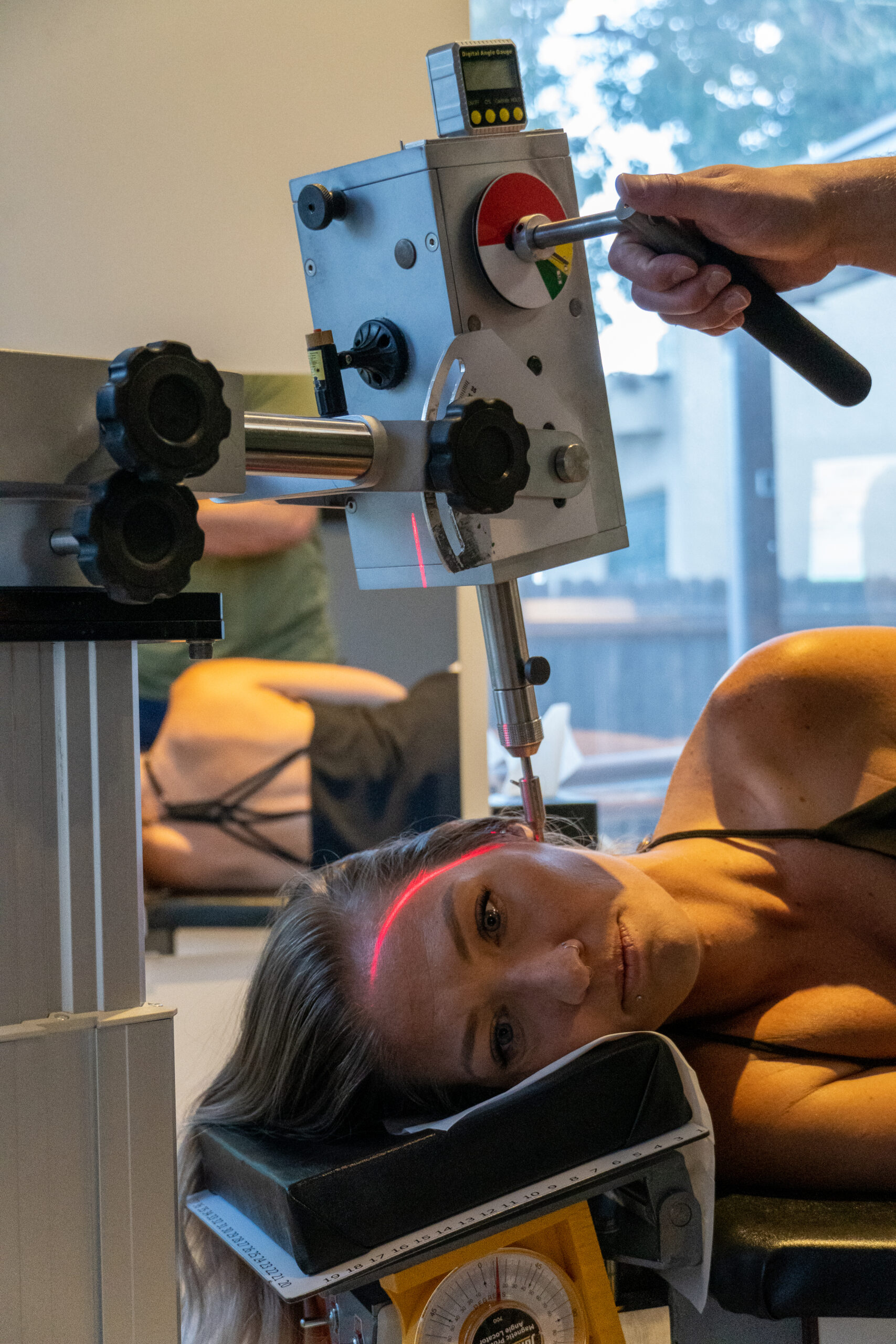
Chiropractors help restore joint function and alignment, which often results in improved mobility. They focus on joint mechanics and nervous system communication to restore ease of movement.
Benefits include:
- Relief from joint irritation
- Better movement coordination
- Improved nerve function
- Pain reduction alongside mobility gains
Massage therapists help release muscle tension and improve blood flow — which can significantly increase mobility in tight areas like shoulders, hips, and calves.
Many Denver studios offer classes that emphasize mobility through controlled movement, breath, and balanced strength. These modalities improve both flexibility and stability.
How Mobility Affects Everyday Life in Denver
Good mobility doesn’t just matter in the gym or on hiking trails — it affects everyday activities that Denver residents encounter:
Proper hip and ankle mobility helps you maintain form and reduce knee strain.
Mobility in ankles and hips keeps you stable on uneven terrain.
Hip extension, core stability, and ankle dorsiflexion support posture and stride.
Mobility in the thoracic spine and shoulders prevents stiffness from prolonged sitting.
Common Mobility Myths — Debunked
There are several misconceptions about mobility that can limit progress. Let’s clear them up:
|
Myth
|
Fact
|
|---|---|
Your Step-By-Step Mobility Action Plan for Denver
Here’s a simple plan you can start today:
Prioritize hips, hamstrings, and shoulders.
If sitting, stand and move.
Include mobility-focused strength training.
Consider a physical therapist, chiropractor, or mobility coach.
Journal improvements in range of motion, daily comfort, and activity ease.
Final Thoughts
Improved mobility is the key to living stronger, freer, and more comfortably — especially in an active community like Denver, Colorado. Whether you’re chasing outdoor adventures, improving your daily comfort at work, or preventing pain before it starts, mobility matters.
The good news? With consistency, targeted care, and the right blend of movement, strength, and professional support, you can improve your mobility — and move through life with confidence again.
© 2026 Denver Upper Cervical Chiropractic