

Degenerative Disc Disease in Denver: Understanding, Managing, and Preventing Chronic Spine Pain
Exploring the Unique Causes of Headaches in Denver and How Chiropractic Care Provides Relief
Degenerative Disc Disease (DDD) is a common condition that affects millions of adults, often leading to chronic neck or back pain, reduced mobility, and discomfort that impacts daily life. While the term may sound alarming, DDD is part of the natural aging process, though lifestyle, posture, and activity levels can accelerate its effects. For residents of Denver, where active outdoor lifestyles meet demanding work schedules, understanding DDD is critical for prevention, early detection, and effective treatment.
This comprehensive guide explores the causes, symptoms, treatment options, and local resources for managing Degenerative Disc Disease in Denver.
What is Degenerative Disc Disease?
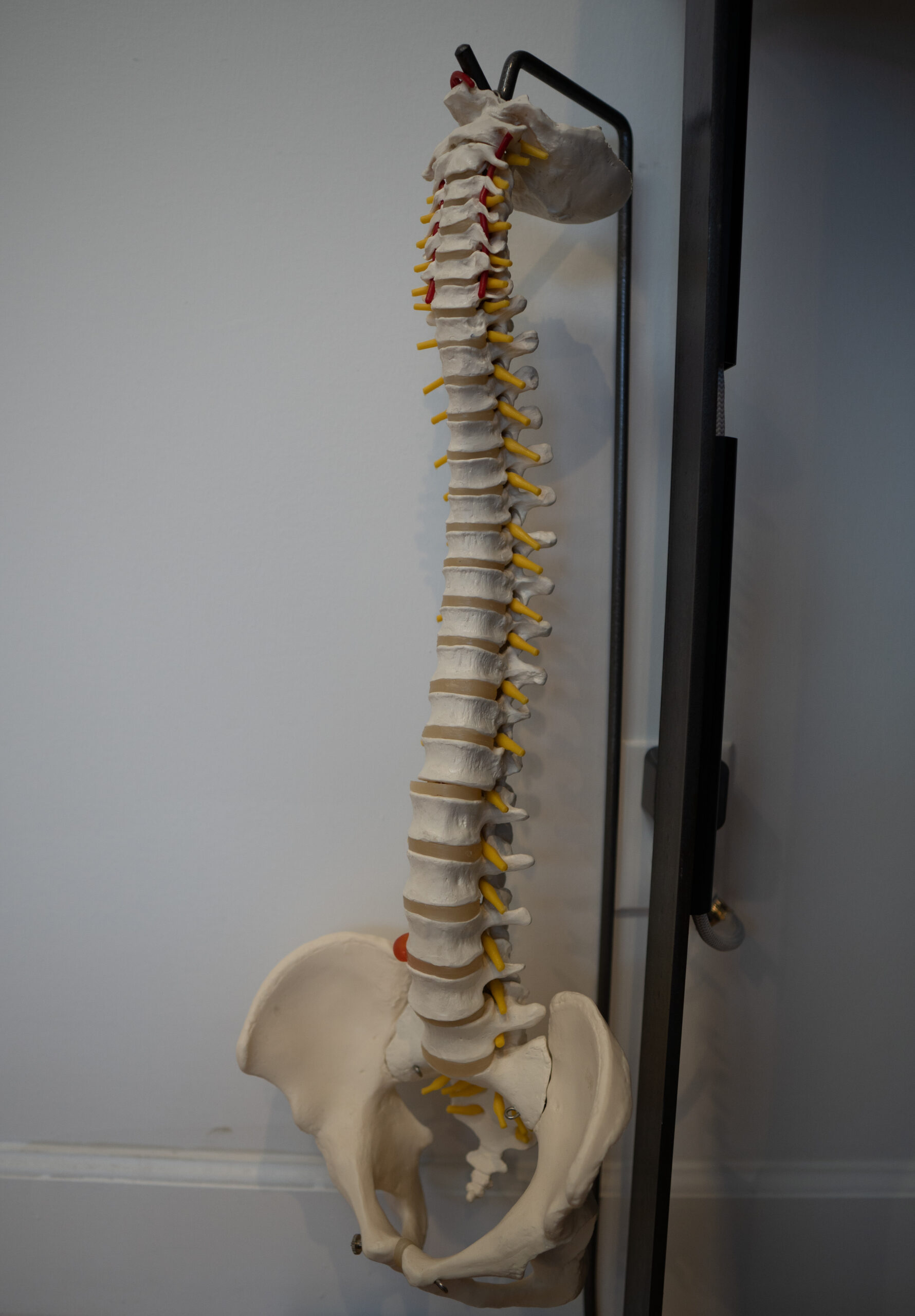
Degenerative Disc Disease occurs when one or more of the discs between your vertebrae begin to break down or lose their natural cushioning ability. Spinal discs act as shock absorbers, supporting weight and allowing flexibility. Over time, discs can dry out, flatten, or herniate, leading to nerve irritation, inflammation, and pain.
Key facts about DDD include:
- It commonly affects the cervical (neck) and lumbar (lower back) regions.
- Severity varies: some people experience mild discomfort, while others develop chronic pain.
- DDD is often age-related but can be influenced by genetics, injury, or lifestyle.
Symptoms of Degenerative Disc Disease
DDD symptoms can range from subtle to debilitating. Recognizing them early can prevent further deterioration:
- Chronic neck or back pain that worsens with movement
- Pain radiating into the shoulders, arms, hips, or legs
- Numbness or tingling in extremities due to nerve compression
- Muscle weakness
- Reduced flexibility or range of motion
- Pain that intensifies during prolonged sitting, standing, or bending
In Denver residents, symptoms often appear in combination with lifestyle factors such as prolonged computer use, skiing, cycling, or hiking.
Causes and Risk Factors
Several factors contribute to the development and progression of Degenerative Disc Disease:
Discs lose hydration and elasticity over time, reducing their ability to absorb shock and maintain spinal spacing.
Some individuals inherit a predisposition to weaker discs or earlier onset of degeneration.
Falls, sports injuries, or car accidents can accelerate disc degeneration. Whiplash injuries are particularly impactful on cervical discs.
Jobs or activities that involve heavy lifting, twisting, or prolonged sitting can strain spinal discs.
Forward head posture, slouched sitting, and improper ergonomics increase spinal load, contributing to disc wear over time.
Nicotine reduces blood flow to spinal discs, impairing their ability to repair naturally.
How DDD Affects Nerve Function
Degenerating discs may lose height or bulge, reducing space for nerves in the spinal canal or foramina. This can lead to nerve compression, which may cause:
- Radiating pain into the arms, shoulders, or legs
- Tingling or numbness
- Muscle weakness
- Reflex changes in affected limbs
Addressing the underlying disc degeneration can reduce nerve irritation and prevent chronic pain patterns.
Diagnosing Degenerative Disc Disease
Diagnosis typically involves a combination of:
- Medical history and symptom assessment
- Physical examination to test flexibility, strength, and neurological function
- Imaging studies such as X-rays, MRI, or CT scans to visualize disc health
Early diagnosis is key to managing DDD before severe degeneration occurs.
Degenerative Disc Disease Treatment Options in Denver
For residents seeking relief from DDD, several conservative and non-invasive options are available before considering surgery.
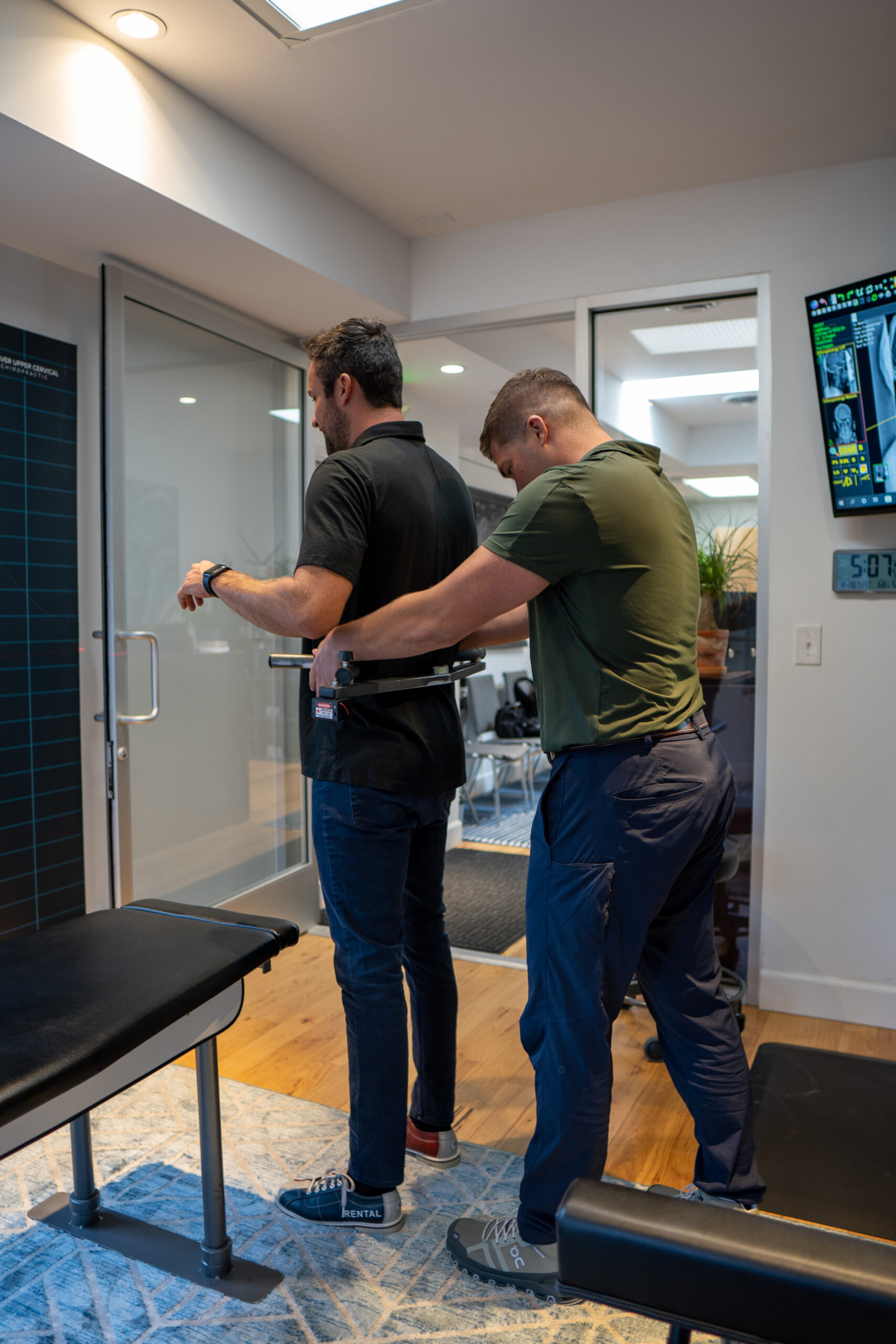
Chiropractic adjustments help restore proper spinal alignment, reduce nerve compression, and improve mobility.
- Upper cervical care may relieve neck-related symptoms that radiate into the arms.
- Lumbar and thoracic adjustments can support lower back discs and alleviate sciatic symptoms.
Clinics such as Denver Upper Cervical Chiropractic specialize in precise, gentle corrections for DDD patients.
Targeted exercises strengthen supporting muscles, improve posture, and reduce disc stress:
- Core and spinal stabilization
- Stretching tight muscles
- Strengthening weakened muscles
- Nerve mobilization techniques
Simple daily changes can slow DDD progression and reduce pain:
- Maintain proper posture while sitting and standing
- Use ergonomic chairs and desks
- Avoid prolonged periods of inactivity
- Incorporate low-impact exercises like swimming, walking, or cycling
For acute flare-ups, doctors may recommend:
- Non-steroidal anti-inflammatory drugs (NSAIDs)
- Heat or cold therapy
- Activity modification
Surgery is generally considered a last resort for severe cases, including:
- Spinal fusion
- Artificial disc replacement
Most patients achieve relief with conservative care before surgical options are necessary.
Preventing Further Degeneration
While aging cannot be stopped, the progression of DDD can be slowed with preventive measures:
- Strengthen postural and core muscles
- Maintain a healthy weight to reduce spinal load
- Avoid smoking
- Use proper lifting techniques
- Practice regular stretching and mobility exercises
- Schedule routine spinal evaluations
When to Seek Professional Care
Seek evaluation from a spinal specialist or chiropractor if you experience:
- Persistent neck or back pain that does not improve with rest
- Radiating pain, numbness, or tingling
- Muscle weakness
- Reduced ability to perform daily tasks
Early intervention helps manage symptoms and prevents further degeneration.
Living with Degenerative Disc Disease in Denver
Residents of Denver face unique challenges and opportunities when managing DDD:
- Active outdoor lifestyles (hiking, skiing, cycling) can strain degenerating discs but also strengthen supportive muscles when done with proper precautions.
- Altitude considerations may increase fatigue and muscle tension, requiring mindful activity pacing.
- Access to local care provides specialized chiropractic, physical therapy, and rehabilitation services tailored to the Denver community.
Local specialists understand how to balance active lifestyles with spinal health, allowing patients to maintain mobility and enjoyment of daily life.
Long-Term Outlook for DDD
Degenerative Disc Disease is a manageable condition. Most patients experience:
- Reduced pain with conservative care
- Improved mobility and spinal function
- Prevention of further disc degeneration
- Better quality of life for work, exercise, and daily activities
With early intervention, proper spinal care, and lifestyle modifications, DDD patients can maintain an active and healthy lifestyle in Denver.
Final Thoughts: Protect Your Spine, Improve Your Life
Degenerative Disc Disease does not have to define your daily life. Recognizing symptoms, seeking timely care, and adopting healthy lifestyle habits are key to managing pain and maintaining mobility.
For Denver residents experiencing chronic neck or back pain, consulting local specialists such as chiropractors, physical therapists, or spine-focused medical providers can help address the root cause, reduce nerve compression, and restore function.
By proactively managing your spinal health, you can continue to enjoy Denver’s active outdoor lifestyle while protecting your spine for years to come.
© 2026 Denver Upper Cervical Chiropractic