

Chronic Pain Relief Utilizing Chiropractic Adjustment: A Comprehensive Guide
Chronic pain affects millions of people worldwide, shaping daily life, limiting mobility, and often requiring medication or invasive interventions with varying success and side effects. What many patients don’t realize is that chronic pain often arises from structural imbalance long before it becomes a symptom — and that addressing the root cause of pain can offer more lasting relief than simply masking the discomfort.
Chiropractic adjustment is one such approach that focuses on structural function, spinal alignment, and nervous system optimization — all with the goal of reducing chronic pain in a drug‑free, non‑invasive way. At Denver Upper Cervical Chiropractic, upper cervical chiropractic care — particularly focused on the top of the spine — is used to help patients who suffer from various forms of chronic pain regain function and quality of life.
In this article, we’ll explore:
- What chronic pain is and why it can persist
- How chiropractic care works
- Why spinal alignment matters to chronic pain
- The science behind chiropractic adjustments and pain relief
- Upper cervical chiropractic care in particular
- Patient experiences and expected outcomes
- Practical recommendations for those considering care
1. Understanding Chronic Pain
Chronic pain is defined as pain that persists for longer than three months — well beyond the time it takes most injuries to heal. Unlike acute pain, which serves as a protective warning signal, chronic pain may continue even when the original cause is no longer active. Causes include:
- Persistent joint dysfunction
- Disc degeneration
- Nerve compression or irritation
- Muscular imbalance
- Improper posture
- Old injuries that never fully healed
These ongoing problems often lead to a cycle of pain, tissue tension, inflammation, and compensatory motion, which makes recovery more complicated over time.
Chronic pain doesn’t just affect movement — it can impact mood, sleep, emotional health, and even overall nervous system function.
2. How Chiropractic Care Works for Chronic Pain
Chiropractic care is a conservative, non‑invasive approach that seeks to restore normal function to the spine and nervous system. At its core is the chiropractic adjustment — a skilled, controlled force applied to a joint to improve alignment and mobility.
At Denver Upper Cervical Chiropractic, the focus is on upper cervical chiropractic care, which emphasizes the alignment of the upper spine — specifically the first two vertebrae (C1 and C2). Misalignments here can affect the entire spine and nervous system, and correcting these misalignments through precise adjustment may help reduce chronic pain at its source rather than merely relieving symptoms.
According to the practice, chronic pain relief is one of their core areas of care, helping individuals recover from a variety of causes such as car accidents, sports injuries, and long‑standing back or neck pain.
3. Why Spinal Alignment Matters for Pain Relief
a) Structural Integrity and Load Distribution
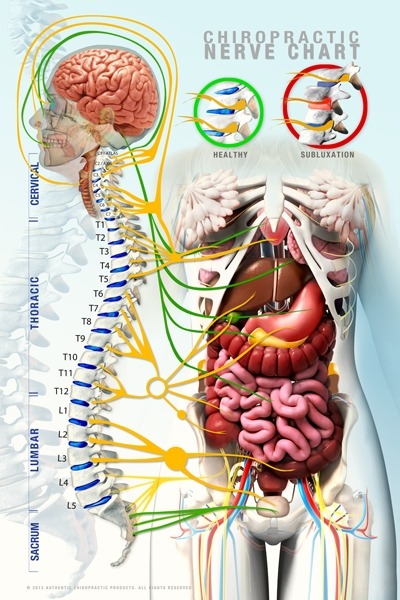
The spine is the primary support structure for the body. Misaligned vertebrae — often called subluxations in chiropractic terminology — can change the way joints move and how muscles bear weight. These dysfunctional movement patterns increase strain on tissues, contributing to chronic pain.
When the upper spine is misaligned, it disrupts balance and alignment throughout the entire spinal column. This can lead to compensatory changes in posture and muscle use, further reinforcing pain cycles.
b) Nervous System Function
Perhaps most importantly, spinal misalignment can interfere with the nervous system’s ability to communicate properly with the rest of the body. Nerves exiting the spine control muscle function, sensation, organ function, and tissue healing. Even a small change in alignment — especially in the flexible upper cervical region — can create irritation or tension that affects how nerves transmit signals throughout the body.
Upper cervical chiropractic care aims to correct these misalignments, promoting clearer nerve communication and allowing the body to function more efficiently — which may help reduce pain at its source.
4. The Science Behind Chiropractic Adjustment and Pain Reduction
While chronic pain is multifactorial and complex, research — including small controlled studies — supports the idea that chiropractic care can reduce chronic pain.
A study published on PubMed examining chronic neck pain patients found that 12 weeks of chiropractic care led to significant improvements in pain intensity and neurological processing patterns in the brain compared with a control period. This suggests that spinal adjustments may influence not only biomechanical factors but also neural pathways related to pain perception and function.
This type of change — involving neuroplasticity and pain modulation — may help explain why many patients report reductions in chronic pain, even after traditional treatments offered limited benefit.
Other research also supports the efficacy of chiropractic adjustments for chronic neck and back pain, showing comparable outcomes to standard medical or physical therapy approaches. These findings have been incorporated into evidence‑based clinical guidelines that recognize spinal manipulation as a valid option for adults with specific types of neck pain.

5. What Makes Upper Cervical Chiropractic Unique
Upper cervical chiropractic is a subspecialty within chiropractic care that precisely targets the top two vertebrae (C1 and C2). These vertebrae play a pivotal role because:
- They support the skull
- They are the most mobile parts of the spinal column
- They influence the alignment of the entire spine
- They sit very close to the brainstem and numerous nerve pathways
At Denver Upper Cervical Chiropractic, practitioners use gentle, instrument‑assisted adjustments and thorough diagnostic imaging (including 3‑D digital X‑ray analysis) to detect misalignments and determine the precise vector for correction. This level of precision reduces discomfort and enhances adjustment effectiveness.
Their care philosophy emphasizes fixing the root cause of pain and supporting the body’s natural healing ability, rather than relying on frequent, indefinite treatment plans.
Because upper cervical adjustments are very targeted and gentle, they are often well‑tolerated by people who may be sensitive to traditional, higher‑force chiropractic techniques.
6. Chronic Pain Conditions That May Respond to Chiropractic Adjustment
Chronic pain is not a single condition — it covers a wide range of presentations. Chiropractic adjustments have been reported to help with:
a) Chronic Neck Pain
Upper cervical care often produces notable improvement because neck misalignment can directly irritate nerves and muscles. Many patients notice enhanced mobility and reduced stiffness after a series of adjustments.
b) Chronic Back PainThough the upper cervical focus seems distant, realigning the top of the spine can influence overall posture and spinal mechanics, helping reduce chronic low back pain indirectly.
c) Headaches and Migraines
Alignment issues in the neck can strain muscles, affect nervous system signaling, and contribute to tension headaches or migraine patterns — adjustments may help relieve these persistent symptoms.
d) Post‑Injury Pain
People with chronic pain stemming from car accidents, sports injuries, or repetitive strain often find chiropractic care (in combination with lifestyle changes and education) helps reduce pain and improve function.e) Fibromyalgia and Widespread Pain
Some practices report improvement in fibromyalgia tenderness and fatigue, perhaps due to improved nervous system function and reduced tension after alignment.
7. What to Expect During Chiropractic Treatment for Chronic Pain
At Denver Upper Cervical Chiropractic, the treatment process typically includes:
Initial Evaluation and Imaging
New patients meet with Dr. Ty Carzoli and the team for a thorough consultation that may include digital X‑rays and a physical exam to assess alignment and pain patterns.
Instrument‑Assisted Adjustment
Instead of forceful thrusts, adjustments are delivered with precision instruments that apply gentle force in the exact direction indicated by imaging and analysis. This method aims to realign vertebrae with minimal discomfort.
Progress Monitoring
Follow‑up visits reassess pain, range of motion, neurological function, and structural alignment to ensure the care plan adapts to patient progress.
Education and Prevention
Patient education on posture, daily habits, ergonomics, and lifestyle factors forms part of care, helping patients maintain improvements and reduce recurrence of chronic pain.
8. The Broader Benefits Beyond Pain Relief
While the primary goal of chiropractic care for chronic pain is to reduce discomfort and improve function, many patients also report:
Enhanced Mobility and Range of Motion
With spinal alignment restored, joints and muscles move more freely — often leading to better performance in daily tasks and exercise.
Improved Nervous System Regulation
Proper alignment can improve how the nervous system sends signals throughout the body, possibly reducing stress, enhancing mood, and supporting better organ function.
Reduced Dependence on Medications
By addressing structural causes, patients may find less need for long‑term use of pain medications — which can have side effects and risks.
Better Sleep and Overall Well‑Being
Reduction in chronic pain often leads to improved sleep, better emotional resilience, and higher energy levels — all important components of a healing environment for the body. (This effect is widely reported in patient outcomes, though individual results vary.)
9. Safety Considerations
Chiropractic adjustments — especially gentle, upper cervical techniques — are generally considered safe when performed by licensed and credentialed practitioners. However, like all treatments, they may carry rare risks — including soreness, stiffness, or, in extremely rare cases, more serious complications. It’s important to discuss medical history, conditions such as osteoporosis or spinal abnormalities, and expectations with your chiropractor before starting care.
10. Are Chiropractic Adjustments Right for You?
Chiropractic care is not a one‑size‑fits‑all solution, but for many people living with chronic pain, it provides a viable, drug‑free, and non‑invasive option to explore before or alongside conventional medical approaches.
People most likely to benefit include those who:
- Have chronic neck or back pain resistant to other therapies
- Experience headaches linked to spinal tension
- Have postural imbalance or compensatory motion patterns
- Seek a root‑cause focus rather than symptom suppression
- Prefer natural, conservative care over long‑term medication
Before beginning care, a consultation with a qualified upper cervical chiropractor like those at Denver Upper Cervical Chiropractic can help determine whether your condition is appropriate for chiropractic adjustment and how chronic pain may respond to care.
Conclusion
Chronic pain can be debilitating, persistent, and frustrating — especially when traditional treatments only address symptoms rather than structural causes. Chiropractic adjustment, particularly upper cervical chiropractic care, offers a holistic approach that focuses on promoting the body’s natural healing ability by ensuring proper spinal alignment and nervous system communication.
By aligning the spine — especially the upper cervical region — chiropractic care aims to relieve pressure on nerves, reduce compensatory muscle strain, and restore more balanced biomechanics, all of which can contribute to meaningful chronic pain relief. Backed by clinical observations, patient reports, and emerging research, this form of care provides a promising avenue for people seeking long‑term improvement in pain and quality of life.
© 2026 Denver Upper Cervical Chiropractic