

Car Accident: Understanding Injury, Recovery, and Chiropractic Care for Lasting Healing
Car accidents are sudden, often traumatic events that can have lasting effects on the body—even if the collision wasn’t high‑speed or didn’t result in immediately noticeable injury. Many people walk away after an accident believing they’re “okay,” only to develop pain, stiffness, headaches, dizziness, or other chronic symptoms days or weeks later. Because injuries from car crashes can be subtle, complex, and widespread, it’s important to understand not just what happens to the body in a collision but also how proper care such as chiropractic adjustments can help promote healing.
At Denver Upper Cervical Chiropractic, patients routinely seek care after auto accidents because of pain, nervous system irritation, and spinal misalignment that can result from even seemingly minor collisions. The clinic focuses on upper cervical chiropractic care, which emphasizes precise alignment of the top of the spine to support nervous system function and larger‑scale musculoskeletal recovery.
In this article you’ll learn:
- What happens to the body during a car accident
- Common types of injuries after a crash
- Why many symptoms emerge later
- How chiropractic care — especially upper cervical — supports recovery
- Benefits of chiropractic care after a car accident
- When to seek care and why timing matters
- What a patient can expect during treatment
- Tips for navigating recovery and insurance
- What happens to the body during a car accident
1. What Happens to the Body During a Car Accident
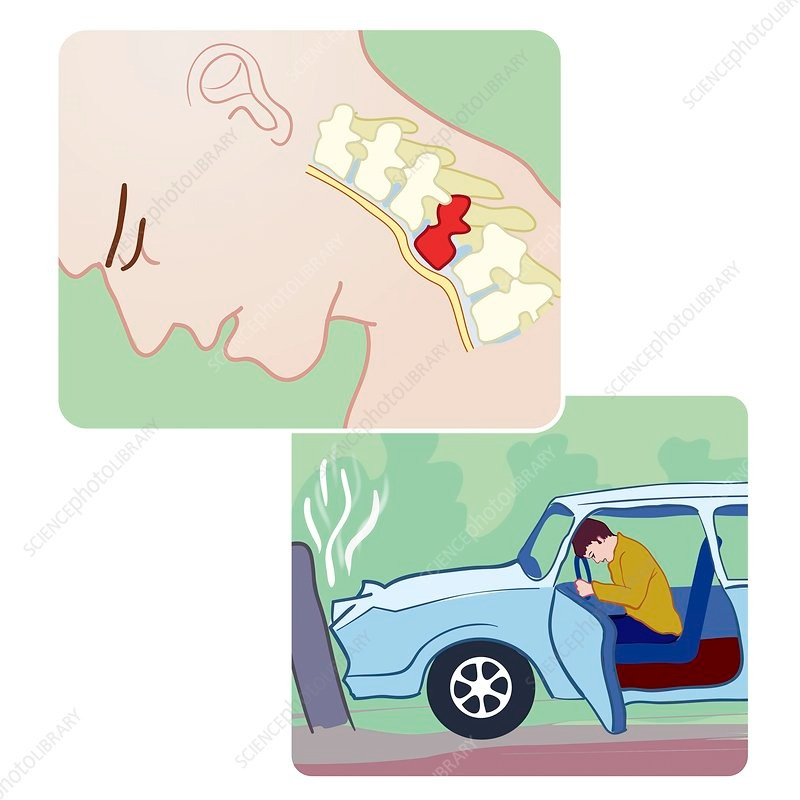
When a vehicle suddenly stops or is struck by another, the body doesn’t stop moving at the same time — inertia keeps the head, neck, and torso going even when the seatbelt restrains the body. This rapid motion, especially in rear‑end collisions, causes the neck to whip forward and back in a motion commonly known as whiplash.
This sudden motion may:
- Stretch or tear ligaments
- Strain muscles
- Misalign spinal vertebrae
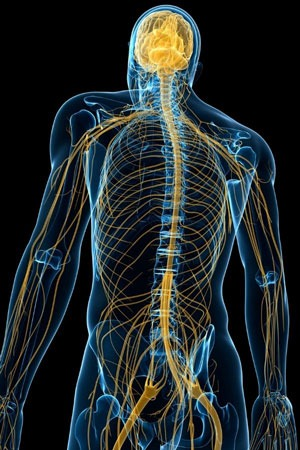
- Irritate the nervous system
- Affect joints and discs throughout the back, shoulders, and neck
Even at low speeds, the force involved can be enough to disrupt normal spinal alignment and cause soft tissue injury. Many of these injuries are invisible on standard medical imaging yet still affect how you feel and function day to day.
2. Common Injuries After a Car Accident
Car accident injuries range from mild to severe, but many share underlying patterns that chiropractic care can address:
Whiplash and Neck Strain
This is one of the most common injuries from auto collisions. It occurs when the neck experiences rapid extension and flexion, leading to possible misalignment in cervical vertebrae (especially C1 and C2) and strain in muscles or ligaments.
Spinal Misalignment
The spine’s upper vertebrae (atlas and axis) are especially mobile and lack the interlocking joints that protect other parts of the spinal column, making them vulnerable to misalignment during traumatic events like car accidents. A misaligned spine can disrupt nervous system communication and lead to pain or dysfunction throughout the body.
Back, Shoulder, and Lower Body Pain
Pain may emerge in the back, shoulders, hips, or legs depending on how the body absorbs the force of the collision and how muscles compensate for initial injuries. Chiropractors commonly observe these patterns in auto‑accident cases.
Headaches and Dizziness
Persistent headaches can develop following cervical misalignment, and vertigo or balance problems may result from irritation to nerves or damage to soft tissues that support head movement.
Soft Tissue Damage and Scar Tissue Formation
Tissues stretched or partially torn during a crash often develop scar tissue as they heal — which can restrict movement and cause lingering discomfort if not treated effectively.
3. Why Symptoms May Emerge Days or Weeks Later
It’s common for discomfort not to appear until hours or days after an accident because the body releases adrenaline and endorphins during and immediately after trauma, temporarily masking pain. Once these hormones wear off, inflammation and irritation caused by injuries can surface.
Furthermore, subtle injuries like ligament sprains, small misalignments, or nerve irritation may not cause instant pain — but they disrupt how muscles fire and how joints move, leading over time to:
- Increasing stiffness
- Chronic pain
- Referred pain (pain felt in different areas than the injury)
- Compromised range of motion
- Secondary muscular compensation patterns
This delayed onset is why medical or chiropractic evaluation soon after an accident is often recommended, even if initial pain is mild or absent.
4. How Chiropractic Care — Especially Upper Cervical — Supports Recovery
Chiropractic care is a conservative, non‑invasive treatment option that focuses on restoring normal spinal alignment and optimizing the body’s ability to heal. Rather than just masking symptoms, chiropractors work to address the underlying biomechanical dysfunctions that contribute to chronic pain and limited mobility.
Upper cervical chiropractic care, such as that provided at Denver Upper Cervical Chiropractic, focuses especially on the alignment of the upper cervical spine (C1 and C2) — the two most mobile vertebrae in the spinal column. Misalignments in this area can cause widespread nervous system disruption, which may worsen or prolong post‑accident symptoms.
By using precise diagnostic techniques — including advanced 3‑D digital imaging — and gentle, instrument‑assisted adjustments, upper cervical chiropractors aim to restore normal alignment with minimal force.
Correcting misalignment helps:
- Reduce irritation to the spinal cord and nerve roots
- Improve joint mobility and flexibility
- Decrease inflammation
- Restore balance to muscles and postural support systems
- Enhance the body’s natural healing capabilities
This approach also tends to be more comfortable and safer for a wide range of patients, from infants to seniors, because it avoids forceful high‑velocity adjustments.
5. Benefits of Chiropractic Care After a Car Accident
Chiropractic care after an auto collision offers many potential advantages — especially when started early:
Pain Relief Without Medication
Chiropractic adjustments can reduce pain caused by misalignment and soft tissue strain without relying on drugs, which often only mask symptoms. This is a cornerstone benefit of chiropractic recovery.
Reduction in Inflammation
Inflammation is the body’s natural response to injury, but prolonged inflammation can slow healing and cause discomfort. Adjustments help reduce stress on tissues and may promote better lymphatic and circulatory flow, aiding the inflammatory response.
Restoration of Range of Motion
Restricted movement is common after an accident due to pain, swelling, scar tissue, and misalignment. Chiropractic care helps realign joints and improve flexibility and movement.
Prevention of Long‑Term Complications
Early intervention may prevent minor injuries from becoming chronic problems. Untreated misalignments and soft tissue damage can lead to secondary issues like early degeneration, chronic pain syndromes, or compensatory injuries in other parts of the body.
Non‑Invasive and Drug‑Free
One of the biggest benefits of chiropractic care is that it avoids surgery and medication — making it a safer first line of treatment for many accident victims.
Whole‑Body Support
Beyond pain relief, chiropractic care aims to improve nervous system function, posture, and biomechanics — all of which contribute to long‑term wellness. This systemic support is particularly important when injuries are complex or widespread.
6. Timing Matters: Why Early Care Helps
Experts in auto injury recovery emphasize the importance of seeking treatment as soon as possible after a collision, even if symptoms aren’t immediate. Many injuries are hidden at first and become more complicated over time if left untreated.
Within the first few days after a crash:
- Inflammation peaks
- Scar tissue begins forming
- Muscles tighten to protect injured areas
- Misalignments can become entrenched
Getting chiropractic care early can help prevent these processes from setting in firmly by:
- Reducing inflammation naturally through joint mobilization
- Maintaining proper movement patterns
- Encouraging scar tissue to form in a more functional, flexible manner
- Helping collagen lay down in a supportive pattern rather than rigid adhesions
- Supporting nervous system communication early in the healing process
Patients who delay treatment often find their symptoms become more entrenched and harder to resolve, potentially leading to chronic pain.
7. What to Expect During Chiropractic Treatment
At Denver Upper Cervical Chiropractic, the approach begins with:
Comprehensive Assessment
New patients typically receive a detailed evaluation that may include physical exams, posture analysis, and 3‑D X‑ray imaging to determine misalignment patterns and how they affect the nervous system and body mechanics.
Individualized Treatment Plan
Based on assessment results, the chiropractor designs a tailored care plan involving gentle upper cervical adjustments targeted to correct specific misalignments.
Precise, Gentle Adjustments
Unlike traditional forceful manipulation, upper cervical care uses instrument‑assisted methods and specific vectors to align the upper spine gently but effectively.
Progress Monitoring
Follow‑up visits monitor changes in alignment, range of motion, and symptom improvement to adjust the care plan and optimize results.
Education and Support
Chiropractors also provide guidance on posture, lifestyle adjustments, and exercises that support long‑term recovery and help prevent reinjury.
8. Insurance and Practical Considerations
In Colorado, as in many states, at‑fault auto insurance policies typically cover necessary medical expenses after a collision — including chiropractic care — under Medical Payment (MedPay) provisions. This means that treatment can often begin quickly without waiting for lengthy claims processes.
If MedPay is exhausted, health insurance or attorney liens may help cover ongoing care. Working with experienced providers familiar with auto injury claims can make the logistical side of recovery easier.
Conclusion: A Holistic Path to Recovery After a Crash
Car accidents can destabilize the body in ways both obvious and hidden. Because the spine — especially the upper cervical region — plays a central role in supporting movement and protecting the nervous system, misalignments from auto trauma can lead to pain, dysfunction, stiffness, and long‑term complications if left untreated.
Chiropractic care, and specifically upper cervical chiropractic care, offers a natural, non‑invasive, and patient‑focused approach to helping your body heal after a collision. By addressing structural alignment and nervous system communication early, chiropractic care can reduce pain, improve mobility, support nervous system function, and promote holistic recovery.
Whether you’re experiencing neck pain, headaches, back soreness, or general discomfort after a car accident, seeking professional chiropractic evaluation as soon as possible — even if symptoms are not yet severe — can be a wise step toward long‑term health and stability.
© 2026 Denver Upper Cervical Chiropractic