

Axis Vertebrae (C1 and C2) in Denver: Understanding the Backbone of Neck Health
Exploring the Unique Causes of Headaches in Denver and How Chiropractic Care Provides Relief
The axis vertebrae, comprising C1 (atlas) and C2 (axis), are the top two vertebrae in the cervical spine and play a critical role in supporting the head, facilitating movement, and protecting the spinal cord. Misalignments or dysfunction in these vertebrae can have far-reaching effects, including chronic neck pain, headaches, nerve compression, and postural issues. For residents of Denver, understanding the importance of the C1 and C2 vertebrae is essential for maintaining spinal health and overall wellness.
This comprehensive guide explores the anatomy and function of the axis vertebrae, common issues, symptoms, diagnosis, treatment options in Denver, and strategies for prevention and recovery.
Anatomy and Function of C1 and C2
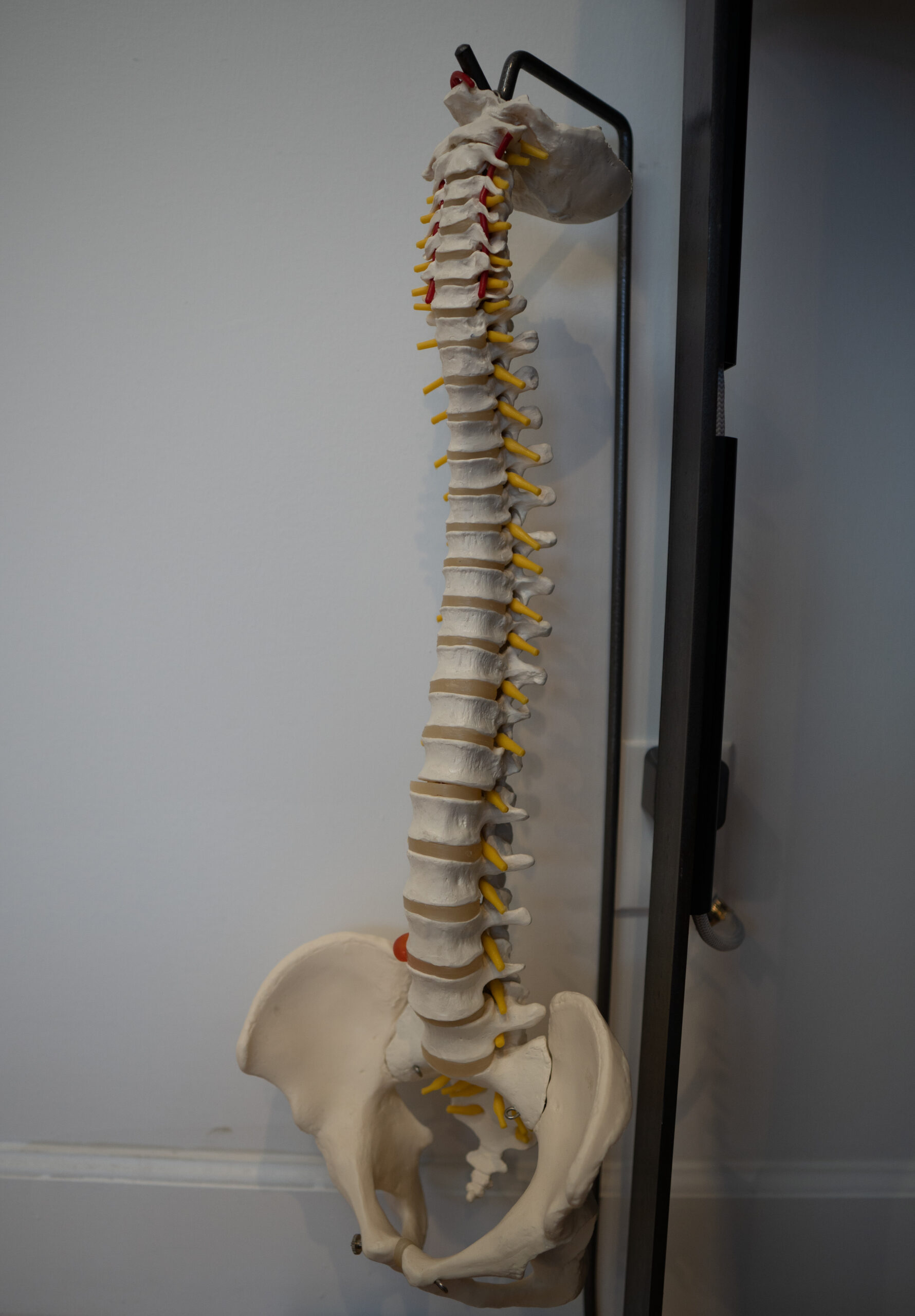
The C1 vertebra, known as the atlas, is the first cervical vertebra and directly supports the skull. Its primary functions include:
- Supporting the weight of the head – allowing the nodding motion (“yes” movement)
- Protecting the brainstem and upper spinal cord
- Facilitating nerve signal transmission – ensuring communication between the brain and body
The C2 vertebra, known as the axis, sits directly below the atlas and provides a pivot point for the head:
- Enables rotation of the head (“no” movement)
- Maintains cervical stability
- Protects nerves and the spinal cord
Together, C1 and C2 form a complex joint that allows smooth head movement while ensuring that the nervous system remains protected. Misalignment or injury to these vertebrae can disrupt spinal mechanics and cause nerve interference.
Common Issues Affecting the Axis Vertebrae
Several factors can lead to dysfunction in the C1 and C2 vertebrae:
- Car accidents and sudden impacts
- Falls or sports-related injuries
- Physical trauma to the head or neck
Even minor trauma can shift these vertebrae slightly out of alignment, creating pain and nerve irritation.
- Forward-head posture from prolonged computer or phone use
- Slouching during sitting or sleeping
- Chronic neck strain from daily activities
Over time, poor posture can cause misalignment in the upper cervical spine, affecting C1 and C2.
Age-related wear and tear, such as disc degeneration or osteoarthritis, can impact the function of C1 and C2, leading to stiffness, nerve compression, and reduced range of motion.
Past neck or spinal injuries can destabilize the upper cervical region, making the axis vertebrae more prone to misalignment and chronic discomfort.
Symptoms of Axis Vertebrae Dysfunction
Misalignments or issues with C1 and C2 can produce symptoms beyond the neck due to nerve involvement and postural compensation. Common signs include:
- Chronic neck pain or stiffness
- Headaches and migraines
- Dizziness or balance problems
- Pain radiating to the shoulders, arms, or upper back
- Fatigue or difficulty concentrating
- Muscle tension in the upper back and shoulders
- Tingling, numbness, or weakness in the arms or hands
Because these vertebrae protect the brainstem and facilitate nerve communication, even minor misalignments can lead to systemic symptoms that seem unrelated to the neck itself.
How C1 and C2 Misalignments Affect the Nervous System
The atlas and axis encase and protect the brainstem, the hub of nerve signal transmission between the brain and body. Misalignment can:
- Compress or irritate spinal nerves
- Impair nerve signaling to the shoulders, arms, and upper back
- Trigger muscle imbalances and postural strain
- Contribute to chronic pain, headaches, or neurological symptoms
This explains why patients often experience discomfort in areas distant from the cervical spine. Addressing C1 and C2 misalignments is critical for whole-body relief.
Diagnosing Issues with the Axis Vertebrae
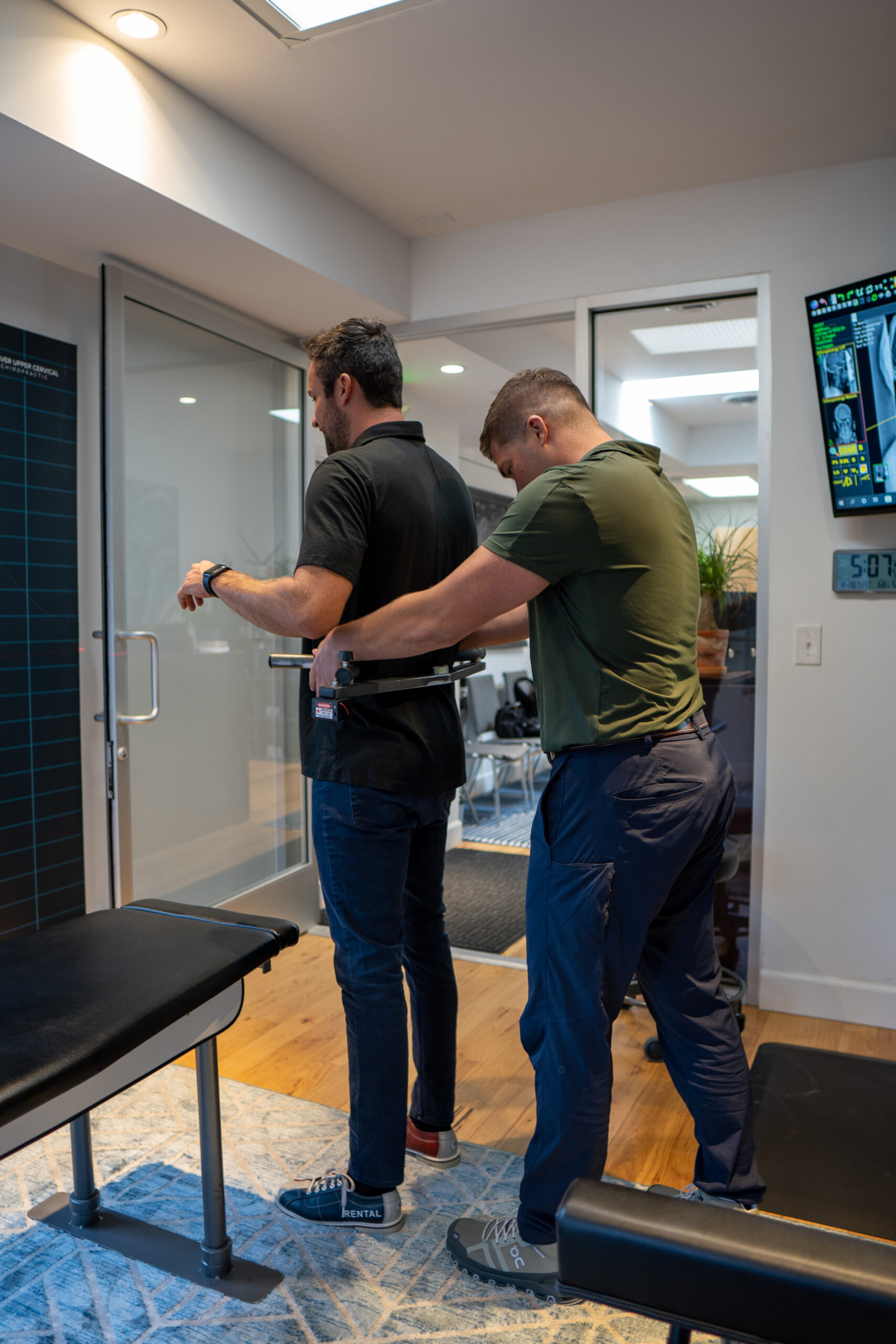
Accurate diagnosis is essential because misalignments can be subtle and difficult to detect on standard imaging. Denver specialists typically use:
- Specialized upper cervical X-rays – precise measurement of vertebral alignment
- Postural and movement analysis – identifying compensatory patterns
- Neurological assessment – testing reflexes, muscle strength, and sensation
- Comprehensive patient history – reviewing trauma, lifestyle factors, and symptom patterns
Early diagnosis ensures targeted treatment, reducing the risk of chronic nerve or musculoskeletal complications.
Prevention of Axis Vertebrae Dysfunction
Preventive measures help maintain upper cervical health and reduce systemic symptoms:
- Strengthen neck, shoulder, and upper back muscles
- Maintain proper posture during work and daily activities
- Avoid repetitive strain or trauma
- Schedule routine upper cervical evaluations
- Stay active with low-impact exercises to maintain flexibility and spinal health
For Denver residents, proactive care is especially beneficial for those engaging in hiking, skiing, cycling, and other high-impact activities.
Living with C1 and C2 Issues in Denver
The function of the atlas and axis affects not only neck health but overall quality of life. Residents can experience improved wellness through targeted care:
- Outdoor enthusiasts: Proper alignment enhances balance and mobility for skiing, hiking, and cycling.
- Office workers: Correcting misalignments relieves tension from prolonged desk work.
- Active adults: Maintaining C1 and C2 alignment reduces the risk of secondary spinal issues and improves performance.
Addressing upper cervical dysfunction early can prevent chronic pain and systemic symptoms, allowing residents to enjoy Denver’s active lifestyle.
When to Seek Professional Care
Residents should seek evaluation if they experience:
- Persistent neck pain or stiffness
- Chronic headaches or migraines
- Tingling, numbness, or weakness in the arms or shoulders
- Dizziness or balance issues
Early intervention restores C1 and C2 alignment, relieves nerve interference, and improves overall function and comfort.
Treatment Options in Denver
For residents searching for “upper cervical care near me” or “Denver chiropractor for C1 and C2 alignment,” several conservative treatment options are available:
Chiropractic care focused on C1 and C2 emphasizes gentle, precise adjustments:
- Restores proper alignment of the atlas and axis
- Reduces nerve compression affecting shoulders, arms, and upper back
- Improves posture and spinal stability
- Alleviates headaches, neck pain, and systemic discomfort
Local clinics such as Denver Upper Cervical Chiropractic specialize in upper cervical care, using techniques that target the root cause of pain and dysfunction.
Physical therapy complements chiropractic care by strengthening supporting muscles and improving movement patterns:
- Cervical and upper back strengthening exercises
- Stretching and releasing tension in tight muscles
- Postural retraining
- Balance and coordination exercises
Simple daily habits can help maintain alignment and prevent further issues:
- Ergonomic workstation setup
- Proper sleeping positions and supportive pillows
- Regular movement breaks and stretching
- Avoiding prolonged forward-head posture
Acute symptoms may require temporary interventions:
- Heat or cold therapy
- Non-steroidal anti-inflammatory drugs (NSAIDs)
- Activity modification to reduce stress on the cervical spine
Surgery is rarely needed for C1 and C2 issues and is generally reserved for severe trauma or structural instability. Most patients achieve relief with conservative care.
Long-Term Outlook
With proper care, dysfunction in the axis vertebrae can be effectively managed, leading to:
- Reduced neck, shoulder, and upper back pain
- Improved posture and spinal alignment
- Enhanced nervous system function
- Prevention of long-term degenerative changes
- Better overall quality of life
Conservative care, including precise upper cervical chiropractic adjustments, physical therapy, and lifestyle modifications, addresses the root cause of C1 and C2 dysfunction rather than just treating symptoms.
Final Thoughts: The Axis Vertebrae Are the Backbone of Neck Health
The C1 and C2 vertebrae are small but crucial components of spinal and nervous system health. Misalignments or dysfunction in these vertebrae can cause neck pain, headaches, nerve compression, and systemic symptoms in the shoulders, arms, and back.
Denver residents experiencing chronic cervical discomfort or systemic symptoms should consult specialists trained in upper cervical care. Correcting misalignments of C1 and C2 can restore proper nerve function, relieve pain, and allow individuals to enjoy an active, healthy lifestyle — from hiking the Rockies to skiing local slopes — without limitation.
© 2026 Denver Upper Cervical Chiropractic