

Chronic Neck Pain: Common Causes and When to Seek Treatment
Exploring the Unique Causes of Headaches in Denver and How Chiropractic Care Provides Relief
Neck pain is one of the most common musculoskeletal complaints among adults. While occasional stiffness after sleeping in an awkward position or spending hours at a desk is usually temporary, chronic neck pain is different. Pain that lasts for weeks or months can interfere with work, sleep, exercise, and everyday activities. If left untreated, it may become more severe and affect your overall quality of life.
Understanding the causes of chronic neck pain and knowing when to seek professional treatment can help prevent long-term complications. At Denver Upper Cervical, we focus on identifying the underlying cause of neck discomfort rather than simply masking symptoms, helping patients throughout Denver and the surrounding communities find lasting relief.
What Is Chronic Neck Pain?
Chronic neck pain is generally defined as neck discomfort that lasts for 12 weeks or longer, even if the original injury or irritation has healed. The pain may be constant or intermittent and can range from a dull ache to sharp, stabbing sensations.
Many people also experience additional symptoms such as:
- Neck stiffness
- Reduced range of motion
- Headaches
- Shoulder pain
- Muscle tightness
- Pain that radiates into the arms
- Tingling or numbness in the hands
Because the neck supports the weight of the head and allows a wide range of movement, it is particularly vulnerable to stress, injury, and degeneration.

Common Causes of Chronic Neck Pain
Several conditions can contribute to persistent neck pain. Identifying the source is the first step toward effective treatment.
1. Poor Posture
Modern lifestyles often involve hours of sitting at a computer, looking down at smartphones, or working from home. These habits can place excessive stress on the cervical spine.
Forward head posture increases pressure on the neck muscles, ligaments, and joints, leading to chronic muscle tension and discomfort over time.
2. Whiplash Injuries
Car accidents are one of the leading causes of chronic neck pain. Even low-speed collisions can cause whiplash, where the head rapidly moves forward and backward.
Some people recover quickly, while others continue experiencing symptoms for months or years due to lingering ligament injuries, joint dysfunction, or upper cervical misalignment.
3. Degenerative Disc Disease
As we age, the discs between the vertebrae naturally lose hydration and flexibility. This process may cause:
- Neck stiffness
- Chronic pain
- Limited movement
- Increased pressure on nearby nerves
Although age-related degeneration is common, symptoms vary significantly from person to person.
4. Herniated Cervical Discs
A damaged spinal disc may press against nearby nerves, causing:
- Sharp neck pain
- Pain radiating into the shoulder or arm
- Numbness
- Muscle weakness
Prompt evaluation is important if nerve compression is suspected.
5. Arthritis
Osteoarthritis frequently affects the cervical spine. The gradual breakdown of cartilage can cause inflammation, bone spurs, and reduced joint mobility.
This often results in chronic pain that worsens with movement.
6. Stress and Muscle Tension
Emotional stress often causes people to tighten the muscles around the neck and shoulders without realizing it.
Persistent muscle tension can eventually contribute to chronic discomfort, headaches, and restricted movement.
7. Upper Cervical Misalignment
The upper cervical spine consists of the atlas (C1) and axis (C2), which support the head and protect the brainstem.
When these vertebrae become misaligned due to injury, repetitive stress, or poor posture, they may alter normal spinal mechanics and contribute to ongoing neck pain. Upper cervical chiropractors evaluate these areas carefully to determine whether alignment issues may be playing a role in a patient’s symptoms.
When Should You Seek Treatment?
Many cases of mild neck pain improve within a few days. However, professional evaluation is recommended if pain:
- Lasts longer than several weeks
- Continues to worsen
- Interferes with work or sleep
- Limits normal movement
- Occurs after an accident
- Is accompanied by headaches or dizziness
- Radiates into the shoulders or arms
- Causes numbness, tingling, or weakness
Early diagnosis often leads to better outcomes and may help prevent chronic conditions from progressing.
Risk Factors for Chronic Neck Pain
Certain factors increase the likelihood of developing chronic neck pain, including:
- Sedentary lifestyle
- Poor workstation ergonomics
- Frequent smartphone use
- Previous neck injuries
- Repetitive lifting
- Aging
- High stress levels
- Sleeping on an unsupportive pillow
Additional Ways to Manage Chronic Neck Pain
Along with professional care, healthy daily habits can support neck health.
Improve Your Workstation
Position your monitor at eye level, keep your shoulders relaxed, and avoid leaning forward while working.
Take Frequent Breaks
Standing up and stretching every 30 to 60 minutes helps reduce muscle fatigue and stiffness.
Practice Good Posture
Keep your ears aligned over your shoulders and avoid prolonged forward head positioning while using electronic devices.
Stay Active
Gentle exercise helps strengthen the muscles supporting the neck while improving flexibility and circulation.
Sleep with Proper Support
Choose a pillow that maintains your neck in a neutral position throughout the night.
Frequently Asked Questions
Can chronic neck pain go away on its own?
Some mild cases improve with rest and lifestyle changes. However, persistent pain lasting several weeks should be evaluated to identify the underlying cause and prevent further complications.
What is the most common cause of chronic neck pain?
Poor posture, age-related degeneration, muscle strain, previous injuries, and upper cervical dysfunction are among the most common contributors.
Is upper cervical chiropractic care safe?
Upper cervical chiropractic techniques use gentle, precise adjustments based on a thorough examination. Your chiropractor will determine whether this type of care is appropriate for your condition.
Can chronic neck pain cause headaches?
Yes. Tension in the neck muscles, joint dysfunction, and certain cervical spine conditions may contribute to cervicogenic headaches or worsen existing headache symptoms.
How Upper Cervical Chiropractic Care May Help ?
Upper cervical chiropractic care focuses specifically on the alignment of the uppermost bones in the neck.
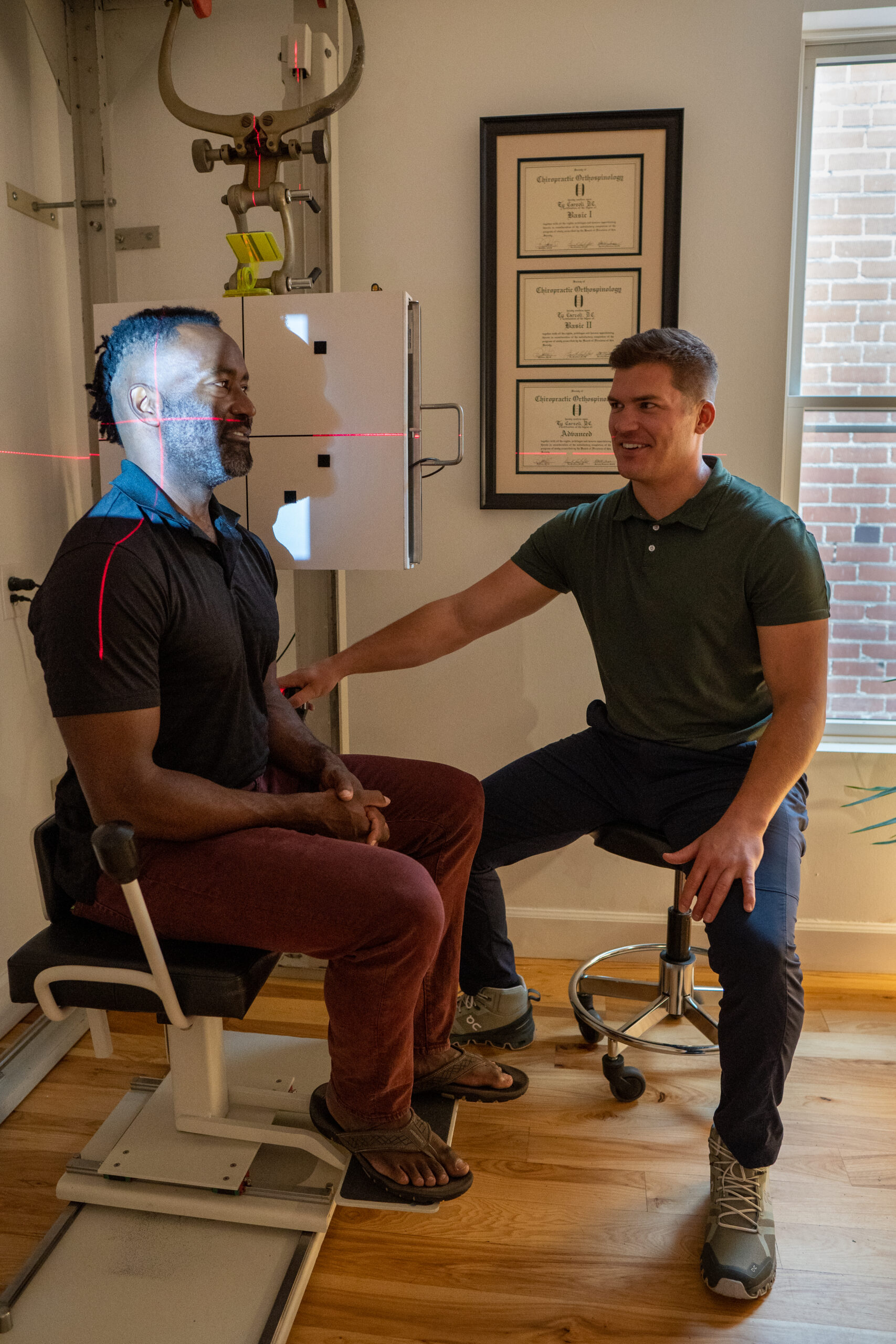
Unlike traditional spinal manipulation that may involve multiple areas of the spine, upper cervical care uses detailed imaging and precise measurements to determine whether gentle corrections are appropriate for each patient.
The goal is to restore proper alignment, improve spinal function, and reduce unnecessary stress on the nervous system.
Depending on the underlying cause, patients may experience improvements in:
- Neck mobility
- Muscle tension
- Headaches
- Overall posture
- Daily comfort
- Range of motion
Every patient responds differently, and treatment recommendations are based on a comprehensive evaluation and individual health needs.
Schedule an Evaluation at Denver Upper Cervical
If chronic neck pain is affecting your daily life, don’t ignore the symptoms. Early evaluation can help identify the underlying cause and guide you toward appropriate treatment options. At Denver Upper Cervical, we are dedicated to helping patients throughout Denver, Colorado, improve spinal health through personalized upper cervical chiropractic care. Contact our office today to schedule a consultation and take the first step toward lasting neck pain relief.
© 2026 Denver Upper Cervical Chiropractic