

Why Chronic Neck Pain Keeps Coming Back and How to Treat the Root Cause
Exploring the Unique Causes of Headaches in Denver and How Chiropractic Care Provides Relief
Chronic neck pain can be frustrating, especially when it seems to improve for a while only to return days or weeks later. Many people experience temporary relief from stretching, massage, pain medications, or heat therapy, yet the discomfort continues to come back. If you’ve found yourself asking, “Why does my neck pain keep returning?”, you’re not alone.
Recurring neck pain often involves more than a single strained muscle. In many cases, several factors—including posture, previous injuries, joint dysfunction, muscle imbalances, stress, or age-related changes—may contribute to ongoing symptoms. Identifying these underlying contributors is often the key to developing an effective long-term management plan.
For many people in the Denver area, an evaluation by an upper cervical chiropractor may help determine whether dysfunction involving the upper cervical spine is contributing to persistent neck pain.
In this guide, we’ll explore why chronic neck pain keeps coming back, common underlying causes, and how conservative treatment approaches—including upper cervical chiropractic care—may help address contributing factors rather than simply managing symptoms.
What Is Chronic Neck Pain?
Neck pain is generally considered chronic when it lasts longer than 12 weeks or repeatedly returns despite periods of improvement.
Unlike acute neck pain caused by a recent strain or minor injury, chronic neck pain often develops gradually and may fluctuate in intensity.
Common symptoms include:
- Persistent neck stiffness
- Muscle tightness
- Reduced range of motion
- Pain at the base of the skull
- Shoulder tension
- Difficulty turning the head
- Headaches associated with neck discomfort
- Pain that worsens after sitting or computer work
While symptoms may temporarily improve, the underlying contributing factors often remain if they are not identified and addressed.
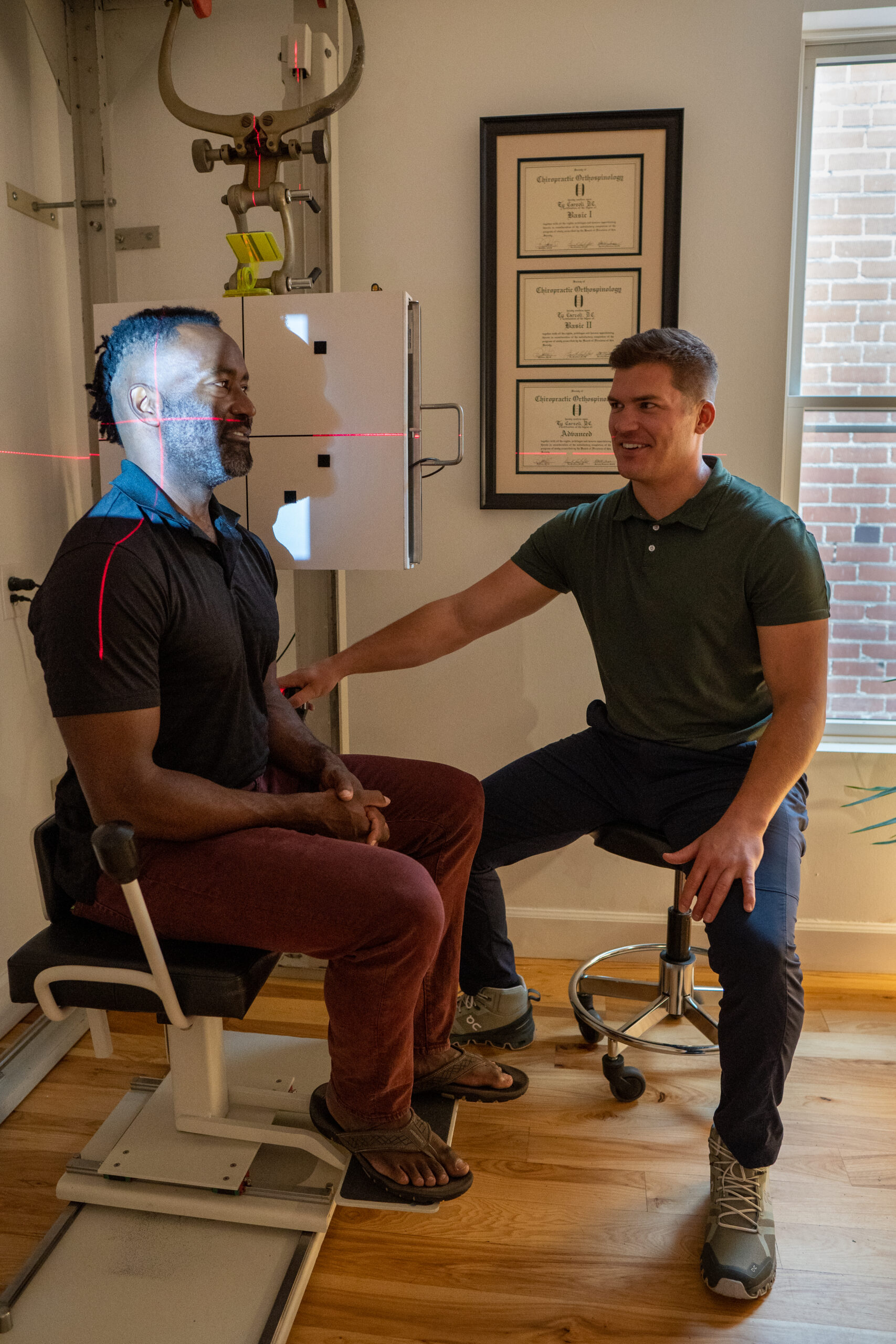

Could the Upper Cervical Spine Be Contributing?
The upper cervical spine includes the first two vertebrae:
- Atlas (C1)
- Axis (C2)
These vertebrae support the head while allowing significant movement.
When movement in this region becomes restricted or dysfunctional, surrounding muscles may work harder to stabilize the neck. In some individuals, this altered mechanics may contribute to recurring neck pain, stiffness, or headaches.
Upper cervical chiropractic care focuses on evaluating this area through detailed examination, posture assessment, and imaging when clinically appropriate. Rather than assuming all neck pain originates from the upper cervical spine, practitioners determine whether dysfunction in this region may be one contributing factor.
Why Does Chronic Neck Pain Keep Coming Back?
There is rarely a single explanation. Instead, recurring neck pain is often the result of multiple interacting factors.
1. Poor Posture
One of the most common contributors to chronic neck pain is prolonged poor posture.
Many people spend hours each day:
- Working on computers
- Looking down at smartphones
- Driving
- Watching television
- Reading tablets
These activities often encourage a forward head posture, increasing the workload placed on the muscles and joints of the cervical spine.
Over time, this additional strain can contribute to recurring pain and stiffness.
2. Previous Injuries
Old injuries don’t always heal as completely as people expect.
Common examples include:
- Whiplash from auto accidents
- Sports injuries
- Falls
- Workplace accidents
Even if the original injury occurred years ago, changes in movement patterns, muscle function, or joint mechanics may continue to influence neck comfort.
3. Muscle Imbalances
When certain muscles become tight while others become weak, the neck may lose its normal support.
This imbalance can increase stress on:
- Cervical joints
- Ligaments
- Tendons
- Surrounding muscles
Without correcting these movement patterns, symptoms often return.
4. Repetitive Daily Activities
Many occupations place repetitive stress on the neck.
Examples include:
- Office work
- Dentistry
- Construction
- Hair styling
- Truck driving
- Healthcare professions
Small stresses repeated over months or years may gradually contribute to chronic discomfort.
5. Degenerative Changes
As we age, natural wear and tear may affect the cervical spine.
Examples include:
- Cervical osteoarthritis
- Degenerative disc disease
- Facet joint changes
- Reduced flexibility
These age-related changes do not always cause pain, but they may contribute to ongoing symptoms in some individuals.
6. Stress and Muscle Tension
Emotional stress frequently affects the body physically.
Many people unconsciously tighten their neck and shoulder muscles throughout the day.
Over time this may contribute to:
- Tension headaches
- Neck stiffness
- Muscle soreness
- Limited mobility
Treating Symptoms vs. Addressing Contributing Factors
Many common neck pain treatments are designed to provide symptom relief.
These may include:
- Over-the-counter pain relievers
- Heat or ice therapy
- Massage
- Rest
- Topical creams
While these approaches may reduce discomfort, they may not address the movement dysfunction, posture habits, or mechanical issues contributing to recurring symptoms.
A comprehensive treatment plan often focuses on both symptom management and the factors that may be driving the problem.
How Upper Cervical Chiropractic Care May Help
Upper cervical chiropractic is a specialized form of chiropractic care that focuses on the atlas and axis. Unlike generalized spinal manipulation, upper cervical chiropractors perform detailed assessments before recommending treatment.
An evaluation may include:
- Comprehensive health history
- Physical examination
- Posture analysis
- Neurological screening when appropriate
- Digital X-rays or review of existing imaging if clinically indicated
- Functional movement assessment
If upper cervical dysfunction is identified and chiropractic care is appropriate, gentle, individualized adjustments may be recommended.
Treatment goals may include:
Improving Joint Mobility
Restoring normal movement may improve comfort during daily activities.
Reducing Muscle Tension
Improved spinal mechanics may reduce unnecessary muscular strain.
Supporting Better Posture
Many patients receive education on workstation ergonomics, sitting posture, and movement habits that help reduce recurring stress on the neck.
Encouraging Long-Term Management
Upper cervical care is often combined with exercises and lifestyle recommendations designed to support ongoing neck health rather than focusing solely on short-term symptom relief.
Lifestyle Habits That Can Help Prevent Recurring Neck Pain
Professional treatment is often most effective when combined with healthy daily habits.
Consider:
Take Frequent Movement Breaks
Avoid sitting in the same position for long periods.
Standing and stretching every 30–60 minutes can help reduce muscle fatigue.
Strengthen Supporting Muscles
Exercises targeting the upper back, shoulders, and core may improve posture and reduce strain on the neck.
Improve Your Workstation
- Keep your monitor at eye level.
- Use a supportive chair.
- Keep your shoulders relaxed while typing.
Sleep with Proper Support
Choose a pillow that maintains a neutral neck position rather than forcing excessive bending.
Stay Active
Regular physical activity supports joint mobility, circulation, and muscle function.
Manage Stress
Relaxation techniques such as deep breathing, walking, mindfulness, or yoga may help reduce muscle tension associated with stress.
When Should You See an Upper Cervical Chiropractor in Denver?
You may benefit from a professional evaluation if you experience:
- Neck pain lasting longer than several weeks
- Frequent tension headaches
- Persistent neck stiffness
- Reduced range of motion
- Ongoing pain after a car accident
- Recurring symptoms despite stretching or massage
- Chronic shoulder tension
Frequently Asked Questions
Why does my neck pain keep coming back?
Recurring neck pain often results from multiple contributing factors, including posture, muscle imbalances, previous injuries, repetitive activities, or age-related changes. A comprehensive evaluation can help identify potential causes.
Can chiropractic care cure chronic neck pain?
No single treatment can guarantee a cure for chronic neck pain because the underlying causes vary. Chiropractic care may be one component of a broader conservative treatment plan when clinically appropriate.
Is upper cervical chiropractic different from traditional chiropractic?
Yes. Upper cervical chiropractors focus specifically on the atlas and axis using specialized examination methods and gentle, individualized adjustments rather than generalized spinal manipulation.
When should I seek emergency medical care?
Seek immediate medical attention if neck pain occurs with severe trauma, sudden weakness, numbness, difficulty speaking, fever with neck stiffness, loss of coordination, or loss of bladder or bowel control.
Find an Upper Cervical Chiropractor in Denver
If chronic neck pain keeps interrupting your work, sleep, or daily activities, it may be time to look beyond temporary symptom relief and explore the factors contributing to your discomfort.
An experienced upper cervical chiropractor in Denver can perform a comprehensive evaluation, assess the function of your upper cervical spine, and determine whether dysfunction involving the atlas and axis may be playing a role in your symptoms. Whether your pain began after a car accident, years of desk work, or an active Colorado lifestyle, a personalized treatment plan can help you better understand your condition and explore appropriate conservative care options.
By combining professional evaluation, targeted treatment, and healthy lifestyle habits, many people are able to improve neck function, reduce recurring discomfort, and support long-term spinal health.
© 2026 Denver Upper Cervical Chiropractic