

Poor Posture in Denver: How Misalignment Affects Your Health and How to Fix It
Exploring the Unique Causes of Headaches in Denver and How Chiropractic Care Provides Relief
Poor posture is more than just standing or sitting awkwardly—it can be a root cause of chronic pain, fatigue, and even nerve issues that impact your overall health. For residents of Denver, long hours at desks, active lifestyles, and repetitive motions can all contribute to posture problems. Understanding the causes, consequences, and solutions for poor posture is key to restoring spinal alignment, improving nerve function, and enhancing overall well-being.
This comprehensive guide explores how poor posture develops, its effects on the body, and effective strategies to improve posture locally in Denver.
Understanding Poor Posture
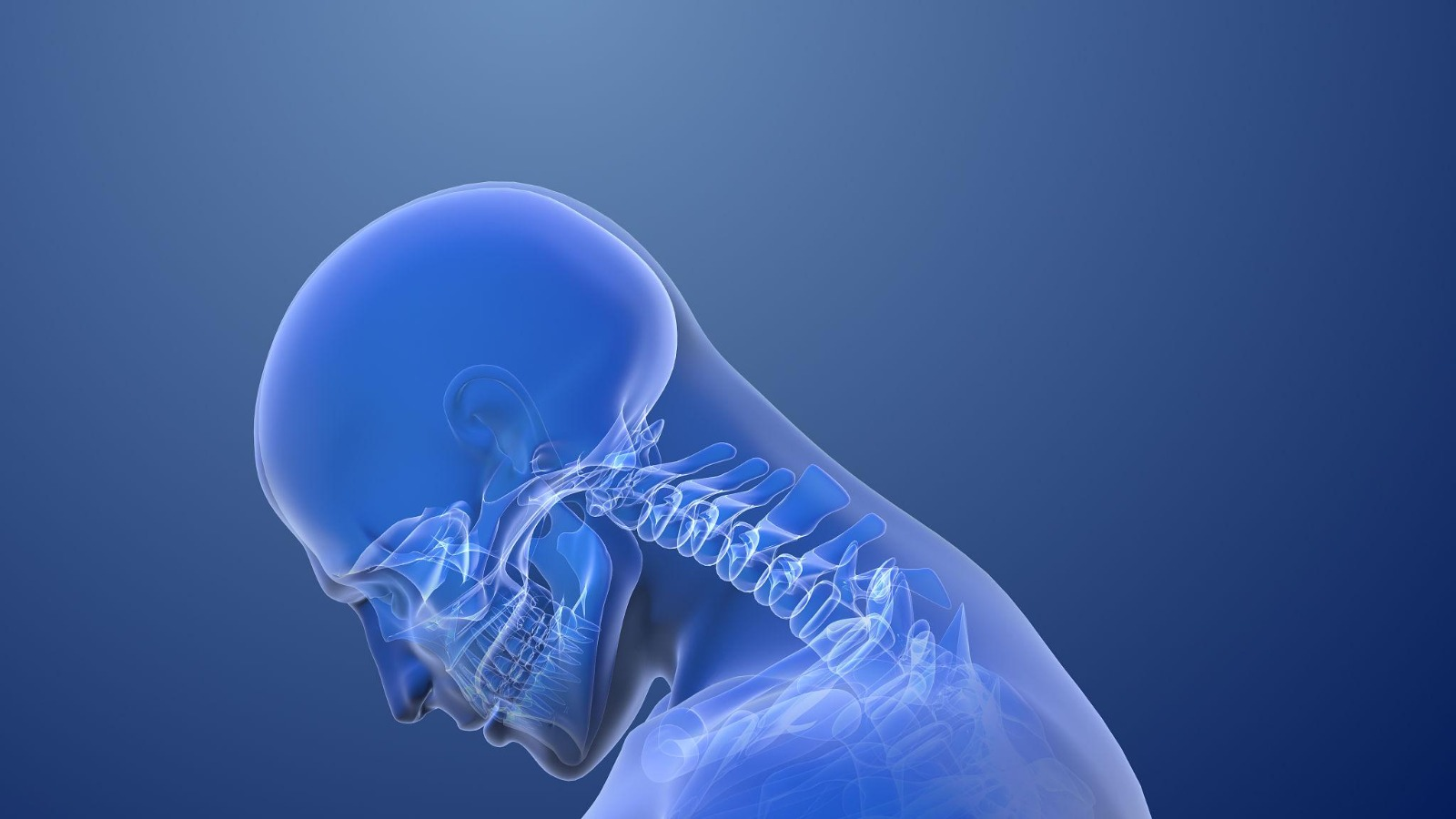
Poor posture occurs when the spine is out of its natural alignment, placing uneven stress on muscles, joints, and ligaments. Common postural misalignments include:
- Forward head posture – the head juts forward, straining the neck and shoulders
- Rounded shoulders – shoulders roll forward, compressing the chest and upper back
- Slouched upper back – thoracic spine curves excessively
- Pelvic tilt or swayback – hips and lower spine misaligned
Even subtle misalignments in the cervical spine, such as issues in the atlas (C1) or axis (C2) vertebrae, can have ripple effects throughout the body, affecting nerve function, muscle tension, and overall balance.
Common Causes of Poor Posture
Several factors contribute to posture problems in modern life:
Extended periods of sitting—especially at computers or on smartphones—promote forward head posture and rounded shoulders.
Weakness in the core, upper back, and neck muscles can reduce spinal support, leading to slouching and fatigue.

Whiplash, falls, or sports injuries can misalign the spine, leading to compensatory posture patterns that place additional stress on muscles and joints.
Repeated motions, such as lifting, typing, or carrying heavy bags, can cause muscular imbalances that encourage poor posture.
Age-related changes like disc degeneration or arthritis can affect spinal alignment, making it harder to maintain proper posture naturally.
Effects of Poor Posture on Health
Poor posture is not just cosmetic—it has significant physical and neurological consequences:
Forward head posture increases stress on cervical vertebrae, leading to tension headaches, migraines, and chronic neck pain.
Rounded shoulders and a hunched upper back can compress muscles and nerves, resulting in shoulder tension, pain, or numbness that sometimes radiates to the arms.
Misalignments in the cervical spine can irritate nerves, leading to tingling, numbness, or weakness in the arms and hands.

Poor posture forces muscles to work harder to maintain balance, causing fatigue, decreased endurance, and impaired physical performance.
Slouching can compress the chest and abdomen, limiting lung capacity and potentially affecting digestion over time.
Cervical misalignments can interfere with nerve signals controlling balance, increasing the risk of falls or injury during daily activities.
Recognizing Poor Posture
Identifying poor posture early is critical for prevention and treatment. Look for:
- Forward head or rounded shoulders
- Visible slouching while standing or sitting
- Uneven shoulders or hips
- Chronic neck, shoulder, or back pain
- Difficulty maintaining balance or coordination
- Muscle fatigue during routine activities
Postural assessment by a trained specialist can pinpoint the root cause of misalignment and guide corrective strategies.
Treatment Options in Denver
For residents seeking to correct posture problems, local solutions focus on restoring alignment, reducing nerve irritation, and strengthening supportive muscles.
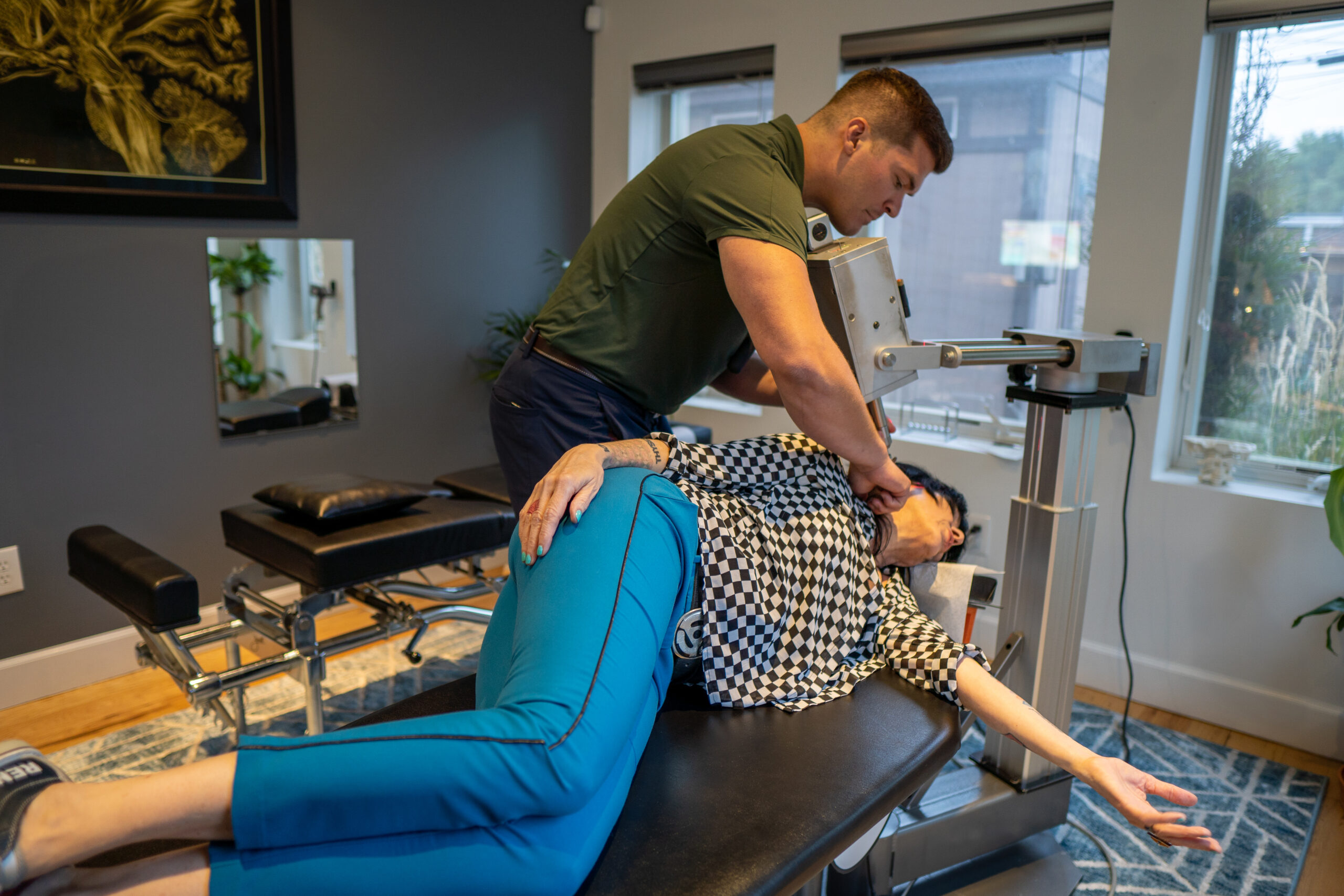
Specialized chiropractic care targets the atlas (C1) and axis (C2) vertebrae, addressing the root causes of misalignment:
- Gently corrects upper cervical misalignments
- Reduces nerve interference affecting shoulders, arms, and upper back
- Improves posture, balance, and spinal function
- Alleviates chronic neck pain and headaches
Precision techniques focus on subtle adjustments rather than forceful twisting, supporting long-term spinal health.
Therapy complements chiropractic care by retraining muscles and improving posture:
- Strengthening exercises for neck, back, and core
- Postural retraining for daily activities
- Stretching tight muscles in the shoulders, chest, and neck
- Balance and coordination training
Small changes in daily habits can support proper posture:
- Adjust desk height and chair support for optimal ergonomics
- Use supportive pillows for proper neck alignment during sleep
- Take regular breaks to move and stretch
- Practice mindful posture awareness during activities
Temporary interventions may be necessary for acute discomfort:
- Heat or cold therapy to reduce muscle tension
- Non-steroidal anti-inflammatory medications (NSAIDs)
- Activity modification to reduce strain
Preventing Poor Posture
Prevention is the best strategy for maintaining the body’s natural alignment:
- Strengthen core, neck, and back muscles regularly
- Maintain proper ergonomics at work and home
- Avoid prolonged sitting or forward-head positions
- Schedule routine postural evaluations
- Engage in low-impact physical activity to promote flexibility and spinal health
For Denver residents who hike, cycle, ski, or participate in other recreational activities, proactive posture care is especially important to prevent injury and chronic pain.
Living with Improved Posture
Correcting poor posture has profound effects on daily life:
- Enhanced mobility and flexibility – easier movement and reduced stiffness
- Reduced pain – less strain on the neck, shoulders, and back
- Better energy and endurance – muscles work more efficiently
- Improved balance and coordination – reduced risk of falls and injuries
- Overall wellness – better breathing, digestion, and body mechanics
Addressing spinal misalignments, strengthening supportive muscles, and maintaining proper ergonomics empowers Denver residents to live an active, pain-free lifestyle.
When to Seek Professional Care
Residents should seek evaluation if they experience:
- Chronic neck, shoulder, or back pain
- Tingling, numbness, or weakness in the arms
- Dizziness or balance problems
- Persistent headaches or migraines
- Difficulty maintaining proper posture despite conscious effort
Early intervention helps prevent long-term nerve, joint, or muscular issues.
Long-Term Benefits of Correcting Poor Posture
With consistent care and attention, correcting posture can provide:
- Reduced pain and muscle tension
- Improved spinal alignment and nerve function
- Enhanced energy, endurance, and mobility
- Prevention of secondary musculoskeletal problems
- Increased confidence and overall quality of life
Conservative treatment, including upper cervical chiropractic care, physical therapy, and lifestyle adjustments, addresses the root causes of poor posture rather than masking symptoms.
Final Thoughts: Proper Posture Is the Foundation of Health
Poor posture affects more than appearance — it impacts nerves, muscles, joints, and overall body function. For Denver residents, addressing posture problems is essential for preventing chronic pain, improving balance, and maintaining an active, healthy lifestyle.
Through precise upper cervical care, targeted physical therapy, and daily posture awareness, residents can restore alignment, reduce nerve interference, and enjoy greater comfort, mobility, and well-being. Correcting posture is not just about standing tall; it’s about supporting the entire body for a healthier, more active life in Denver.
© 2026 Denver Upper Cervical Chiropractic