

Issues Beyond Neck Pain in Denver: How Cervical Problems Affect Your Whole Body
Exploring the Unique Causes of Headaches in Denver and How Chiropractic Care Provides Relief
Neck pain is a common complaint, but for many residents of Denver, the effects of cervical spine issues extend far beyond the neck itself. When the upper spine is misaligned or when nerves are compressed, discomfort can radiate throughout the body, impacting shoulders, arms, back, and even overall health. Understanding the broader consequences of cervical issues is essential for effective treatment, long-term relief, and maintaining an active Denver lifestyle.
This comprehensive guide explores the systemic effects of neck problems, the warning signs of nerve involvement, treatment options in Denver, and strategies for prevention.
Understanding How Neck Problems Affect the Body
The cervical spine, consisting of the first seven vertebrae (C1–C7), supports the head and protects the spinal cord while housing nerve pathways that extend to the shoulders, arms, and back. When the cervical vertebrae become misaligned, injured, or affected by degenerative changes, it can lead to:
- Nerve compression – disrupting communication between the brain and body
- Muscle tension – causing discomfort in areas beyond the neck
- Postural imbalances – leading to secondary pain in the mid-back or lower back
- Decreased range of motion – affecting daily activities and physical performance
In Denver, where outdoor activities like hiking, skiing, and cycling are common, cervical issues can significantly limit mobility and overall quality of life if left unaddressed.
Common Causes of Cervical-Related Issues Beyond Neck Pain
Several factors can lead to symptoms that extend beyond the neck:
The atlas (C1) and axis (C2) vertebrae at the top of the cervical spine play a crucial role in posture and nerve function. Misalignments in this area can:
- Cause headaches and dizziness
- Irritate nerves that radiate pain to shoulders and arms
- Contribute to back pain through compensatory posture changes
Discs between the cervical vertebrae act as cushions. When a disc herniates or bulges, it can press on nearby nerves, resulting in radiating pain, tingling, or numbness that may affect the arms, shoulders, and back.
Repeated strain from poor posture, sports, or work activities can cause chronic tension in neck muscles, which often radiates to surrounding areas.
Whiplash from car accidents, falls, or sports injuries can create long-term cervical instability, nerve compression, and chronic pain patterns that extend to the upper body.
Age-related changes in cervical discs reduce flexibility and shock absorption, often leading to nerve irritation that manifests beyond the neck.
Symptoms of Cervical Issues Beyond Neck Pain
While neck discomfort is common, other systemic symptoms often indicate more complex cervical involvement:
- Shoulder pain or stiffness
- Upper or mid-back discomfort
- Headaches and migraines
- Balance issues or dizziness
- Muscle weakness in the upper body
- Radiating pain, numbness, or tingling in arms and hands
Recognizing these symptoms early allows for timely intervention before secondary complications develop.
How Nerve Compression Extends Beyond the Neck
The spinal nerves exiting the cervical region are responsible for transmitting signals to the shoulders, arms, and upper back. When these nerves are compressed due to misalignment, herniated discs, or degeneration, it can lead to:
- Radiating pain – often described as shooting, burning, or tingling sensations
- Muscle weakness – affecting grip, lifting, or arm movement
- Loss of coordination – sometimes making daily activities difficult
- Chronic tension – as muscles compensate for misalignment or weakness
Cervical nerve compression can also indirectly affect posture, causing tension and discomfort in the thoracic and lumbar spine, further illustrating that neck problems can create a chain reaction throughout the body.
Diagnosing Cervical Issues
A thorough evaluation is critical to identifying the root cause of symptoms beyond neck pain. Diagnostic steps may include:
- Medical history review – noting previous injuries, lifestyle habits, and symptom patterns
- Physical examination – assessing posture, flexibility, muscle strength, and neurological function
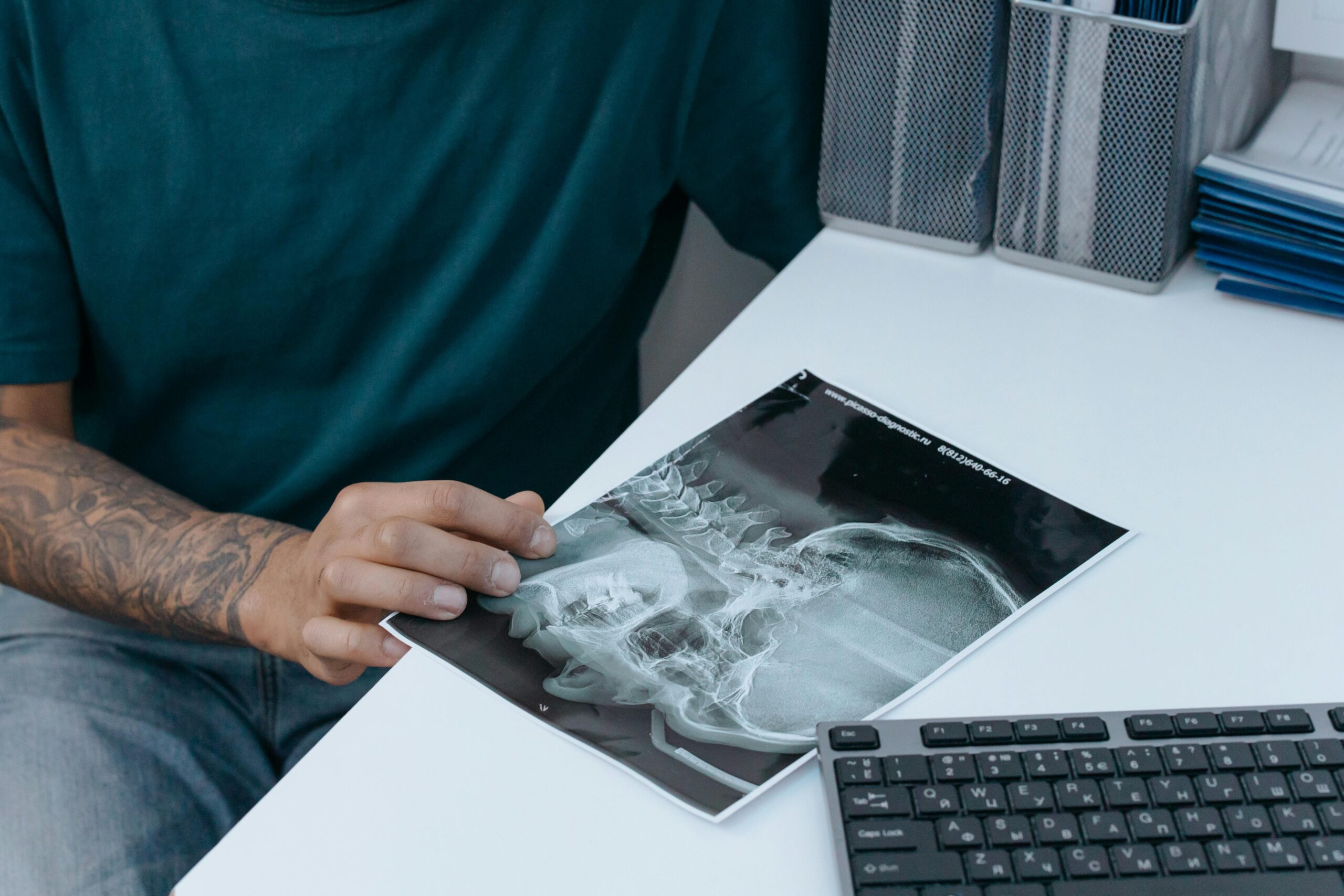
- Imaging studies – X-rays, MRI, or CT scans to detect misalignments, disc herniation, or degenerative changes
- Functional assessments – evaluating movement patterns and compensations
Early diagnosis is key to addressing the underlying cause rather than only managing symptoms.
Treatment Options in Denver
For residents searching for “chronic neck pain relief near me” or “Denver chiropractor for nerve pain,” several conservative treatments are available:
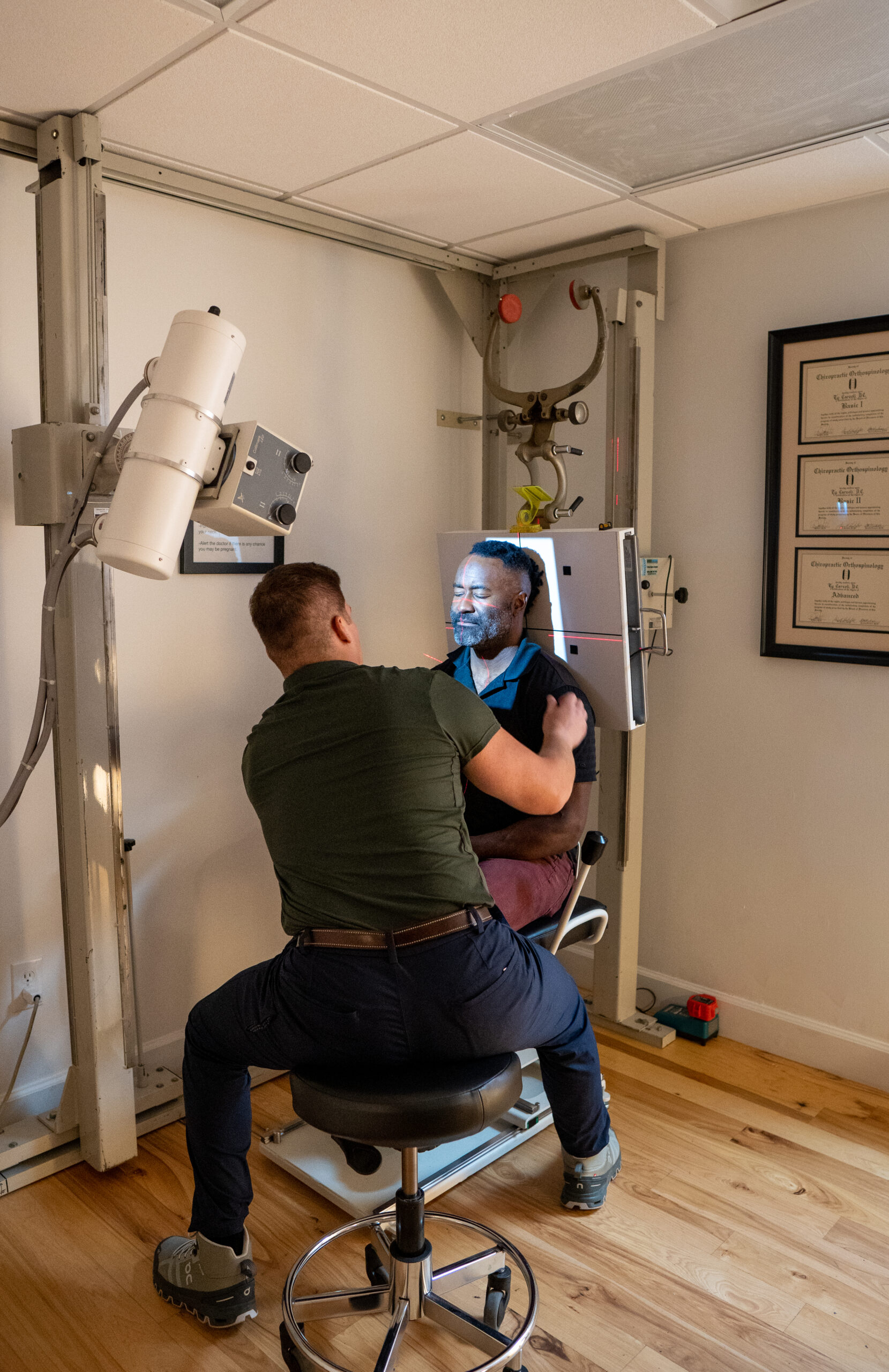
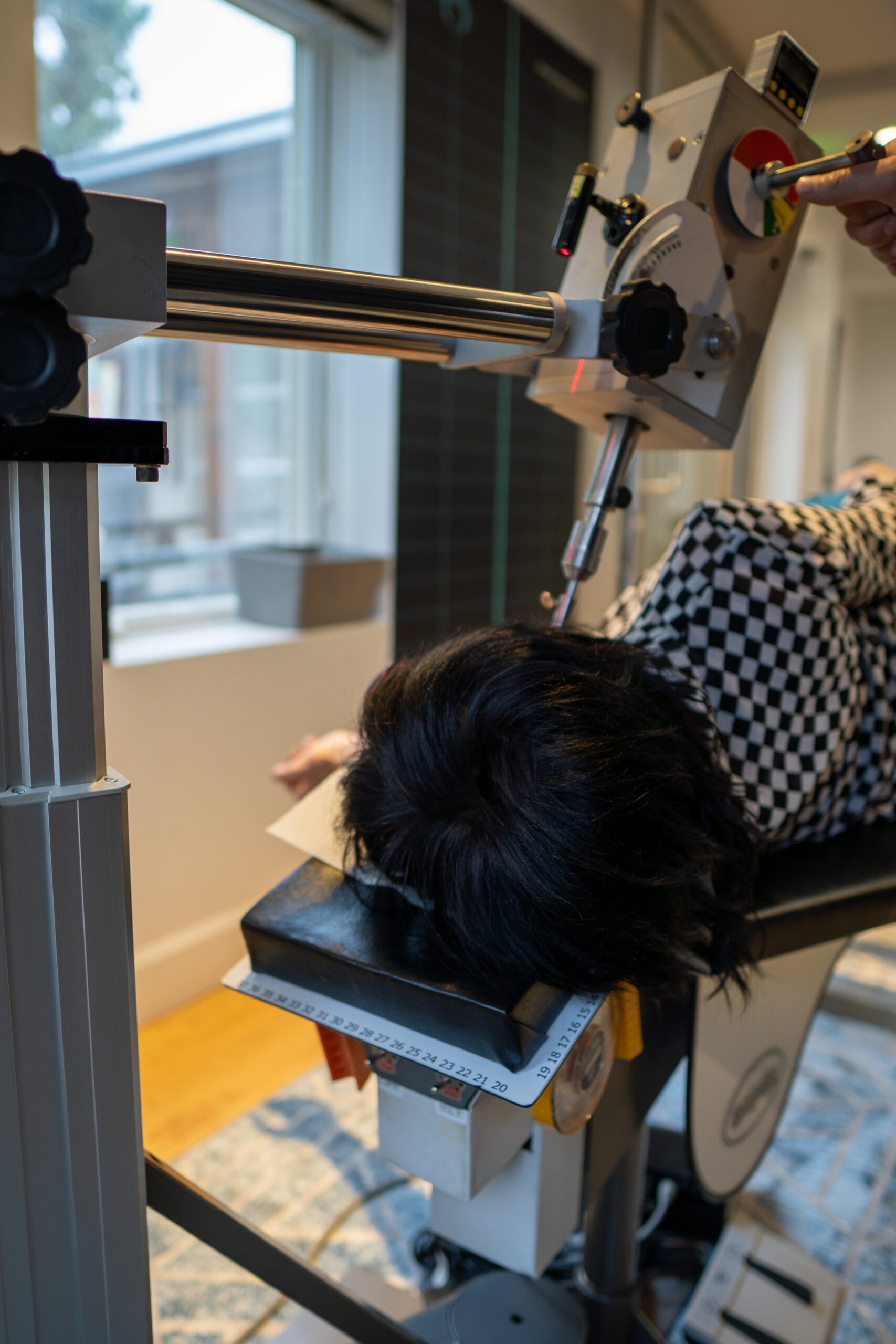
Specialized chiropractic techniques focus on gently realigning the atlas (C1) and axis (C2), improving nerve communication and overall spinal function.
- Reduces nerve compression affecting shoulders, arms, and back
- Improves posture and mobility
- Alleviates chronic headaches and systemic discomfort
Clinics such as Denver Upper Cervical Chiropractic specialize in precise, non-invasive adjustments targeting the root cause of cervical dysfunction.
Physical therapy complements chiropractic care by strengthening supportive muscles and improving flexibility:
- Core and upper back strengthening
- Neck and shoulder mobility exercises
- Postural retraining
- Nerve glide techniques

Simple modifications can prevent worsening symptoms:
- Proper ergonomic setup at work and home
- Regular movement breaks
- Maintaining an active lifestyle with low-impact exercise
- Using supportive pillows and maintaining good sleep posture
For acute symptoms, providers may recommend:
- Heat or cold therapy
- Non-steroidal anti-inflammatory medications (NSAIDs)
- Activity modification to reduce stress on the cervical spine
Surgery is typically a last resort, reserved for severe nerve compression or structural damage not resolved by conservative care.
Preventing Further Complications
Even after initial treatment, proactive measures help prevent secondary issues:
- Maintain good posture during work, sports, and daily activities
- Strengthen neck, back, and core muscles
- Avoid prolonged inactivity or repetitive strain
- Schedule routine cervical evaluations to detect misalignments early
Residents of Denver who are active outdoors benefit from consistent cervical care to reduce the risk of systemic effects from neck problems.
Living with Cervical-Related Issues Beyond Neck Pain
Cervical dysfunction affects more than the neck — it can influence everyday comfort, athletic performance, and quality of life:
- Active residents: Hiking, skiing, and cycling can aggravate misalignments if untreated
- Office workers: Extended computer use can worsen nerve compression and posture issues
- Athletes: Correcting cervical misalignments improves mobility, reduces pain, and enhances performance
By addressing the root cause of cervical dysfunction, residents can minimize systemic effects and enjoy Denver’s active lifestyle without limitations.
When to Seek Professional Care
Seek evaluation if you notice:
- Persistent pain in shoulders, arms, or upper back
- Tingling or numbness in the extremities
- Weakness or loss of coordination
- Chronic headaches or migraines linked to neck tension
Prompt attention can prevent long-term nerve damage and improve overall quality of life.
Long-Term Outlook
With proper care, cervical issues affecting areas beyond the neck can be effectively managed, offering:
- Relief from chronic pain and nerve-related symptoms
- Improved mobility and posture
- Enhanced overall quality of life
- Prevention of secondary spinal issues
- Long-term spinal and nerve health
Conservative care, including upper cervical chiropractic adjustments, physical therapy, and lifestyle modifications, addresses the root cause of discomfort rather than merely masking symptoms.
Final Thoughts: Treat the Neck, Heal the Body
Neck problems rarely exist in isolation. Misalignments, nerve compression, and chronic cervical dysfunction can produce pain and weakness that radiates into the shoulders, arms, and back, affecting overall function and comfort.
For Denver residents experiencing pain beyond the neck, consulting local specialists such as chiropractors or physical therapists is essential. Targeted care restores proper alignment, reduces nerve irritation, and allows residents to enjoy a full, active lifestyle — whether hiking the Rockies, skiing local slopes, or navigating daily work tasks — without being limited by cervical issues.
© 2026 Denver Upper Cervical Chiropractic