

Previous Injuries in Denver: How Past Trauma Impacts Your Spine and Nervous System
Exploring the Unique Causes of Headaches in Denver and How Chiropractic Care Provides Relief
Previous injuries may seem like a thing of the past, but they often leave lasting effects on your body, especially the spine and nervous system. For residents of Denver, understanding how old injuries can contribute to chronic pain, nerve irritation, and spinal misalignment is key to maintaining long-term health, mobility, and an active lifestyle.
Whether you’ve had a sports injury, car accident, fall, or work-related trauma, past injuries can create weaknesses in muscles, ligaments, and joints, potentially leading to recurring pain, reduced flexibility, and even nerve-related symptoms. This comprehensive guide explores the impact of previous injuries, how they affect the spine and nerves, treatment options in Denver, and strategies for prevention and recovery.
How Previous Injuries Affect Your Spine
The spine is a complex structure of vertebrae, discs, muscles, and nerves. Any injury to this system — or nearby structures — can create long-term effects. Previous injuries may:
- Alter spinal alignment, creating vertebral misalignments
- Cause scar tissue that reduces flexibility and movement
- Lead to muscle imbalances, making certain areas more prone to strain
- Contribute to degenerative changes over time
- Compress nerves, resulting in radiating pain or numbness
Even minor injuries that were thought to have “healed” can create subtle shifts in posture or movement patterns that stress the cervical, thoracic, or lumbar spine. Over time, these changes can lead to chronic pain, limited range of motion, or nerve-related symptoms in the arms, shoulders, or back.
Common Types of Previous Injuries That Affect the Spine
Denver residents are active, enjoying skiing, hiking, mountain biking, and running. High-impact sports or repetitive movements can injure the spine, shoulders, or hips, leaving lasting structural and muscular imbalances.
Whiplash or other trauma from collisions can misalign cervical vertebrae, irritate nerves, and create chronic neck and back pain that may radiate into arms or shoulders.

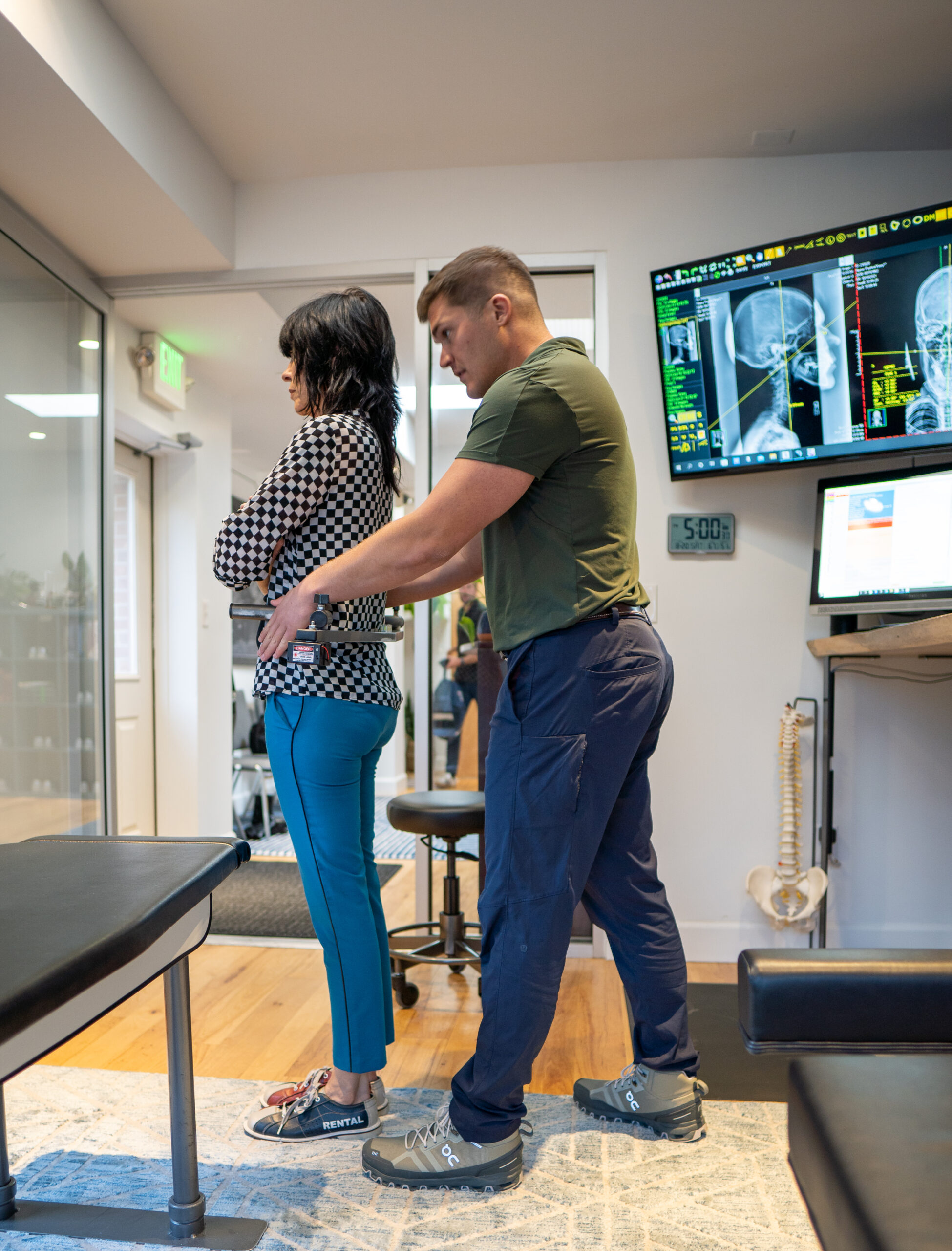
Repetitive lifting, prolonged sitting, or heavy labor can strain the spine and lead to micro-injuries that accumulate over time, weakening supporting muscles and ligaments.
Falls, even minor, can damage vertebrae, discs, or surrounding soft tissues. Scar tissue and improper healing can create chronic stiffness and imbalance.
Spinal surgeries or orthopedic procedures can alter the mechanics of the spine, leading to compensatory movement patterns that stress adjacent areas.
Symptoms to Watch For
Symptoms stemming from previous injuries often appear gradually and may include:
- Persistent neck, shoulder, or back pain
- Pain radiating to the arms or legs
- Tingling, burning, or numbness in extremities
- Reduced range of motion in the neck, back, or shoulders
- Muscle weakness or imbalance
- Stiffness that worsens after activity or prolonged rest
If these symptoms interfere with daily activities, sports, or work, it’s important to seek professional evaluation.
How Old Injuries Lead to Chronic Pain
Previous injuries can have a lasting effect due to several mechanisms:
Even small shifts in spinal alignment can place pressure on nerves, reducing signal efficiency and leading to radiating pain in the arms, shoulders, or legs.
When muscles weaken on one side or overcompensate for injury, they create tension in surrounding areas. Over time, this can increase the risk of disc degeneration, nerve compression, or repetitive strain injuries.
Scar tissue from previous injuries can limit joint mobility, creating stiffness and chronic discomfort.
Old injuries can narrow spaces where nerves exit the spine (foramina), compressing nerves and causing symptoms such as:
- Tingling or numbness
- Radiating pain
- Muscle weakness
- Reduced reflexes
Over time, previous injuries can accelerate disc degeneration, arthritis, or joint wear, contributing to long-term spinal issues.
Preventing Complications from Previous Injuries
Even after healing, proactive care can prevent recurring pain or new injuries:
- Maintain strong postural and core muscles
- Practice proper ergonomics at work and home
- Avoid prolonged inactivity
- Stay active with low-impact exercises
- Schedule routine spinal assessments
Early intervention can prevent old injuries from becoming chronic problems and minimize nerve damage.
When to Seek Immediate Care
Seek professional evaluation if you notice:
- Sudden numbness or weakness in arms or legs
- Loss of coordination
- Severe or worsening pain
- Pain following trauma or accident
Prompt care can prevent long-term nerve damage and restore function more effectively.
Diagnosis of Injury-Related Spinal Issues
Healthcare providers use a combination of techniques to assess the impact of previous injuries:
- Medical History Review – Understanding past injuries, surgeries, and trauma
- Physical Examination – Testing flexibility, strength, and neurological function
- Imaging Studies – X-rays, MRI, or CT scans to assess discs, vertebrae, and soft tissues
- Postural Assessment – Evaluating misalignments and compensatory movement patterns
Accurate diagnosis is critical for designing an effective treatment plan that addresses the root cause rather than just the symptoms.
Treatment Options in Denver
For residents searching for chronic pain or injury-related spine care near me, several conservative treatment options exist:
1. Chiropractic Care
Chiropractors specialize in restoring spinal alignment, reducing nerve compression, and improving mobility.
- Upper cervical care can relieve neck and head tension caused by old injuries.
- Lumbar or thoracic adjustments address back pain and nerve compression resulting from past trauma.
Local clinics such as Denver Upper Cervical Chiropractic provide precise, gentle adjustments that target long-term effects of previous injuries.
2. Physical Therapy
Physical therapy strengthens weakened muscles, improves flexibility, and restores proper movement patterns.
- Core stabilization exercises
- Stretching tight or overcompensating muscles
- Posture retraining and balance exercises
- Nerve gliding and mobility techniques
3. Lifestyle and Ergonomic Adjustments
Simple adjustments in daily life can prevent further injury and reduce chronic pain:
- Ergonomic workstation setups
- Proper lifting techniques
- Regular stretching and movement breaks
- Low-impact exercise to maintain strength and mobility
4. Pain Management
For flare-ups, providers may recommend:
- Non-steroidal anti-inflammatory drugs (NSAIDs)
- Heat or cold therapy
- Activity modification
5. Surgery
Surgery is typically a last resort and may include spinal fusion or disc replacement, only if conservative care fails or nerve damage is severe.
Living with the Impact of Past Injuries in Denver
Denver’s active culture — hiking, skiing, cycling, and outdoor sports — can challenge those with previous injuries. Local residents benefit from:
- Access to specialized chiropractic and rehabilitation services
- Providers familiar with active lifestyle demands
- Personalized care that balances injury recovery with outdoor activity
- Education on safe movement patterns and postural health
By addressing the underlying effects of old injuries, Denver residents can enjoy a full, active life while minimizing the risk of flare-ups.
Long-Term Outlook
With proper care, previous injuries do not have to limit your life. Long-term benefits of addressing the root cause include:
- Reduced chronic pain and nerve irritation
- Improved flexibility and spinal alignment
- Enhanced strength and posture
- Prevention of further degenerative changes
- Better quality of life for work, sports, and daily activities
Early intervention and consistent care are key to managing the lasting effects of previous injuries.
Final Thoughts: Don’t Let Past Injuries Define Your Future
Previous injuries may have lasting effects, but with proper care, their impact can be minimized. Addressing spinal misalignments, nerve compression, and muscular imbalances helps prevent chronic pain, restores mobility, and supports long-term wellness.
Denver residents experiencing lingering pain or symptoms from old injuries should consult local specialists such as chiropractors, physical therapists, or spine-focused medical providers. By targeting the root causes and maintaining proactive spinal health, you can continue to enjoy Denver’s active lifestyle — from hiking in the Rockies to skiing the slopes — without being limited by past trauma.
© 2026 Denver Upper Cervical Chiropractic