

Back Pain in Denver: How Nerve Damage from the Neck Radiates Down and Affects Your Spine
Exploring the Unique Causes of Headaches in Denver and How Chiropractic Care Provides Relief
Back pain is one of the most common reasons people seek medical care, yet many assume the problem originates in the lower back itself. The reality is that nerve damage or compression in the cervical spine (neck) can radiate downward, affecting the thoracic and even lumbar regions of the back. For residents of Denver, understanding this connection is crucial for effective treatment, long-term relief, and maintaining an active lifestyle.
If you are searching for back pain treatment in Denver or wondering whether your neck is contributing to your spinal discomfort, this comprehensive guide explains the link between cervical nerve damage and back pain, common symptoms, causes, and conservative treatment options available locally.
Understanding the Neck-to-Back Nerve Connection
The spinal cord runs from the brainstem through the cervical spine and down the entire vertebral column, protected by the vertebrae. Nerves exit the cervical spine (C1–C7) and extend throughout the body, communicating signals to the shoulders, arms, and even portions of the back.
When a nerve is compressed, irritated, or misaligned in the neck, it can cause:
- Pain radiating down the spine
- Muscle tension along the back
- Tingling or numbness in certain back regions
- Weakness in muscles supporting the spine
- Referred pain that feels like a lower back or mid-back issue
This phenomenon is sometimes referred to as cervicogenic back pain, meaning the source of discomfort originates in the cervical spine rather than the lumbar or thoracic regions.
Common Causes of Back Pain Linked to Neck Nerve Damage
Several factors can create cervical nerve compression that radiates into the back. Understanding these causes helps with prevention and treatment.
Misalignment in the vertebrae of the neck can place pressure on nerve roots that influence the muscles along the thoracic and lumbar spine. Even small shifts can cause postural changes, leading to chronic back tension.
Cervical discs act as cushions between vertebrae. When a disc bulges or herniates, it can irritate the nerve root, producing pain that radiates down the spine, sometimes mimicking mid- or lower-back pain.
Over time, cervical discs lose hydration and flexibility, narrowing spaces where nerves exit. This can result in chronic tension or pain radiating through the back.

Auto accidents, sports injuries, and falls are common causes of sudden cervical misalignment. Trauma may compress nerves and lead to secondary back pain as muscles compensate for postural changes.
Desk work, extended computer use, and forward-head posture increase cervical stress, which can ripple down the spine. Active Denver residents who hike, ski, or cycle may also experience repetitive stress patterns contributing to back pain.
Symptoms of Cervical Nerve-Related Back Pain
Back pain originating from the neck can present differently than traditional lower back problems. Warning signs include:
- Chronic mid- or upper-back pain without an obvious lumbar injury
- Muscle tightness along the back that worsens with neck movement
- Tingling or numbness radiating from the neck into the back
- Weakness in back muscles supporting posture
- Pain that intensifies with prolonged sitting or standing
- Poor posture that develops as a result of cervical misalignment
Persistent symptoms that do not respond to stretching, rest, or over-the-counter treatments may indicate cervical nerve involvement.
How Cervical Nerve Compression Affects the Back
The cervical spine is the control center for nerves that influence the entire spine. When nerve signals are disrupted, it can lead to:
- Muscle imbalance along the thoracic and lumbar spine
- Postural changes that increase stress on vertebrae and discs
- Chronic muscle tension and spasms
- Reduced flexibility and range of motion
- Secondary pain in mid- or lower back regions
Over time, untreated nerve compression can cause chronic discomfort, reduced mobility, and a higher risk of spinal injury.

Back Pain Treatment Options in Denver
If you are searching for “back pain relief near me” or “Denver chiropractor for cervical nerve issues,” conservative care is typically recommended first.
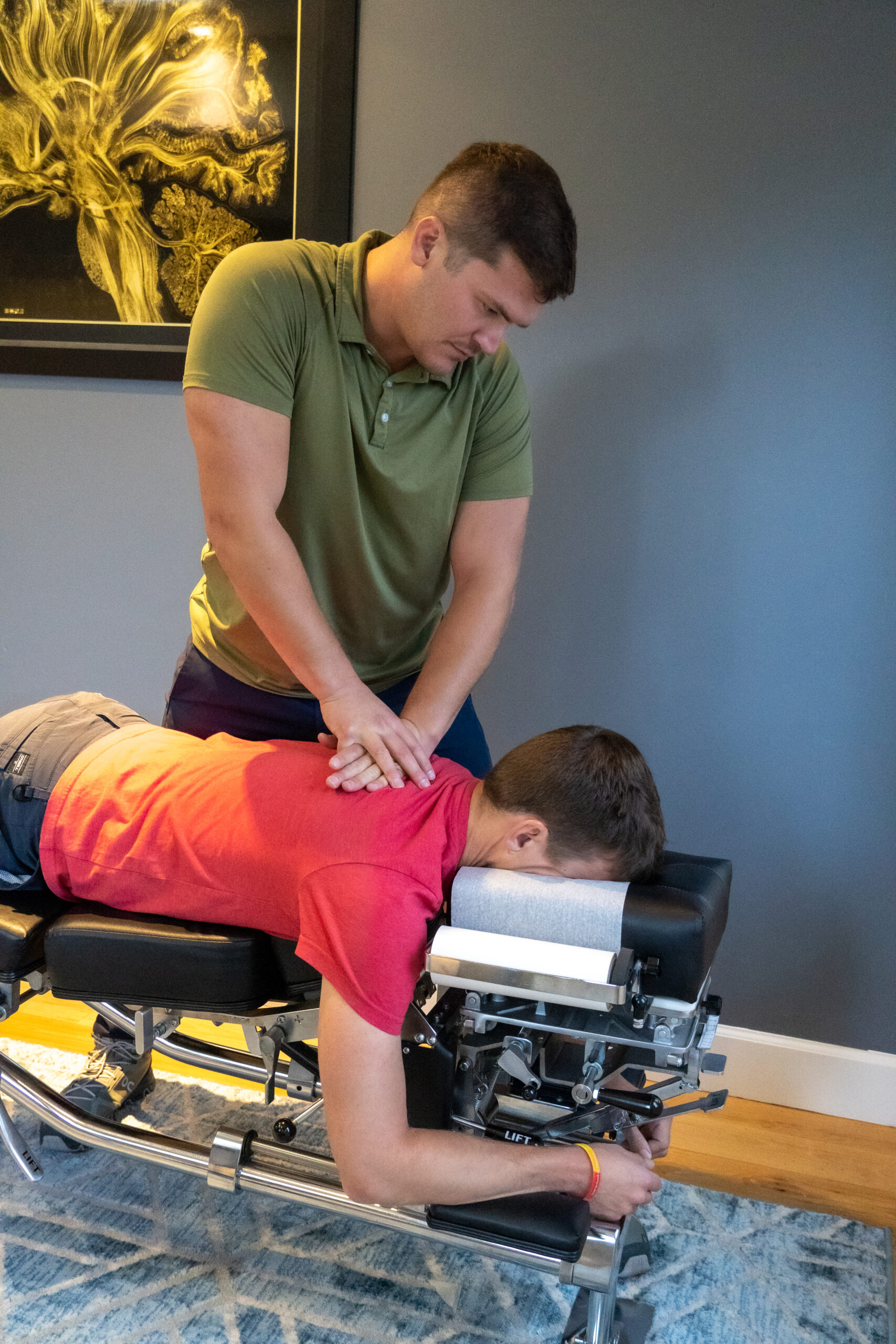
Chiropractic adjustments restore proper cervical alignment, reducing pressure on affected nerve roots and improving nerve communication.
- Upper cervical care focuses on C1 and C2 vertebrae, indirectly supporting back muscles and overall posture.
- Lower cervical adjustments (C5–C7) target nerve roots that may radiate pain down the back.
Clinics such as Denver Upper Cervical Chiropractic specialize in precise, gentle techniques designed to alleviate nerve-related back pain without aggressive manipulation.
Therapeutic exercises strengthen the muscles supporting the spine, improve posture, and relieve nerve stress. Typical therapy plans include:
- Cervical and thoracic strengthening
- Core stabilization exercises
- Postural retraining
- Nerve glide techniques
Simple daily changes can reduce cervical stress and secondary back pain:
- Adjust workstation to maintain neutral neck posture
- Use supportive chairs and lumbar cushions
- Avoid prolonged sitting or bending
- Stretch and move regularly throughout the day
Prevention of Cervical Nerve-Related Back Pain
Protecting your cervical spine is the most effective way to prevent back pain caused by nerve compression.
- Strengthen Postural Muscles: Strong neck, shoulder, and upper back muscles support the spine and reduce nerve stress.
- Maintain Ergonomic Work Habits: Desk, computer, and smartphone ergonomics play a significant role in preventing cervical misalignment.
- Stretch Regularly: Daily neck, shoulder, and back stretches maintain flexibility and reduce muscle tension.
- Stay Active: Aerobic activity and resistance training improve spinal stability, circulation, and overall posture.
- Routine Evaluations: Periodic cervical spine assessments can detect misalignments before they lead to chronic back pain.
When to Seek Immediate Care
Seek urgent evaluation if you experience:
- Sudden weakness in the arms or legs
- Severe or worsening back pain following trauma
- Numbness or tingling spreading down both sides of the body
- Loss of coordination or balance
These may indicate serious nerve or spinal cord involvement that requires prompt medical attention.
Why Local Denver Care Matters
Choosing a local provider ensures:
- Personalized evaluation and treatment plans
- Convenient follow-up appointments
- Providers familiar with Denver’s active lifestyles and altitude-related factors
- Treatment tailored to office work, outdoor sports, and daily activities
Denver’s culture of hiking, skiing, and cycling, combined with long office hours, makes cervical nerve-related back pain a common concern. Local specialists understand these unique physical stressors.
Long-Term Outlook for Cervical Nerve-Related Back Pain
Most cases of back pain radiating from the neck respond well to early, conservative care. Benefits of addressing cervical nerve compression include:
- Reduced pain and inflammation
- Improved spinal alignment and posture
- Enhanced mobility and strength
- Prevention of chronic nerve damage
- Better overall function for daily activities and recreation
Ignoring symptoms may allow nerve compression to worsen, potentially causing chronic back pain and postural imbalance.
Final Thoughts: Treat the Neck to Heal the Back
Back pain is often more than a lumbar problem — it can be a symptom of nerve compression originating in the cervical spine. Radiating pain, tingling, numbness, and weakness are signs that your nervous system needs attention.
For Denver residents, seeking cervical spine evaluation and care can address the root cause of back discomfort. Through spinal alignment correction, strengthening exercises, and lifestyle modifications, nerve-related back pain can be relieved, posture restored, and long-term spinal health preserved.
Your back relies on a healthy cervical spine for proper function. Addressing nerve compression at the source protects movement, strength, and comfort — whether you’re working at a desk, exploring the Rockies, or skiing down local slopes.
© 2026 Denver Upper Cervical Chiropractic