

Arm Pain in Denver: How Nerve Damage from the Neck Radiates and What You Can Do About It
Exploring the Unique Causes of Headaches in Denver and How Chiropractic Care Provides Relief
Persistent pain, tingling, or weakness in your arms can be frustrating, especially when it affects your ability to work, exercise, or enjoy daily activities. While many people assume arm discomfort originates in the arm itself, the truth is that nerve damage in the neck — specifically the cervical spine — is often the hidden culprit. For residents of Denver, understanding this connection is key to effective treatment and long-term relief.
If you are searching for arm pain or nerve compression treatment in Denver, this in-depth guide explains the causes, symptoms, and treatment options for nerve-related arm pain.
Understanding the Neck-to-Arm Nerve Connection
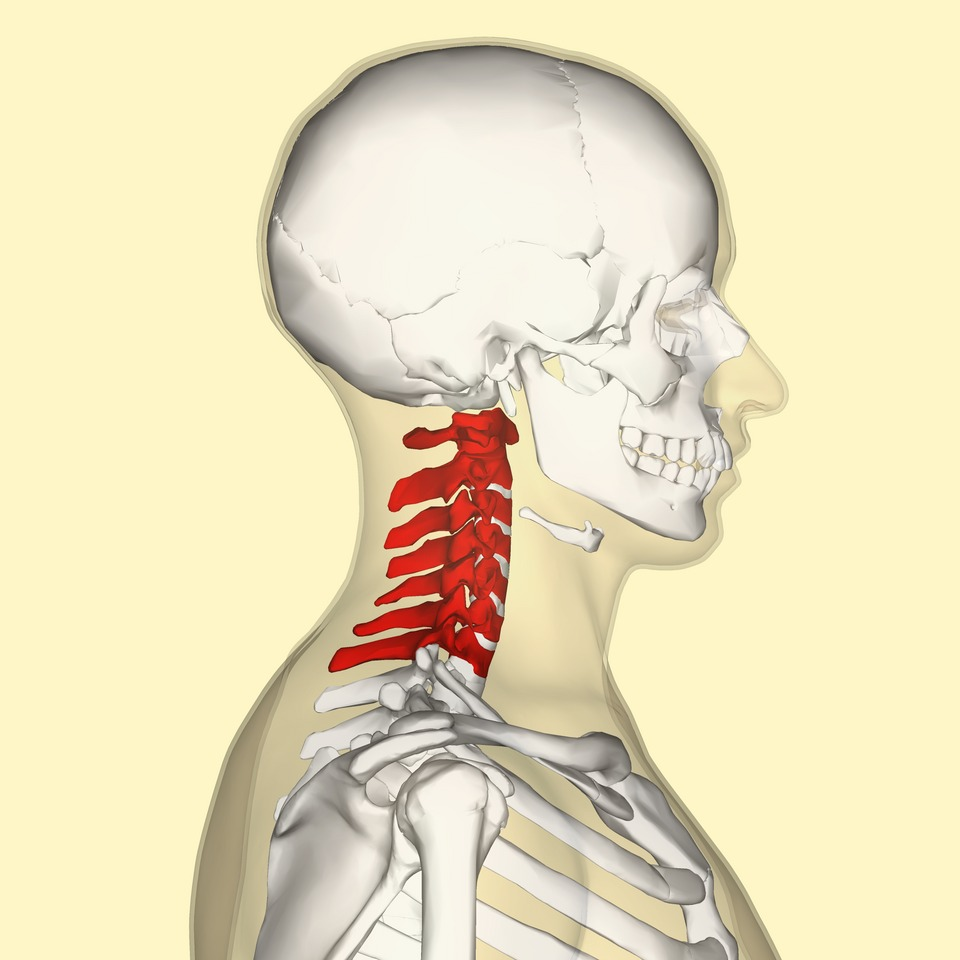
The arms receive nerve signals from the cervical spine, which houses seven vertebrae labeled C1 through C7. Nerves exit the spine at specific levels and form the brachial plexus, which controls sensation and movement in the shoulders, arms, and hands.
When a nerve is compressed, irritated, or misaligned in the neck, signals may not transmit correctly, leading to:
- Pain radiating down the arm
- Tingling or “pins and needles” sensations
- Numbness in the fingers or forearm
- Muscle weakness
- Burning or stabbing sensations
This is often referred to as cervicogenic arm pain, meaning the arm symptoms originate in the cervical spine rather than in the arm itself.
Common Causes of Nerve-Related Arm Pain
Several factors can lead to nerve compression or irritation in the neck that radiates into the arms:
Even minor shifts in vertebrae can compress nerve roots that exit the spine at C5–C8, which directly affect arm function. Misalignments can result from poor posture, trauma, or repetitive strain.
Discs in the cervical spine act as cushions. If a disc protrudes outward, it can press on nearby nerves, producing pain, tingling, or weakness that radiates into the arm.
As discs lose hydration and flexibility over time, nerve passageways can narrow, increasing the risk of compression.

Falls, skiing accidents, cycling crashes, or car collisions may suddenly shift vertebrae or damage soft tissue, leading to nerve compression.
Long hours at a desk, frequent smartphone use, or overhead lifting can strain the cervical spine and irritate arm nerves.
Symptoms of Nerve Compression Radiating into the Arms
Arm discomfort caused by nerve issues in the neck often differs from injuries within the arm itself. Warning signs include:
- Pain traveling from the neck into the arm
- Tingling or numbness in the forearm or hand
- Weak grip or difficulty lifting objects
- Muscle fatigue during normal tasks
- Symptoms worsened by neck movement
- Chronic shoulder or arm stiffness
Persistent symptoms that don’t improve with rest, stretching, or over-the-counter pain medication may indicate nerve involvement.
How Nerve Compression Affects Arm Function
Nerves in the cervical spine control both movement and sensation in the arms. When compressed:
- Muscle activation may be reduced
- Coordination may decline
- Fine motor skills in the hands may be impaired
- Chronic pain or inflammation may develop
If left untreated, severe nerve compression can cause lasting weakness or muscle atrophy in the affected arm.
Arm Pain Treatment Options in Denver
If you are searching for “arm pain treatment near me” or “Denver chiropractor for nerve compression,” conservative care is usually the first step.
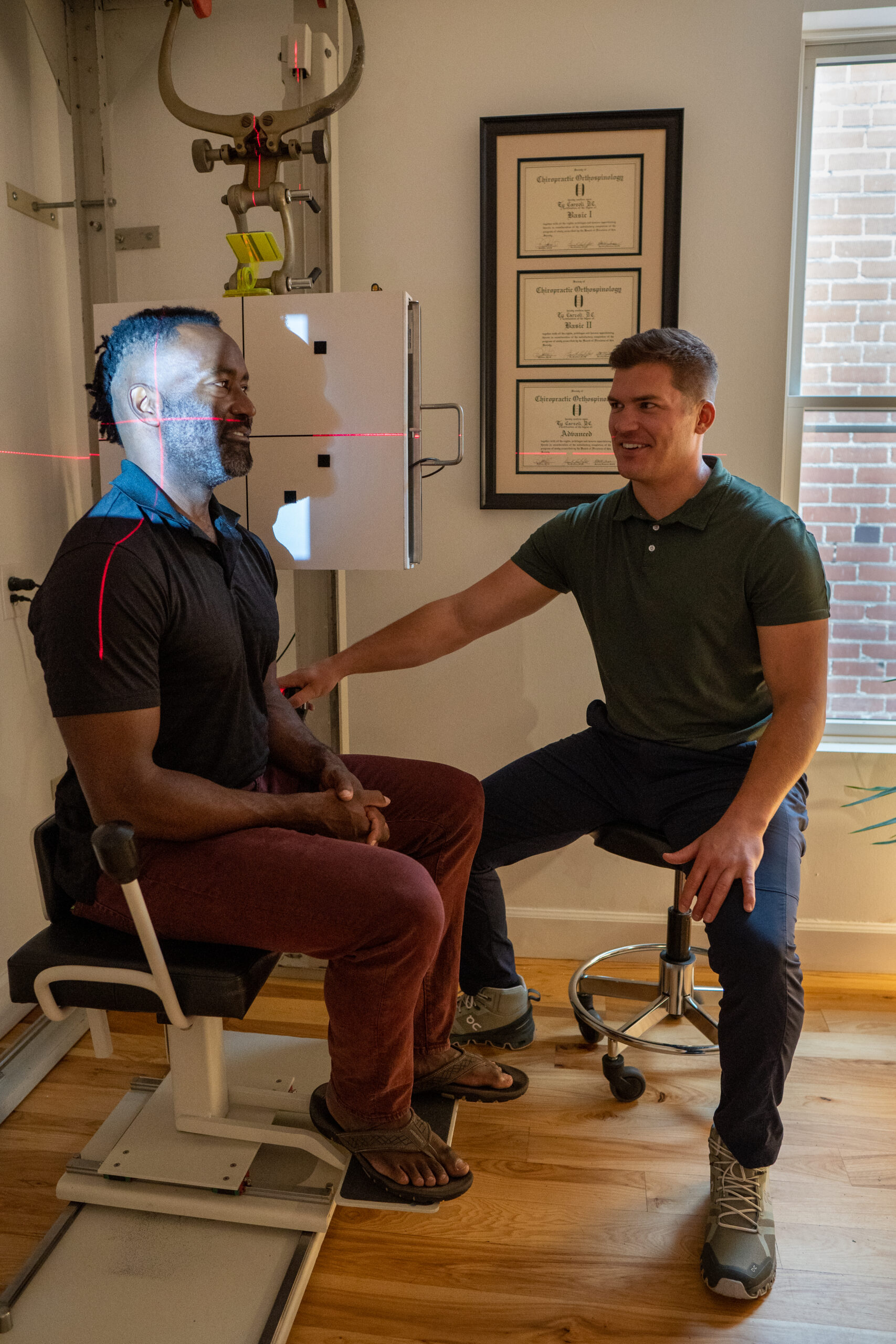
Chiropractic adjustments aim to restore proper cervical alignment and relieve pressure on affected nerve roots.
- Upper cervical care focuses on C1 and C2 alignment, indirectly supporting arm function.
- Lower cervical adjustments (C5–C8) target the nerve roots that directly control the arm.
Clinics such as Denver Upper Cervical Chiropractic specialize in precise, gentle techniques that reduce nerve irritation and improve overall arm function.
Targeted exercises strengthen supporting muscles, improve posture, and relieve nerve stress. Common approaches include:
- Neck and upper back strengthening
- Core stabilization exercises
- Shoulder and arm mobility drills
- Nerve gliding and stretching techniques
Small daily changes can significantly reduce cervical strain:
- Adjust computer monitors to eye level
- Use chairs with proper lumbar support
- Avoid prolonged overhead lifting
- Take regular breaks to move and stretch
Prevention of Cervical Nerve-Related Arm Pain
Maintaining cervical health and preventing nerve compression is essential for long-term arm function.
- Strengthen Postural Muscles: Strong neck, shoulder, and upper back muscles stabilize the cervical spine and reduce nerve stress.
- Maintain Ergonomic Workstations: Proper desk setup reduces repetitive strain on the neck and arm nerves.
- Stretch Regularly: Gentle neck, shoulder, and arm stretches reduce muscular tension and maintain flexibility.
- Stay Active: Aerobic and resistance exercises improve circulation, reduce stiffness, and support nerve health.
- Schedule Routine Evaluations: Periodic spinal check-ups can detect early misalignments before they result in chronic arm pain.
When to Seek Immediate Care
Seek urgent evaluation if you experience:
- Sudden loss of strength in the arm or hand
- Severe numbness or tingling
- Loss of coordination or fine motor skills
- Pain following trauma or an accident
These symptoms may indicate severe nerve compression or spinal cord involvement.
Why Local Denver Care Matters
Choosing a local provider ensures:
- Personalized evaluation and treatment
- Convenient follow-up visits
- Providers familiar with Denver’s active lifestyle demands
- Care tailored to skiing, hiking, cycling, and office work
Denver’s altitude, outdoor activities, and active culture can affect posture, fatigue, and cervical spine stress. Local specialists understand these factors when addressing nerve-related arm pain.
Long-Term Outlook for Cervical Nerve-Related Arm Pain
Most cases of nerve-related arm discomfort respond well to early, conservative care. Long-term benefits of addressing the cervical spine include:
- Reduced pain and inflammation
- Improved arm strength and mobility
- Better posture
- Enhanced coordination and daily function
- Prevention of chronic nerve damage
Neglecting symptoms can allow nerve compression to worsen, potentially resulting in permanent weakness or reduced range of motion.
Final Thoughts: Treat the Neck, Heal the Arms
Arm pain is often more than a local problem — it may be a sign of cervical nerve compression. Radiating pain, tingling, numbness, and weakness are signals that your nervous system needs attention.
For residents of Denver experiencing persistent arm symptoms, seeking cervical spine evaluation and care can address the root cause of the discomfort. Through spinal alignment correction, rehabilitation exercises, and ergonomic adjustments, nerve-related arm pain can be reduced, mobility restored, and long-term function preserved.
Your arms depend on the health of your cervical spine. Treating nerve compression at the source protects movement, strength, and comfort — whether you’re working at a desk, hiking the Rockies, or enjoying Colorado’s outdoor lifestyle.
© 2026 Denver Upper Cervical Chiropractic