

Cervical Spine Care in Denver: The Hidden Key to Neck Pain Relief & Total Body Balance
Exploring the Unique Causes of Headaches in Denver and How Chiropractic Care Provides Relief
Your cervical spine plays a vital role in protecting your nervous system, supporting your head, and enabling smooth movement throughout your daily life. Yet many people in Denver don’t realize how much their cervical spine impacts headaches, posture, mobility, and even overall wellness — until pain or stiffness develops.
If you are searching for cervical spine treatment in Denver, understanding how this critical part of your spine functions — and what happens when it becomes misaligned — can help you make informed decisions about your health.
What Is the Cervical Spine?
The cervical spine refers to the top portion of the spinal column located in the neck. It consists of seven vertebrae labeled C1 through C7.
Each vertebra has a specific function:
- C1 (Atlas): Supports the skull and allows nodding motion.
- C2 (Axis): Enables head rotation.
- C3–C7: Provide structural support, protect nerves, and allow neck flexibility.
The cervical spine protects the upper portion of the spinal cord and facilitates communication between the brain and body. Because it supports the weight of the head — approximately 10–12 pounds in neutral posture — it is especially vulnerable to stress and injury.
Why Cervical Spine Health Matters
Your cervical spine influences far more than neck movement. When properly aligned, it allows:
- Smooth head rotation and flexion
- Proper posture
- Balanced muscle tension
- Clear nerve communication
- Reduced joint stress
However, when misaligned or injured, the cervical spine may contribute to:
- Chronic neck pain
- Tension headaches
- Shoulder tightness
- Numbness or tingling in arms
- Dizziness
- Reduced mobility
For active Denver residents, cervical spine health is especially important. Hiking, skiing, biking, and long desk hours all place strain on this region.
Common Cervical Spine Conditions
Several conditions commonly affect the cervical spine.
Overstretching muscles or ligaments in the neck can cause inflammation and stiffness. This often occurs due to poor posture or sudden movements.
Auto accidents frequently cause rapid forward-and-back head motion, leading to cervical misalignment and soft tissue injury.


With age or repetitive stress, spinal discs may lose hydration and flexibility, leading to reduced cushioning between vertebrae.
When a disc bulges or ruptures, it can compress nearby nerves, causing arm pain or tingling.
The top two vertebrae (C1 and C2) play a significant role in balance and nerve function. Even slight shifts may create compensatory patterns throughout the body.
Clinics such as Denver Upper Cervical Chiropractic specialize in evaluating this critical region with precise imaging and gentle correction techniques.
Signs You May Have a Cervical Spine Issue
Cervical spine problems can develop gradually. Common warning signs include:
- Persistent neck stiffness
- Pain at the base of the skull
- Reduced range of motion
- Shoulder tension
- Frequent headaches
- Arm weakness or tingling
- Postural imbalance
If symptoms persist for more than a few weeks, professional evaluation is recommended.
The Impact of Poor Posture on the Cervical Spine
Modern lifestyles heavily impact cervical alignment. “Tech neck” — forward head posture from prolonged screen use — places excessive pressure on the cervical joints.
For every inch the head moves forward, the strain on the neck increases significantly. Over time, this may contribute to:
- Disc stress
- Muscle fatigue
- Ligament strain
- Nerve irritation
In Denver’s professional community, long desk hours combined with active recreation can create repetitive stress patterns that affect cervical health.
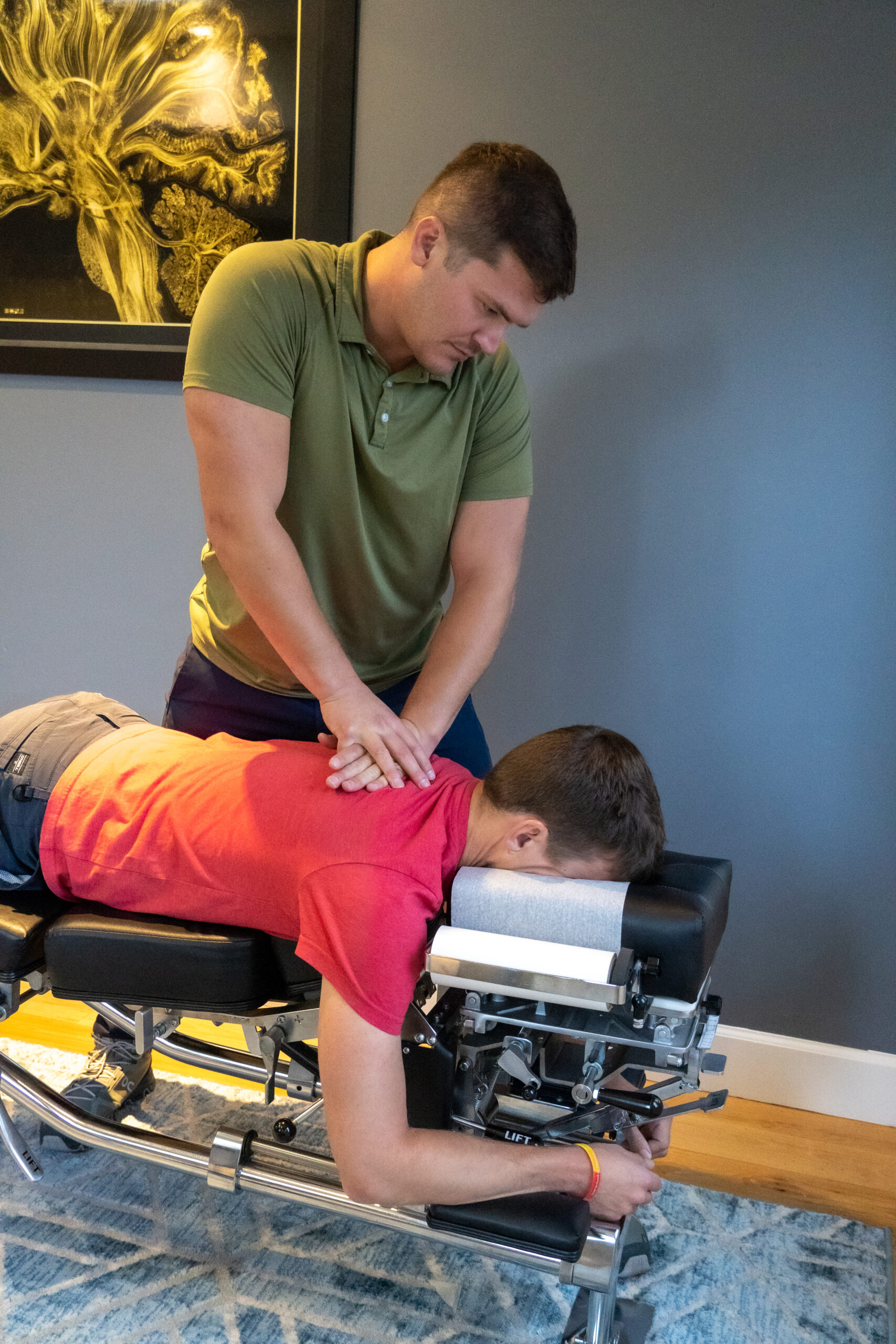
Cervical Spine Treatment Options in Denver
If you are searching online for “cervical spine treatment near me” or “Denver neck specialist,” conservative care is often the first step.
Chiropractic adjustments aim to restore joint mobility and improve spinal alignment. Upper cervical techniques focus specifically on C1 and C2 alignment, using precise, gentle corrections.
Potential benefits include:
- Reduced neck pain
- Improved mobility
- Decreased headaches
- Better posture
- Reduced nerve irritation
Physical therapy strengthens muscles supporting the cervical spine while improving flexibility and posture.
Exercises may include:
- Deep neck flexor strengthening
- Shoulder blade stabilization
- Postural correction drills
- Controlled stretching
Simple adjustments can reduce strain:
- Monitor at eye level
- Neutral neck alignment
- Supportive office chair
- Frequent movement breaks
When to Seek Immediate Medical Attention
While most cervical issues are musculoskeletal, seek urgent care if you experience:
- Severe neck pain after trauma
- Loss of coordination
- Persistent numbness
- Difficulty controlling bladder or bowel function
- Severe weakness in arms
These symptoms may indicate serious neurological involvement.
Why Local Cervical Spine Care in Denver Matters
Choosing local care ensures:
- Personalized treatment plans
- Convenient follow-ups
- Providers familiar with Denver’s active lifestyle
- Support tailored to hiking, skiing, cycling, and desk work demands
Local specialists understand how altitude, outdoor sports, and occupational stress patterns contribute to cervical strain.
Preventing Cervical Spine Problems
Prevention is key to long-term cervical health.
Keep ears aligned with shoulders when sitting or standing.
Strong upper back and core muscles help maintain neutral alignment.
Gentle neck stretches improve flexibility and reduce stiffness.
Take breaks every 30–60 minutes to reset posture.
Use a pillow that maintains neutral neck alignment.
The Connection Between the Cervical Spine and Overall Health
Because the cervical spine protects the brainstem and upper spinal cord, alignment in this region influences nervous system communication.
When properly aligned, the nervous system functions efficiently, supporting:
- Muscle coordination
- Balance
- Postural control
- Pain regulation
Correcting cervical misalignment often improves overall physical comfort and movement quality.
Long-Term Outlook
With early intervention and consistent care, most cervical spine conditions respond well to conservative treatment.
Long-term results depend on:
- Proper diagnosis
- Targeted care
- Muscle strengthening
- Lifestyle modification
- Preventative maintenance
Ignoring symptoms may allow small imbalances to progress into chronic conditions.
Final Thoughts: Protect Your Cervical Spine for Long-Term Wellness
Your cervical spine is central to movement, posture, and nervous system health. Whether you are commuting downtown, working at a desk, or exploring Colorado’s mountains, cervical alignment directly affects how you feel and function.
If you are experiencing chronic neck pain, stiffness, headaches, or posture-related discomfort, seeking cervical spine treatment in Denver may help restore balance and mobility naturally.
Through professional evaluation, targeted correction, and preventative strategies, you can protect your cervical spine and support long-term health — allowing you to stay active and pain-free in the lifestyle you enjoy.
© 2026 Denver Upper Cervical Chiropractic